
How can I help my child form healthy habits?

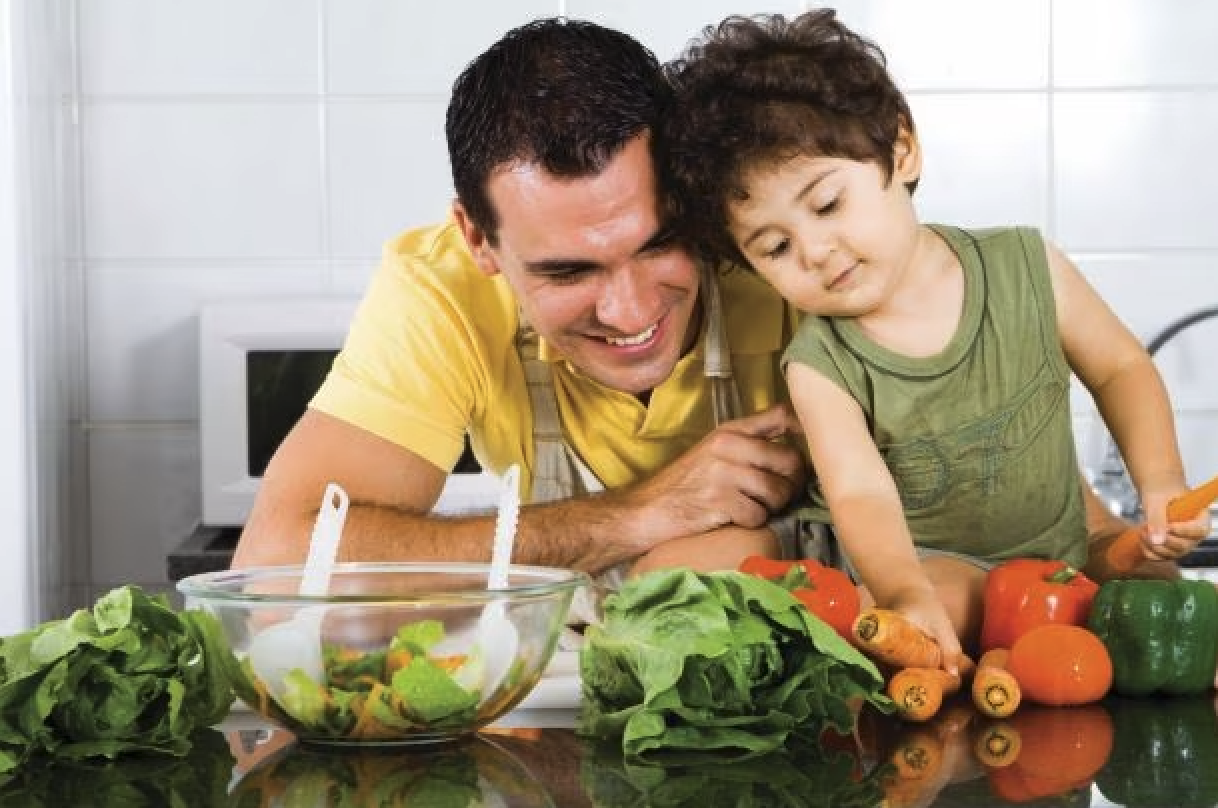
As a parent or caregiver, you play a big part in shaping children's eating and drinking habits. When you make it a habit to consume foods and beverages that are low in added sugars, saturated fat, and salt and are high in fiber, the children you care for may learn to like these foods as well. If a child you are caring for does not like a new food right away, don't be upset. Children often need to see a new food many times before they will try it.
Be a role model. As a parent or caregiver, you also have an effect on children's physical activity. You do not need to be an expert at any activity. Just get up, move, and show children how much fun being active can be. They may grow to like it too. You can set a good example by going for a walk or riding a bike instead of watching TV, playing a video game, or surfing the internet. Find an activity that you enjoy and can do together.
Talk about being healthy. As you learn more about how to improve your health, take the time to talk to your children about how a certain food or physical activity may help them. For example, when going for a walk, bring your children with you and let them pick the route. Discuss how walking helps you feel better and is a fun way to spend time together.
Use your children's food and beverage choices as teaching moments. Speak up when you see unhealthy choices. Direct children to healthier options or say, "You can have a little of that, but not too much." Talk to them about why an overly salty or heavily sugared snack is not the best choice. Avoid making them feel guilty about their food or beverage choices. You can also praise your children when they choose a healthy item like fruit.
Use comments like these
"Great choice!"
"You're giving your body what it needs with that snack!"
"I like those, too."
With physical activity, try upbeat phrases like these to keep your child excited
"You run so fast, I can hardly keep up!"
"You are building a strong, healthy heart!"
"Let's walk 10 more minutes to make us stronger."
Make sure your child gets enough sleep. Getting enough sleep can improve your child’s mental, emotional, and physical health. Not getting enough sleep may lead to many health issues, including obesity. Find out how many sleep hours experts recommend for your child External link, depending on his or her age.
Believe in the power to change. Know that eating healthy and moving more are the building blocks to better health. Work together to form healthy habits.
Promote good health beyond your family. Other adults may play a role in your child's life, too. You can share ideas about healthy habits with them. For instance, many parents and caregivers work outside the home and need others to help with childcare. Family members, day care providers, babysitters, or friends may shape your child's health habits. Talk to them to make sure they offer healthy meals, snacks, and drinks. Check that caregivers are also providing plenty of active playtime and limiting inactive time spent with TV, video games, or other devices.
If your child is in school, you can help promote healthy habits in several other ways
Find out more about the school's breakfast and lunch programs.
Find out about the school’s physical education program, and look for opportunities to be active during the school day.
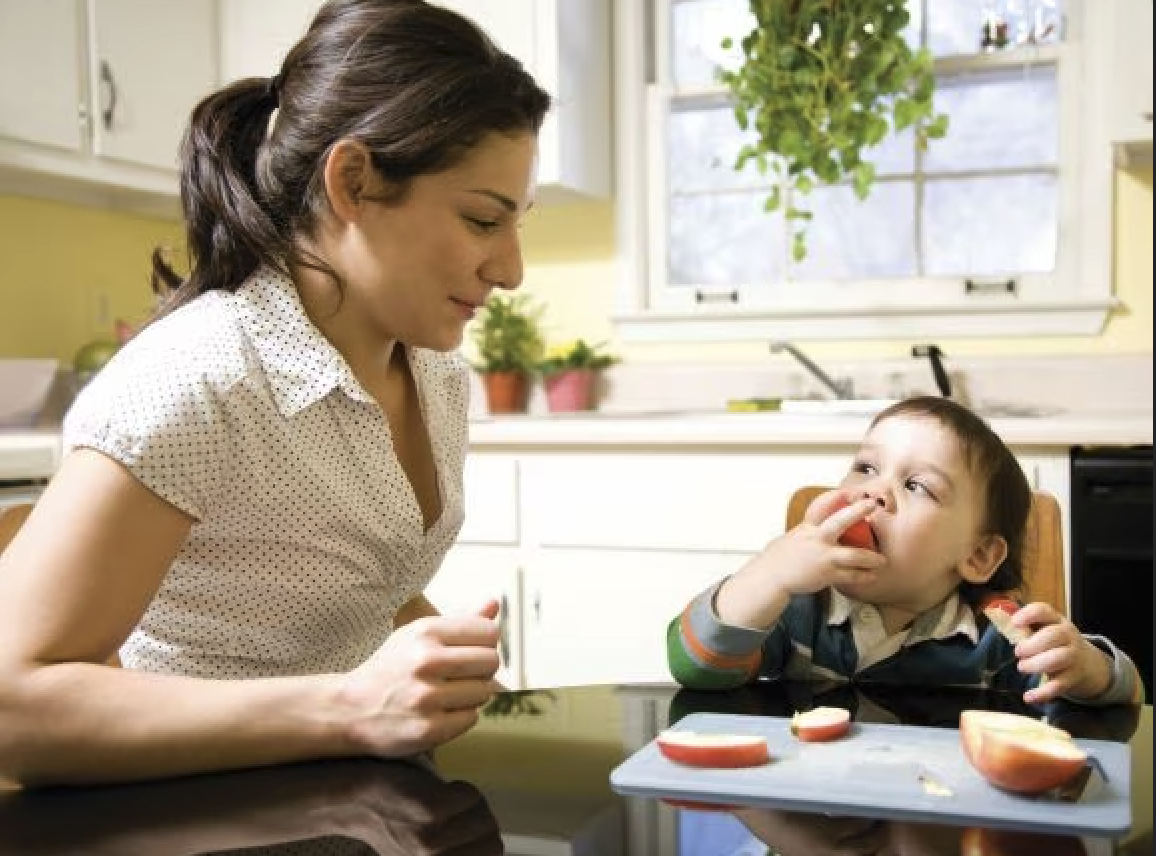
Consider other influences. Just as they do for you, your children's friends and the media can also affect healthy choices.
Some TV, online, and other ads try to persuade children to consume high-fat foods and sugary drinks. You can help your children be aware of these pressures. Speak with your children about choices while you watch TV, surf the internet, or go to the movies with them. Talk about how media outlets and influencers sell products or convey values through famous athletes, child celebrities, cartoon and action figures, and made-up images. Use programs and ads to spark chats about your values. These talks may help your child make healthy choices outside the home.
