
Why Handwashing Still Matters for Preventing Childhood Illnesses
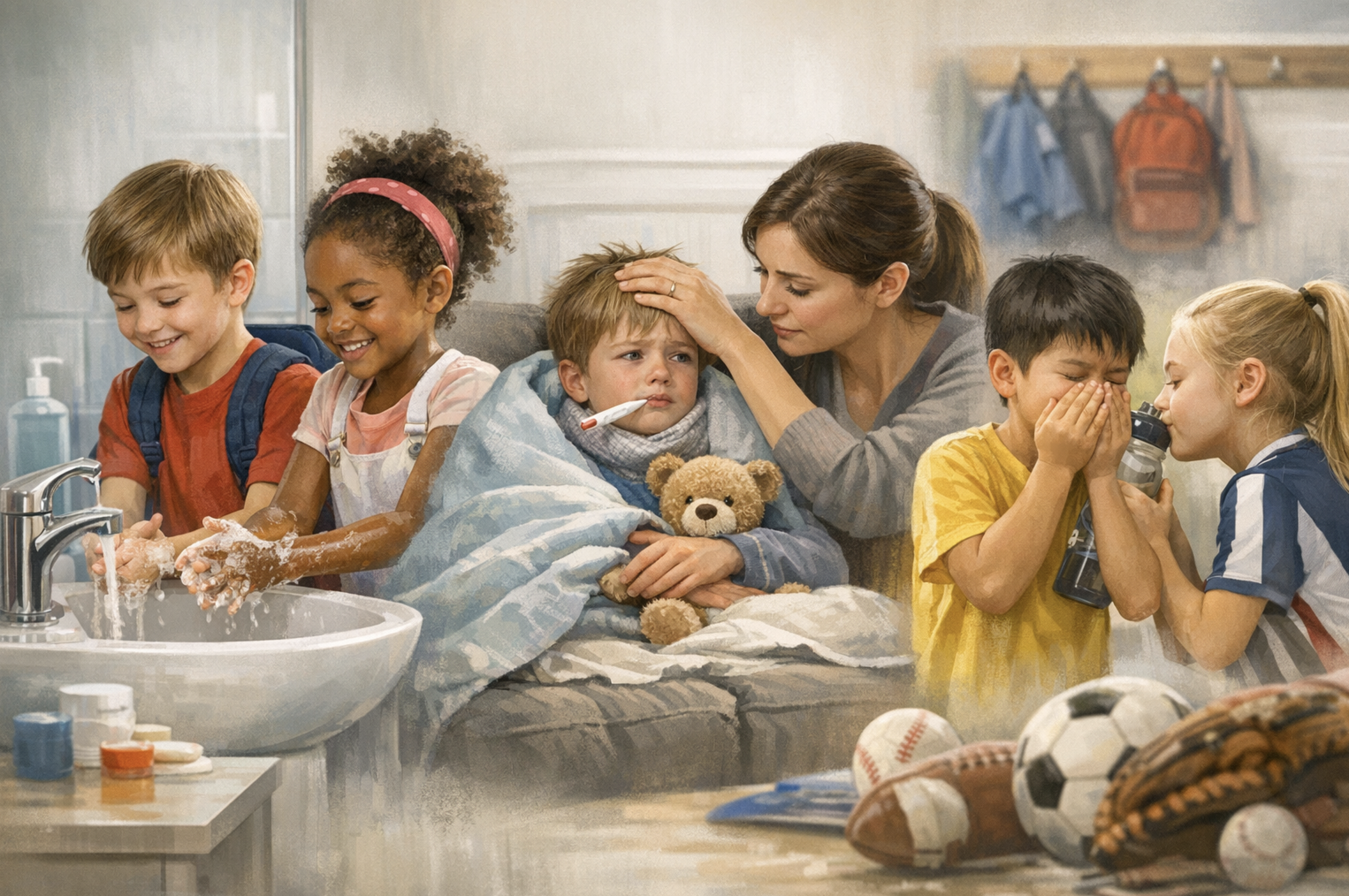
A lot of parents around Jackson, TN start thinking about handwashing a little more once school starts back up. Or when one child comes home sniffling, and by the next morning half the house sounds stuffy. Or when a stomach bug starts making the rounds at daycare, and everybody suddenly gets real serious about soap.
We see it all the time in the office. Toddlers touching everything. School-age kids rushing through the hallway, then grabbing snacks without thinking. Little ones rubbing their eyes, licking their fingers, sharing cups, sneezing into their hands. It’s normal kid behavior. Messy, yes. Also very effective at spreading germs.
Handwashing won’t stop every illness. We wish it did. But it still plays a big part in keeping kids healthier, especially during back-to-school season, winter illness season, and those weird stretches when flu, RSV, strep, and stomach bugs seem to be going around at the same time in West Tennessee.
Simple soap and water still does a lot
Handwashing gets overlooked because it feels so basic. But basic doesn’t mean useless. Soap and water remove germs from the skin and help keep them from getting into the mouth, nose, and eyes. That matters more than most people realize.
Kids don’t need perfect technique every single time. They just need to do it often enough, and long enough, that it actually helps. The big moments are pretty predictable. Before eating. After using the bathroom. After blowing a nose. After playing outside. After petting animals. After coming home from school, sports practice, or birthday parties where every child touched every toy in the room.
In Jackson and across Madison County, TN, families are busy. Schedules are packed. Nobody’s standing around for a lesson in hand hygiene between school pickup, ball practice, homework, and dinner. So we like to keep it practical. Wash hands at the times that matter most. That alone can cut down on a lot of the everyday germs kids bring home.
Why kids spread illnesses so easily
Children aren’t trying to get sick. They’re just kids. They touch doorknobs, desks, iPads, lunch tables, shopping carts, baseball bats, water fountains, and every sticky thing in sight. Then they touch their faces. A lot. Their immune systems are still learning, and young kids especially don’t always have the habit of stopping to wash up.
This is one reason we hear from parents all the time about the same pattern. One child comes home with a runny nose. Another starts coughing two days later. Then there’s a rough night of sleep. Then a fever. Then the parent is up late searching online, trying to figure out whether it’s just a cold or something more.
Handwashing won’t keep every germ away, but it can lower the odds of that chain reaction moving through the whole family.
It matters for more than colds
People usually think of handwashing for colds and flu, and that’s fair. But it also helps with stomach bugs, which can spread fast through classrooms, daycares, church groups, and sports teams. We see that a lot in West Tennessee, especially when families are juggling busy weeks and kids are sharing snacks, snacks bags, water bottles, and air with lots of other children.
Stomach viruses are miserable. They can hit fast. One minute your child seems fine, then there’s vomiting, diarrhea, tummy pain, and nobody is getting much sleep. Babies can have a harder time with feeding during illness, which makes things feel even more stressful for parents. Handwashing helps reduce the spread, especially after diaper changes, bathroom trips, and cleanup after a sick child.
And yes, it helps with some skin and eye infections too. Not everything starts in the nose.
What to do at home without turning it into a battle
For younger kids, make handwashing part of the routine instead of a debate. Same time, same places. After school. Before meals. After bathroom trips. After coming in from outside. That kind of repetition sticks.
For toddlers, keep it short and doable. Use warm water if that helps. Let them sing a quick song. Let them pick the soap sometimes. If they’re resisting, don’t turn it into a whole thing. Get the job done and move on. Most families don’t need another power struggle before dinner.
Older kids need reminders too, even if they roll their eyes. That’s normal. A middle schooler in Humboldt or a high schooler in Milan may think they’re too old to be reminded about washing up, but germs don’t care how old they feel. Same goes for sports season. Hands get grimy fast at practice, on the field, in the dugout, and around shared equipment. A quick wash before eating or after practice can help a lot.
Alcohol hand sanitizer can be handy when soap and water aren’t nearby. It’s better than nothing. But soap and water are still the better pick when hands are visibly dirty, after bathroom use, and after a stomach bug. If you’ve got a child who’s covered in sunscreen, juice, or playground dirt, sanitizer isn’t going to do the full job.
When families start asking, is this more than a cold?
We hear this question every day, especially in the evening hours when kids start looking more worn out than they did at school. A lot of the time, it really is a routine virus. Kids can have runny noses, mild coughs, low energy, and a rough couple of nights, then turn the corner.
But there are times when a symptom deserves a closer look. Call sooner if your child has trouble breathing, isn’t drinking well, seems unusually sleepy, has a fever that won’t settle, or has signs of dehydration like dry lips, no tears, or very little urine. Babies can go downhill faster, so if a newborn or young infant seems off, feeding poorly, or having fewer wet diapers, that’s not something to sit on.
We also pay attention to coughs that linger, fevers that keep coming back, sore throats that make swallowing hard, and stomach symptoms that don’t let up. Parents know their children best. If something feels off, trust that instinct. You don’t need to wait until things are dramatic to call.
Handwashing and the rest of routine care go together
Handwashing is part of a bigger picture. It works best alongside wellness visits, vaccines, good sleep, decent nutrition, and regular check-ins about development and behavior. We see that connection all the time during child wellness visits near me searches from families in Jackson, Medina, Lexington, Brownsville, and surrounding communities. Parents want to know they’re doing the right things at home, and that’s fair.
Wellness visits are a good time to ask about vaccine timing, sleep struggles, school readiness, and even picky eating. They’re also a good time to talk through what’s normal for your child. Some kids seem to catch every bug going around. Some have seasonal allergies that look a lot like colds. Some have bigger concerns hiding behind what seems like an everyday sniffle. A visit gives room to sort that out.
For newborn care near me questions, handwashing matters even more. Babies are still getting their footing, and the people around them can bring in germs without meaning to. That’s why we’re so careful about clean hands before holding a baby, feeding a baby, or helping with diaper changes.
Summer, winter, and all the messy in-between times
Summer heat brings its own problems. Kids get sweaty, dehydrated, and worn out. They’re outside more, at camps, ball fields, and family get-togethers. Water bottles get shared. Hands get dirty fast. That’s a good time to keep wipes or sanitizer in the car, and to wash up when everybody gets home.
Then winter illness season hits, and the handwashing conversation starts all over again. Holiday gatherings, crowded indoor spaces, school events, and cold weather mean more close contact. A few extra handwashing reminders can go a long way during those months.
Spring allergies can muddy the waters too. A child with itchy eyes and a runny nose may not have an infection at all. But when hands are constantly rubbing at the face, it still makes good sense to wash more often. It’s a small thing, but it helps keep pollen, dirt, and germs from piling up.
A real local example
Not long ago, we heard from a family in West Tennessee with three kids in different stages of school. One was in daycare, one in elementary school, and one was trying to get through sports physicals near me season without missing practice. The youngest brought home a stomach bug. By the next day, the middle child had a fever and wasn’t sleeping well. The parent was doing the usual late-night search, trying to decide whether the symptoms were just part of the virus or something they should bring in for.
What helped most was getting back to basics. Handwashing before meals. Handwashing after bathroom trips. Fresh towels. Cleaning shared surfaces. Keeping the baby sibling away from sick kids as much as possible. The children still got sick, because that happens. But the illness didn’t sweep through the whole house as hard as it might have.
That’s the thing. Handwashing isn’t magic. It’s one part of keeping a family afloat during the rough weeks. And for a lot of families around Jackson, that’s enough to make a difference.
Actionable takeaways for busy families
Keep soap where kids can reach it. If they can’t get to it, they won’t use it.
Make handwashing automatic before meals, after bathroom use, after school, after sports, and after sneezing or coughing.
Use sanitizer when you’re out and about, but go back to soap and water when hands are dirty or after bathroom trips.
Watch for the bigger warning signs: trouble breathing, dehydration, persistent fever, poor feeding, or a child who just doesn’t seem like themselves.
Don’t ignore your instincts. Parents usually know when something is more than a simple bug.
Keep up with wellness visits and vaccines. That’s still one of the best ways to stay ahead of bigger problems.
And if you’re in that in-between space, the one where the symptoms aren’t alarming but they’re not improving either, call. That’s what pediatric care is for. Same-day sick visits exist for a reason.
Bottom Line
Handwashing may seem small, but it still matters a lot. It helps cut down on colds, stomach bugs, and all the routine infections kids seem to pick up during school, sports, and everyday life. Around Jackson, TN and across Madison County, we see how fast germs move through busy homes, classrooms, and daycare rooms. A few good habits can make a real difference.
Most families don’t need perfection. They just need a workable routine. Wash hands often. Pay attention to warning signs. Trust what you’re seeing at home. And if your child isn’t bouncing back the way you expected, it’s okay to ask for help.
The Children’s Clinic
264 Coatsland Drive
Jackson, TN 38301
731-423-1500
Serving families throughout Jackson, Madison County, and West Tennessee
