
Meeting a new baby is exciting. Friends, grandparents, siblings, and loved ones are often eager to visit, hold the baby, and celebrate with the family. But newborns are especially vulnerable during their first weeks of life, which means even small precautions can make a big difference.
At The Children’s Clinic in Jackson, TN, we encourage families to think of newborn visits as more than just social time. They are an opportunity to help protect a baby’s health while also supporting exhausted new parents during a major life transition.
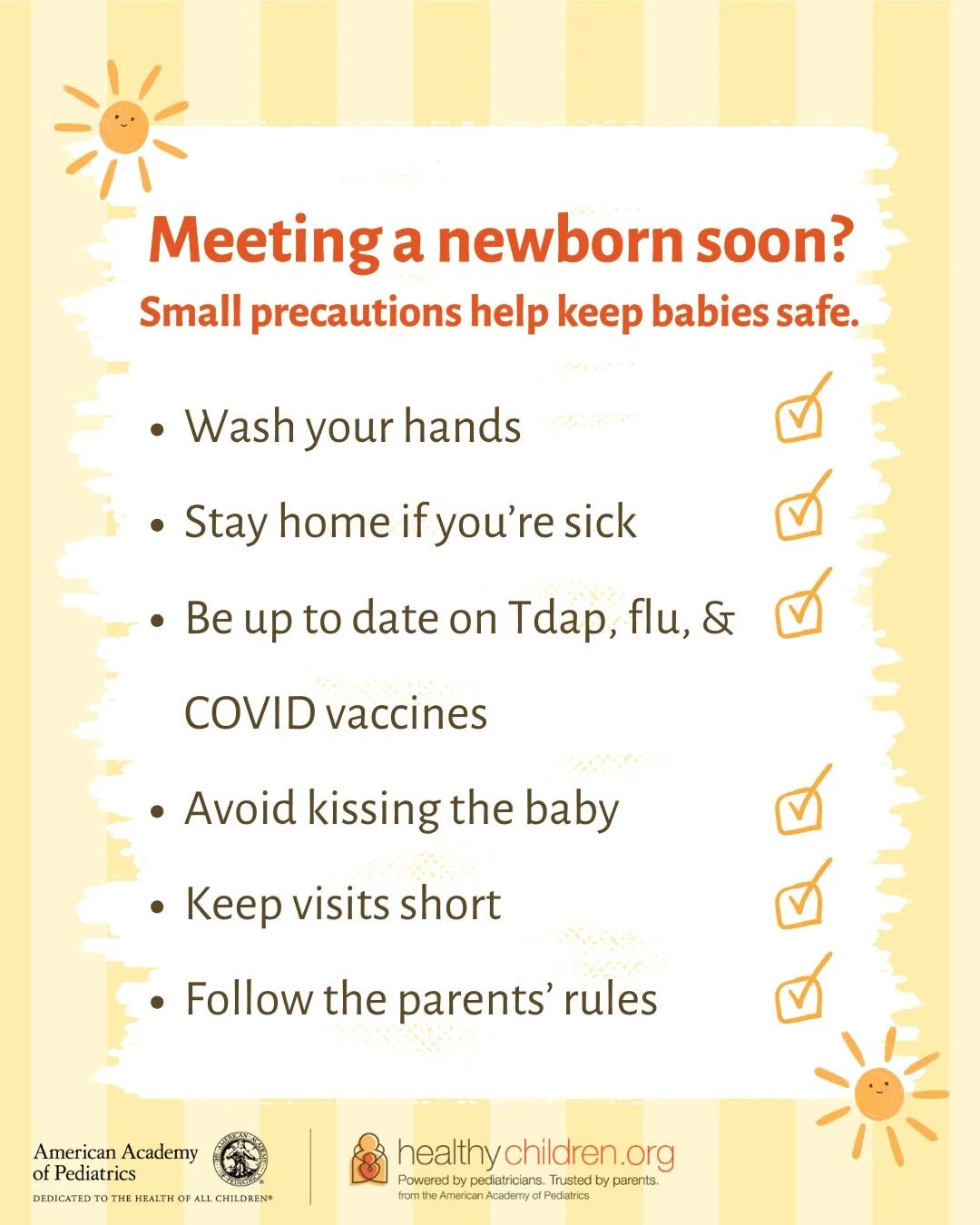
Simple habits like washing hands, staying home when sick, and respecting the parents’ wishes can help keep newborns safe, calm, and healthy.
Why Newborns Need Extra Protection
A newborn’s immune system is still developing.
During those first few months, babies are more vulnerable to viruses, bacteria, and infections that older children and adults may recover from more easily. Even illnesses that seem mild in adults can become serious for infants.
This is why pediatricians often encourage families and visitors to take precautions before meeting a newborn.
These precautions are not about being overly cautious or unfriendly. They are about helping reduce unnecessary risk during one of the most delicate stages of life.
Wash Your Hands Before Holding the Baby
One of the easiest and most effective ways to protect a newborn is proper hand washing.
Hands carry germs throughout the day from:
• phones
• door handles
• shopping carts
• public places
• workplaces
• schools
Before touching or holding a baby, visitors should wash their hands thoroughly with soap and water or use hand sanitizer if needed.
It may seem simple, but good hygiene is one of the best ways to help prevent illness.
Stay Home If You Feel Sick
Parents should never feel guilty asking sick visitors to postpone meeting the baby.
Even mild symptoms can expose newborns to illness.
Visitors should stay home if they have:
• fever
• cough
• congestion
• sore throat
• stomach symptoms
• recent exposure to illness
This includes “just allergies” if symptoms are unclear.
Most families would rather wait a few days for a healthy visit than risk a newborn becoming sick.
Vaccines Help Protect Babies Too
Vaccines are another important way adults can help protect newborns.
Because infants are still building immunity, pediatricians often recommend close family members and caregivers stay up to date on vaccines like:
• TDAP
• flu vaccine
• COVID vaccines when recommended
TDAP helps protect against whooping cough, which can be especially dangerous for young infants.
Vaccination helps create a safer environment around babies during those vulnerable early months.
Avoid Kissing the Baby
Many people naturally want to kiss newborns, especially on the face or hands.
However, avoiding kissing is an important precaution.
Viruses like RSV, cold viruses, flu, and even herpes simplex virus can spread through close contact and saliva.
Parents may choose to limit kissing entirely during the newborn stage, and visitors should always respect that decision.
Keep Visits Short and Calm
Newborn days can be exhausting for families.
Even happy visits can become overwhelming when parents are:
• recovering from delivery
• adjusting to feeding schedules
• sleeping very little
• managing emotions and stress
Shorter visits often work best during the early weeks.
Visitors can support families by:
• helping with meals
• offering encouragement
• respecting nap schedules
• keeping gatherings calm and low-stress
Sometimes the best support is simply giving parents space to rest.
Respect the Parents’ Rules
Every family has different comfort levels and boundaries.
Some parents may:
• ask visitors to wear masks
• limit holding the baby
• request vaccines beforehand
• avoid large gatherings
• restrict visits entirely for a while
These decisions are not personal.
Parents are doing their best to protect their child and create a healthy environment for recovery and bonding.
Respecting those boundaries helps families feel supported rather than pressured.
Supporting New Parents Matters Too
Protecting newborns also means supporting the emotional well-being of parents.
New parents are often overwhelmed, exhausted, and adjusting to major changes.
Visitors can help by:
• asking before visiting
• offering practical help
• avoiding criticism or pressure
• respecting routines
• keeping conversations supportive
A calm environment benefits both babies and parents.
When to Call the Pediatrician
Parents should contact their pediatrician if a newborn develops:
• fever
• difficulty feeding
• breathing problems
• unusual sleepiness
• vomiting
• signs of dehydration
Young infants can become sick quickly, so it is always okay to call with concerns.
The Bottom Line
Protecting a newborn starts with simple, thoughtful precautions.
Washing hands, staying home when sick, being up to date on vaccines, and respecting parents’ wishes all help create a safer environment for babies during those important first weeks.
At The Children’s Clinic, we are proud to support growing families throughout Jackson, TN and surrounding West Tennessee communities.
The Children’s Clinic
264 Coatsland Drive
Jackson, TN 38301
731-423-1500