
If you’ve ever dealt with a stomach virus in your home, you know how quickly it can spread through the entire family.
One child gets sick… then suddenly everyone is washing sheets, disinfecting bathrooms, and trying to stay hydrated.
One of the most contagious stomach illnesses affecting young children is rotavirus.
And right now, parents are hearing more about rising cases again.
Here’s what families in Jackson, TN and surrounding areas should know.
What Is Rotavirus?
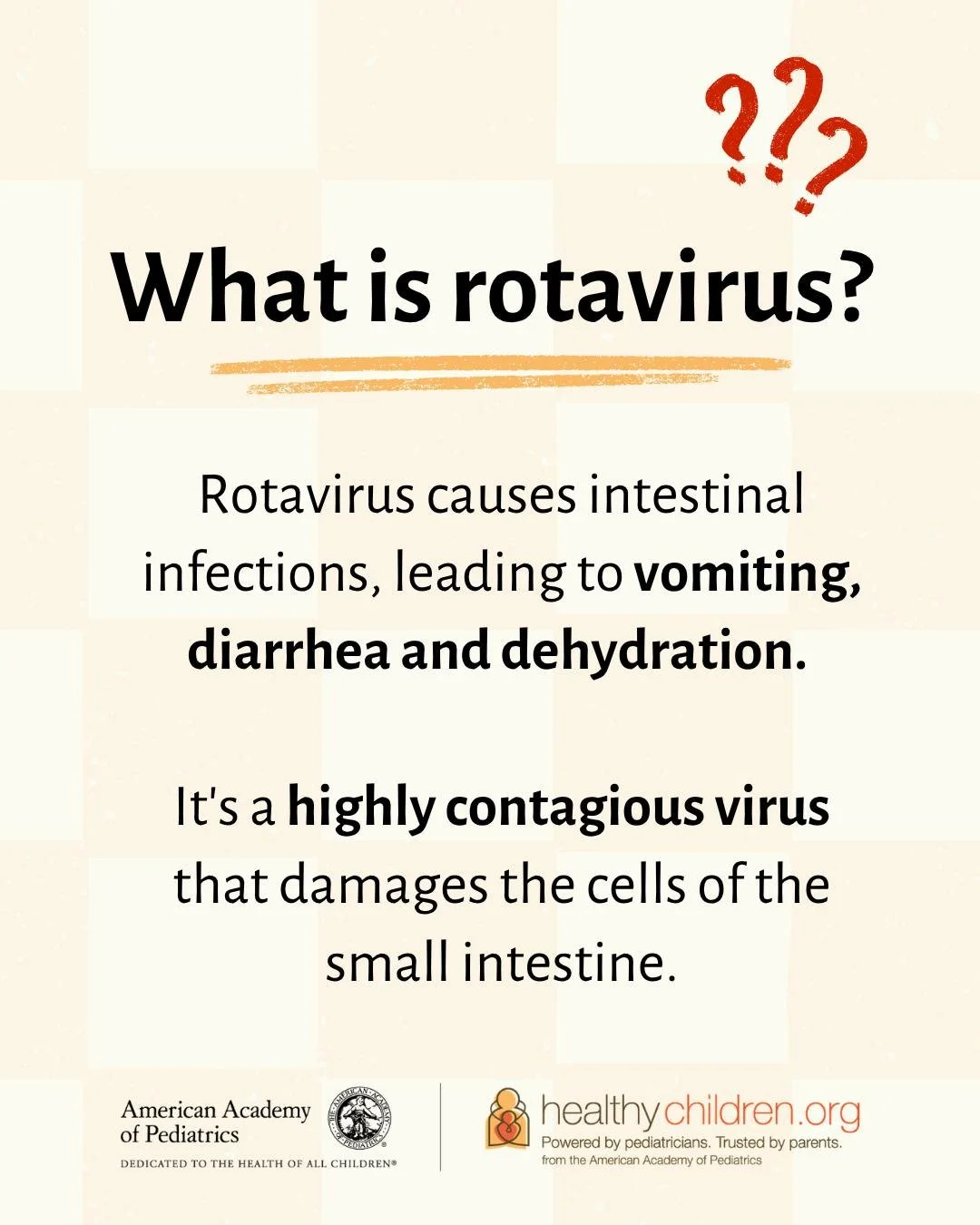
Rotavirus is a highly contagious virus that infects the intestines.
It commonly causes:
• severe diarrhea
• vomiting
• fever
• stomach pain
• dehydration
For babies and young children, dehydration can happen very quickly.
Before the rotavirus vaccine became available, nearly every child got rotavirus by age 5.
Many children recovered at home, but thousands were hospitalized every year due to dehydration and complications.
How Does Rotavirus Spread?
Rotavirus spreads very easily.
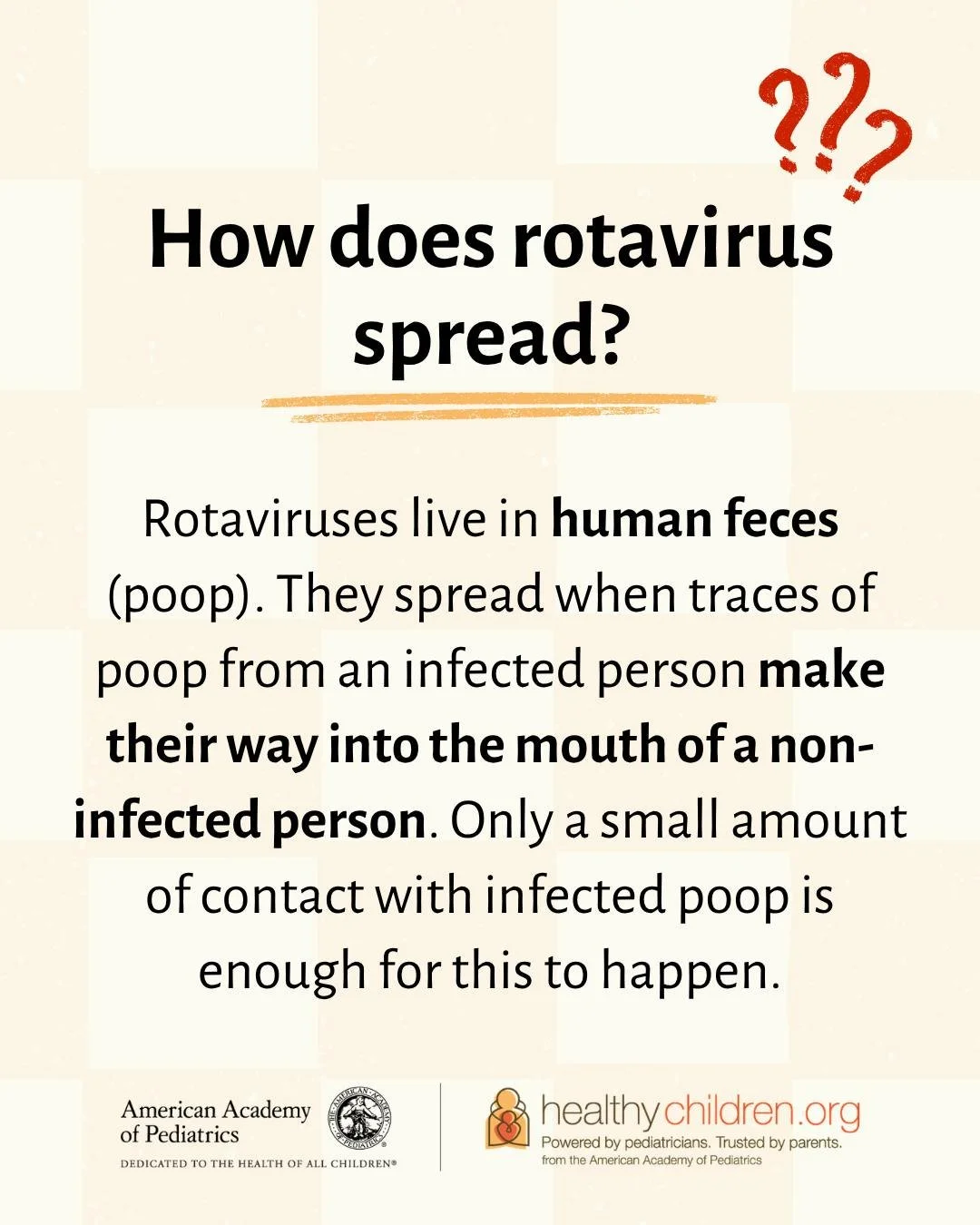
The virus lives in stool and spreads when tiny traces of infected stool make their way into another person’s mouth.
That may sound alarming, but in real life it often happens through:
• touching contaminated surfaces
• diaper changes
• toys
• shared items
• poor handwashing
Because it spreads so easily, outbreaks often happen in:
• daycares
• preschools
• schools
• homes with multiple children
Even very clean homes can struggle to stop it once it starts spreading.
Why Is Dehydration Such a Concern?
One of the biggest risks with rotavirus is dehydration.
Young children can lose fluids quickly through vomiting and diarrhea.
Signs of dehydration may include:
• dry mouth
• fewer wet diapers
• crying without tears
• unusual sleepiness
• dizziness
• sunken eyes
If dehydration becomes severe, children may need IV fluids or hospitalization.
What Happens If Your Child Gets Rotavirus?
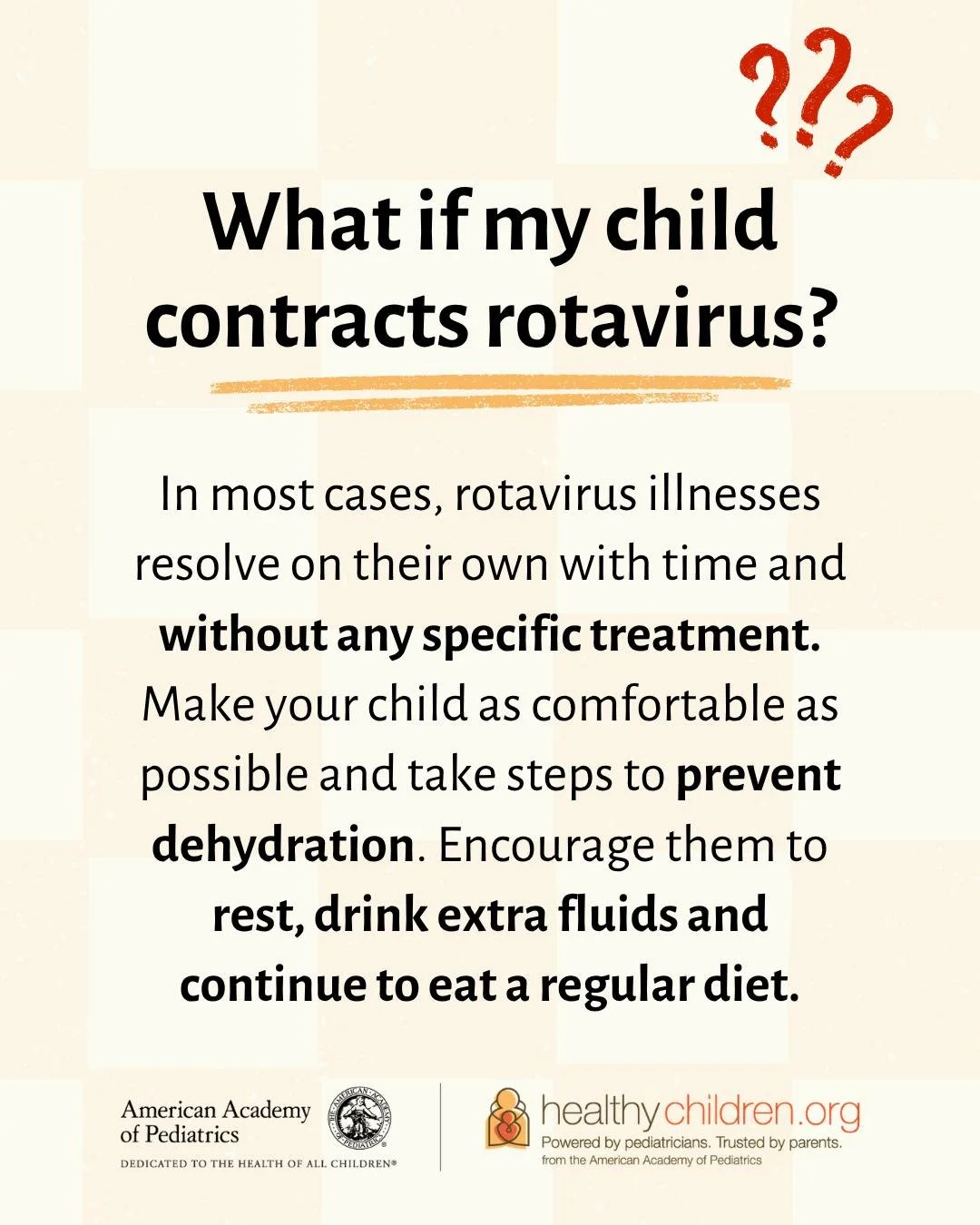
In many cases, children recover with supportive care at home.
There is no special medicine that cures rotavirus itself.
Treatment focuses on:
• rest
• fluids
• preventing dehydration
• monitoring symptoms closely
Parents should encourage children to drink fluids frequently, even in small amounts.
In some cases, your pediatrician may recommend electrolyte drinks or other hydration support.
The Rotavirus Vaccine Helps Prevent Serious Illness
The good news is we now have a safe and effective vaccine that protects against severe rotavirus infections.
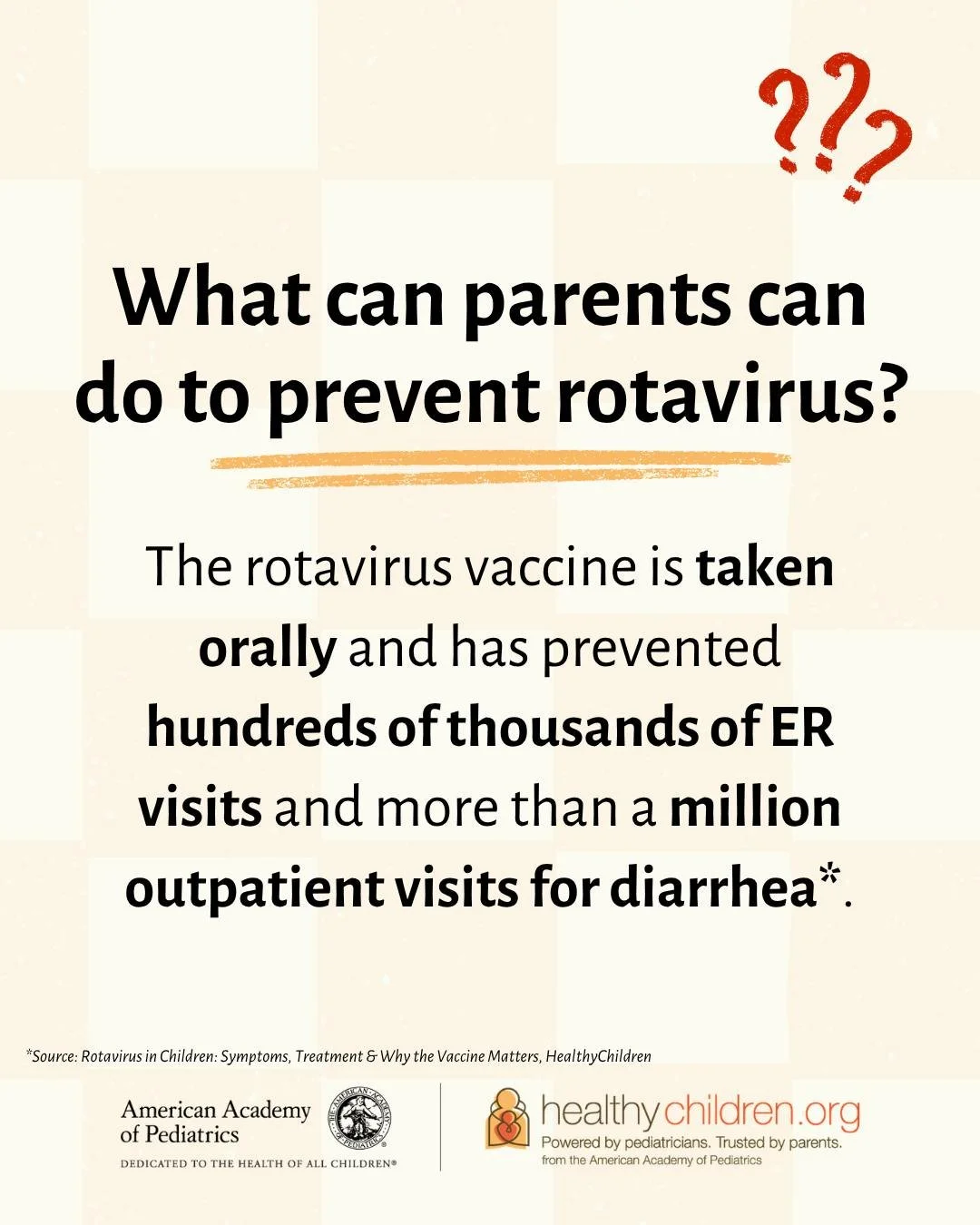
The rotavirus vaccine is given orally during infancy and has dramatically reduced:
• ER visits
• hospitalizations
• severe dehydration cases
Since the vaccine became widely used, countless children have avoided serious complications from rotavirus.
Cleaning Matters Too
Vaccination is important, but good hygiene also plays a major role.
Parents can help reduce the spread of rotavirus by:
• washing hands thoroughly
• disinfecting surfaces regularly
• cleaning shared toys
• changing diapers carefully
• keeping sick children home when possible
Because the virus spreads so easily, consistent cleaning routines make a big difference.
A Reminder for Parents in Jackson, TN
During times when stomach viruses are circulating through schools and childcare centers in Jackson, Medina, Humboldt, and surrounding West Tennessee communities, it’s normal for parents to have questions.
The most important thing is staying informed and knowing when to call your pediatrician.
The Bottom Line
Rotavirus is more than just a simple stomach bug.
For young children, it can lead to serious dehydration and hospitalization.
The combination of vaccination, good hygiene, and early care can help keep your child healthy and protected.
If you have questions about the rotavirus vaccine or your child’s symptoms, talk with your pediatrician.
📍 The Children’s Clinic
264 Coatsland Drive
Jackson, TN 38301
📞 731-423-1500