RSV Timing for Spring & Summer Babies: What Parents in West Tennessee Need to Know

If your baby was born in the spring or summer, you may be wondering how respiratory viruses—especially RSV—fit into your child’s first year of life. Many parents associate RSV with wintertime, but RSV season often stretches well beyond the coldest months. In West Tennessee, RSV activity commonly continues through March, and sometimes longer depending on community spread.

At The Children’s Clinic, we want parents to feel confident and informed when it comes to protecting their infants. One of the most effective tools available today is RSV immunization, which is recommended for all infants under 8 months of age. Timing matters, and your baby’s birth month plays an important role in deciding when protection should begin.

What Is RSV—and Why Is It a Big Deal for Infants?

Respiratory Syncytial Virus (RSV) is a very common virus that infects nearly all children by the time they are two years old. For older children and adults, RSV often looks like a mild cold. For babies—especially those under 6 months—it can be much more serious.

RSV is one of the leading causes of hospitalization in infants, particularly during their first RSV season. It can lead to:

  • Bronchiolitis

  • Pneumonia

  • Breathing difficulties

  • Feeding problems due to congestion and fatigue

Infants’ airways are smaller, their immune systems are still developing, and they don’t yet have the ability to fight off infections the way older children do. That’s why prevention is so important.

RSV Season Doesn’t End with Winter

A common misconception is that RSV is only a concern in December or January. In reality, RSV season usually begins in the fall and can last through March—sometimes even into early spring.

For babies born in April, May, June, July, or August, this means their first RSV season may still be underway when they are just a few months old. These younger infants are often at the highest risk for severe illness, making timely protection especially important.

RSV Immunization: A Powerful Layer of Protection

RSV immunization is recommended for all infants younger than 8 months during their first RSV season. This immunization works by providing ready-made antibodies that help protect babies from severe RSV illness.

It is especially important for:

  • Newborns and young infants

  • Babies born during or shortly before RSV season

  • Infants who will be exposed to daycare, siblings, or group settings

Even healthy, full-term babies benefit from RSV immunization, because RSV does not discriminate—it can affect any infant.

How Birth Month Helps Guide RSV Immunization Timing

One helpful way to think about RSV immunization timing is by looking at your baby’s birth month. Pediatric experts use this approach to help maximize protection during peak RSV activity.

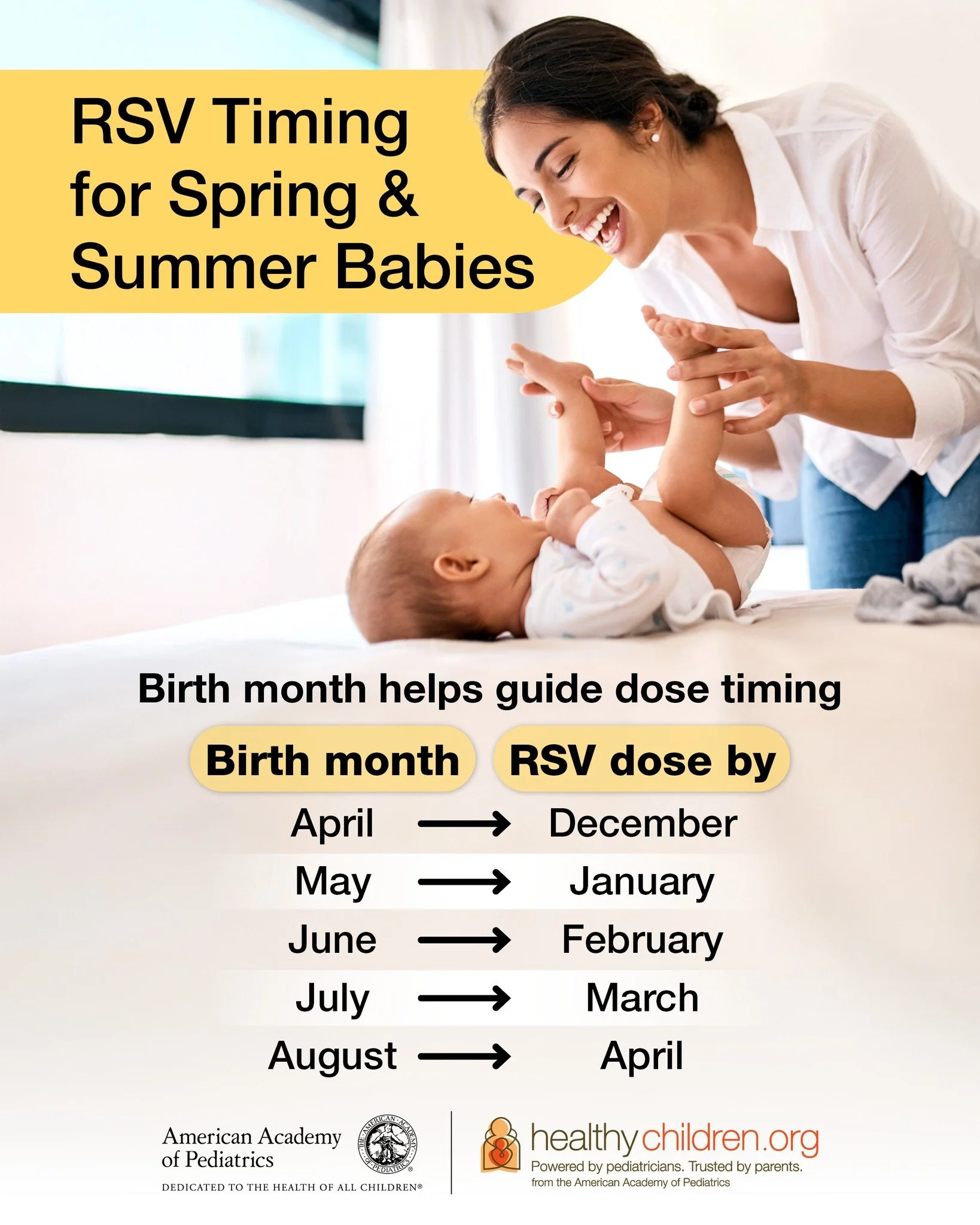
Here’s a general guide:

  • April births → RSV dose by December

  • May births → RSV dose by January

  • June births → RSV dose by February

  • July births → RSV dose by March

  • August births → RSV dose by April

This chart is a helpful starting point, but it’s important to remember that timing can vary based on local RSV activity and your baby’s individual health needs. That’s where your pediatrician comes in.

Why Early Protection Matters

RSV spreads easily through:

  • Coughing and sneezing

  • Close contact (kissing, holding, sharing space)

  • Contaminated surfaces like toys and hands

Babies don’t need to be in daycare to be exposed. RSV can spread through family gatherings, older siblings, grocery stores, and routine errands.

Because RSV can progress quickly in infants, preventing severe illness before exposure happens is key. RSV immunization helps reduce the risk of hospitalization and serious complications during your baby’s most vulnerable months.

What Parents of Spring & Summer Babies Should Do Now

If your baby was born this past spring or summer and is under 8 months old, now is the right time to:

  • Talk with your pediatrician about RSV immunization

  • Confirm the best timing based on your baby’s birth month

  • Consider local RSV trends in West Tennessee

Even if RSV season is winding down, protection may still be recommended depending on your baby’s age and exposure risk.

RSV Prevention Still Matters Beyond Immunization

In addition to immunization, parents can help reduce RSV risk by:

  • Washing hands frequently

  • Limiting close contact with sick individuals

  • Avoiding crowded indoor spaces when possible

  • Cleaning toys and frequently touched surfaces

  • Asking visitors to postpone visits if they are ill

These steps are especially important during your baby’s first few months.

Personalized Guidance Matters

Every baby is different. Factors like birth timing, exposure to siblings, daycare attendance, and local RSV trends all play a role in deciding the best protection plan.

That’s why we encourage families not to rely on charts alone—but to have a conversation with their pediatrician. Together, you can determine what’s best for your baby and your community.

We’re Here for Families Across West Tennessee

At The Children’s Clinic, our pediatric team is committed to helping parents navigate RSV season with confidence. We proudly care for families in Jackson, TN and throughout West Tennessee, offering evidence-based guidance tailored to your child’s needs.

If you have questions about RSV immunization or want to schedule an appointment, give us a call:

📞 731-423-1500

Protecting your baby’s health starts with informed decisions—and we’re here to help every step of the way.
The “Rule of 4s”: A Simple Guide to Storing Breast Milk Safely

Breastfeeding and pumping already come with a steep learning curve, and breast milk storage guidelines can feel especially confusing—particularly for new parents who are exhausted and trying to do everything right.

At The Children’s Clinic, we’re often asked questions like:

  • How long can breast milk stay out?

  • Is this milk still safe to use?

  • What’s the difference between a freezer and a deep freezer?

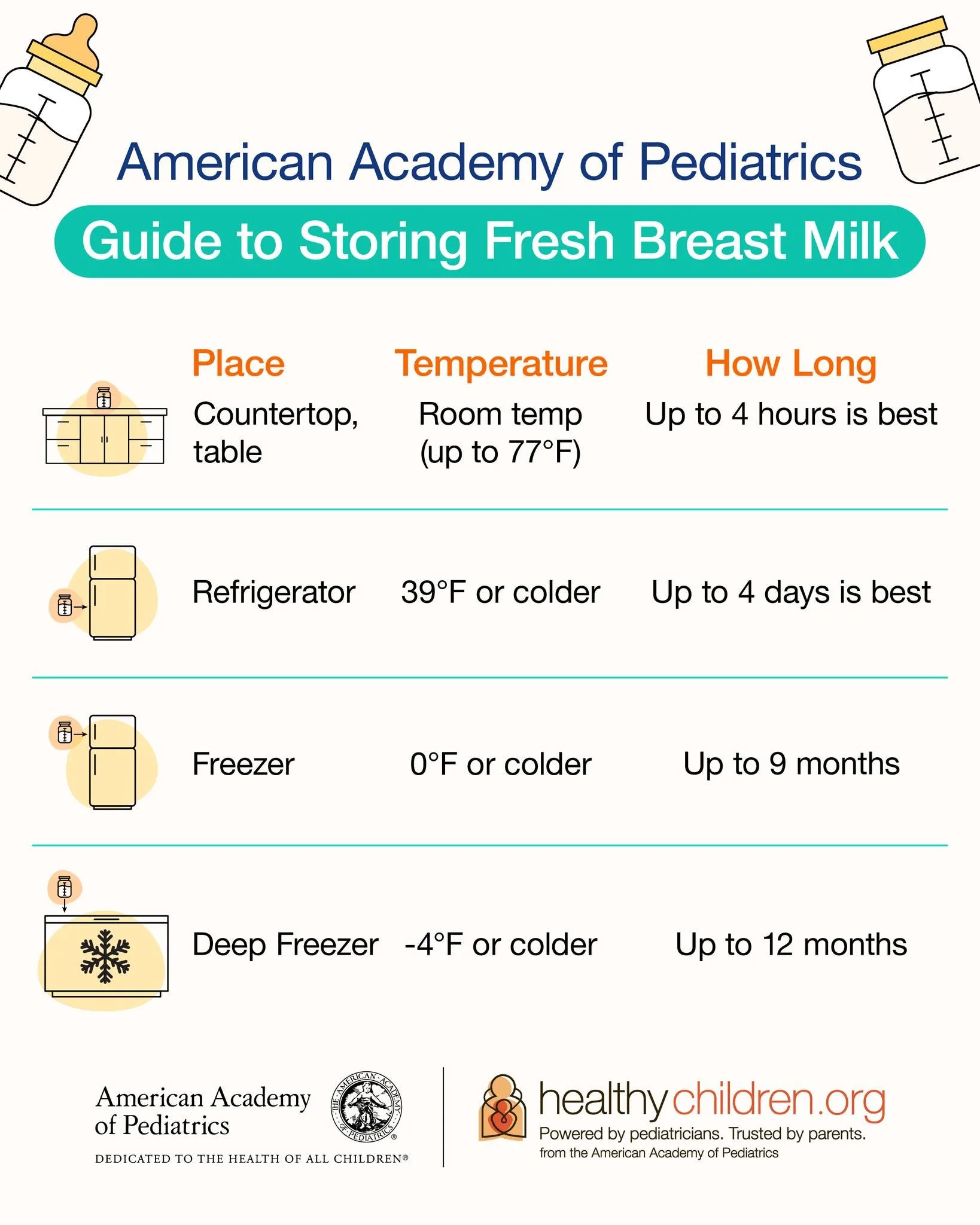
To make things easier, pediatricians often recommend remembering the “Rule of 4s”—a simple, evidence-based way to safely store fresh breast milk.

The Rule of 4s for Breast Milk Storage

Here’s a quick breakdown to help you store breast milk with confidence:

🍼 Room Temperature

  • Where: Countertop or table

  • Temperature: Up to 77°F

  • How long: Up to 4 hours (best)

Freshly pumped breast milk can safely stay at room temperature for short periods, making it convenient for feeding sessions or quick transitions.

❄️ Refrigerator

  • Temperature: 39°F or colder

  • How long: Up to 4 days (best)

Store breast milk toward the back of the refrigerator—not in the door—to maintain a consistent temperature.

🧊 Freezer

  • Temperature: 0°F or colder

  • How long: Up to 9 months

Freezing breast milk is a great option for building a supply ahead of time. Label each container with the date it was pumped so you can use the oldest milk first.

🧊 Deep Freezer

  • Temperature: -4°F or colder

  • How long: Up to 12 months

Deep freezers provide the longest storage time and are ideal for parents who pump regularly or are preparing to return to work.

Helpful Storage Tips for Parents

  • Always use clean bottles or breast milk storage bags

  • Clearly label milk with the date it was pumped

  • Avoid refreezing thawed breast milk

  • Gently swirl thawed milk instead of shaking it

If you’re ever unsure whether stored milk is still safe, it’s okay to pause and ask your pediatrician.

We’re Here to Support You

Every feeding journey is different, and questions about pumping, storing, and feeding breast milk are completely normal—especially in the early months.

If you’d like guidance tailored to your baby, The Children’s Clinic is here to help families across Jackson, TN and West Tennessee.

📞 Call us at 731-423-1500 to speak with our team.

Holiday Travel with Kids: Pediatrician-Approved Tips for a Safer, Calmer Season

Holiday travel can be full of excitement—family gatherings, special traditions, and memories your children will carry for years. But for parents, traveling with kids often comes with a long list of worries: flight delays, packed highways, schedule disruptions, and keeping little ones comfortable, healthy, and safe along the way.

If the thought of traveling with kids this holiday season sends chills down your spine, you’re not alone. At The Children’s Clinic, we hear this concern from families across Jackson, TN and West Tennessee every year. The good news is that a little preparation—and a few pediatrician-approved strategies—can go a long way toward making holiday travel smoother and safer for everyone.

Below are practical, realistic tips to help reduce stress, protect your child’s health, and keep holiday travel from becoming overwhelming.

Start with Health and Prevention

Before packing bags or booking tickets, it’s important to think about your child’s health.

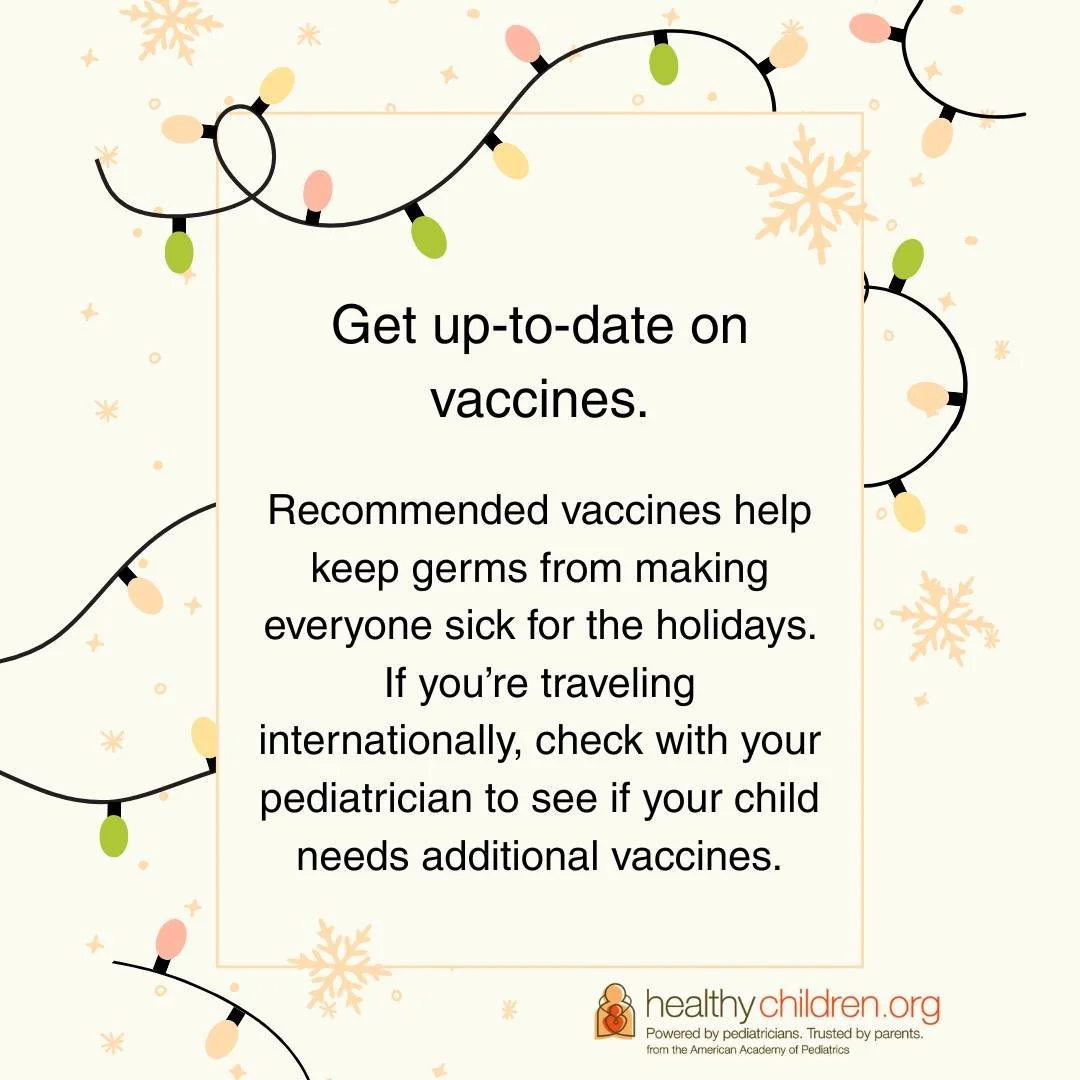
Get Up-to-Date on Vaccines

Holiday travel often means exposure to larger crowds, whether you’re flying, stopping at rest areas, or attending family gatherings. Making sure your child is up to date on recommended vaccines helps protect them—and everyone around them—from seasonal illnesses.

If you’re traveling internationally, some destinations may require additional vaccines. A quick check-in with your pediatrician can help ensure your child is protected before you leave.

Prepare for Air Travel Challenges

Flying with kids adds a unique set of concerns, especially during busy holiday seasons.

Help Prevent Ear Pain

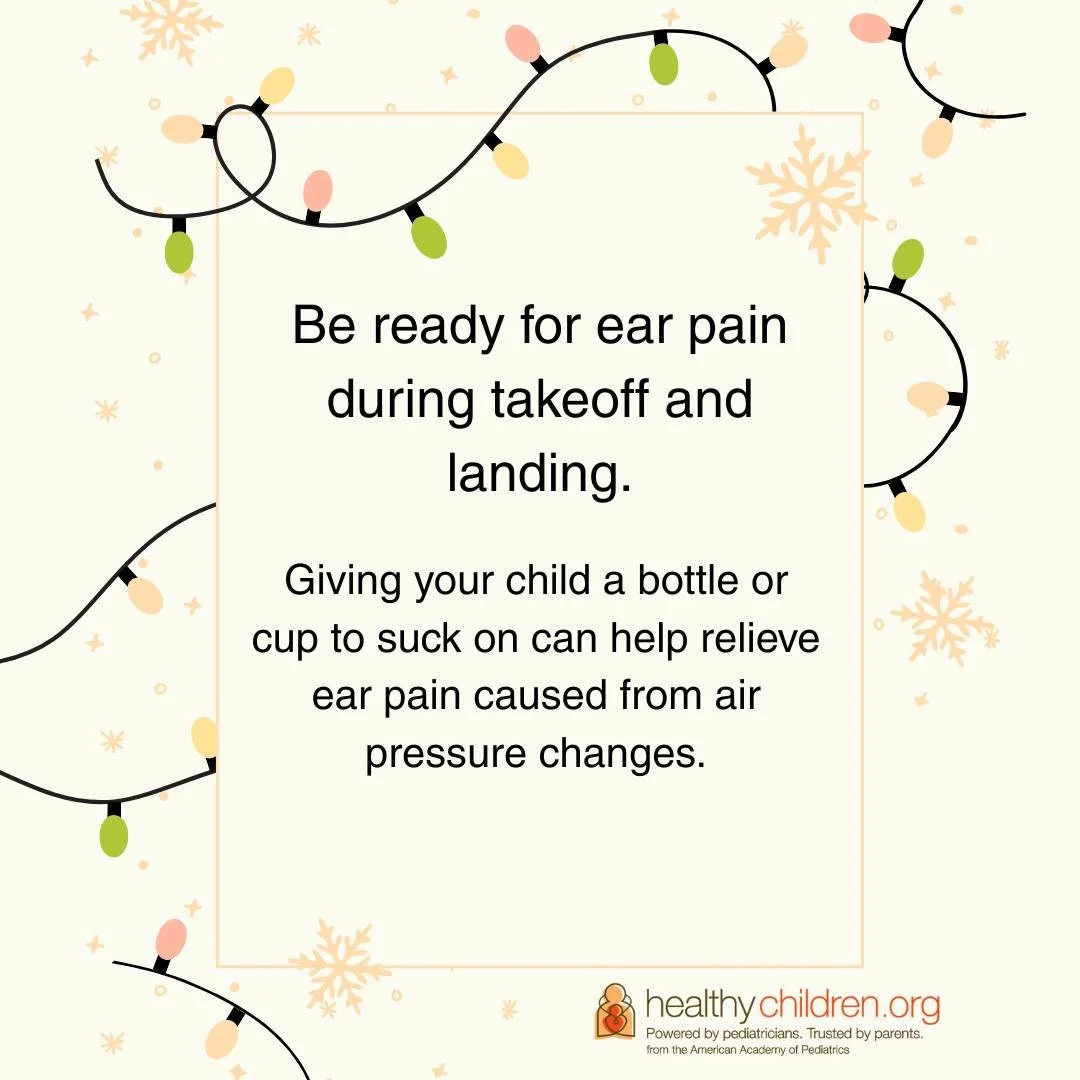
Changes in air pressure during takeoff and landing can cause ear discomfort for babies and young children. Offering a bottle, pacifier, or cup to suck on during these moments can help relieve pressure and reduce pain.

For older children, chewing gum or sipping water can have a similar effect.

Expect Delays—and Plan for Them

Flight delays happen more often during the holidays. Pack extra snacks, diapers, wipes, medications, and comfort items in your carry-on so you’re not caught unprepared.

Use the Right Car Seat—Every Time

Whether you’re driving long distances or flying and renting a car, proper car seat use is critical.

Choose the Correct Car Seat

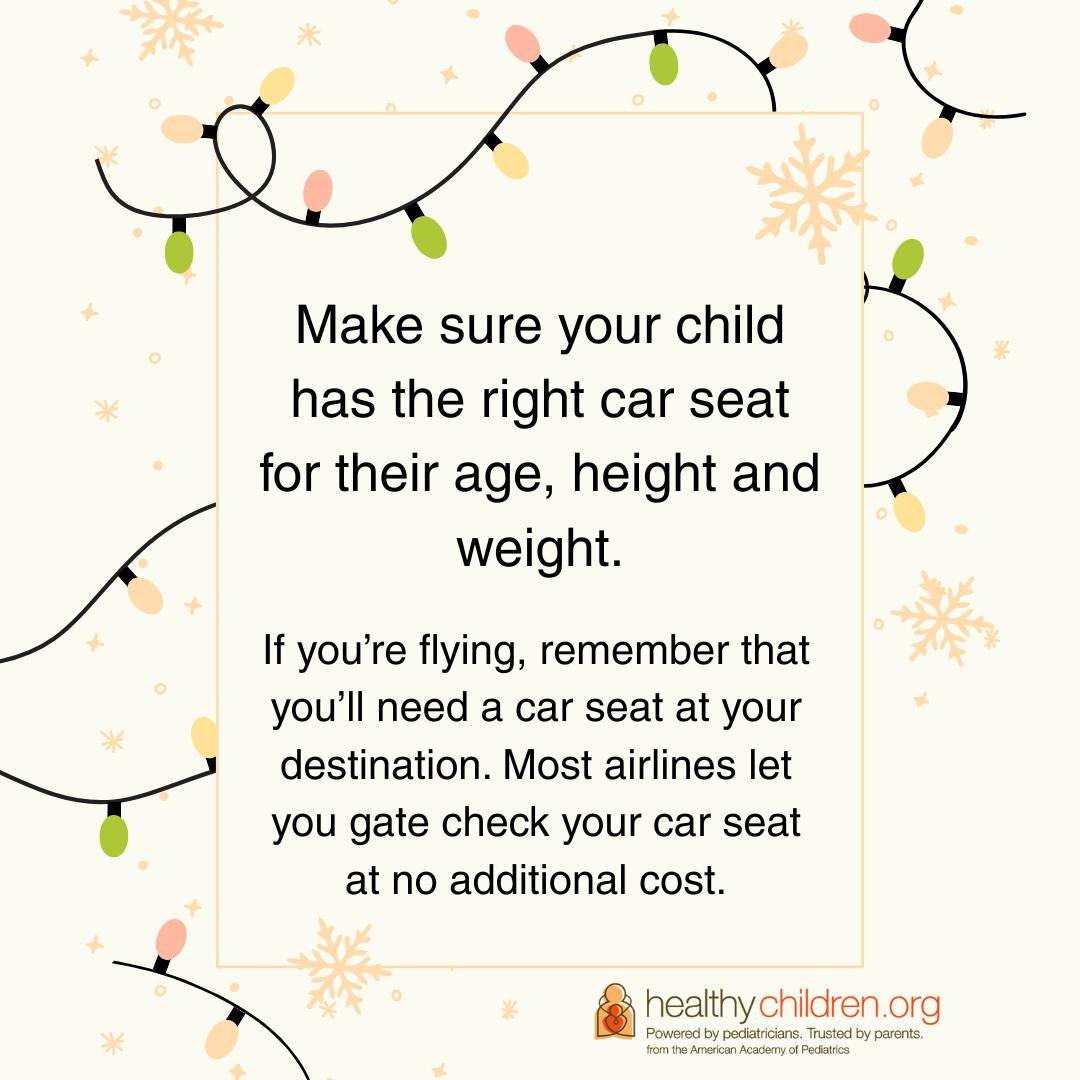
Make sure your child’s car seat is appropriate for their age, height, and weight. If you’re flying, remember that you’ll still need a car seat at your destination. Many airlines allow you to gate-check a car seat at no additional cost.

Dress for Safety

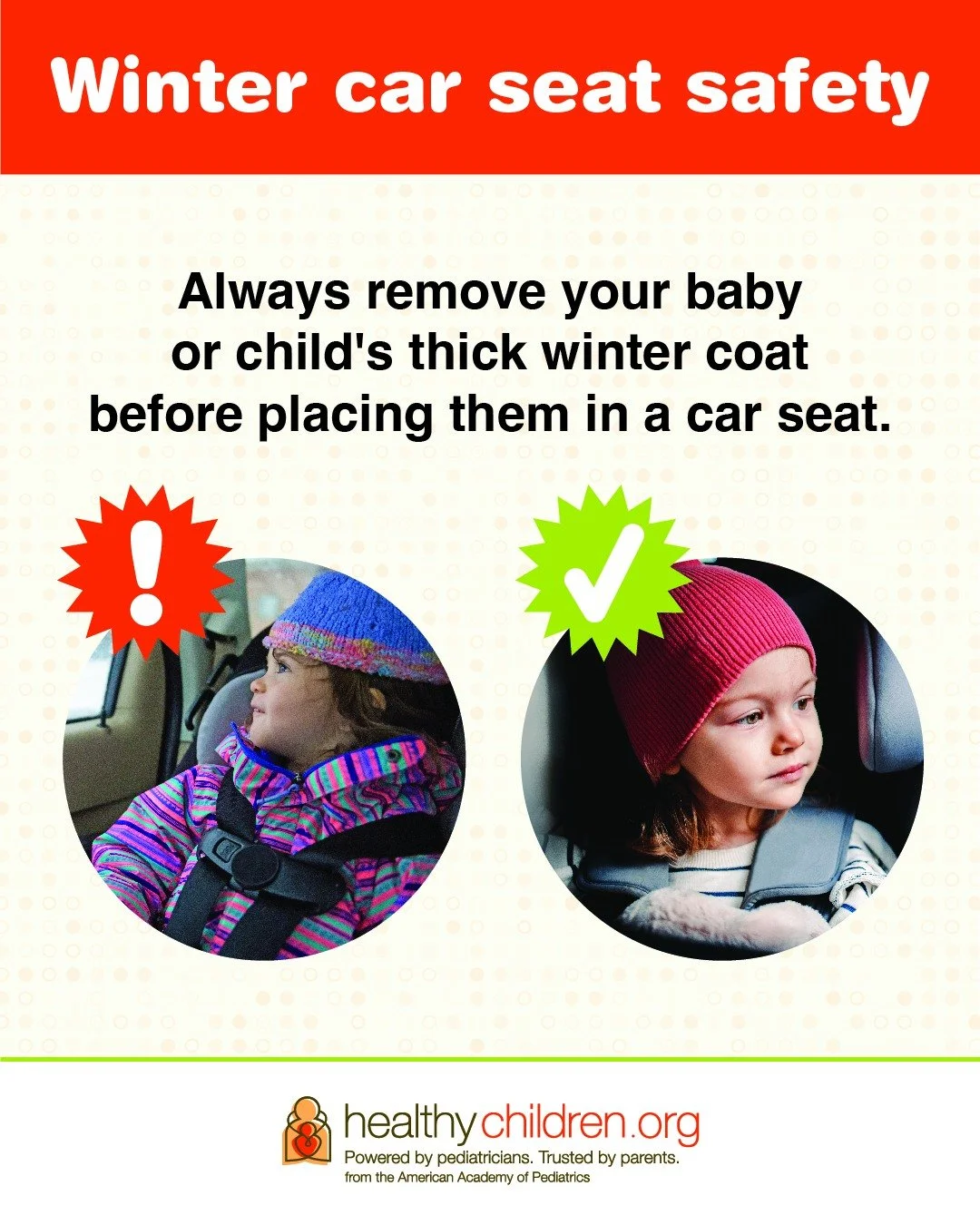
Winter layers are helpful for warmth—but bulky coats should always be removed before placing your child in a car seat. Thick padding can compress during a crash, creating dangerous slack in the harness. Instead, buckle your child snugly and place a blanket over them for warmth after they’re secured.

Balance Screen Time (Yes, It’s Okay on Travel Days)

Travel days aren’t normal days—and that’s okay.

Flex Screen Time Rules

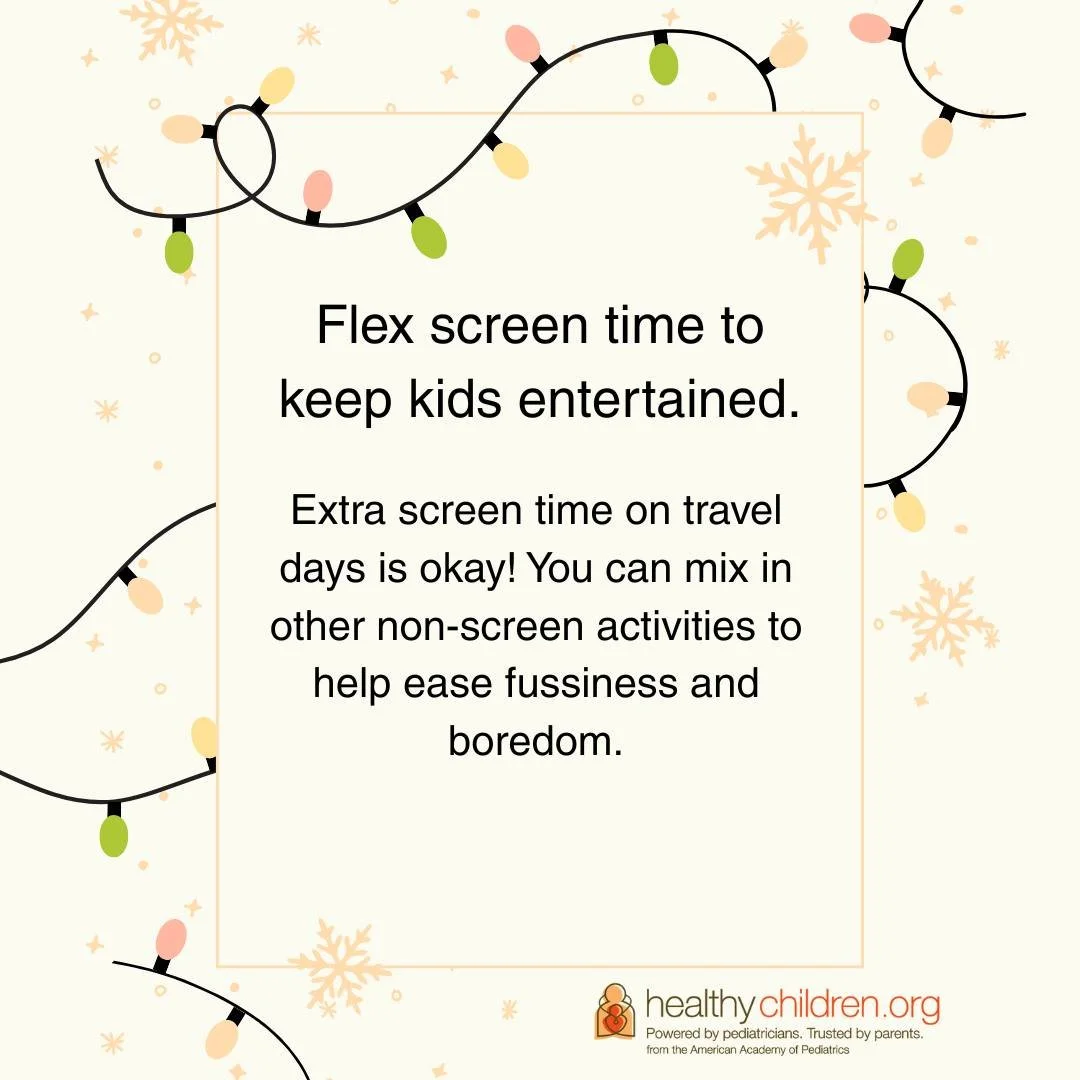
Extra screen time during travel is perfectly reasonable. Tablets, movies, or educational games can help pass the time and reduce fussiness. Mixing screen time with non-screen activities like books, coloring, or simple games can help keep kids engaged without overstimulation.

Dress in Layers for Comfort

Travel often means moving between cold outdoor temperatures and warm cars, airports, or homes.

Layer Smartly

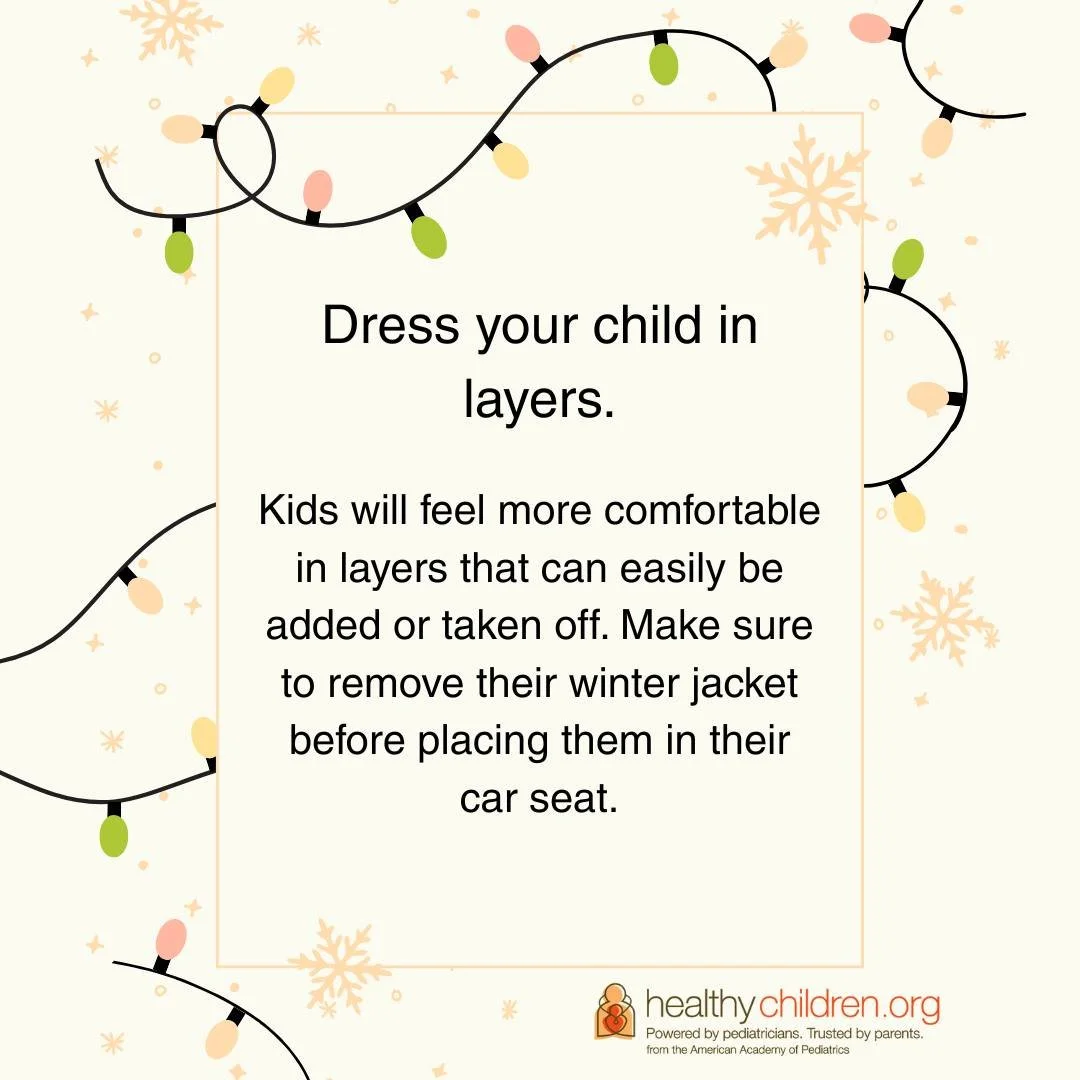
Dress children in layers that are easy to remove or add as needed. This helps regulate body temperature and keeps kids comfortable throughout the trip. Just remember to remove heavy jackets before buckling them into car seats.

Keep Routines Flexible—but Familiar

Kids thrive on routine, but travel naturally disrupts schedules.

Stick to Key Comforts

Bringing familiar items—like a favorite blanket, stuffed animal, or bedtime book—can help children feel secure in new environments. When possible, keep sleep and meal routines close to normal, but allow flexibility when needed.

Cold Weather Safety Matters

If your travels include time outdoors, cold weather safety is essential—especially for babies and young children.

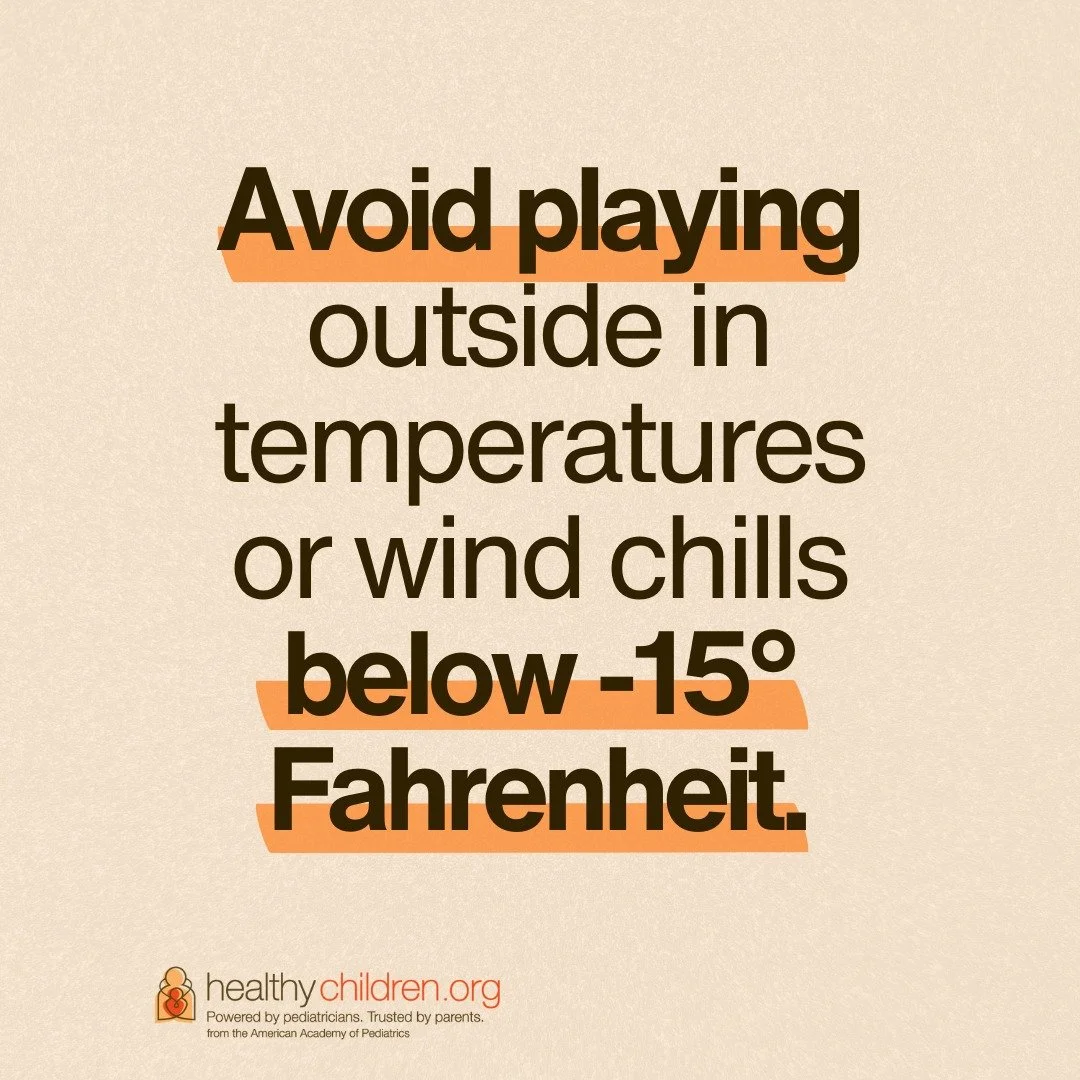
Babies lose heat more quickly than adults, which increases their risk for hypothermia and frostbite. Avoid outdoor play when temperatures or wind chills drop below -15°F, as exposed skin can freeze within minutes. If you must go outside, dress children in warm layers, hats, mittens, and insulated footwear.

Stay Calm—Kids Pick Up on Your Energy

Travel stress is contagious. Kids often mirror how adults respond to challenges.

When delays or hiccups happen, taking a deep breath and staying calm can help reassure your child that everything is okay. Remember, perfection isn’t the goal—safe, connected travel is.

When to Call Your Pediatrician

If you have concerns about traveling with a child who has special health needs, recent illness, or ongoing conditions, it’s always a good idea to check in with your pediatrician before your trip.

At The Children’s Clinic, our team is here to support families across Jackson, TN and West Tennessee, whether you’re preparing for holiday travel or returning home afterward.

We’re Here for Your Family This Holiday Season

Holiday travel doesn’t have to be overwhelming. With a little preparation and guidance, you can focus less on stress and more on making meaningful memories with your children.

If you have questions about travel safety, vaccines, car seats, cold weather concerns, or your child’s health, don’t hesitate to reach out.

The Children’s Clinic
📍 Serving Jackson, TN & West Tennessee
📞 731-423-1500

When It’s Too Cold to Play: Protecting Babies and Young Children from Extreme Winter Weather

Winter in West Tennessee doesn’t always bring long stretches of snow and ice—but when temperatures plunge, they can become dangerous very quickly, especially for babies and young children. Cold weather affects kids differently than adults, and understanding when it’s too cold to play outside can help prevent serious health risks like frostbite and hypothermia.

At The Children’s Clinic in Jackson, TN, we want parents to feel confident making safe decisions during extreme winter weather. One important guideline to remember: babies and young children should not play outside when temperatures or wind chills fall below -15°F. At these levels, exposed skin can freeze in just minutes.

Why Babies Lose Heat Faster Than Adults

Babies are not just “small adults.” Their bodies work differently, especially when it comes to regulating temperature.

Infants and young children:

  • Have a higher body surface area compared to their weight

  • Lose heat more rapidly through their skin

  • Cannot shiver effectively to warm themselves

  • Rely entirely on caregivers to recognize and respond to cold stress

Because of these factors, babies can become dangerously cold much faster than adults—even if they’re bundled up.

Understanding Frostbite and Hypothermia

Cold-related injuries can happen quickly, particularly during extreme temperatures or high winds.

Frostbite occurs when skin and underlying tissues freeze. It most commonly affects fingers, toes, ears, cheeks, and noses. Early signs may include:

  • Pale or grayish skin

  • Cold, hard, or numb areas

  • Tingling or burning sensations

Hypothermia happens when the body loses heat faster than it can produce it, causing body temperature to drop below normal. In babies and young children, symptoms may include:

  • Cold or pale skin

  • Lethargy or unusual sleepiness

  • Weak cry or poor feeding

  • Shallow or slow breathing

Both conditions are medical emergencies and require immediate attention.

Why -15°F Is a Critical Threshold

When temperatures or wind chills drop below -15°F, the risk increases dramatically. At this level:

  • Exposed skin can begin freezing in minutes

  • Wind chill accelerates heat loss

  • Heavy clothing may not provide enough protection

Even short outdoor exposure—such as playing briefly, waiting for a bus, or walking from the car to a building—can be unsafe for babies and young children in these conditions.

Wind Chill Matters More Than the Thermometer

Parents often check the temperature but overlook wind chill. Wind strips heat from the body, making it feel much colder than the actual temperature.

For example:

  • A temperature of 5°F with strong wind can feel like -15°F

  • Calm days are safer than windy ones, even at the same temperature

Always check the wind chill value, not just the air temperature, before taking children outside.

Cold Weather Safety Tips for Parents

When winter weather hits Jackson and surrounding West Tennessee communities, these steps can help keep children safe:

Limit Outdoor Play

  • Keep babies indoors during extreme cold

  • Shorten outdoor time for older children

  • Avoid outdoor play entirely below -15°F wind chill

Dress Smart (But Not Too Tight)

  • Use multiple thin layers instead of one bulky layer

  • Make sure hats cover ears completely

  • Use mittens instead of gloves for better warmth

Protect Exposed Skin

  • Cover cheeks, noses, and hands

  • Avoid leaving skin uncovered in freezing temperatures

Watch Closely

  • Check skin frequently for redness or paleness

  • Bring children inside immediately if they seem uncomfortable

Why Babies Are Especially Vulnerable

Infants can’t tell you when they’re cold. They may not cry or fuss right away, and early signs of cold stress can be subtle. This makes prevention especially important.

Babies should never sleep outdoors in extreme cold and should not be taken outside unnecessarily when temperatures are dangerously low.

Indoor Activities Are the Safer Choice

On extremely cold days, indoor play is the safest option. Reading, floor play, music, and interactive games allow babies and toddlers to stay active without exposure to dangerous temperatures.

If cabin fever sets in, remember that even a few days indoors is far safer than risking cold-related injury.

What to Do If You’re Concerned

If your child has been exposed to extreme cold and you notice:

  • Pale, gray, or bluish skin

  • Unusual sleepiness or weakness

  • Cold skin that doesn’t warm quickly

Seek medical care immediately.

Trusted Pediatric Care for West Tennessee Families

At The Children’s Clinic, our pediatricians are here to help parents navigate seasonal safety concerns—from winter weather to year-round child health. We proudly care for families throughout Jackson and West Tennessee, offering guidance you can trust.

If you ever have questions about cold weather safety, frostbite, hypothermia, or your child’s health, don’t hesitate to reach out.

Contact The Children’s Clinic

📍 The Children’s Clinic
📍 Serving Jackson & West Tennessee
📞 Phone: 731-423-1500

Winter Car Seat Safety: Why Bulky Coats Can Put Children at Risk

When temperatures drop in West Tennessee, parents naturally bundle their children up before heading out the door. Thick winter coats, puffy jackets, and snowsuits feel like the best way to keep little ones warm. But when it comes to car seat safety, those bulky layers can actually increase the risk of injury.

At The Children’s Clinic in Jackson, TN, we often talk with parents who are surprised to learn that winter coats should not be worn under a car seat harness. Understanding why — and knowing safer alternatives — can help protect your child every time you drive.

Why Winter Coats and Car Seats Don’t Mix

Car seats are designed to keep children safe by holding them snugly in place during sudden stops or crashes. The harness works by sitting close to the child’s body, distributing force across strong areas like the shoulders and chest.

Bulky winter coats interfere with that design.

In a crash, the fluffy padding inside thick coats compresses instantly. When that padding flattens, it creates extra space between your child and the harness. Even if the straps felt tight before you started driving, they may become dangerously loose in an accident.

That extra space increases the risk of:

  • Your child slipping partially or fully out of the harness

  • Excessive movement of the head and neck

  • Serious injury during a collision

For babies and toddlers, whose bodies are still developing, this risk is especially concerning.

The Hidden Danger Parents Don’t See

Many parents do a quick “tightness check” before driving and assume everything is secure. The problem is that winter coats don’t behave the same way in a crash as they do when your child is sitting still.

The padding that keeps kids warm is full of air. Under the force of a collision, that air is pushed out almost instantly. What remains is a loose harness that no longer provides proper protection.

This is why car seat safety experts — including pediatricians and child passenger safety technicians — strongly advise removing thick coats before buckling children into their seats.

How to Tell If a Coat Is Too Bulky

A simple test can help parents understand the issue:

  1. Buckle your child into their car seat while wearing the coat

  2. Tighten the harness as you normally would

  3. Unbuckle your child without loosening the straps

  4. Remove the coat

  5. Buckle your child back in

If the harness now feels loose, the coat was creating a false sense of security.

In most cases, parents are surprised by how much slack appears once the coat is removed.

Safe Alternatives to Keep Kids Warm in the Car

The good news is that keeping your child safe doesn’t mean letting them freeze. There are several safe ways to keep kids warm without compromising car seat safety:

Dress in Thin, Warm Layers

Choose fleece jackets, thin hoodies, or snug sweaters instead of bulky coats. These provide warmth without interfering with the harness.

Use Blankets After Buckling

Once your child is properly buckled in, you can place a blanket over them. This keeps them warm without affecting harness tightness.

Car Seat Covers Designed for Safety

Some car seat covers are specifically designed to go over the harness after buckling. Always check manufacturer guidelines to ensure compatibility.

Warm the Car First

When possible, start the car a few minutes early to let it warm up before placing your child inside.

What About Infants and Newborns?

Infants are especially vulnerable because their necks and spines are still developing. For babies in rear-facing car seats:

  • Avoid thick bunting suits or padded jackets under the harness

  • Use thin layers and hats

  • Place a blanket over the harness after buckling

If you’re unsure whether your baby’s clothing is safe for their car seat, your pediatrician can help guide you.

Winter Travel Tips for West Tennessee Families

Cold weather in Jackson and throughout West Tennessee can be unpredictable. One day may feel mild, while the next brings freezing temperatures. Preparing ahead can make winter travel safer and less stressful:

  • Keep extra blankets in the car

  • Dress children in removable layers

  • Double-check harness fit every ride

  • Never place padding or inserts behind the child unless approved by the car seat manufacturer

Consistency is key — even short drives require proper car seat use.

Why Pediatricians Emphasize Car Seat Safety

Motor vehicle accidents remain one of the leading causes of injury for children. Proper car seat use dramatically reduces the risk of serious harm, especially for infants and young children.

At The Children’s Clinic, we believe that small changes — like removing a winter coat — can make a big difference in protecting your child’s health and safety.

If you ever have questions about car seat safety, winter travel, or child development, we’re here to help.

Talk With Your Pediatrician

If you’re unsure whether your child’s car seat is fitted correctly, or if you’d like guidance on safe winter clothing options, don’t hesitate to ask during your next visit.

The Children’s Clinic proudly serves families throughout West Tennessee, including Jackson, TN.

Contact The Children’s Clinic

📍 The Children’s Clinic
📍 Serving Jackson & West Tennessee
📞 Phone: 731-423-1500