
Kratom: What Parents Need to Know

You may have heard the word kratom recently — in the news, on social media, or even from your teen. Kratom is gaining popularity in the U.S., including among teenagers, and it’s often marketed as a “natural” product. It’s sold openly in some stores and online, sometimes in forms that look harmless, like gummies or drink mixes.

But just because something comes from a plant doesn’t mean it’s safe — especially for kids and teens.

Here’s what parents in Jackson, Madison County, and surrounding areas need to know about kratom and how to talk with their teens about it.

What Is Kratom?

Kratom comes from the leaves of the Mitragyna speciosa tree, which is native to Southeast Asia. In the U.S., it’s commonly sold as capsules, powders that can be mixed into drinks, or candy-like gummies. You may also hear it called biak or herbal speedball.

Because it’s marketed as an herbal or natural product, many teens (and adults) mistakenly believe it’s safe.

What Does Kratom Do to the Body?

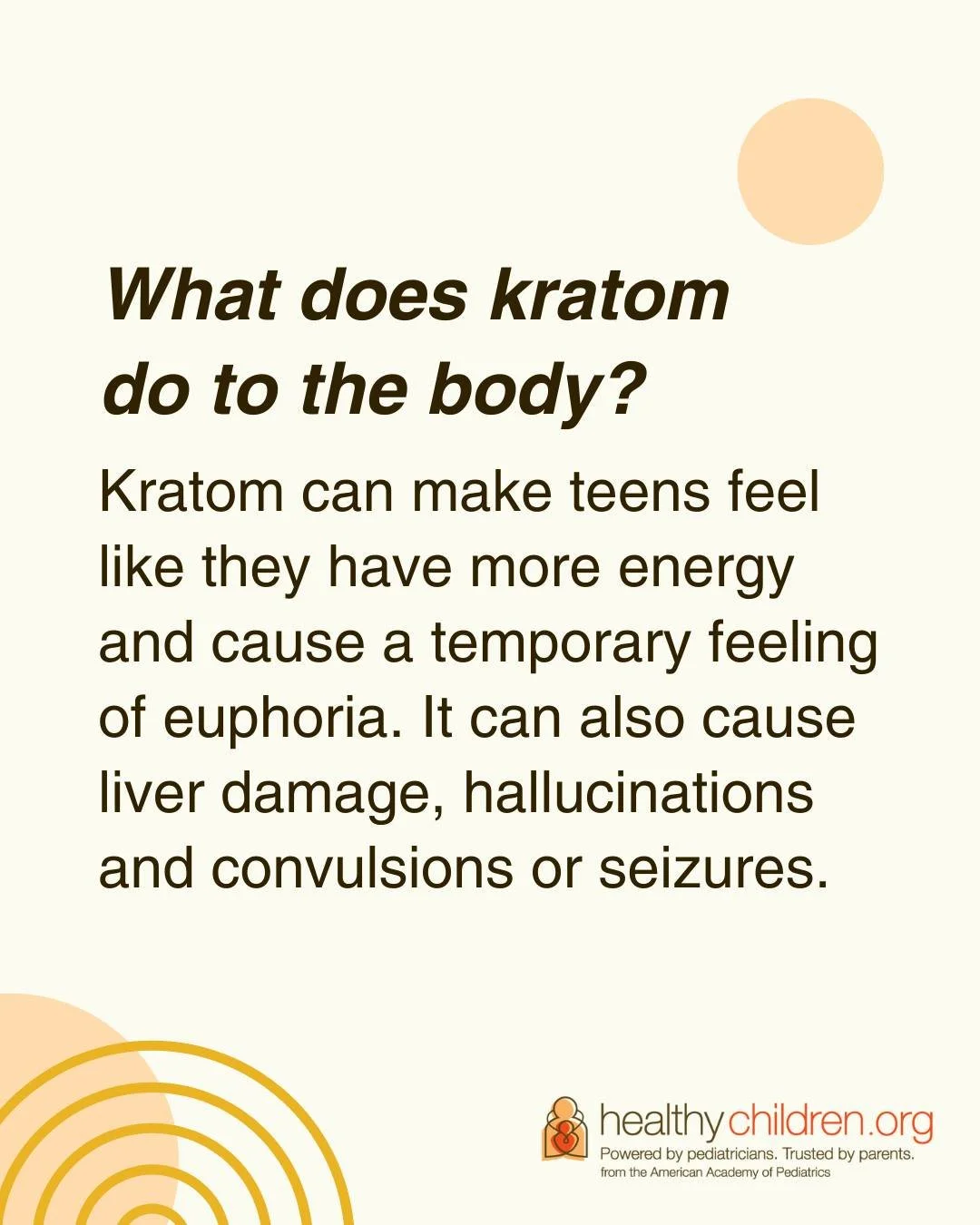
Kratom affects the brain and body in ways that can be unpredictable. Some teens report feeling more energy or a temporary sense of euphoria. However, those short-term effects can come with serious risks.

Kratom use has been linked to dangerous side effects, including liver damage, hallucinations, and seizures. In some cases, it can cause severe health emergencies that require immediate medical attention.

“If It’s Natural, Is It Safe?”

This is one of the most common — and important — questions parents ask.

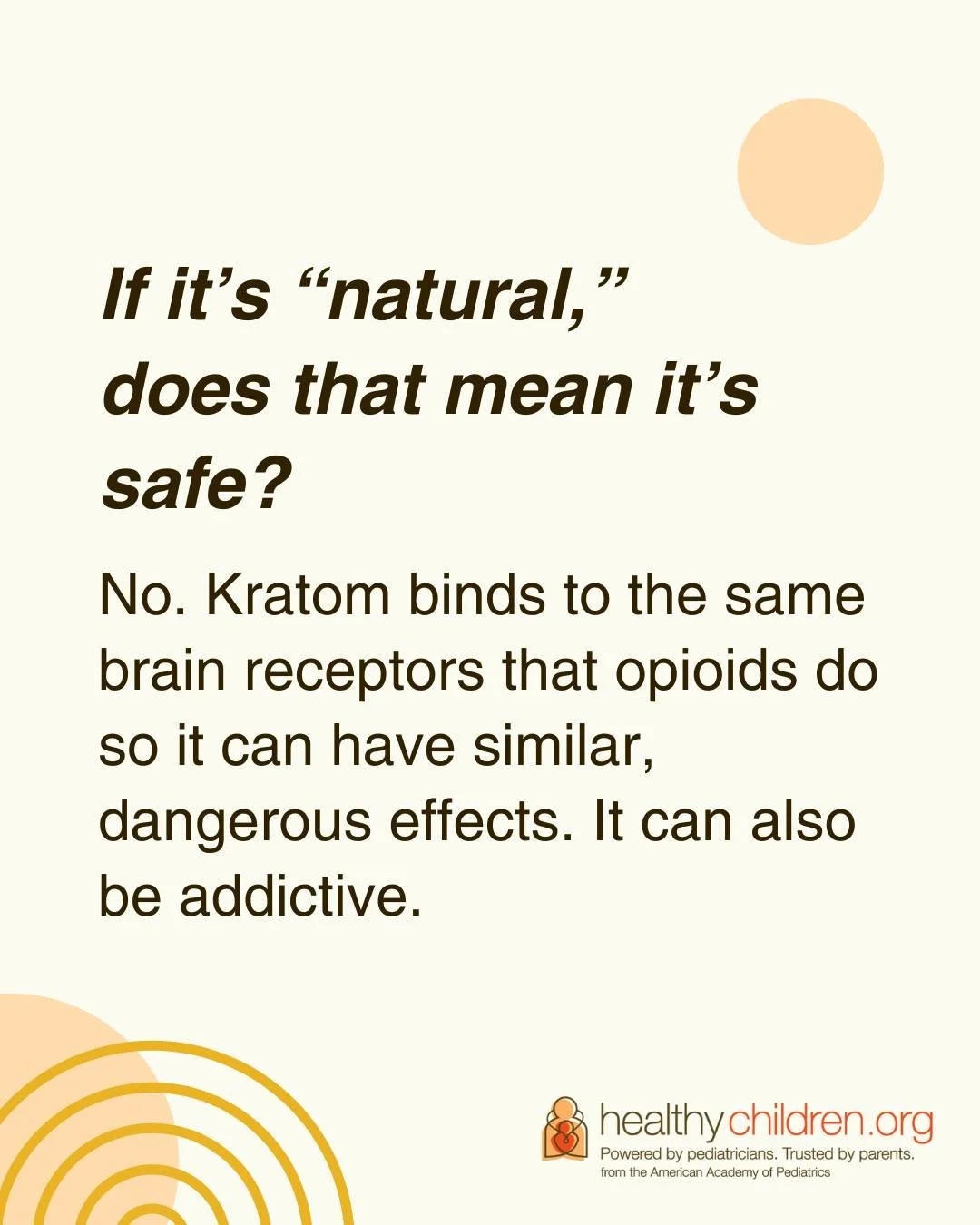
The answer is no. Kratom binds to the same brain receptors as opioids, which means it can have similar and dangerous effects. It can also be addictive, especially with repeated use.

Because kratom products are not well regulated, there’s no reliable way to know how strong a product is or what else might be mixed into it. This makes the risk even higher for teens.

Why Teens May Be Drawn to Kratom

Kratom is often marketed as a way to boost energy, reduce stress, or help with mood — messages that can be especially appealing to teens dealing with school pressure, social stress, or anxiety. The way it’s sold, particularly as gummies or flavored drinks, can make it seem harmless or “no big deal.”

What Should I Do If I’m Concerned About My Teen?

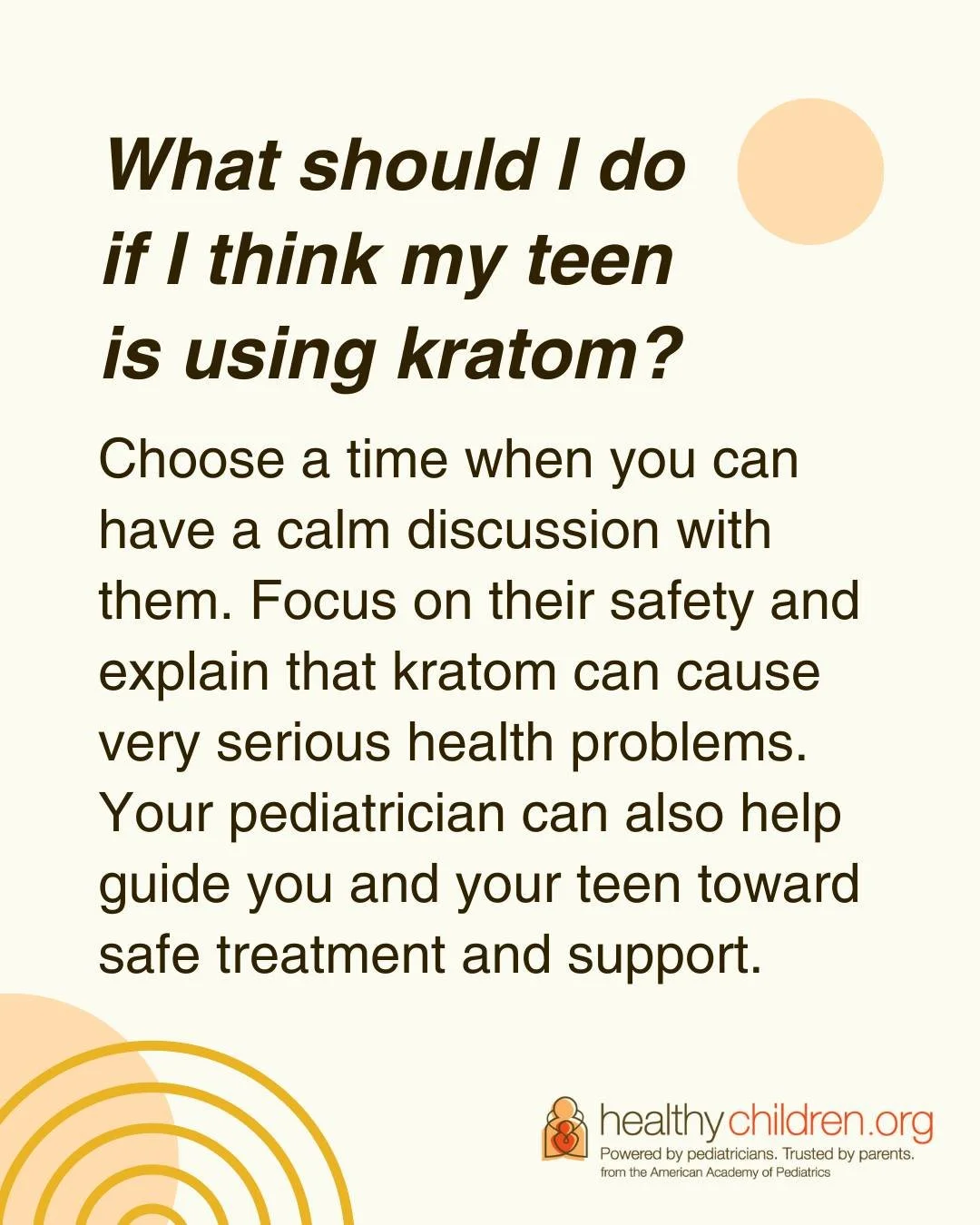
If you think your teen may be using kratom, try to choose a time when you can have a calm, open conversation. Focus on their safety rather than punishment. Let them know you’re concerned because you care, and explain that kratom can cause very serious health problems.

You don’t have to handle this alone. Your pediatrician can help guide both you and your teen toward safe next steps, support, and treatment options if needed.

We’re Here to Help

Staying informed is one of the best ways parents can protect their children. If you have questions about kratom, substance use, or your teen’s health, talk with your pediatrician.

📍 The Children’s Clinic
264 Coatsland Drive
Jackson, TN 38301

📞 731-423-1500

Our team is here to support families in Jackson, Madison County, and nearby communities — and to help keep kids and teens safe and healthy.
Why the Flu Vaccine Still Matters This Season

Flu season isn’t over — and there’s still time to protect your child.

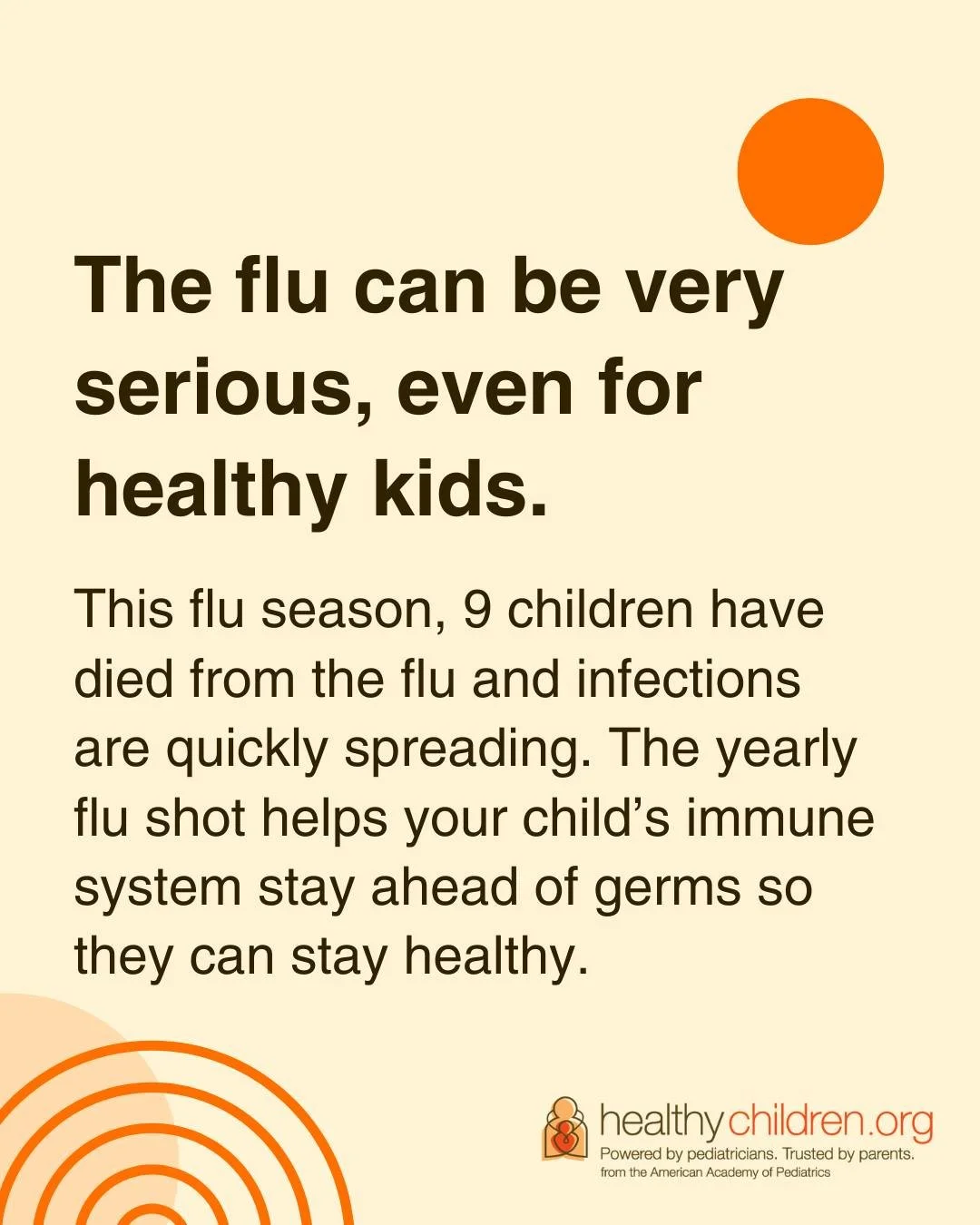
Each year, influenza spreads quickly through schools, daycares, and communities. While many children recover at home, the flu can be very serious, even for otherwise healthy kids. This season alone, nine children have died from flu-related illness, and infections continue to spread.

That’s why the yearly flu vaccine remains one of the most important tools we have to keep children healthy.

Why the Flu Can Be Serious for Kids

The flu is more than just a bad cold. It can lead to complications like pneumonia, dehydration, and worsening of existing medical conditions. Children are especially vulnerable because their immune systems are still developing, and they’re often in close contact with others at school and activities.

Even healthy kids can become very sick — and they can spread the virus to infants, grandparents, and others who may be at higher risk.

How the Flu Shot Helps

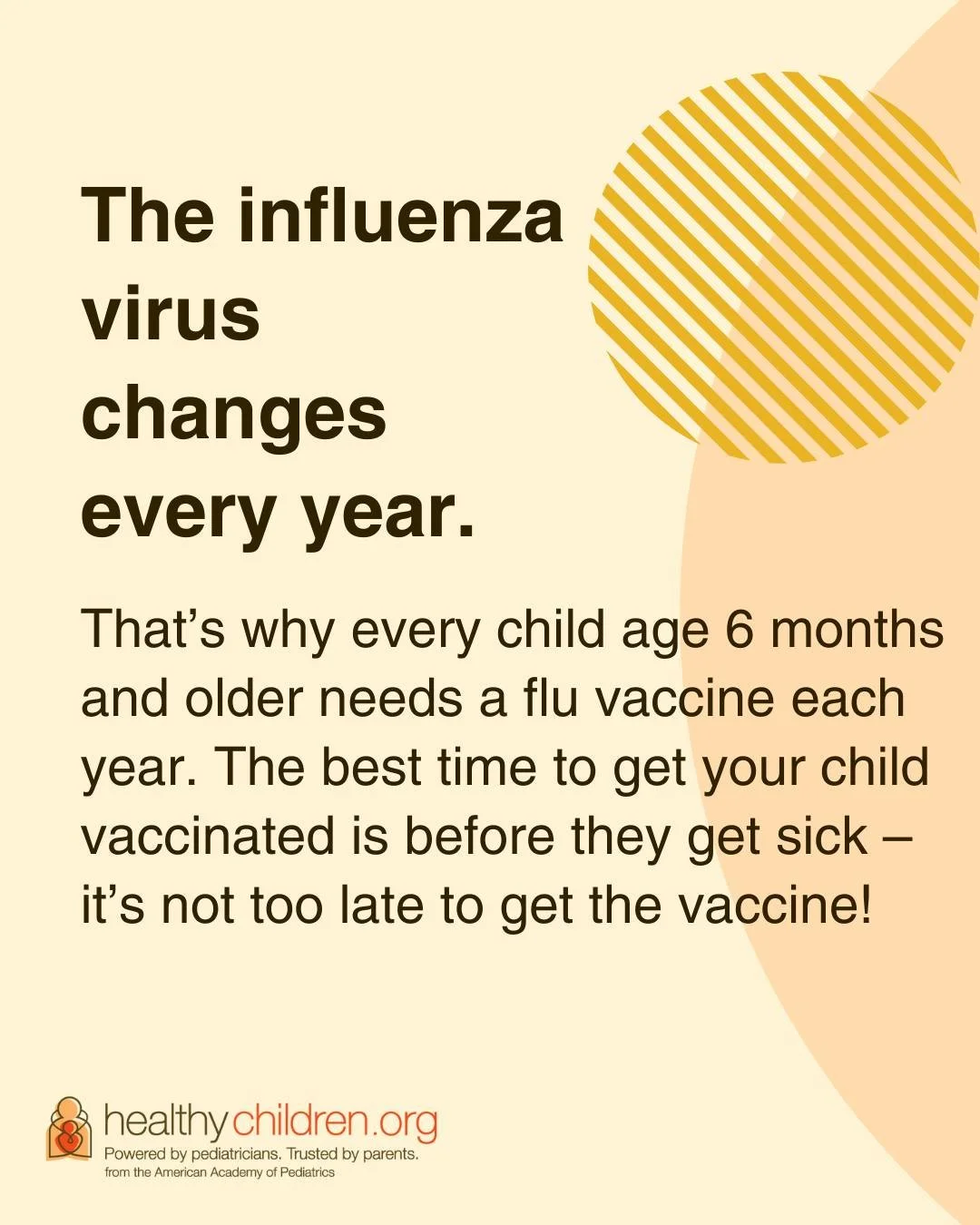
The flu virus changes every year, which is why a yearly flu vaccine is so important. The vaccine helps your child’s immune system recognize and fight the virus more effectively, lowering the risk of severe illness.

Children who get vaccinated are more likely to:

  • Miss fewer school days

  • Recover faster if they do get sick

  • Avoid serious flu-related complications

Getting vaccinated helps kids stay in school, enjoy playdates, participate in sports, and keep doing the things they love.

It’s Not Too Late

If your child hasn’t received their flu shot yet, it’s not too late to schedule one. Even later in the season, vaccination can provide important protection as flu activity continues.

If you have questions or concerns about the flu vaccine, your pediatrician is here to help you make an informed decision that’s right for your family.

📍 The Children’s Clinic
264 Coatsland Drive
Jackson, TN 38301

📞 731-423-1500

Helping Kids Build Healthier Digital Habits

Screens are everywhere — phones, tablets, TVs, school devices — and for many families, screen use can start to feel overwhelming or out of control. If you’ve ever wondered how to set boundaries without constant battles, you’re not alone.

The goal isn’t to eliminate screens entirely. It’s to help children build healthy, balanced digital habits that leave room for connection, conversation, and downtime.

When Screen Time Starts to Feel Like Too Much

Many parents notice that too much screen time can crowd out important moments — family conversations, outdoor play, creative time, or even sleep. Screens can also make it harder for kids to practice social skills and stay present with the people around them.

That’s where simple boundaries can make a big difference.

Create “Tech-Free” Zones

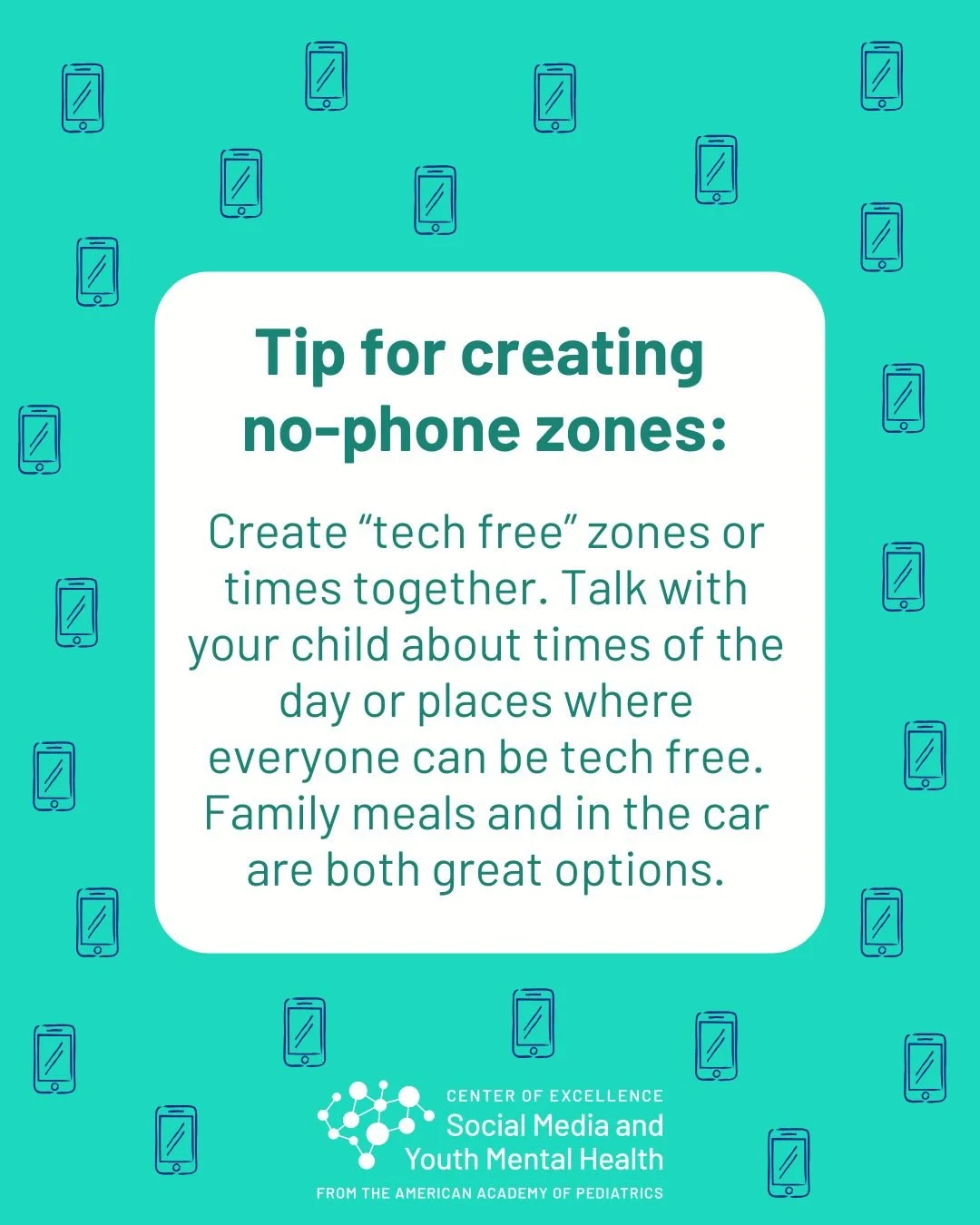
One helpful strategy is creating tech-free zones or tech-free times in your home. These are places or moments where everyone — kids and adults — puts screens away.

Family meals are a great place to start. Sitting down together without phones encourages conversation, eye contact, and connection. Car rides can also be a valuable tech-free time, offering space for talking, listening to music together, or simply being present.

The key is consistency and communication. Talk with your child about why these boundaries matter and decide together which times or places make the most sense for your family.

Focus on Connection, Not Perfection

Healthy digital habits aren’t about strict rules or perfection. They’re about balance. Tech-free zones help protect time for in-person interaction, emotional connection, and everyday moments that matter.

If screen use ever feels overwhelming, small changes can go a long way.

If you have questions about screen time, digital habits, or your child’s development, your pediatrician is a great place to start the conversation.

📍 The Children’s Clinic
264 Coatsland Drive
Jackson, TN 38301

📞 731-423-1500

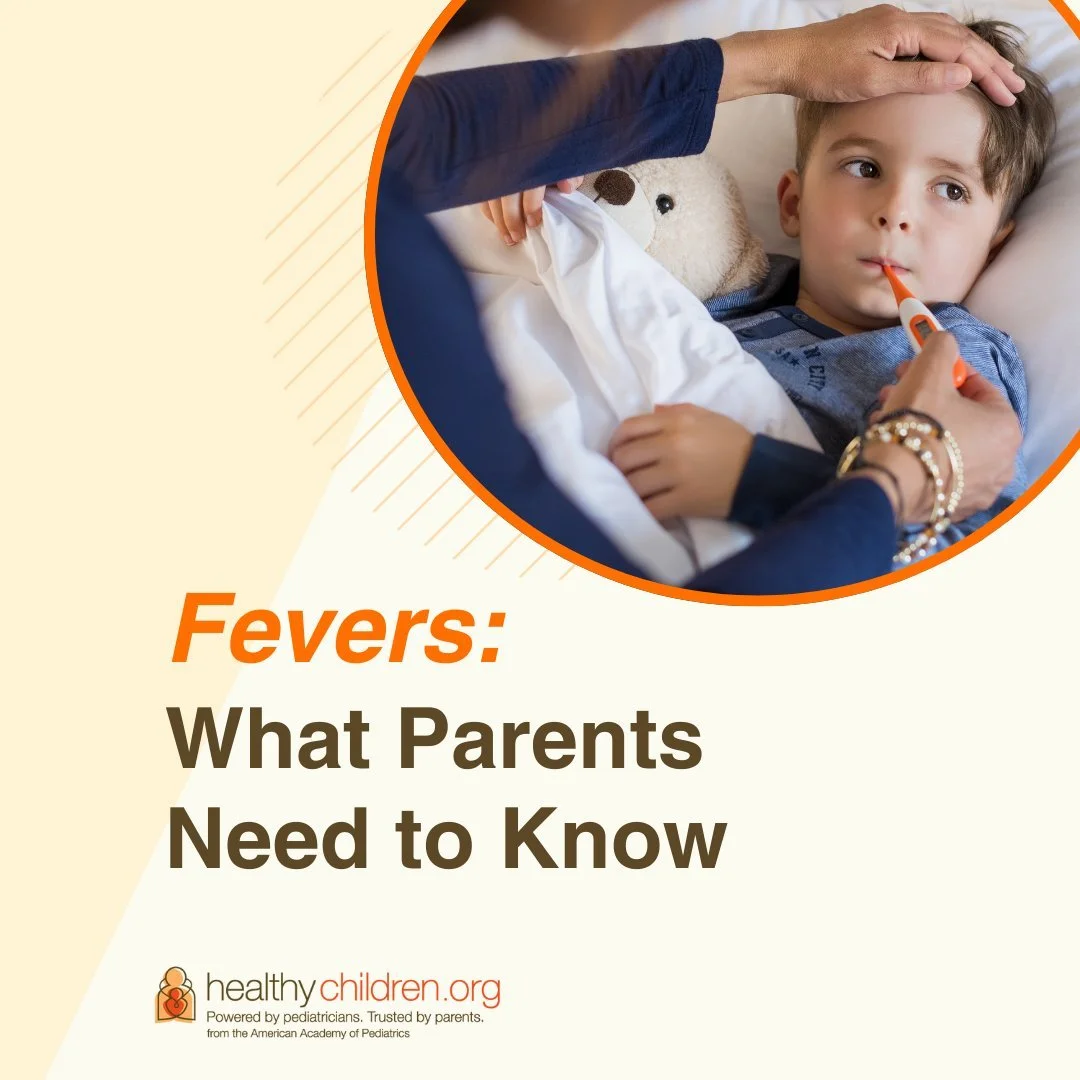
Fevers — What Parents Need to Know

Few things make parents more anxious than feeling a warm forehead in the middle of the night. Fevers can be scary, especially when your child looks uncomfortable or isn’t acting like themselves. The good news? Fevers are very common in children and, in many cases, they’re a normal sign that the body is doing its job.

Understanding what causes fevers, how to manage them safely, and when to call your pediatrician can help take some of the fear out of the moment.

What Is a Fever, Really?

A fever isn’t an illness on its own — it’s a symptom. It’s the body’s natural response to infection, usually caused by a virus or bacteria. When the immune system detects something it doesn’t like, it raises the body temperature to help fight it off.

In children, a temperature of 100.4°F or higher is considered a fever.

Not Every Fever Needs Treatment

One of the biggest misconceptions about fevers is that they always need to be “brought down.” In reality, the goal isn’t to eliminate the fever — it’s to make your child comfortable.

If your child is drinking fluids, resting, and generally acting okay, a mild fever may not need medication at all. However, there are safe ways to help your child feel better if they’re uncomfortable.

How to Help Your Child Feel More Comfortable

If your child has a fever and isn’t feeling great, focus on comfort rather than the number on the thermometer.

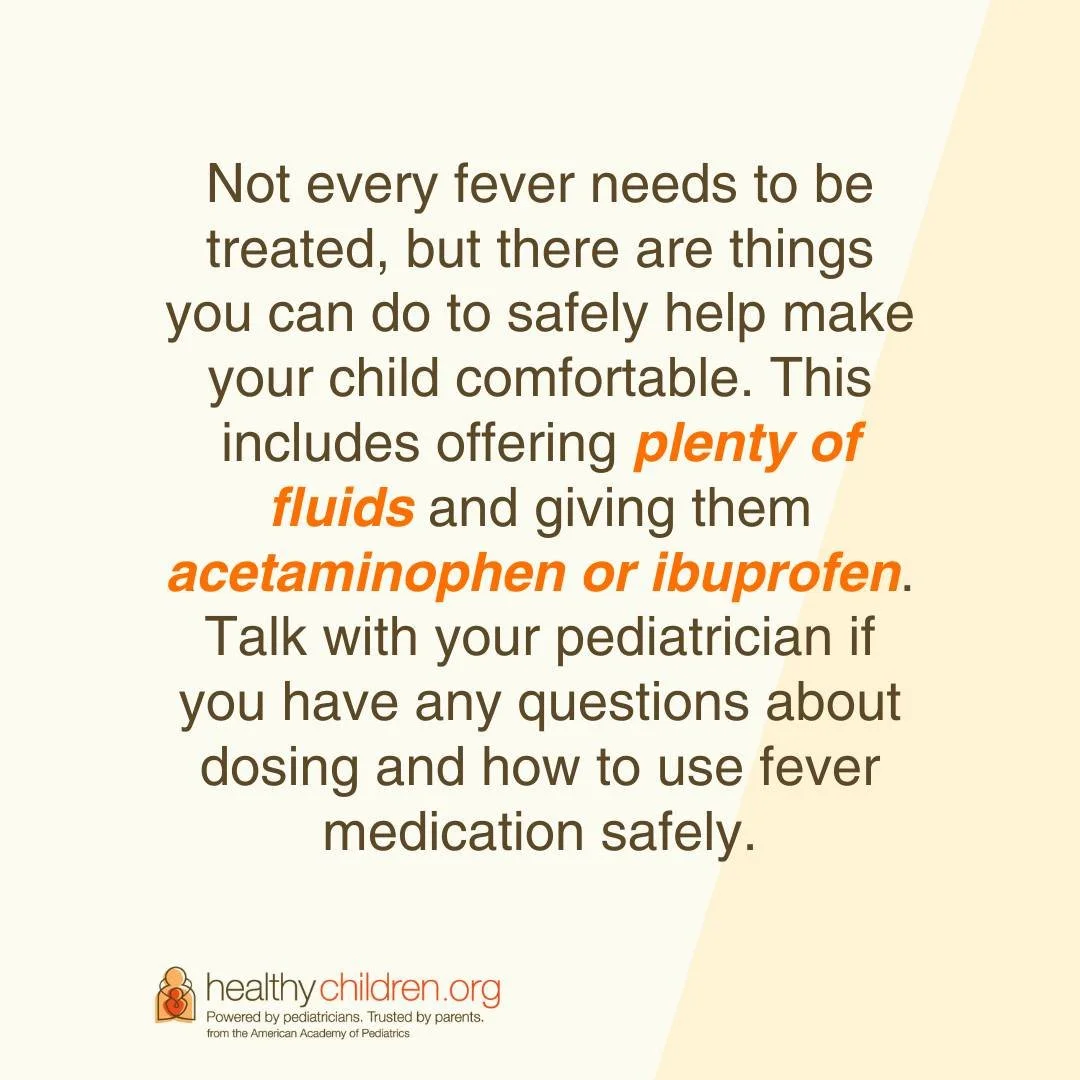
Offer plenty of fluids to prevent dehydration. This can include water, milk, formula, breast milk, or electrolyte drinks for older children. Fever increases fluid loss, so hydration is key.

You can also use acetaminophen or ibuprofen to help relieve discomfort. Always follow the dosing instructions based on your child’s age and weight, and never give aspirin to children.

Dress your child in lightweight clothing and keep the room at a comfortable temperature. Cool baths or alcohol rubs are not recommended.

When to Call Your Pediatrician

While most fevers are harmless, there are times when you should call your child’s pediatrician right away.

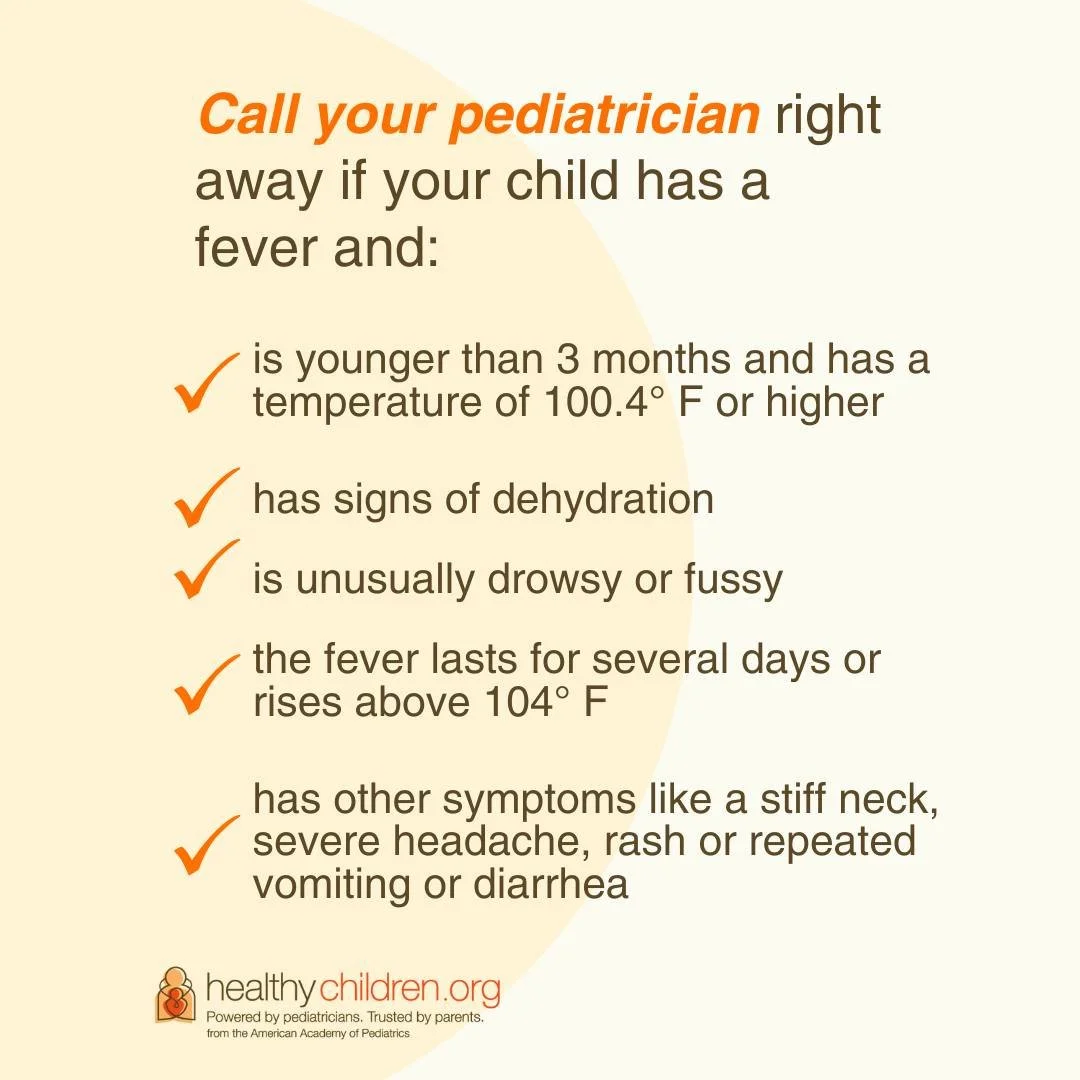
Contact your pediatrician immediately if your child:

  • Is younger than 3 months old and has a temperature of 100.4°F or higher

  • Shows signs of dehydration, such as dry mouth, fewer wet diapers, or no tears when crying

  • Is unusually drowsy, difficult to wake, or extremely fussy

  • Has a fever that lasts several days or rises above 104°F

  • Has additional symptoms like a stiff neck, severe headache, rash, repeated vomiting, or diarrhea

Trust your instincts — if something doesn’t feel right, it’s always okay to call.

You’re Not Alone

Fevers can feel overwhelming, especially for new parents, but you don’t have to navigate them alone. Having a trusted pediatrician who knows your child and your family can make all the difference.

If you ever have questions about fever management, medication dosing, or when to seek care, reach out to your pediatrician. We’re here to help keep your child healthy — and give parents peace of mind.

📍 The Children’s Clinic
264 Coatsland Drive
Jackson, TN 38301

📞 731-423-1500

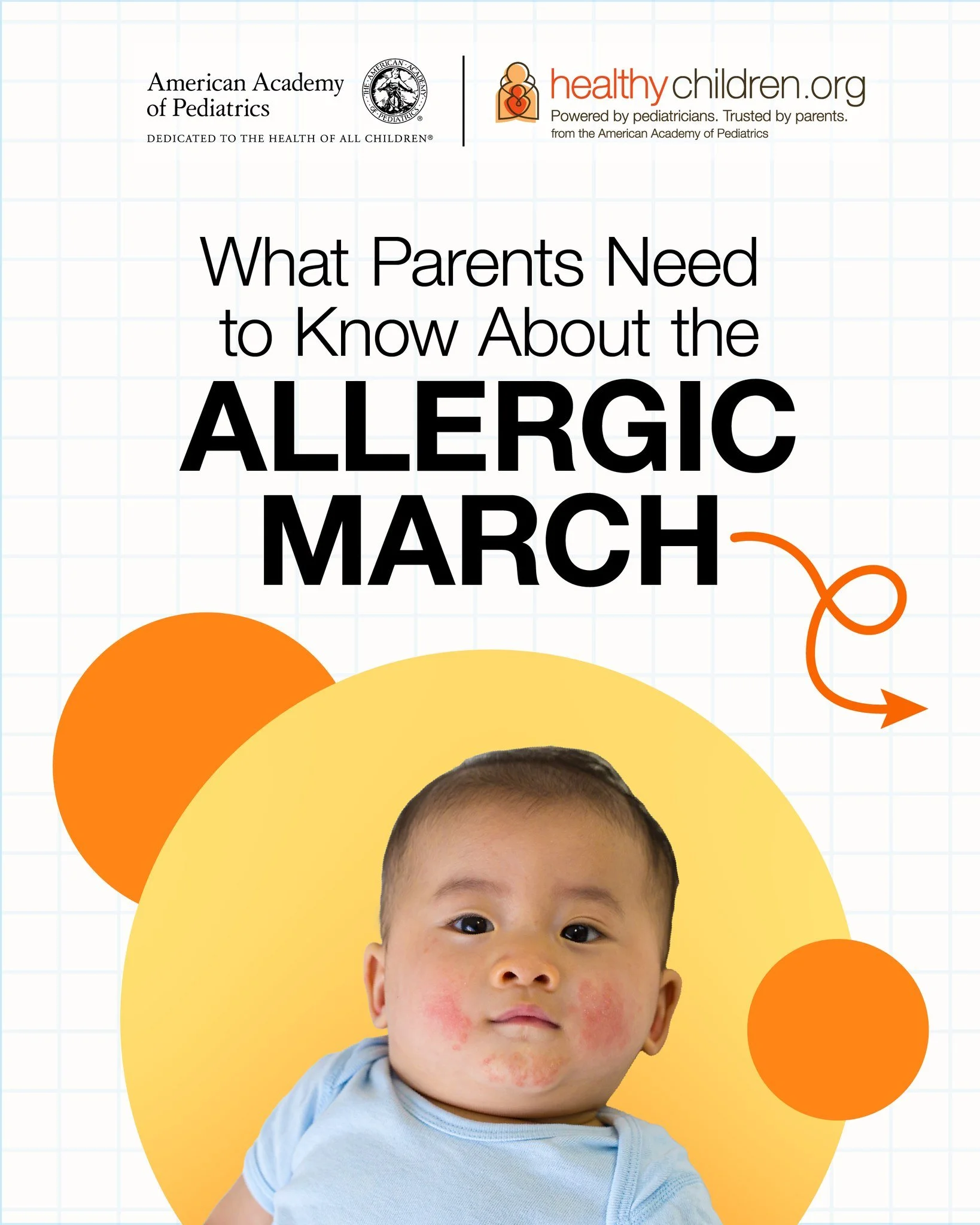
What Parents Need to Know About the Allergic March

If your child seems to be dealing with more than one allergy-related condition, you’re not imagining things — they may be connected.

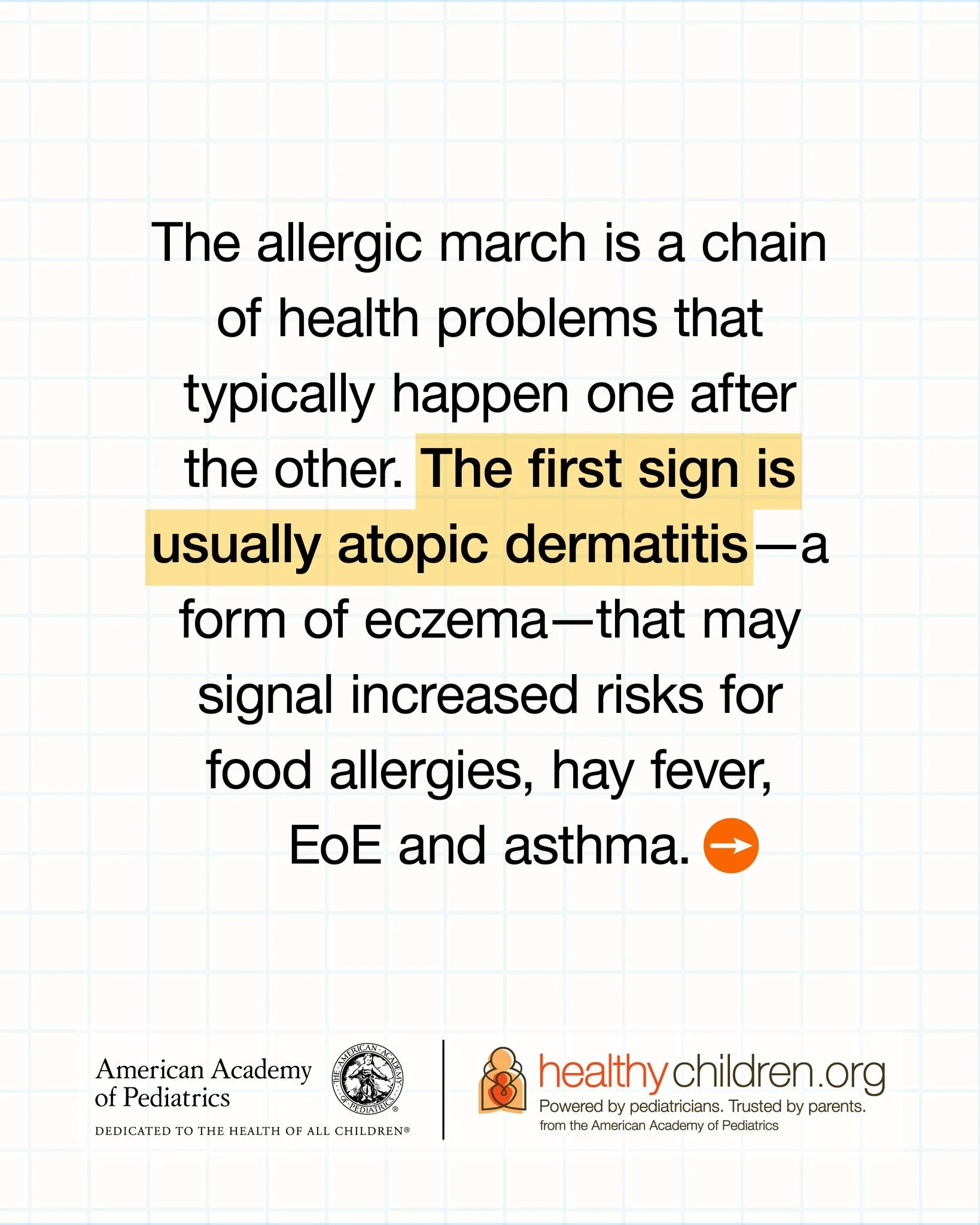
The allergic march, also known as the atopic march, is a pattern of allergic conditions that tend to develop one after another during childhood. Understanding this progression can help parents recognize early signs and work with their pediatrician to support long-term health.

What Is the Allergic March?

The allergic march describes how certain allergic conditions often appear in a predictable sequence as a child grows. The first sign is usually atopic dermatitis (eczema), often appearing in infancy. For some children, this may later be followed by:

  • Food allergies

  • Allergic rhinitis (hay fever)

  • Eosinophilic esophagitis (EoE)

  • Asthma

Not every child with eczema will go on to develop these conditions, but early symptoms can signal an increased risk.

Why Does the Allergic March Happen?

Research suggests the allergic march begins in the immune system. Children who develop allergic conditions early may have more sensitive immune responses that react strongly to common triggers like foods, pollen, or environmental allergens.

Skin barrier health also plays a role. When the skin is inflamed or damaged by eczema, allergens may enter the body more easily, potentially increasing sensitization.

Why Early Identification Matters

Catching symptoms early allows pediatricians to:

  • Manage eczema more effectively

  • Monitor for emerging allergies

  • Reduce inflammation and immune stress

  • Support healthy growth and activity

Early diagnosis and consistent treatment can help children stay active, comfortable, and engaged in everyday life.

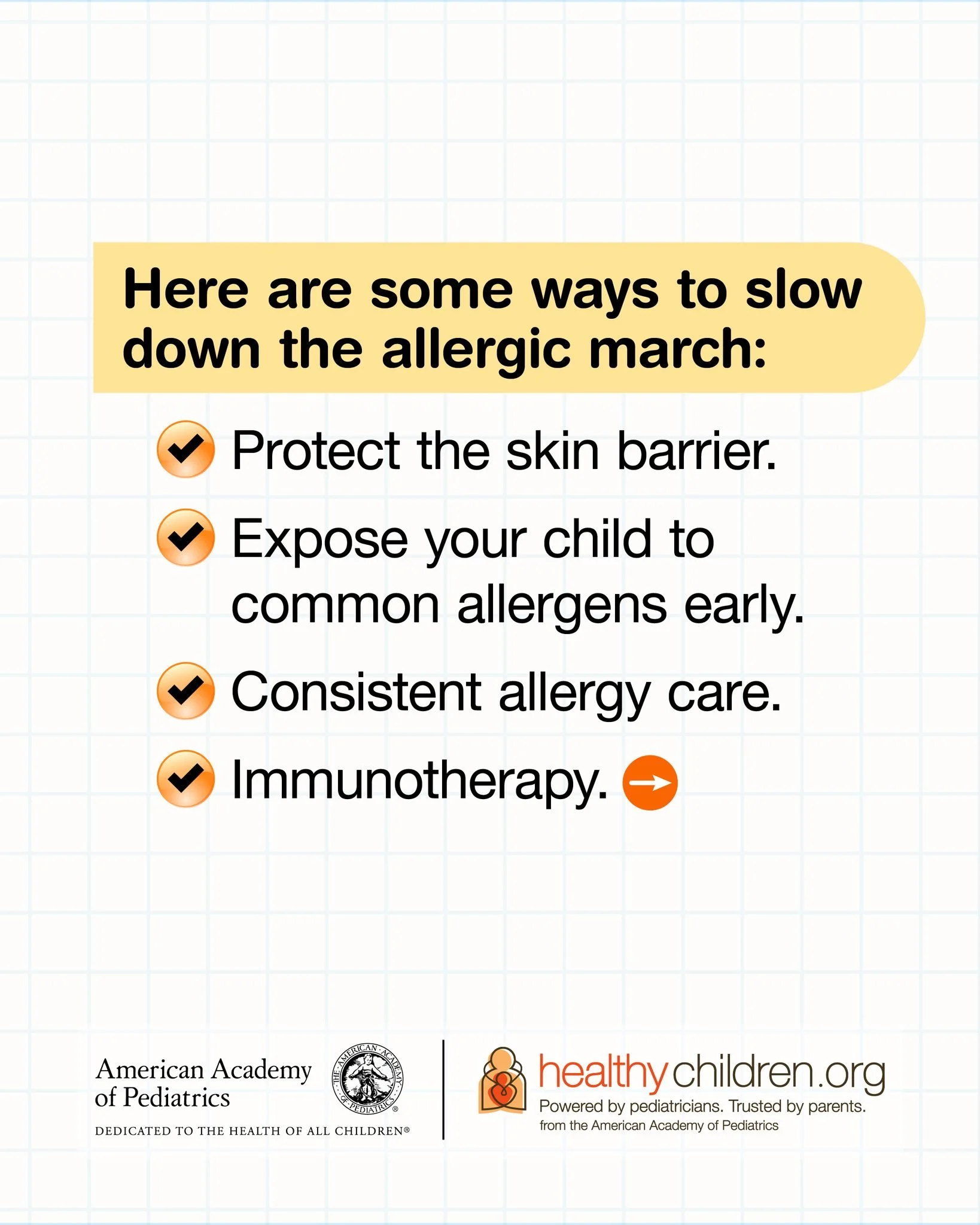
Ways to Help Slow the Allergic March

While the allergic march can’t always be prevented, certain strategies may help reduce progression:

  • Protect the skin barrier with consistent eczema care

  • Introduce common allergens early, when appropriate and guided by a pediatrician

  • Maintain consistent allergy management

  • Consider immunotherapy when recommended

Every child is different, and care plans should always be personalized.

When to Talk to Your Pediatrician

If your child has eczema, recurring allergy symptoms, or multiple allergic conditions, talk with your pediatrician. Early guidance and treatment can make a meaningful difference in your child’s comfort and long-term health.