RSV: Simple Ways to Help Protect Your Baby This Winter

Respiratory Syncytial Virus (RSV) is one of the most common respiratory illnesses in infants — and it’s also the top reason babies under one year old are hospitalized. While RSV often causes cold-like symptoms in older children and adults, it can be much more serious for babies, especially during the fall and winter months.

At The Children’s Clinic in Jackson, Tennessee, we see RSV cases increase every year. The good news is that small, practical steps at home can help reduce the risk of RSV spreading and protect your baby during the winter season.

Why RSV Is More Dangerous for Babies

Babies are more vulnerable to RSV because their lungs and airways are still developing. Their immune systems are also less mature, which makes it harder for them to fight off respiratory infections.

In infants, RSV can lead to:

  • Difficulty breathing or rapid breathing

  • Wheezing

  • Poor feeding

  • Dehydration

  • Hospitalization for oxygen or breathing support

Premature babies and infants with underlying health conditions may be at even higher risk.

How RSV Spreads

RSV spreads easily through respiratory droplets and by touching contaminated surfaces. It can live on hands for hours and on hard surfaces for even longer, which makes household transmission common — especially during cold and flu season.

Because many adults and older children may only have mild symptoms, RSV can be unknowingly passed to babies.

Everyday Steps to Lower RSV Risk at Home

Simple prevention measures can make a big difference in protecting your baby this winter:

Keep visits small.
Limiting the number of visitors — especially during peak RSV season — reduces exposure to germs.

Postpone visits when someone is sick.
Even mild cold symptoms can pose a risk to infants. It’s okay to reschedule visits to keep your baby safe.

Cover coughs and sneezes and wash hands often.
Frequent handwashing is one of the most effective ways to prevent the spread of RSV and other viruses.

Clean and disinfect surfaces regularly.
Focus on high-touch areas like doorknobs, counters, toys, and mobile devices.

Keep your baby’s space smoke- and vape-free.
Smoke and vapor irritate the lungs and can increase the severity of respiratory illnesses like RSV.

Talk with your pediatrician about immunizations.
Your pediatrician can help determine which immunizations or preventive options are recommended for your baby and family.

When to Call Your Pediatrician

If your baby shows signs of breathing trouble, poor feeding, extreme tiredness, or symptoms that are worsening, it’s important to contact your pediatrician right away. Early care can help prevent complications and determine whether additional treatment is needed.

Supporting Families in Jackson and West Tennessee

At The Children’s Clinic, we are committed to helping families in Jackson, Madison County, and throughout West Tennessee navigate RSV season with confidence. Education, prevention, and early care are key to keeping babies healthy during the winter months.

If you have concerns about RSV or questions about how to protect your baby, our team is always here to help.

The Children’s Clinic
264 Coatsland Drive
Jackson, TN 38301
📞 731-423-1500

Proudly caring for children and families across West Tennessee.

The 2026 AAP Immunization Schedule: What Parents in Jackson, TN Need to Know

Recent changes to federal vaccine recommendations have caused understandable confusion and concern for many parents. Vaccines play a critical role in protecting children from serious and preventable diseases, and when guidance changes, families naturally want clarity.

Despite recent updates to the federal immunization schedule, the American Academy of Pediatrics (AAP) continues to strongly recommend the full set of routine childhood immunizations. The AAP has released its own 2026 immunization schedule, grounded in decades of research and ongoing scientific review, to help parents and pediatricians make informed decisions that prioritize children’s health.

At The Children’s Clinic in Jackson, Tennessee, we want families across Madison County and West Tennessee to understand what these changes mean — and why following an evidence-based vaccine schedule remains one of the most important ways to protect your child’s health.

Why the AAP Maintains Its Own Immunization Schedule

The AAP represents thousands of pediatricians who care for children every day. Its immunization recommendations are developed independently by experts in pediatric infectious disease, immunology, and public health.

These recommendations are not based on politics or trends. They are based on long-term data, real-world outcomes, and careful monitoring of how vaccines perform as children grow and their immune systems develop.

The AAP’s schedule reflects what pediatricians see in exam rooms, hospitals, and communities: vaccines save lives, reduce severe illness, and protect not only individual children but entire communities.

What Makes the AAP Schedule Different

The AAP immunization schedule is designed around how a child’s immune system matures over time. Vaccines are timed to provide protection when children are most vulnerable — not too early and not too late.

Spacing and timing matter. Delaying or skipping vaccines can leave children exposed to serious illnesses during critical stages of development. The AAP schedule accounts for these risks and provides what pediatric experts consider the ideal timeline for healthy children.

This approach is especially important for infants and young children, whose immune systems are still learning how to recognize and fight infections.

Why Routine Vaccines Still Matter

Many of the diseases prevented by routine childhood vaccines are now rare — not because they disappeared on their own, but because vaccination has been so effective.

When vaccination rates drop, these diseases can and do return. Pediatricians across the country have already seen outbreaks of illnesses that were once well controlled, putting children — especially babies and medically vulnerable kids — at risk.

Routine immunizations help protect against diseases that can cause serious complications, long-term health problems, hospitalization, and even death. They also help protect children who cannot be vaccinated due to medical conditions by reducing the spread of illness in the community.

Addressing Common Parent Concerns

It’s normal for parents to have questions about vaccines. At The Children’s Clinic, we believe that open, respectful conversations are essential.

Parents deserve clear information about:

  • How vaccines are tested and monitored

  • Why certain vaccines are given at specific ages

  • What side effects are normal and expected

  • How vaccines protect both individual children and the broader community

No two families are exactly alike, and your child’s pediatrician is the best resource for personalized guidance based on your child’s health history.

What This Means for Families in Jackson and West Tennessee

For families in Jackson, TN and surrounding areas, the key takeaway is this: pediatric experts continue to strongly support routine childhood immunizations as one of the safest and most effective tools we have to protect children’s health.

The AAP’s 2026 immunization schedule reflects the best available medical evidence and remains the gold standard used by pediatricians nationwide — including right here in our clinic.

If you have questions or concerns about your child’s vaccines, now is the perfect time to talk with your pediatrician. Staying informed helps you make confident decisions for your family.

We’re Here to Help

At The Children’s Clinic, our goal is to support families with trusted medical guidance, compassionate care, and evidence-based recommendations from infancy through adolescence.

If you’d like to discuss your child’s immunization schedule or have questions about recent changes, our team is always happy to talk.

The Children’s Clinic
264 Coatsland Drive
Jackson, TN 38301
Phone: 731-423-1500

Serving families throughout Jackson, Madison County, and West Tennessee.

Talking Tech With Teens: Simple Conversation Starters for Healthier Digital Habits

Talking with your teen about technology and social media isn’t always easy. Many parents in Jackson, TN and the surrounding areas tell us they struggle to find the right moment—or the right words—to start the conversation. Digital media is woven into everyday life, and it’s here to stay. The goal isn’t to eliminate screens, but to help kids learn how to use them safely, thoughtfully, and in a balanced way.

At The Children’s Clinic, we encourage families across Madison County and West Tennessee to focus on open communication. Having frequent, low-pressure conversations about technology is one of the best ways to help children and teens build healthy digital habits that last.

Below are simple conversation starters you can use at home to open the door and keep the conversation going.

When Screens Start to Crowd Out Everyday Life

A great place to begin is awareness. Screens can quietly take over time meant for sleep, schoolwork, or family connection.

Try asking:

  • “Have you ever noticed how much time you spend on certain apps?”

  • “Does your screen time feel helpful, or does it sometimes feel overwhelming?”

These questions help kids reflect without feeling judged. Awareness is often the first step toward healthier choices.

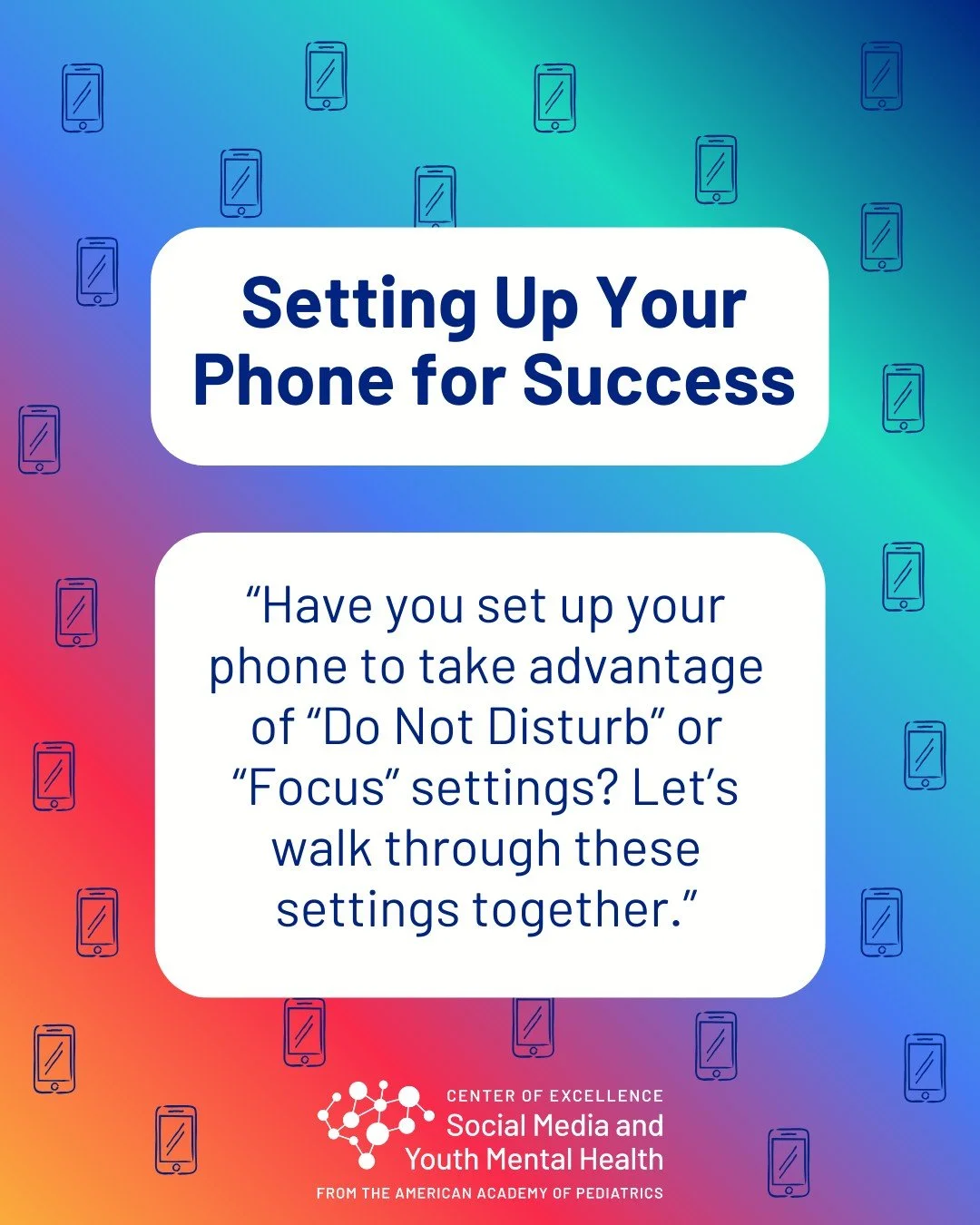
Setting Phones Up for Success

Most smartphones include tools designed to support focus and balance, but many kids—and adults—don’t use them.

You might say:

  • “Have you tried using Focus or Do Not Disturb settings?”

  • “Want to look at those settings together?”

Walking through these features side by side shows your child that managing screen time is a skill everyone is learning—not a punishment.

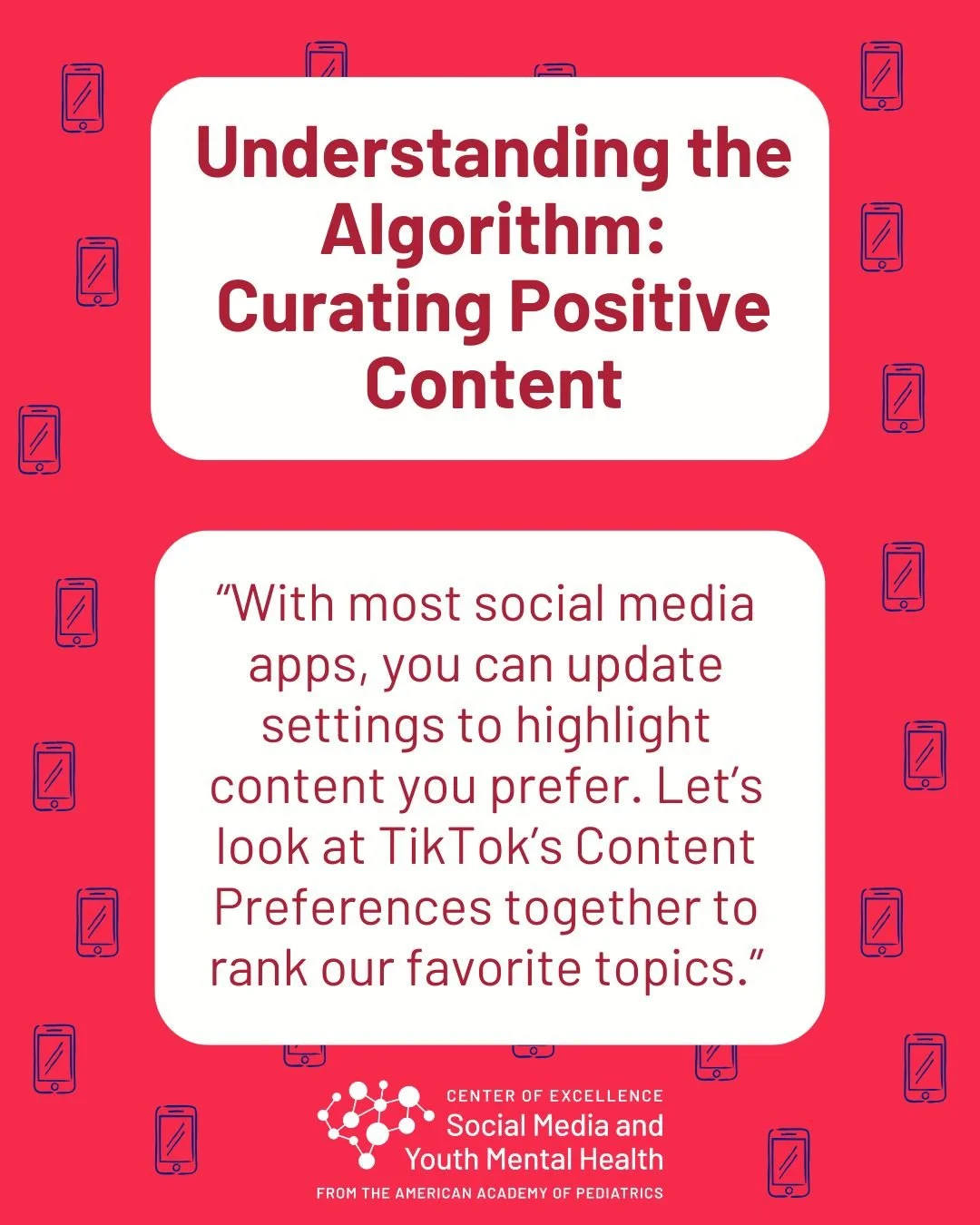
Understanding Algorithms and Choosing Positive Content

Social media algorithms shape what kids see every day, often without them realizing it.

Start the conversation with:

  • “Did you know apps show you more of what you interact with?”

  • “How do you decide which content is worth your time?”

Helping teens understand how algorithms work gives them more control over their online experience and encourages more positive digital choices.

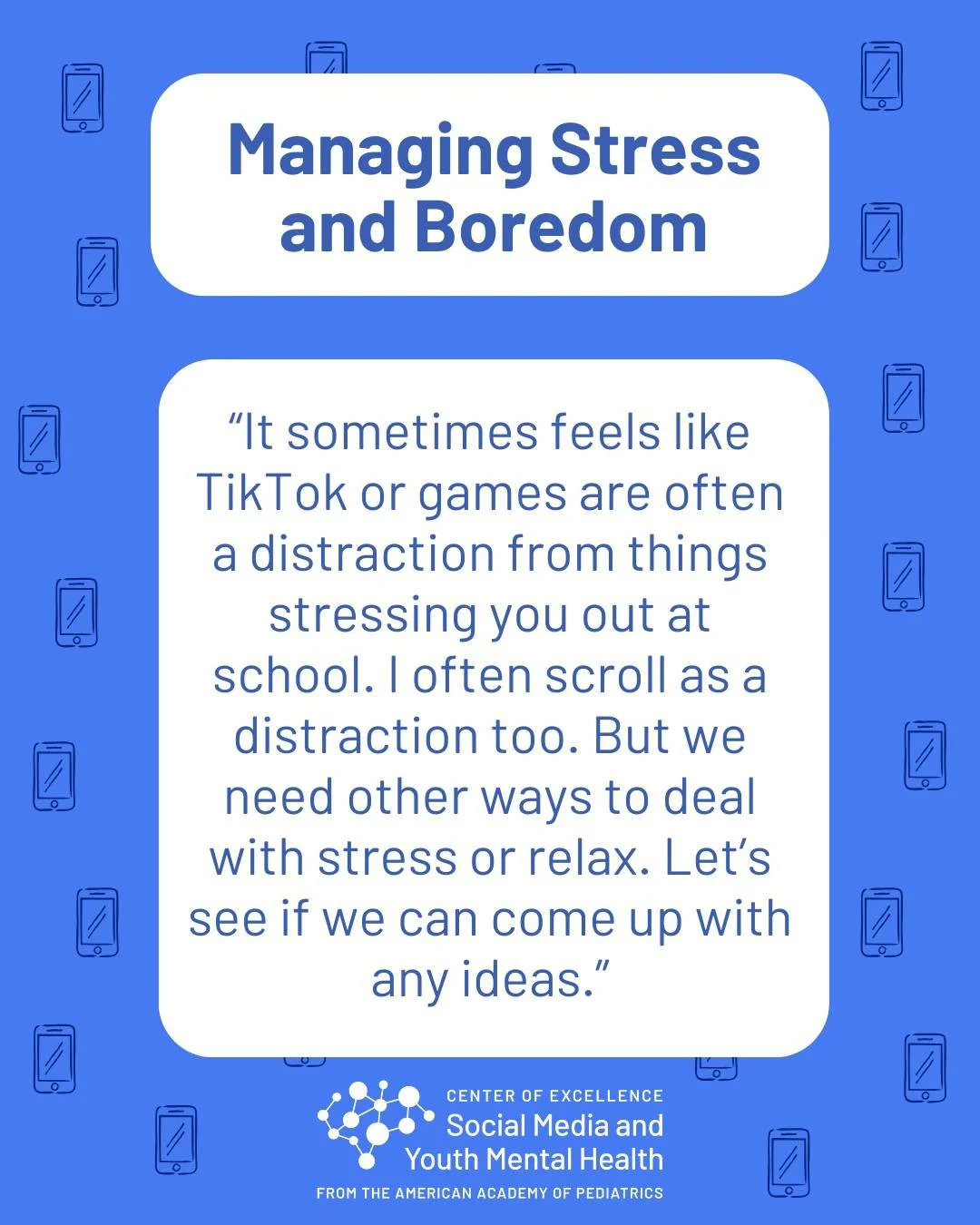
Managing Stress and Boredom Without Screens

Many kids use social media or games as a way to escape stress or boredom.

You could say:

  • “I scroll sometimes when I’m stressed too.”

  • “What are some other ways we could relax or reset?”

Sharing your own habits helps normalize the conversation and opens the door to healthier coping strategies.

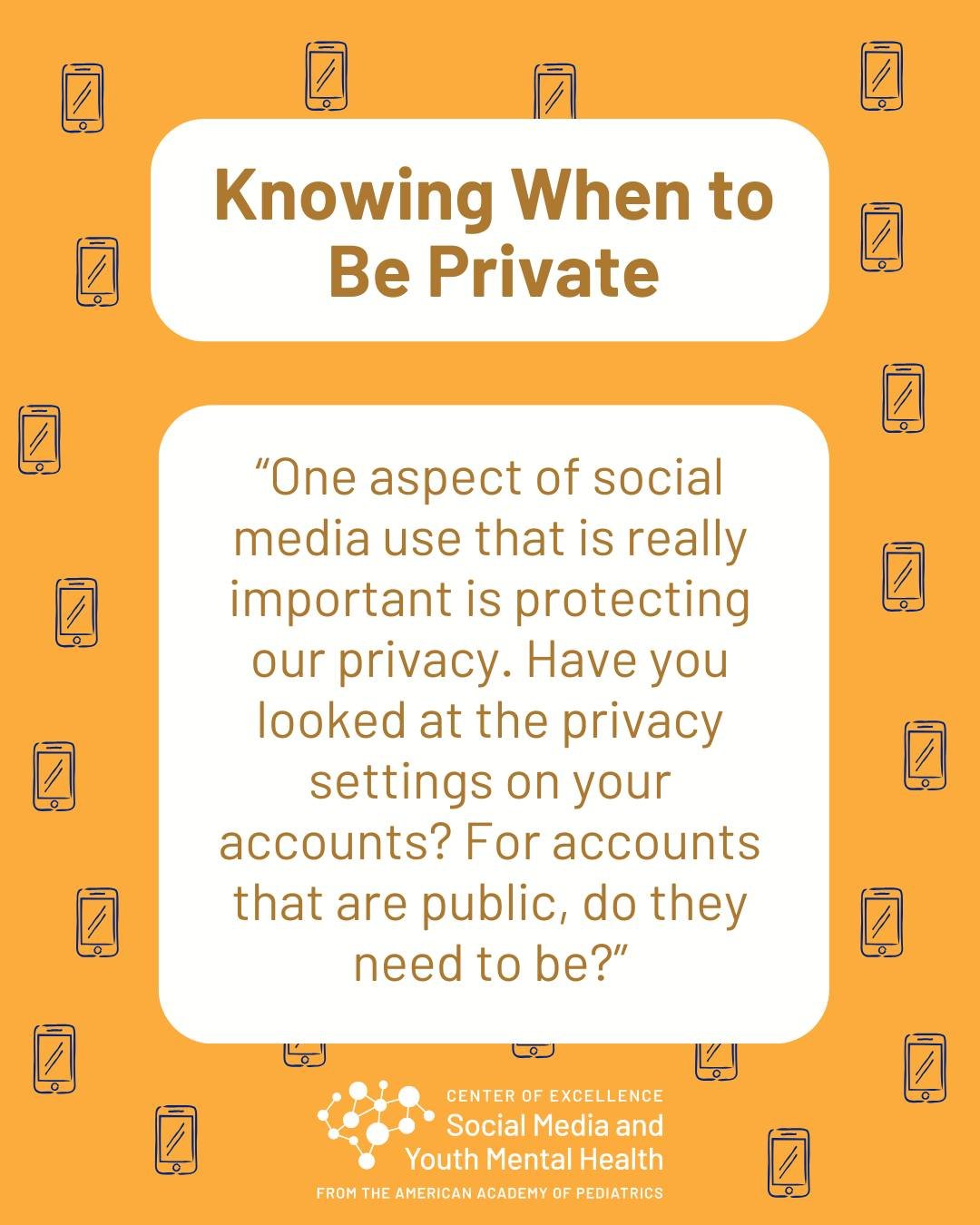
Knowing When to Be Private Online

Privacy is one of the most important digital safety topics families can discuss.

Ask questions like:

  • “Have you checked your privacy settings recently?”

  • “If something is public, does it really need to be?”

These conversations help kids think more carefully about what they share and who can see it.

Keep the Conversation Going

There’s no perfect script for talking about technology. What matters most is consistency. Small, regular conversations can have a powerful impact over time.

By keeping the dialogue open and judgment-free, families in Jackson, TN and nearby communities can help children build a healthier, more confident relationship with digital media.

If you ever have questions or concerns about your child’s screen use, mental health, or overall development, our team is here to help.

Contact The Children’s Clinic

📍 The Children’s Clinic
264 Coatsland Drive
Jackson, TN 38301

📞 Phone: 731-423-1500

We proudly serve families throughout Jackson, Madison County, and surrounding West Tennessee communities.

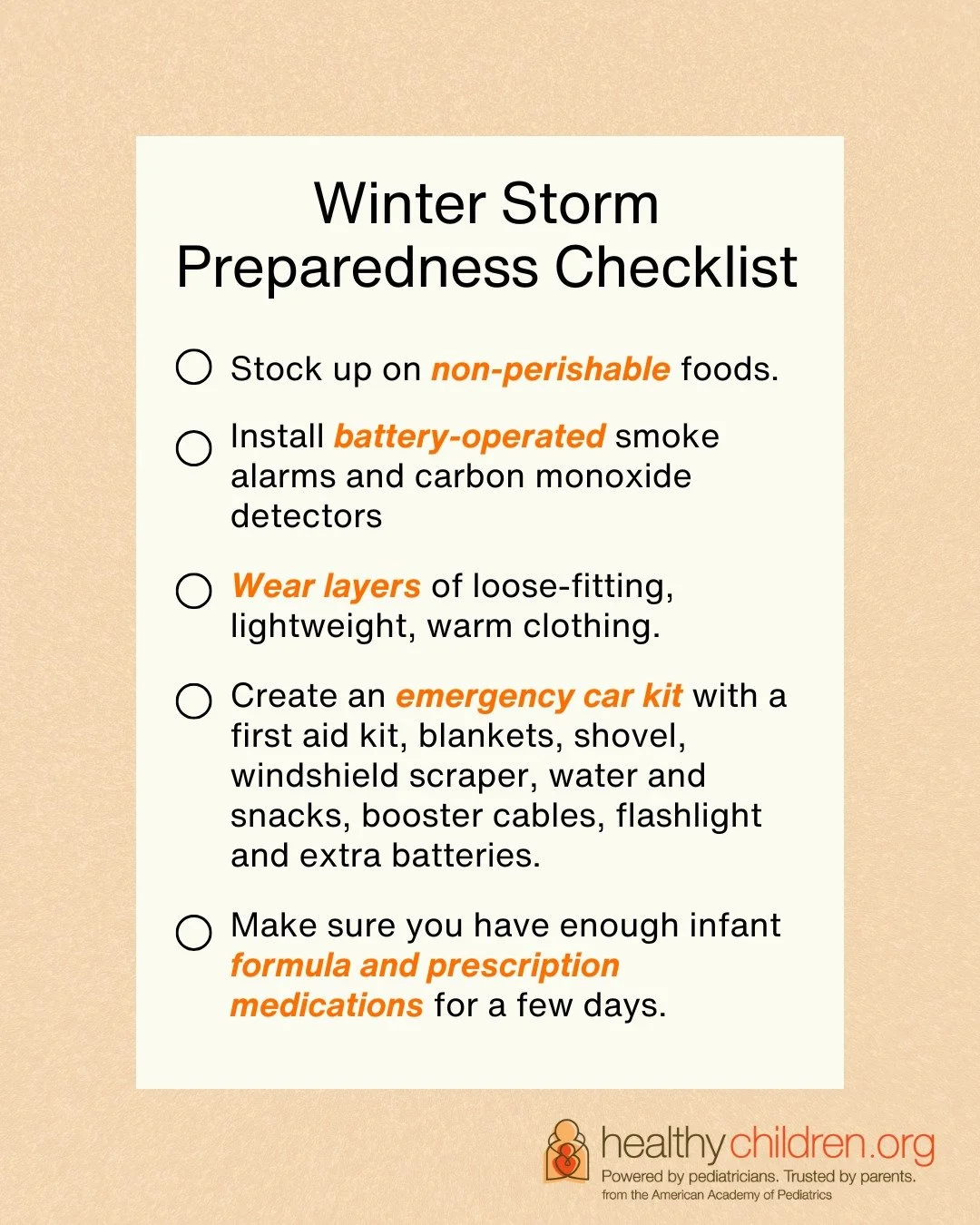
Winter Storm Preparedness Checklist for Families

Severe winter storms are expected in many parts of the U.S. this weekend, and families across Jackson, Madison County, and West Tennessee are beginning to prepare. While winter weather can be unpredictable, a little planning ahead of time can go a long way in keeping your children safe, warm, and healthy.

Power outages, icy roads, and extreme cold can all create challenges — especially for households with infants and young children. That’s why having a simple, practical checklist in place before the weather arrives is so important.

Stock Up on Non-Perishable Foods

If travel becomes difficult or stores temporarily close, having shelf-stable foods on hand can ease stress. Choose items that don’t require refrigeration or cooking and that your children are familiar with. Crackers, canned soups, peanut butter, granola bars, and bottled water are good options to keep on hand for several days.

Make Sure Smoke Alarms and Carbon Monoxide Detectors Are Working

During winter storms, families may rely more heavily on fireplaces, space heaters, or generators. Battery-operated smoke alarms and carbon monoxide detectors are essential for safety, especially if the power goes out. Check batteries now and replace any units that aren’t working properly.

Dress in Layers to Stay Warm

When temperatures drop, dressing children in loose-fitting, lightweight layers helps trap warmth while allowing flexibility. Hats, gloves, socks, and weather-appropriate coats are especially important if kids will be going outside — even briefly. Babies and toddlers may need extra layers to stay comfortable indoors if heat is lost.

Prepare an Emergency Car Kit

If you must travel during winter weather, an emergency car kit can make a big difference. Include a first aid kit, blankets, a flashlight with extra batteries, bottled water, snacks, jumper cables, and a windshield scraper. These supplies can help keep your family safe if you encounter delays or road closures.

Don’t Forget Infant Formula and Medications

Families with infants or children who take daily medications should make sure they are stocked for several days. Winter storms can delay pharmacy access, so refilling prescriptions early and having extra formula on hand can prevent unnecessary stress during severe weather.

Stay Informed and Share the Checklist

Weather conditions can change quickly. Stay tuned to local updates and alerts, and limit travel when conditions are unsafe. Sharing this checklist with other parents in Jackson and surrounding communities can help everyone prepare and stay safe.

For more winter weather safety tips, including how to keep children warm during power outages, visit HealthyChildren.org, a trusted resource from pediatric experts:
👉 https://www.healthychildren.org/.../warm-when-the-power...

At The Children’s Clinic, we’re here to support families year-round. If you have questions about keeping your child healthy during extreme weather, don’t hesitate to reach out.

📍 264 Coatsland Drive, Jackson, TN 38301
📞 731-423-1500

Stay warm, stay safe, and take care of one another this winter.

5 Tips to Help Kids Navigate the Online World Safely

Digital media is everywhere — and it’s not going away. From tablets and smartphones to school laptops and gaming systems, kids today are growing up in a world where being online is part of everyday life. While technology can offer learning, creativity, and connection, it also comes with challenges that parents didn’t face growing up.

The goal isn’t to eliminate screens entirely, but to help children learn how to use them safely, thoughtfully, and confidently. With the right guidance, kids can develop healthy digital habits that support their emotional well-being, privacy, and development.

Here are five practical tips to help your child navigate the online world in a healthier way.

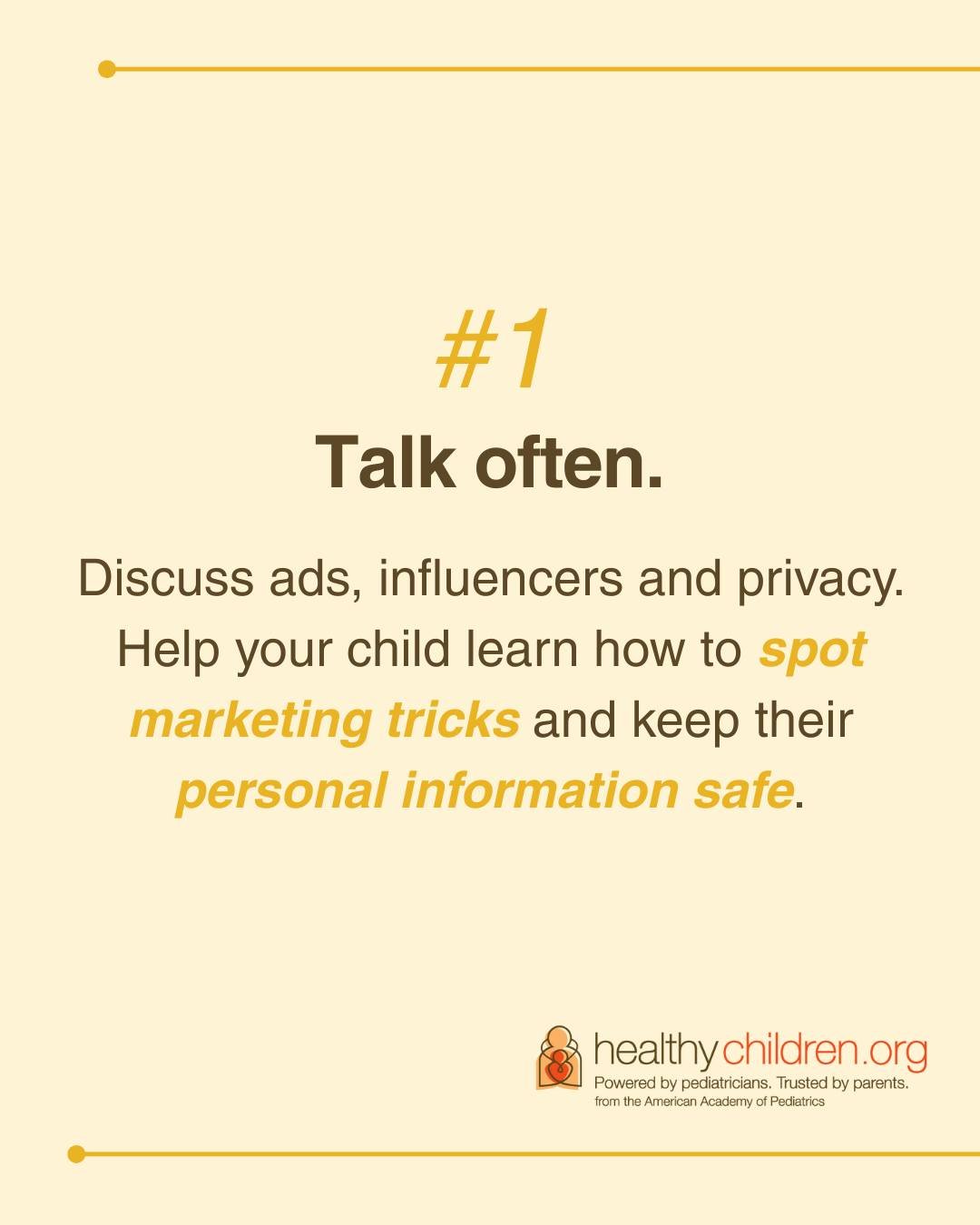
1. Talk Often — and Keep the Conversation Going

One of the most important things parents can do is talk openly and regularly about online experiences. These conversations don’t need to be formal or intimidating. Simple, ongoing discussions build trust and help kids feel comfortable coming to you when something doesn’t feel right.

Talk with your child about:

  • Online ads and how they’re designed to influence behavior

  • Influencers and sponsored content

  • Privacy and why personal information should be protected

Helping your child learn how to spot marketing tricks and understand why certain content shows up in their feed empowers them to think critically online. When kids understand why something is happening, they’re better equipped to make smart decisions.

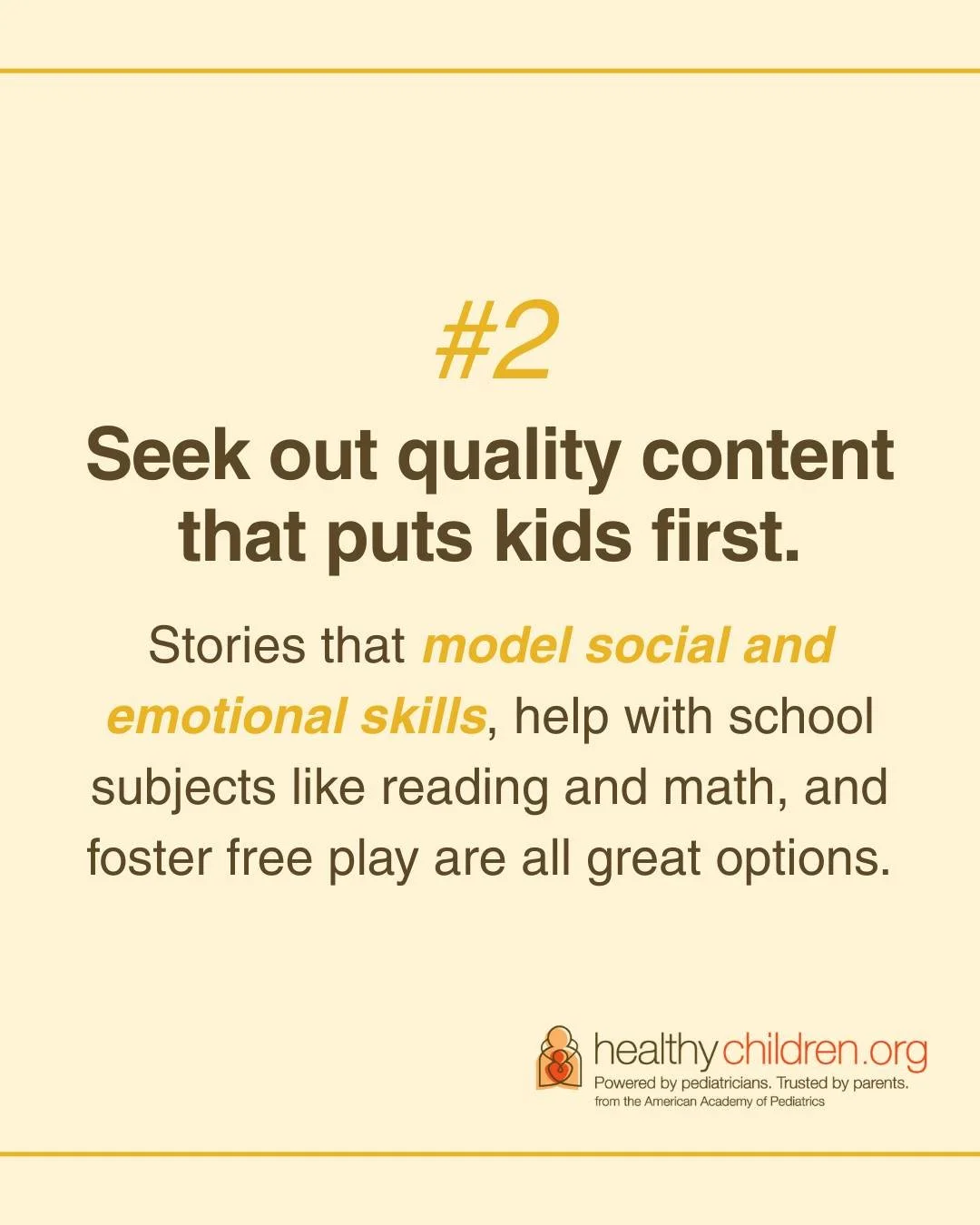
2. Seek Out Quality Content That Puts Kids First

Not all digital content is created equal. Some apps, shows, and games are designed to support learning and emotional development, while others prioritize engagement at all costs.

Look for content that:

  • Models positive social and emotional skills

  • Supports learning in areas like reading, math, and problem-solving

  • Encourages creativity and curiosity

  • Leaves room for free play instead of constant stimulation

High-quality content can be a helpful tool, especially when it’s age-appropriate and used in balance with offline activities.

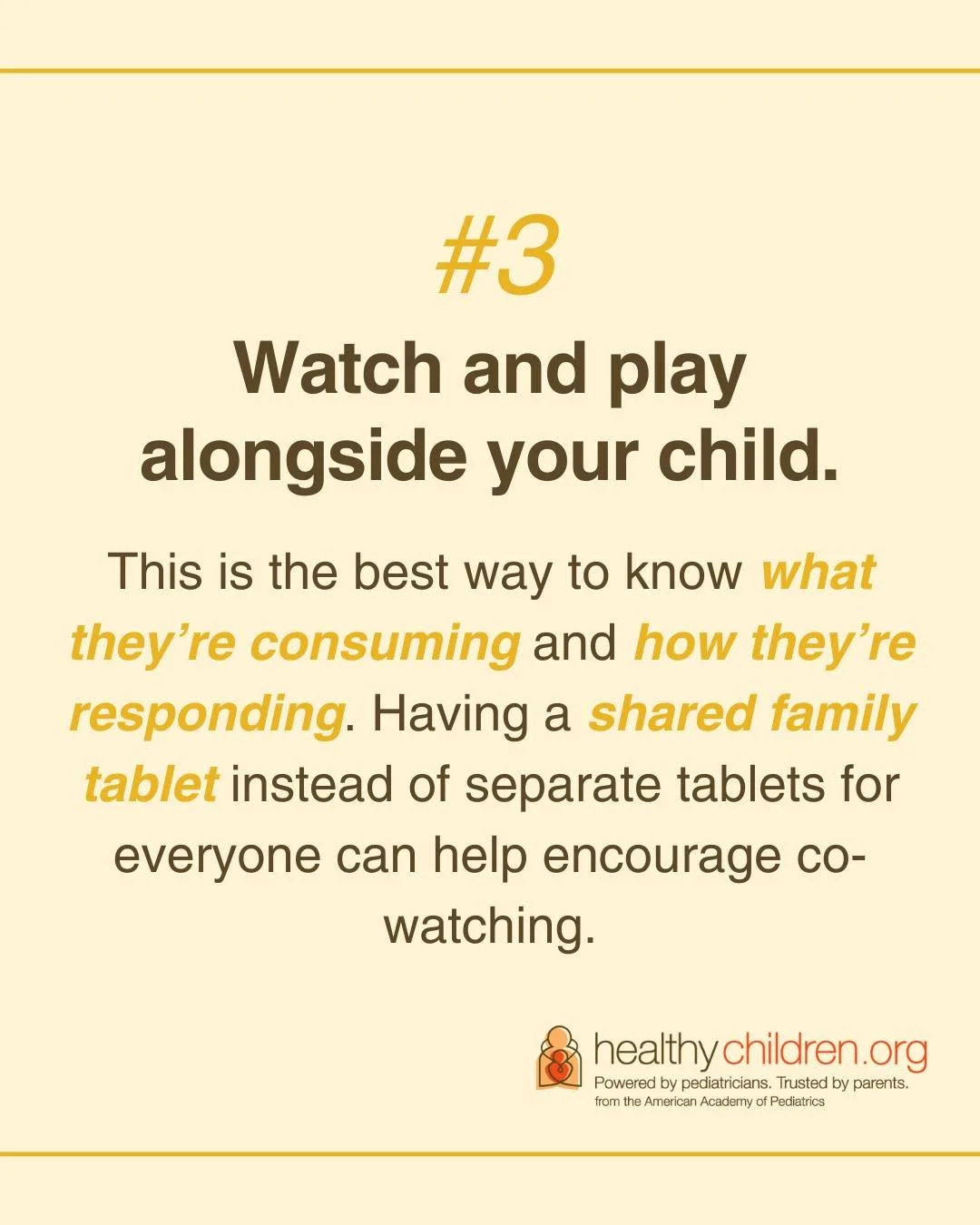
3. Watch and Play Alongside Your Child

One of the best ways to understand what your child is experiencing online is to experience it with them. Watching shows together, playing games side-by-side, or exploring apps as a family gives you insight into what they’re consuming — and how they’re responding to it.

Co-viewing and co-playing allow you to:

  • Answer questions in real time

  • Point out positive or concerning behaviors

  • Encourage conversation about what they’re seeing

Using a shared family tablet instead of separate devices can also help encourage this kind of interaction and make screen time more intentional.

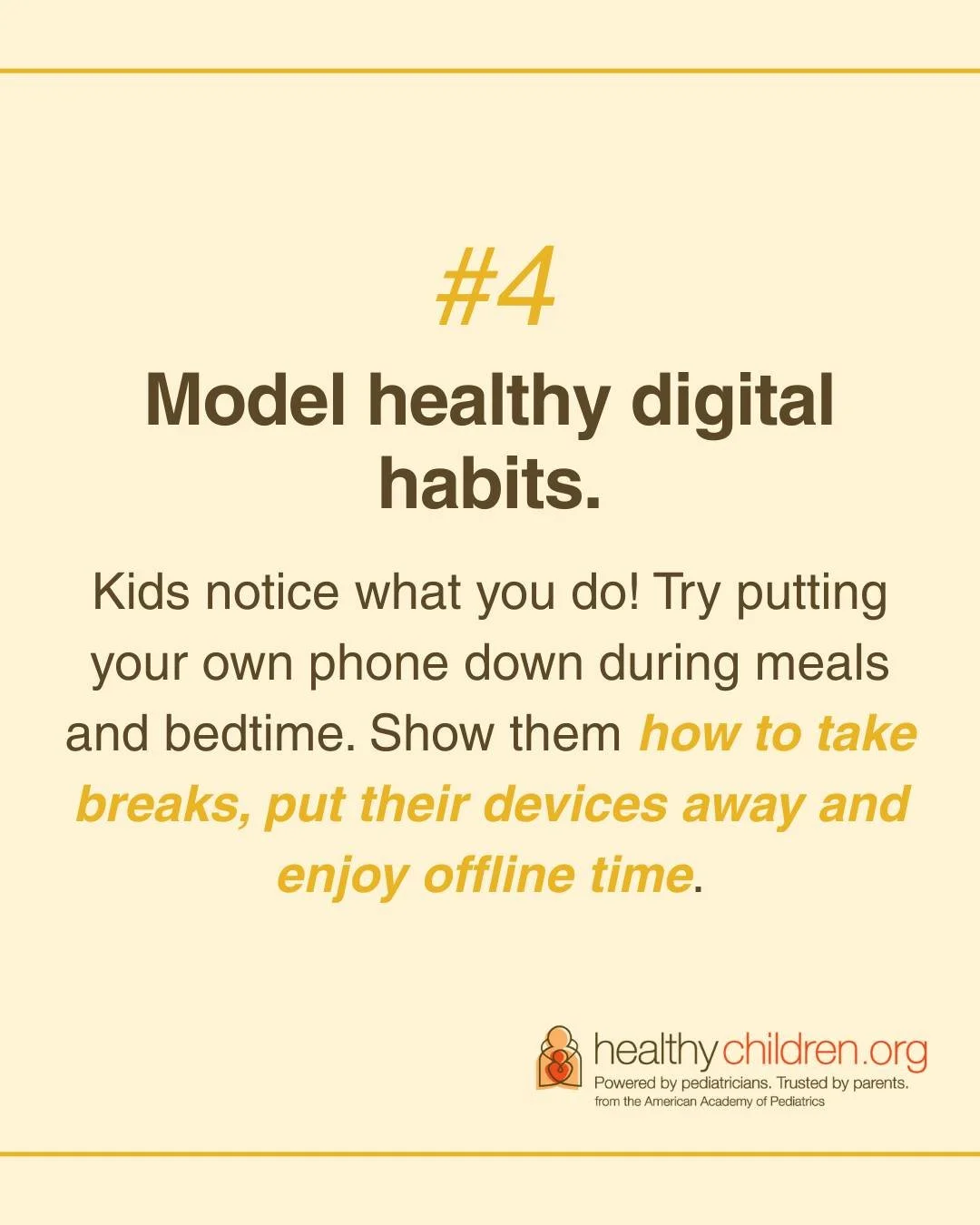
4. Model Healthy Digital Habits

Kids pay close attention to what adults do — especially when it comes to technology. If screens are always present during meals, conversations, or bedtime, children learn that constant connectivity is normal.

Try modeling healthy habits by:

  • Putting your phone down during meals

  • Creating tech-free routines before bedtime

  • Taking breaks from screens and talking about why

When kids see adults enjoying offline time — reading, walking, talking, or simply relaxing — it reinforces the idea that screens are just one part of life, not the center of it.

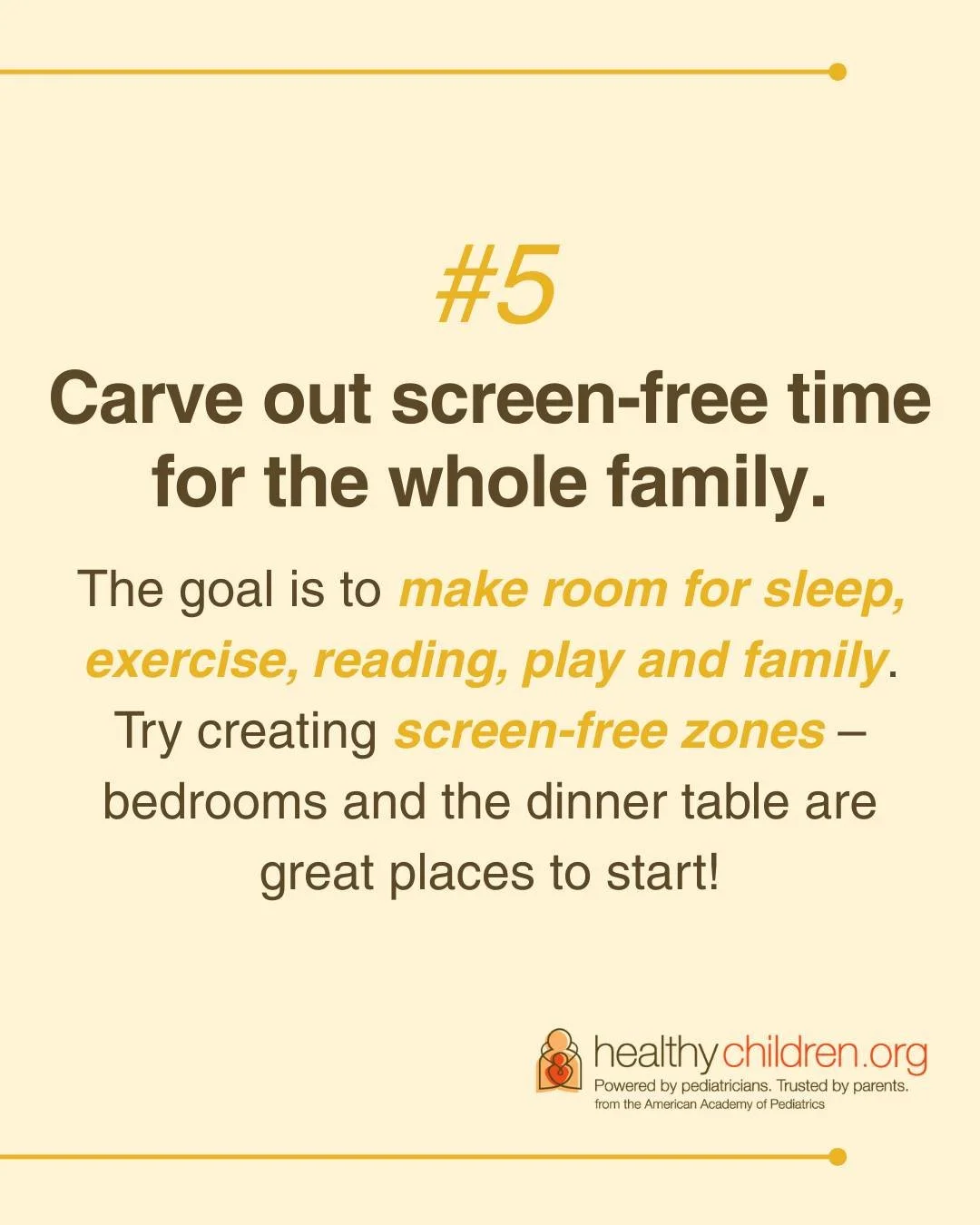
5. Carve Out Screen-Free Time for the Whole Family

Screen-free time isn’t about punishment — it’s about making room for other important parts of childhood and family life. Sleep, physical activity, reading, play, and connection all benefit when screens aren’t always competing for attention.

Consider creating screen-free zones in your home, such as:

  • Bedrooms

  • The dinner table

  • Family gatherings or outings

Starting small can make a big difference. Even a few consistent screen-free moments each day can help children reset and reconnect.

Supporting Families Through Every Stage

Navigating digital media can feel overwhelming, especially as technology continues to change. Every child is different, and there’s no one-size-fits-all approach. What matters most is staying engaged, informed, and connected with your child.

If you have questions about screen time, online behavior, sleep issues, or how digital media may be affecting your child’s health or development, your pediatrician is a great place to start.

At The Children’s Clinic, we’re proud to support families throughout Jackson, TN, Madison County, and surrounding communities. We’re here to help parents make confident, informed decisions that support healthy growth — both online and offline.

📍 The Children’s Clinic
264 Coatsland Drive
Jackson, TN 38301
📞 731-423-1500

For more trusted guidance on children and digital media, you can also explore resources from pediatric experts here:
👉 https://bit.ly/49N61ZI