3 Car Seat Safety Tips Every Jackson, TN Parent Should Know

Car seats are one of the greatest technological innovations of the 20th century. When used properly, they can reduce the risk of death or injury in a crash by up to 82% for children.

That’s an incredible level of protection — but only if the seat is installed and used correctly.

In a recent guest column published in The Washington Post, pediatrician Dr. Perri Klass and former American Academy of Pediatrics President Dr. Ben Hoffman outlined key ways parents can make sure their children are getting the full safety benefits car seats are designed to provide.

At The Children’s Clinic in Jackson, TN, we want families across Madison County and West Tennessee to feel confident that their child’s car seat is doing its job.

Here are three essential safety reminders.

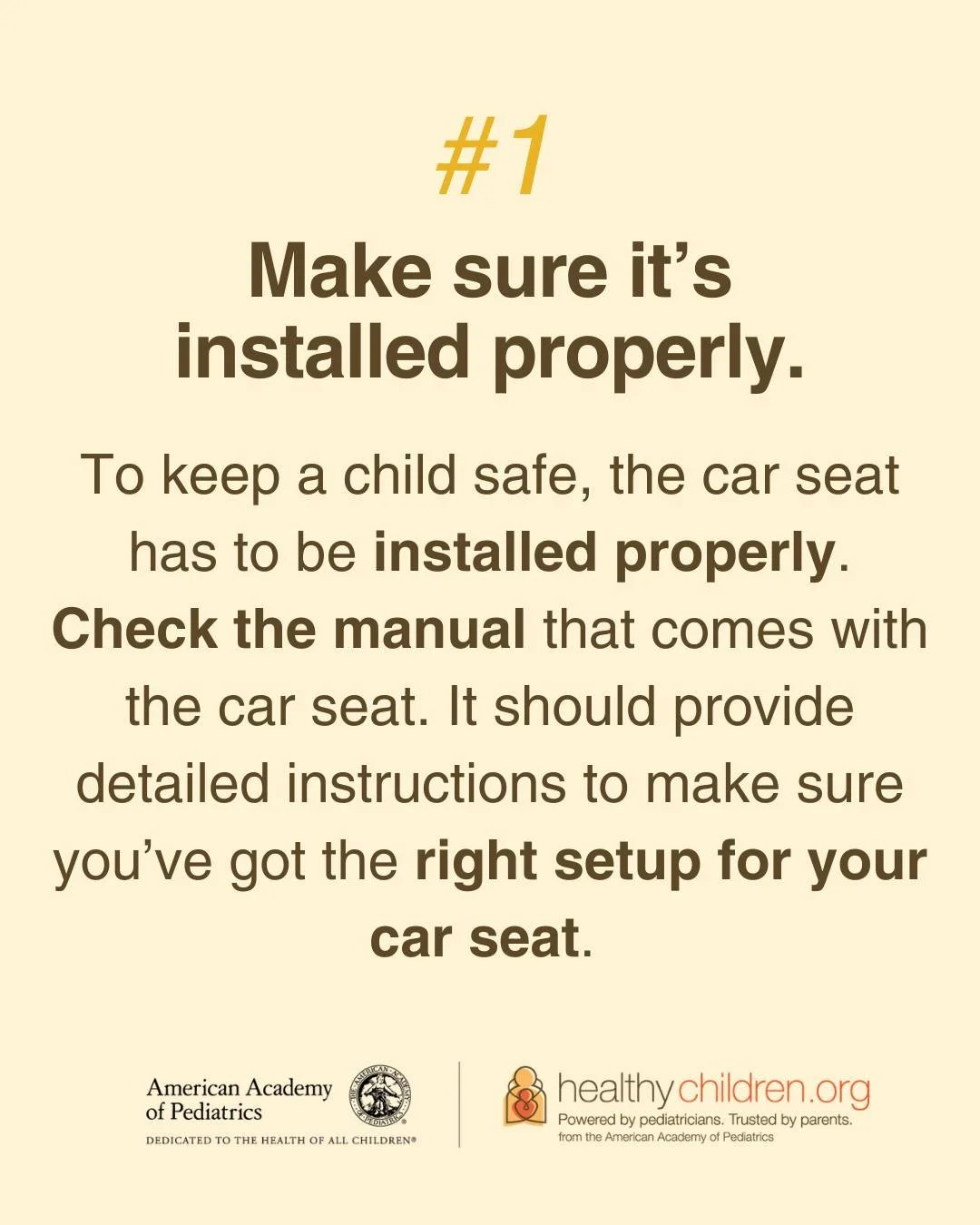
#1 Make Sure It’s Installed Properly

To keep a child safe, the car seat must be installed correctly.

Studies show that a significant number of car seats are installed incorrectly — often without parents realizing it. Even small mistakes can reduce the level of protection during a crash.

Every car seat comes with a detailed manual. That manual explains:

  • How tightly the seat should be secured

  • The correct angle for rear-facing installation

  • Where to place anchors or seat belts

  • Weight and height limits

Take the time to carefully read both your car seat manual and your vehicle’s owner manual. They work together.

A properly installed car seat should not move more than one inch side-to-side at the belt path.

If you are unsure, consider having your seat checked by a certified Child Passenger Safety Technician in the Jackson area.

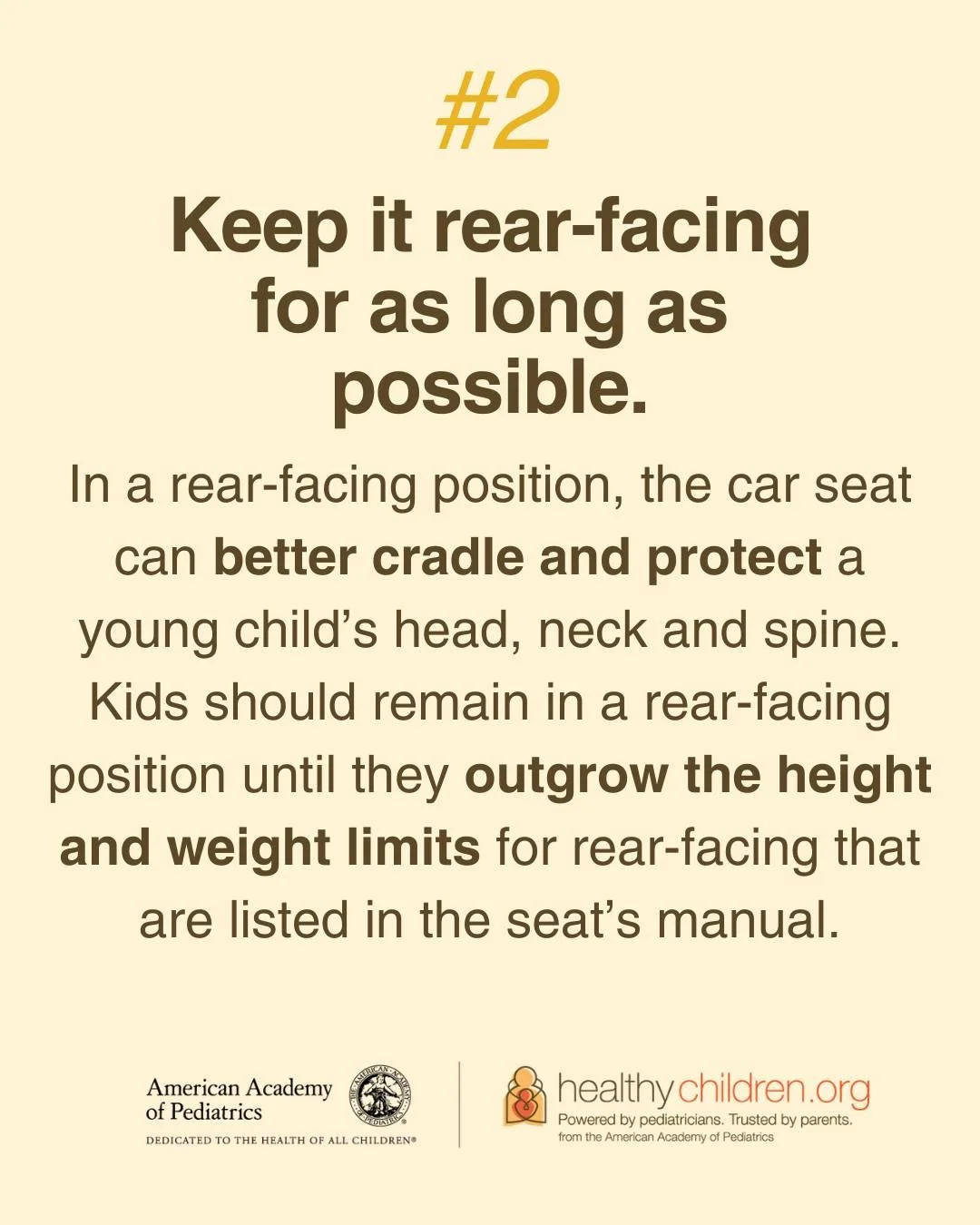
#2 Keep It Rear-Facing as Long as Possible

Rear-facing car seats provide the best protection for infants and toddlers.

In a rear-facing position, the seat better cradles and protects a young child’s head, neck, and spine. During a crash, the forces are distributed across the entire back of the seat rather than focusing on fragile areas.

Children should remain rear-facing until they outgrow the height and weight limits listed in the car seat manual — not just until they reach a certain birthday.

Many modern car seats allow children to remain rear-facing well into toddlerhood.

For families in Jackson, Medina, Humboldt, and throughout West Tennessee, this is one of the most important safety decisions you can make when transitioning seats.

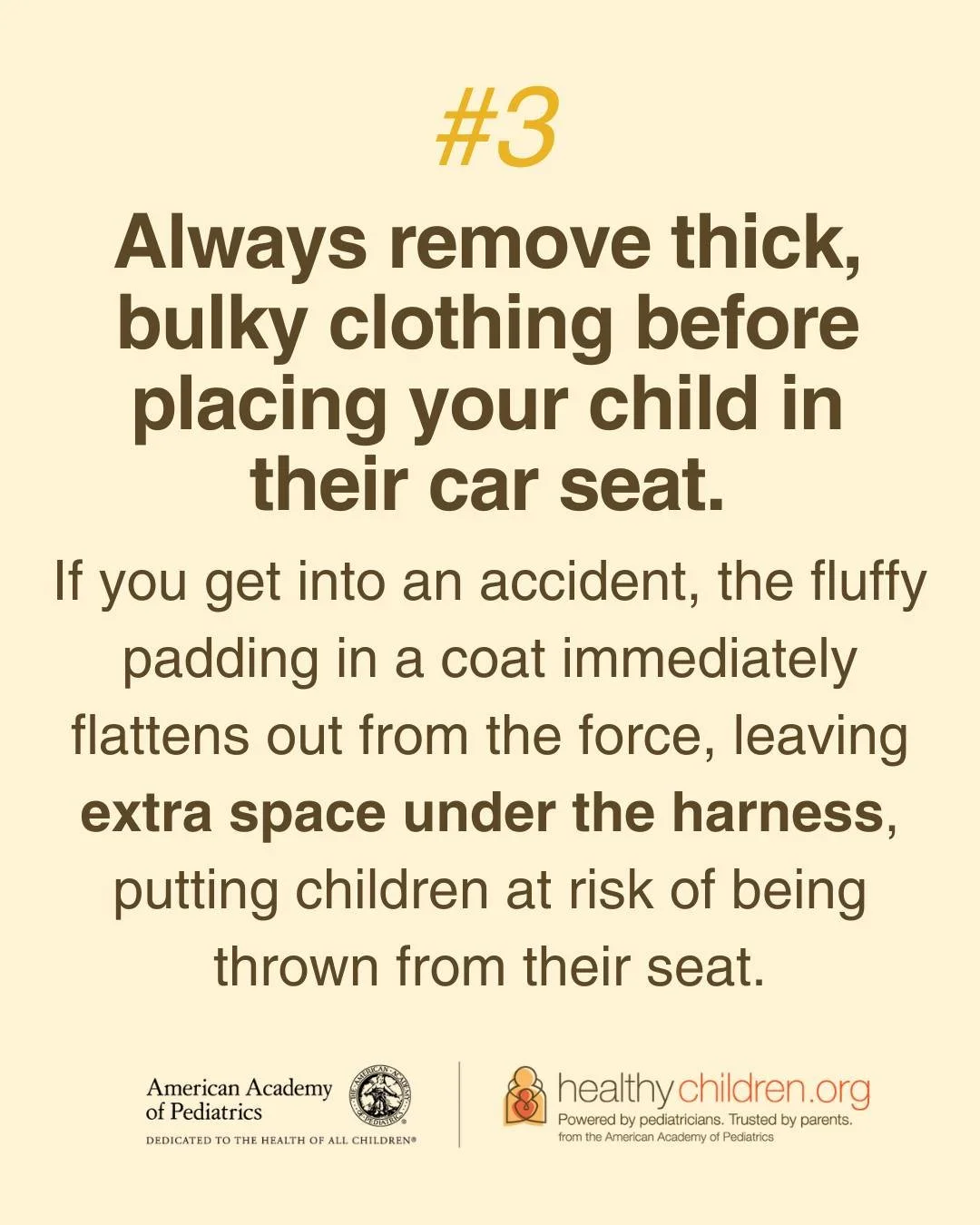
#3 Remove Thick, Bulky Clothing Before Buckling

This tip surprises many parents — especially during cold Tennessee winters.

Thick coats and bulky clothing create extra space between the harness and your child’s body. In a crash, the fluffy padding compresses immediately, leaving slack under the harness.

That slack can put a child at risk of being ejected from the seat.

Instead:

  • Dress your child in thinner layers

  • Buckle them snugly

  • Place a blanket over the harness after they are secured if needed

The harness should lie flat and snug against the child’s chest, with the chest clip positioned at armpit level.

Why Proper Car Seat Use Matters

Motor vehicle crashes remain one of the leading causes of injury for children.

When used correctly, car seats dramatically reduce risk — but improper use can compromise that protection.

Car seat safety isn’t just about owning one. It’s about:

  • Correct installation

  • Appropriate positioning

  • Proper harness adjustment

  • Following manufacturer guidelines

Even experienced parents can benefit from reviewing safety steps periodically — especially when switching vehicles or upgrading seats.

Car Seat Safety in Jackson, TN

At The Children’s Clinic, we care deeply about injury prevention and child safety.

If you have questions about:

  • When to transition seats

  • Rear-facing vs. forward-facing

  • Booster readiness

  • Harness fit

  • Growth and weight limits

We’re happy to help guide you.

The Children’s Clinic
264 Coatsland Drive
Jackson, TN 38301
📞 731-423-1500

Serving families in Jackson, Madison County, and throughout West Tennessee.

Because keeping your child safe on the road starts long before you turn the key.
Stop – Wait – Go: A Jackson Pediatrician’s Guide to Finding Healthy Screen Content for Young Children

There is more content available for kids today than ever before.

From streaming platforms and YouTube to apps and social media clips, children in Jackson, TN and across West Tennessee are surrounded by digital media. And while some of it is thoughtful, educational, and developmentally appropriate, much of it simply isn’t.

As parents, it can feel overwhelming trying to sort through it all.

At The Children’s Clinic in Jackson, we often hear questions like:

  • “Is this show okay for my toddler?”

  • “Are fast-paced cartoons bad?”

  • “What about apps with ads?”

  • “Is AI-generated content safe for young kids?”

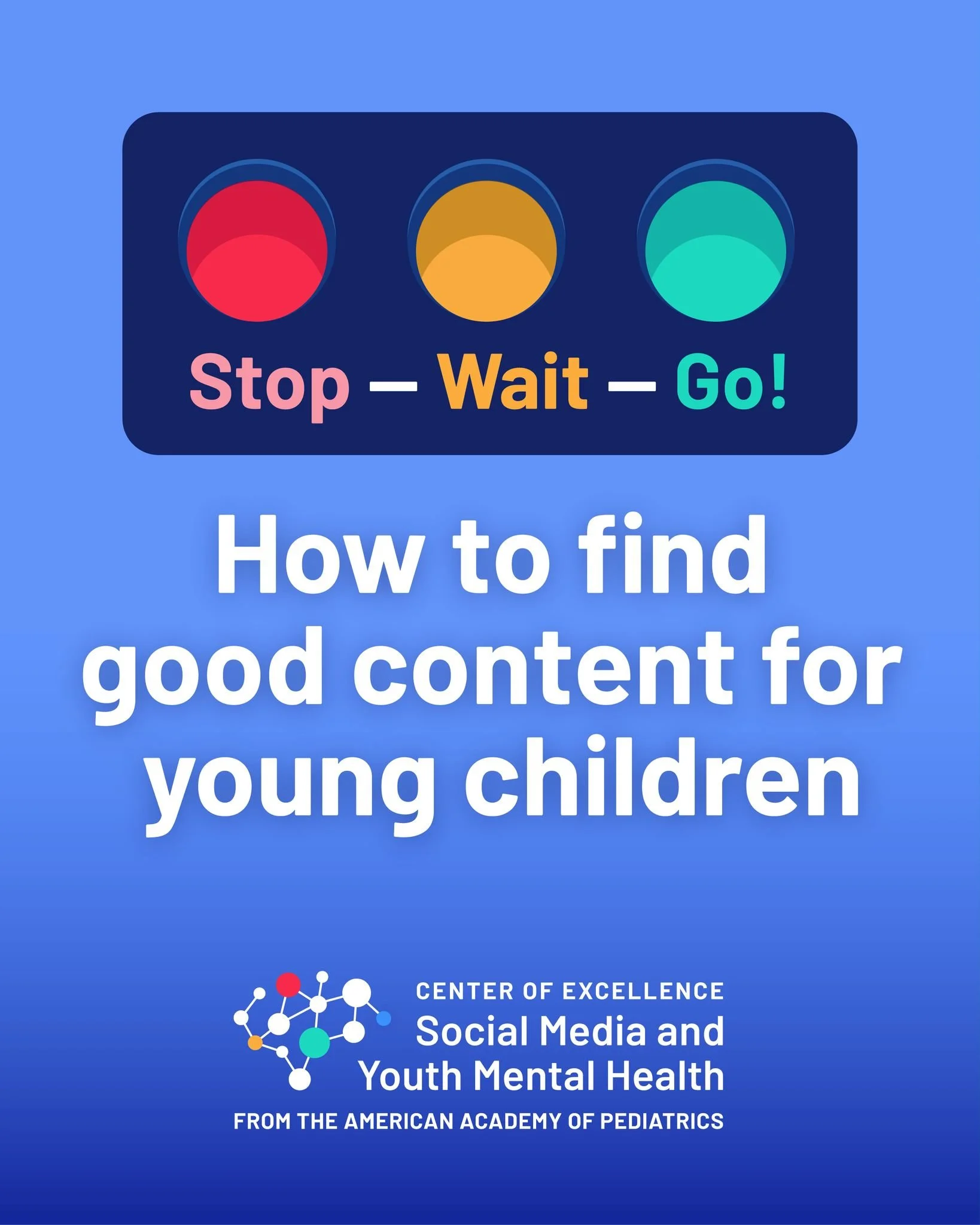
The American Academy of Pediatrics offers a helpful framework: Stop – Wait – Go. It’s a simple way to evaluate what your child is watching.

Let’s break it down.

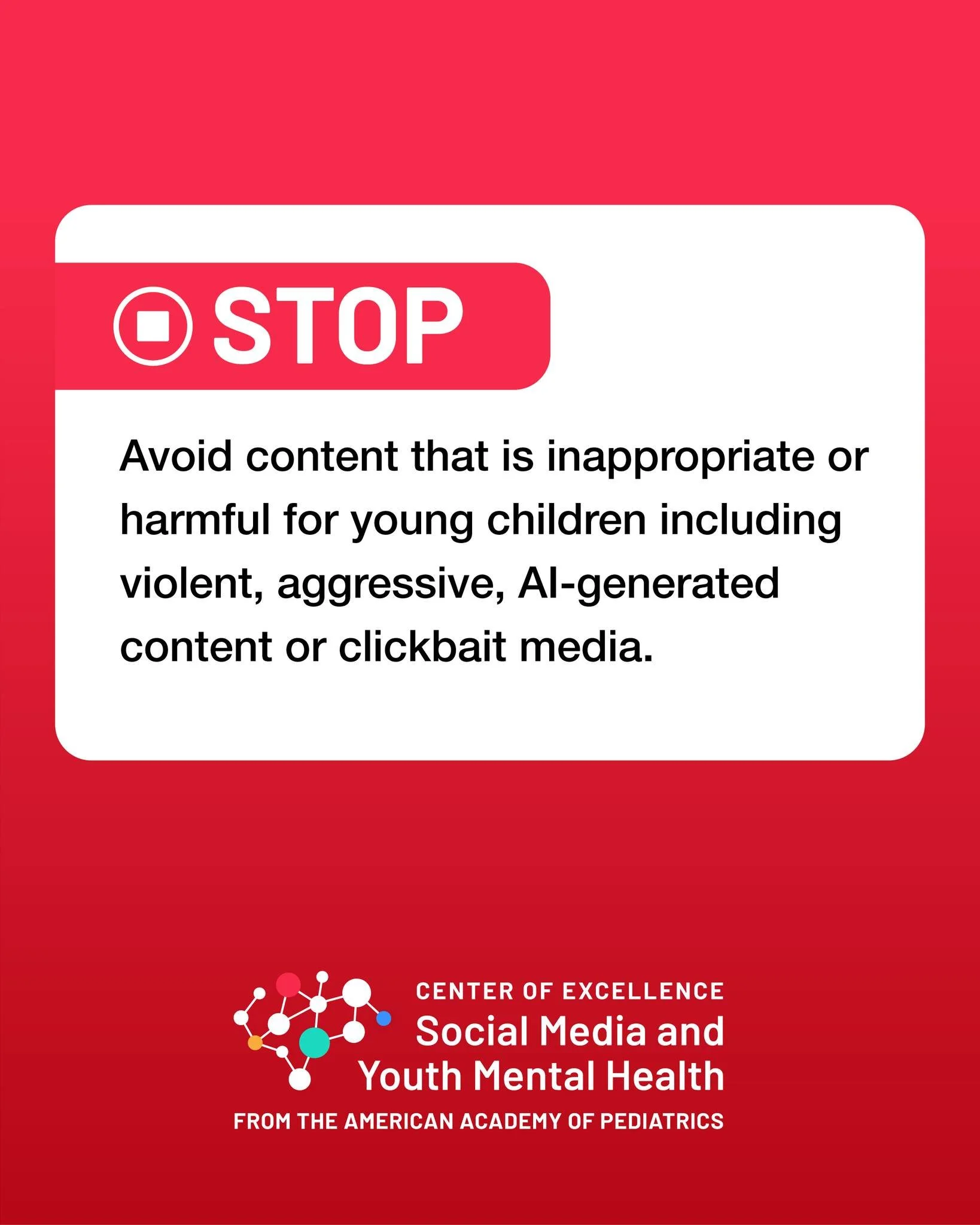
🛑 STOP: Content to Avoid for Young Children

Some content simply isn’t appropriate for little kids.

Avoid content that is:

  • Violent or aggressive

  • Fast, chaotic, or overstimulating

  • AI-generated with unrealistic visuals or distorted speech

  • Clickbait-style videos designed only to grab attention

  • Filled with sudden loud sounds or flashing images

  • Meant for older children or teens

Young children’s brains are still developing. Rapid scene changes and aggressive content can make it harder for them to regulate emotions and attention.

If something feels uncomfortable or overwhelming to you as a parent, that’s often a good sign it’s not a good fit for your child either.

Families in Madison County and surrounding communities like Medina, Humboldt, and Milan are navigating these same concerns — and you’re not alone in wanting to make the best choices.

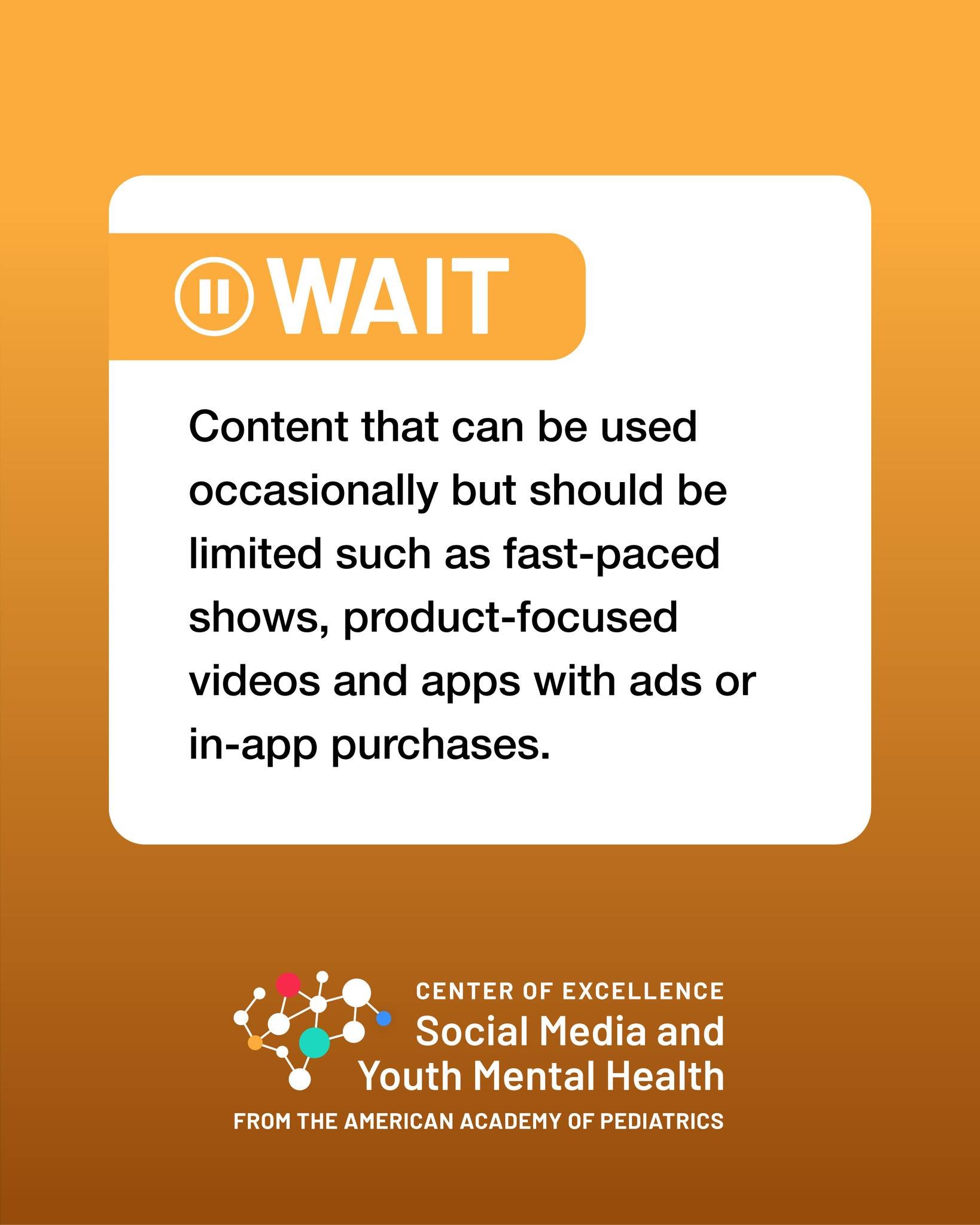
⏸ WAIT: Content That’s Okay Occasionally

Not all questionable content needs to be banned completely — but it may need limits.

This includes:

  • Fast-paced entertainment shows

  • Product-focused videos

  • Apps with ads

  • Games with in-app purchases

  • Content that emphasizes buying or collecting

These types of media can be stimulating and entertaining, but they are best used in moderation. When screens become primarily commercial or overly stimulating, children may struggle with attention, patience, or creative play.

A good rule of thumb?
If the content encourages your child to constantly click, swipe, buy, or move quickly to the next thing, it’s probably a “WAIT” category item.

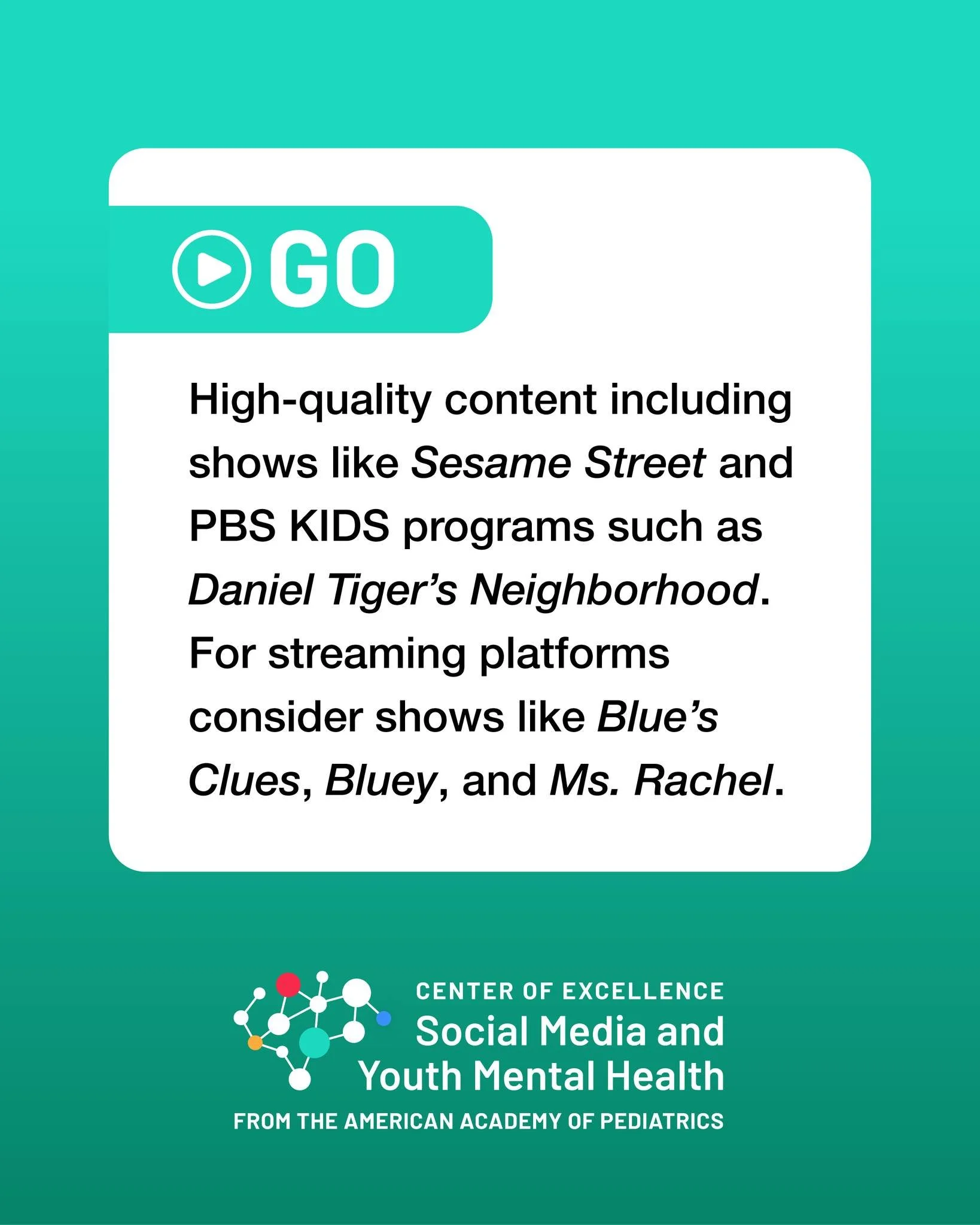
▶️ GO: High-Quality, Child-Focused Content

There is excellent content available for young children — content created intentionally to support emotional growth, language development, and problem-solving skills.

High-quality examples include:

  • Educational, slower-paced programming

  • Shows with clear storylines and positive role models

  • Content that encourages empathy and social skills

  • Programs like Sesame Street

  • PBS Kids programming such as Daniel Tiger’s Neighborhood

  • Carefully designed children’s shows like Bluey, Blue’s Clues, and Ms. Rachel

These programs are built around how young children actually learn.

They model:

  • Emotional regulation

  • Friendship skills

  • Sharing and kindness

  • Problem-solving

  • Healthy communication

When children engage with thoughtful content alongside a parent or caregiver, learning improves even more.

Why Content Quality Matters for Brain Development

In early childhood, the brain forms connections at a rapid pace.

High-quality programming:

  • Supports language development

  • Reinforces positive behavior

  • Encourages imagination

  • Builds social understanding

Low-quality content, especially if excessive, may:

  • Increase irritability

  • Reduce attention span

  • Interfere with sleep

  • Replace active play and real-world interaction

Screens are not inherently bad — but the type of content and how it is used makes a significant difference.

Tips for Jackson, TN Parents Managing Screen Time

At The Children’s Clinic, we recommend:

✔ Watch with your child when possible
✔ Talk about what you’re seeing
✔ Keep screens out of bedrooms
✔ Avoid screens at least one hour before bedtime
✔ Choose slower-paced, educational programs
✔ Set clear time limits

And most importantly — balance screen time with outdoor play, reading, and family interaction.

In West Tennessee, we are fortunate to have parks, libraries, and community programs that support healthy childhood development. Screen time should complement real life — not replace it.

You Don’t Have to Figure It Out Alone

Parenting in the digital age comes with new challenges.

If you have concerns about your child’s screen habits, behavior changes, sleep issues, or attention span, we are here to help.

The Children’s Clinic
264 Coatsland Drive
Jackson, TN 38301
📞 731-423-1500

Serving families in Jackson, Medina, Humboldt, Milan, and throughout West Tennessee.

Because raising healthy children today means helping them navigate both the real world and the digital one.

It’s Not Too Late: Why Jackson, TN Parents Should Still Get Their Child’s Flu Shot

Flu season isn’t over — and there’s still time to protect your child.

Each year, influenza leads to thousands of pediatric hospitalizations across the United States. While many people think of the flu as “just a bad cold,” it can cause serious complications — especially in young children and those with underlying health conditions.

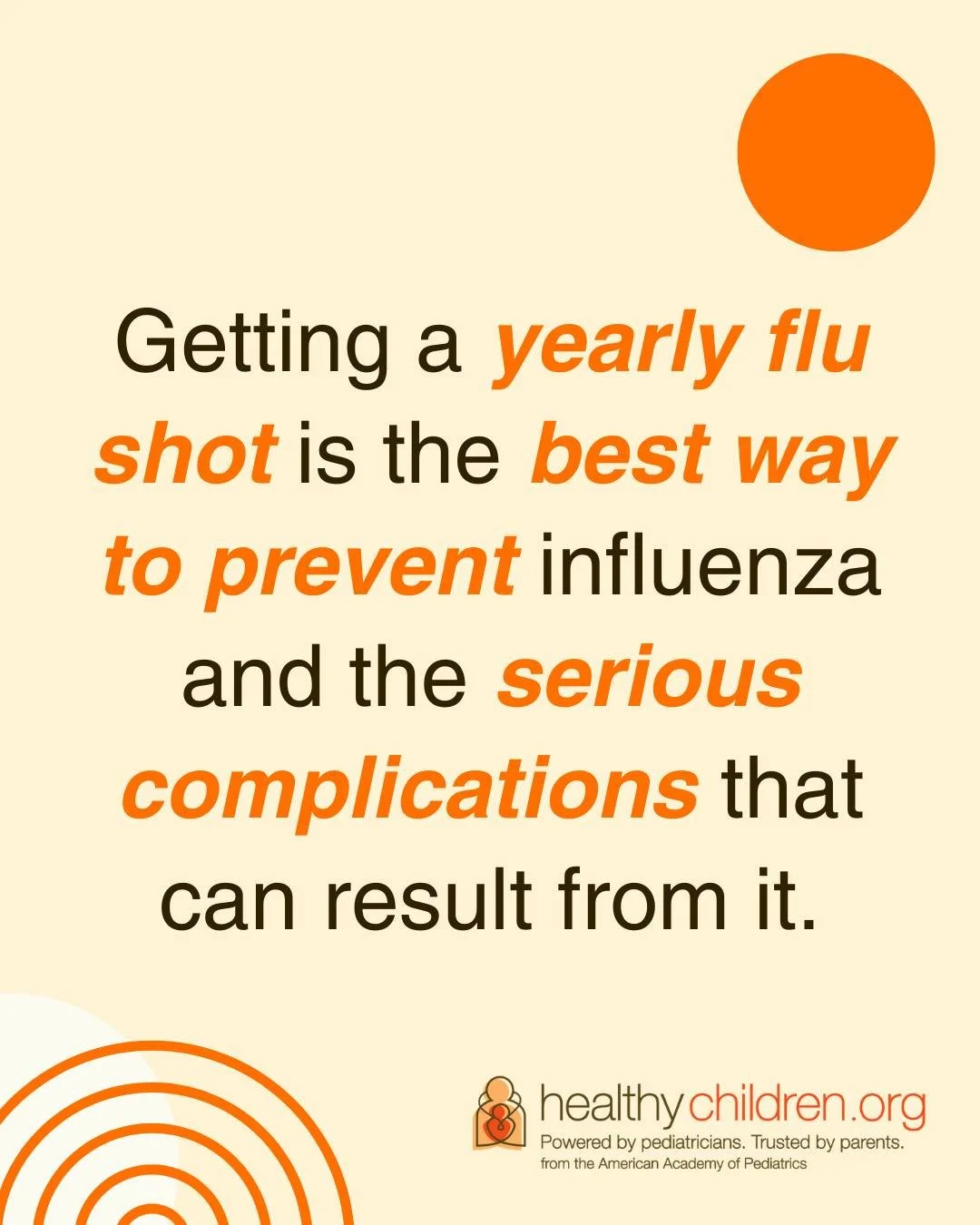
For families in Jackson, TN and throughout West Tennessee, getting a yearly flu vaccine remains the most effective way to prevent influenza and reduce the risk of serious complications.

Why Young Children Are at Higher Risk

Children under age 5 — and especially those younger than 2 years old — are at the highest risk for severe flu complications. Their immune systems are still developing, making it harder for their bodies to fight off infection.

Flu complications in young children can include:

  • Pneumonia

  • Dehydration

  • Worsening of asthma

  • Ear infections

  • Sinus infections

  • In rare cases, hospitalization

For children and teens with chronic health conditions — such as asthma, diabetes, heart disease, or weakened immune systems — the risk is even greater.

The Flu Can Be Serious — Even for Healthy Kids

It’s important to remember that even otherwise healthy children can develop severe flu symptoms. Each year, pediatric hospitals see children admitted for flu-related complications, including breathing difficulties and high fevers that don’t respond to treatment.

Flu spreads easily in schools, daycare centers, and households. Once one child gets sick, it often spreads quickly to siblings and caregivers.

The good news? The flu vaccine significantly reduces the risk of severe illness and hospitalization.

Why the Flu Shot Matters — Even Late in the Season

Some parents wonder if it’s “too late” in the winter to get vaccinated. The answer is no.

Flu season can last into early spring. Getting vaccinated now still provides important protection for the remainder of the season.

The flu vaccine works by helping your child’s immune system recognize and fight off the virus. Even if your child does catch the flu after vaccination, symptoms are often milder and less likely to lead to complications.

Protecting the Most Vulnerable

When you vaccinate your child, you’re not only protecting them — you’re also protecting:

  • Younger siblings

  • Grandparents

  • Family members with chronic illnesses

  • Babies who are too young to be fully vaccinated

Community protection is especially important during peak flu months in Jackson, TN and Madison County, where schools and community events increase exposure.

Common Questions from West Tennessee Parents

Can the flu shot give my child the flu?

No. The flu vaccine does not cause influenza. Some children may experience mild side effects like soreness at the injection site or a low-grade fever, but these are temporary and much milder than actual flu illness.

My child is healthy — do they still need it?

Yes. Even healthy children can develop serious complications from influenza. Annual vaccination is recommended for everyone 6 months and older.

How often does my child need a flu shot?

Children need a flu vaccine every year. The virus changes, and the vaccine is updated annually to provide the best protection.

Don’t Wait — Protect Your Child Today

If your child hasn’t received their flu vaccine this season, there is still time.

At The Children’s Clinic in Jackson, Tennessee, we care for families across Madison County and surrounding West Tennessee communities. Our pediatric team can answer your questions, discuss your child’s risk factors, and make sure they are protected.

Flu prevention is simple — and it starts with one shot.

Schedule Your Child’s Flu Vaccine Today

The Children’s Clinic
264 Coatsland Drive
Jackson, TN 38301
📞 731-423-1500

Serving families in Jackson, Medina, Humboldt, Milan, and throughout West Tennessee.

Because protecting your child’s health — this season and every season — matters.

❄️ Frostbite in Kids: What Jackson, TN Parents Need to Know During Extreme Cold

It’s been an extremely cold winter across much of the country — and here in Jackson, Tennessee and throughout West Tennessee, families are feeling it too. While kids love playing in the snow or bundling up for outdoor fun, they’re especially at risk for frostbite.

Children lose body heat more quickly than adults. And if they’re having a great time outside, they’re far less likely to notice when their fingers, toes, ears, or cheeks are getting dangerously cold.

At The Children’s Clinic in Jackson, TN, we want parents across Madison County and surrounding areas to know what frostbite looks like — and what to do if it happens.

What Is Frostbite?

Frostbite happens when skin and underlying tissues freeze due to prolonged exposure to cold temperatures. It most often affects:

  • Fingers

  • Toes

  • Ears

  • Nose

  • Cheeks

Early frostbite may look mild at first — but it can quickly become serious if not treated properly.

Why Kids Are More Vulnerable

Children are at higher risk because:

  • Their bodies are smaller and lose heat faster

  • They may not recognize or communicate that they’re too cold

  • They resist coming inside when they’re having fun

  • Wet gloves, socks, or clothing speed up heat loss

In areas like Jackson, TN, where we don’t always get prolonged extreme cold, parents may not immediately recognize the signs — which makes awareness even more important.

Signs of Frostbite in Children

Watch for:

  • Pale, white, grayish, or waxy-looking skin

  • Cold or numb skin

  • Tingling or stinging sensation

  • Skin that feels firm or hard

  • Blisters (in more advanced cases)

If your child complains that an area “doesn’t feel right” or says their fingers or toes feel numb, take it seriously.

What To Do If You Think Your Child Has Frostbite

If you suspect frostbite, act calmly and quickly.

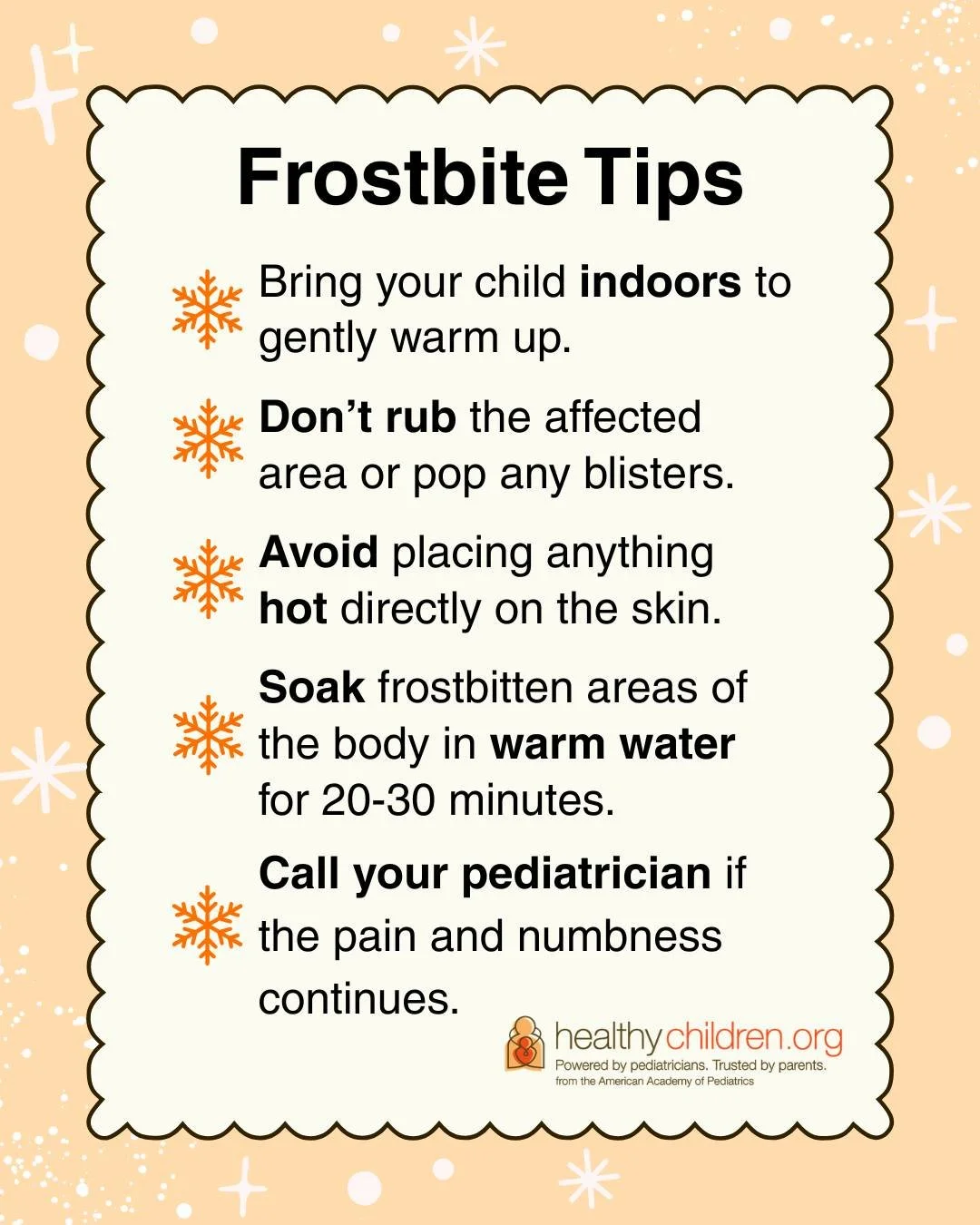
1️⃣ Bring Your Child Indoors

Move them into a warm environment right away. Remove any wet clothing and replace it with dry, warm layers.

2️⃣ Do NOT Rub the Skin

It may be tempting to rub the area to warm it — don’t. Rubbing can cause further tissue damage. Also, do not pop any blisters.

3️⃣ Avoid Direct Heat

Never place heating pads, hot water bottles, or space heaters directly against the skin. Frostbitten skin can burn easily because it may be numb.

4️⃣ Soak in Warm (Not Hot) Water

Gently soak the affected area in warm water (not hot) for 20–30 minutes. The water should feel comfortable to the inside of your wrist — not scalding.

5️⃣ Call Your Pediatrician

If pain, numbness, skin discoloration, or blistering continues after warming, contact your pediatrician right away.

Parents in Jackson, TN and surrounding communities like Humboldt, Medina, Milan, and throughout Madison County can call us with concerns — especially during severe cold snaps.

When Is Frostbite an Emergency?

Seek urgent medical care if:

  • Skin turns dark blue or black

  • There is severe swelling

  • Blisters are large or worsening

  • Your child has severe pain after rewarming

  • Your child also shows signs of hypothermia (shivering, confusion, drowsiness, slowed breathing)

Preventing Frostbite in the First Place

Prevention is always best. During cold weather in West Tennessee, make sure your child:

  • Wears multiple loose layers

  • Has waterproof gloves and insulated boots

  • Keeps ears covered with a hat

  • Changes out of wet clothing immediately

  • Comes inside for warming breaks every 20–30 minutes

If wind chill drops below freezing, shorten outdoor playtime significantly.

A Quick Reminder for Parents

Kids often don’t want to stop playing — especially when snow is involved. Set a timer if you need to. Warm-up breaks are important.

If you ever feel unsure about what you’re seeing, it’s okay to call. That’s what we’re here for.

We’re Here for Jackson & West Tennessee Families

At The Children’s Clinic, we proudly care for families across:

  • Jackson, TN

  • Madison County

  • Humboldt

  • Medina

  • Milan

  • Surrounding West Tennessee communities

If you have questions about frostbite, winter illnesses, or your child’s health this season, give us a call.

📍 264 Coatsland Drive
Jackson, TN 38301
📞 731-423-1500

Your child’s safety is always our priority — especially during extreme weather.

How Much Toothpaste Does Your Child Really Need? A Pediatric Dentist–Approved Guide for Parents

February is National Children’s Dental Health Month, which makes it the perfect time to talk about one of the most common — and most confusing — questions parents ask: How much toothpaste should my child actually be using?

From babies getting their first tooth to elementary-aged kids brushing on their own, good oral health habits start early. Using the right amount of fluoride toothpaste at the right age helps prevent cavities, protects developing teeth, and sets your child up for a lifetime of healthy smiles.

At The Children’s Clinic in Jackson, Tennessee, we talk with parents every day across Madison County and West Tennessee who want to do the right thing but aren’t always sure what that looks like when it comes to dental care. Let’s break it down in a simple, age-by-age way.

Why Early Dental Care Matters More Than You Think

Baby teeth may be temporary, but they play a very real role in your child’s health and development. They help with chewing, speech, and holding space for adult teeth. When cavities form early, they can lead to pain, infections, difficulty eating, and even problems with permanent teeth later on.

Tooth decay is one of the most common chronic childhood conditions — but it’s also largely preventable. Brushing twice a day with fluoride toothpaste is one of the most effective ways to protect your child’s teeth from the very beginning.

When Should You Start Brushing?

The answer surprises many parents: as soon as the first tooth appears.

That first tiny tooth is still vulnerable to cavities, especially because infants and toddlers often consume milk or other liquids that contain natural sugars. Starting early helps remove bacteria and introduces your child to a daily routine that will become second nature over time.

Toothpaste Amounts by Age: Getting It Just Right

One of the biggest misconceptions we see is that more toothpaste equals better cleaning. In reality, using too much toothpaste can increase the risk of swallowing excess fluoride, while too little may not provide enough cavity protection.

Here’s what pediatric experts recommend:

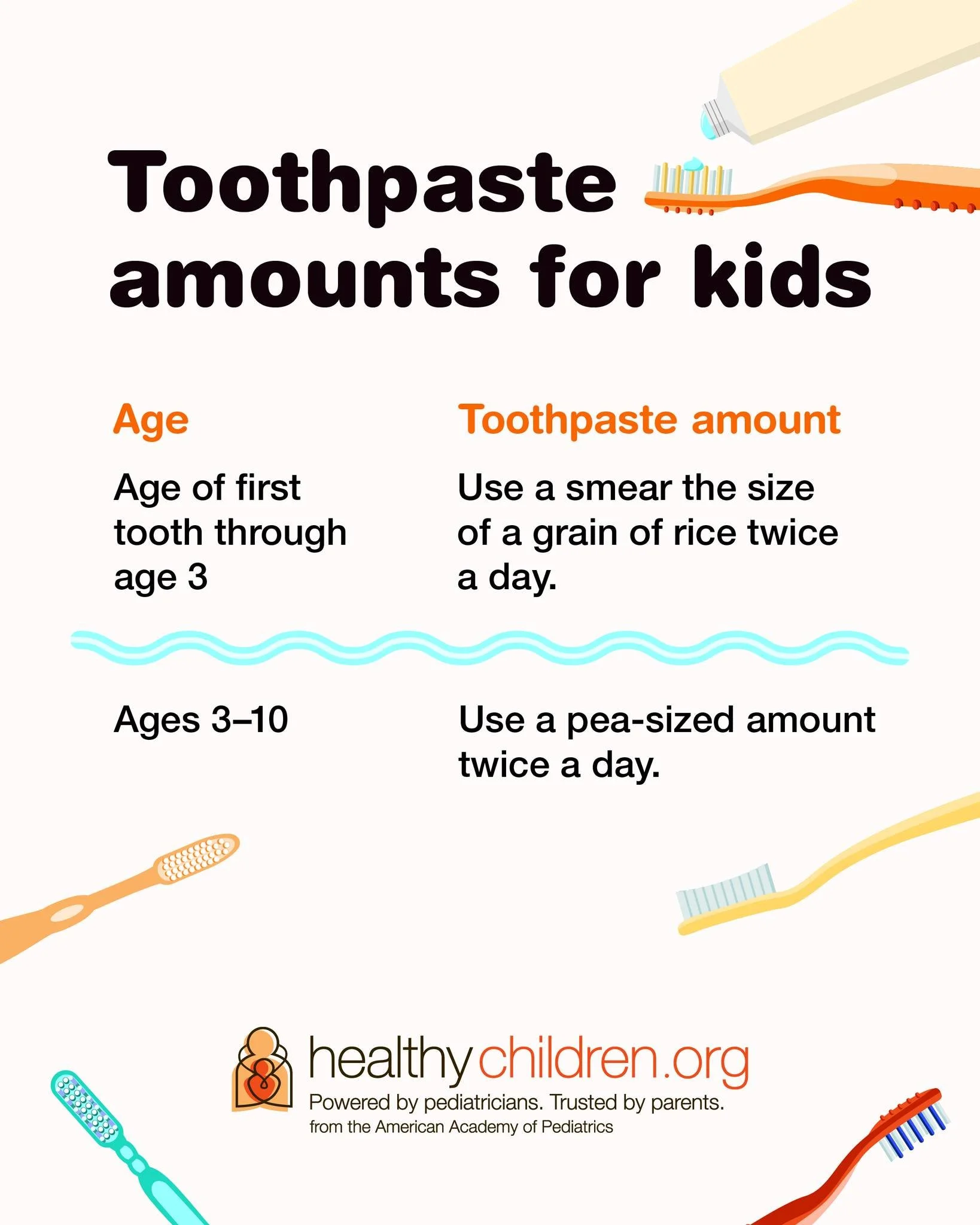
From the first tooth through age 3:
Use a very small smear of fluoride toothpaste — about the size of a grain of rice — twice a day. At this age, children are still learning how to spit, so keeping the amount minimal is important while still offering protection.

Ages 3 through 10:
Once your child is better at spitting, you can increase to a pea-sized amount of fluoride toothpaste, still brushing twice a day. This amount provides effective cavity prevention without overdoing it.

Parents should continue to supervise brushing during these years. Even older children often need reminders to brush thoroughly and not swallow toothpaste.

Why Fluoride Is Important for Kids’ Teeth

Fluoride strengthens tooth enamel and helps repair early signs of decay before cavities fully form. It’s a key reason toothpaste is so effective at preventing tooth decay in children.

Some parents worry about fluoride safety, but when used in the recommended amounts, fluoride toothpaste is both safe and beneficial. The key is using the correct amount for your child’s age and supervising brushing, especially for younger children.

Making Brushing a Positive Daily Habit

Tooth brushing doesn’t have to be a battle. Making it part of a predictable routine helps kids accept it as a normal part of their day.

Try these tips:

  • Brush together so your child can watch and imitate you

  • Use a soft-bristled, child-sized toothbrush

  • Make brushing fun with a favorite song or timer

  • Offer praise for good brushing efforts, even when it’s not perfect

Consistency matters more than perfection. Twice-daily brushing, morning and night, makes the biggest difference over time.

Common Toothpaste Mistakes Parents Make

Even well-meaning parents sometimes run into these issues:

  • Using too much toothpaste for young children

  • Letting kids brush completely unsupervised too early

  • Skipping nighttime brushing when kids are tired

  • Assuming baby teeth don’t need as much care

Small adjustments now can prevent bigger dental problems later.

Dental Health Is Part of Whole-Child Care

At The Children’s Clinic, we view oral health as an important part of overall pediatric care. Healthy teeth support proper nutrition, speech development, confidence, and comfort — all of which contribute to your child’s growth and well-being.

If you have questions about brushing, fluoride use, or your child’s dental development, our pediatric providers are always happy to talk through what’s best for your family.

Caring for Kids Across Jackson, TN and West Tennessee

Families throughout Jackson, TN, Madison County, and surrounding communities trust The Children’s Clinic for compassionate, evidence-based pediatric care. From well-child visits to everyday parenting questions, we’re here to support you every step of the way.

The Children’s Clinic
📍 264 Coatsland Drive, Jackson, TN 38301
📞 731-423-1500