
Green Cleaning: How to Choose Safer Products for Your Family

Walk down any cleaning aisle and you’ll see words like “green,” “natural,” and “eco-friendly” everywhere. It sounds reassuring—but what do those labels actually mean?

The truth is, the cleaning products you use in your home can directly impact your family’s health, especially young children who are more sensitive to chemicals, fumes, and residues left behind on surfaces.

If you’re a parent in Jackson, TN or anywhere in Madison County, knowing what’s in your cleaning supplies—and how to choose safer options—can make a real difference in your child’s environment.

Let’s break it down in a simple, practical way.

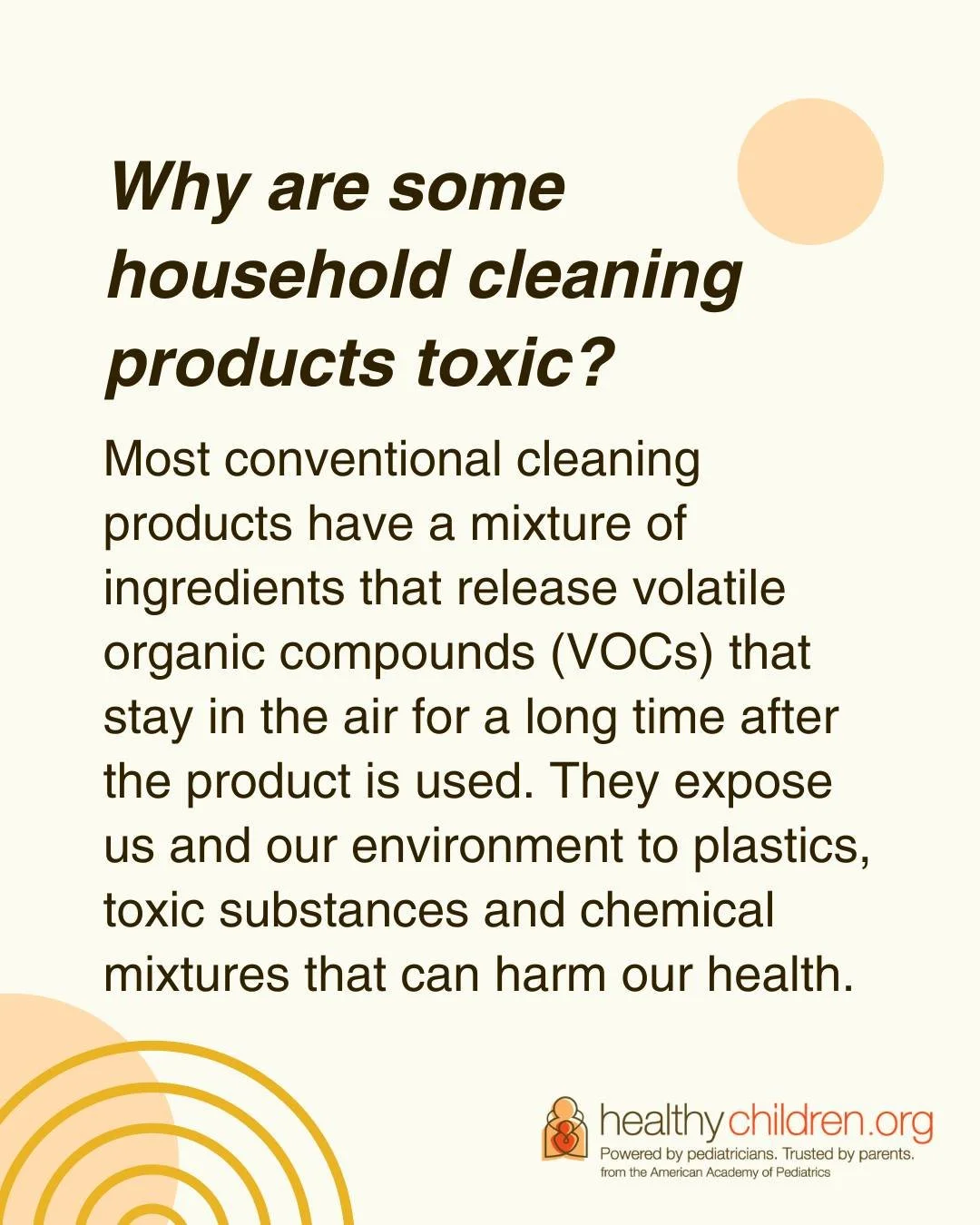
Why Some Cleaning Products Can Be Harmful

Many conventional household cleaners contain a mix of chemicals designed to cut grease, kill germs, and leave behind that “clean” scent.

The problem? Some of those ingredients release volatile organic compounds, also known as VOCs.

These compounds can linger in the air long after you’ve finished cleaning.

That means your child may still be breathing them in minutes—or even hours—later.

Exposure to certain chemicals has been linked to:

Irritation of the eyes, nose, and throat
Headaches or dizziness
Worsening asthma or allergy symptoms
Skin irritation

For babies and young children, who spend more time close to floors and surfaces, the exposure can be even greater.

What “Green” Cleaning Really Means

Here’s where things get a little tricky.

Just because a product says “green” or “natural” doesn’t automatically mean it’s safe.

Those terms are often used for marketing—and they aren’t always regulated.

Some products labeled as eco-friendly may still contain ingredients that can irritate sensitive skin or lungs.

That’s why reading the label matters more than the front of the bottle.

When choosing safer cleaning products, look for trusted certifications such as:

Safer Choice
Green Seal Certified
Made Safe
EWG Verified

These labels indicate that the product has been reviewed for safety and environmental impact.

Safer Ingredients to Look For

If you need products that sanitize or disinfect, there are safer options that still get the job done.

Look for active ingredients like:

Hydrogen peroxide
Citric acid
L-lactic acid
Ethanol

These tend to break down more safely and don’t linger in the environment the same way harsher chemicals can.

Properly diluted household bleach can also be used safely when needed—but it’s important to follow instructions carefully and ensure good ventilation.

Simple Ways to Reduce Exposure at Home

You don’t have to replace everything overnight to make a difference.

Start with a few small changes:

Open windows or increase ventilation when cleaning
Avoid mixing cleaning products
Use fragrance-free options when possible
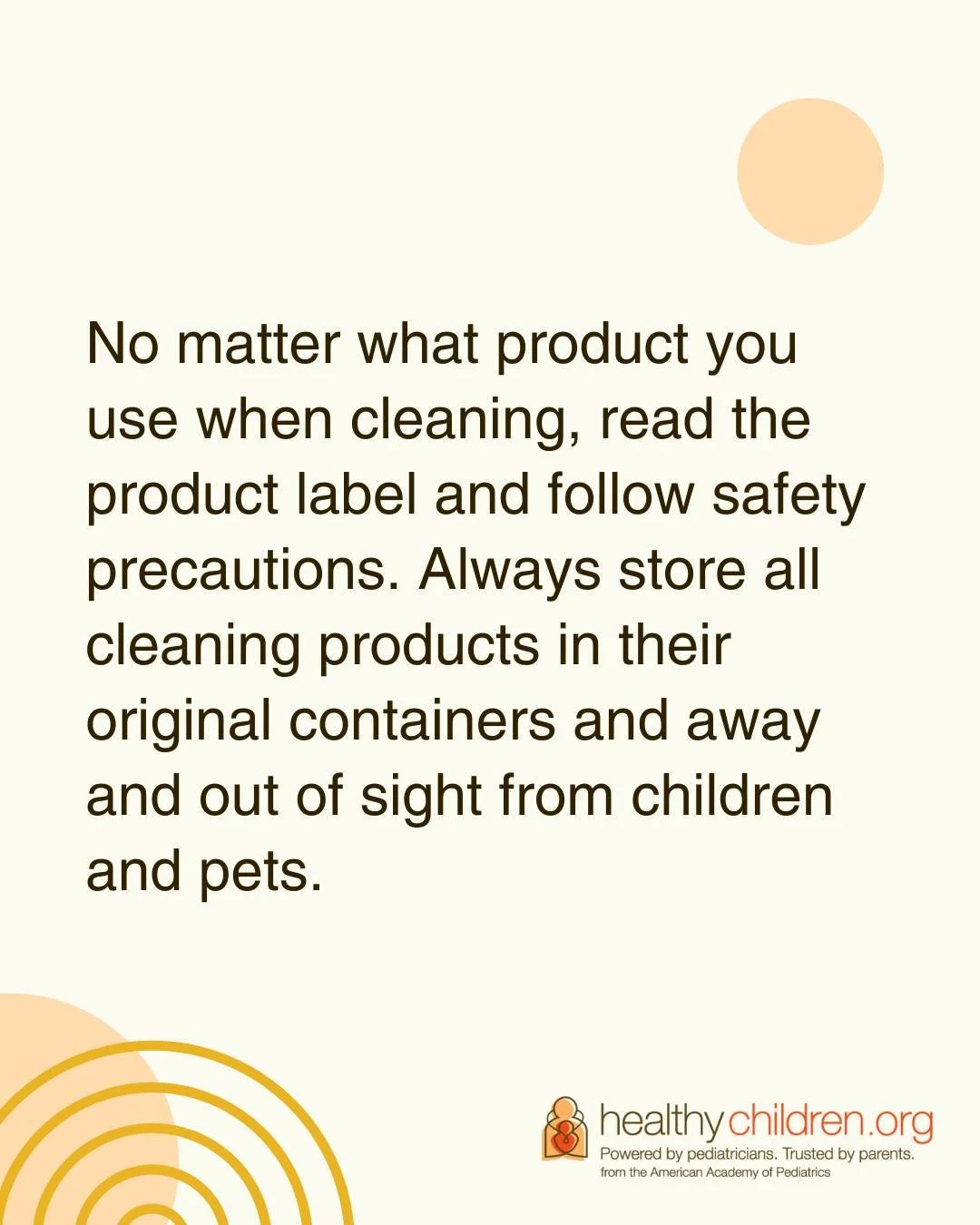
Store all cleaning supplies out of reach and out of sight of children
Always follow label directions exactly

Even switching just a few frequently used products—like all-purpose cleaner or bathroom spray—can reduce your child’s daily exposure.

A Real-Life Example

We often see families in Jackson, TN who are dealing with frequent allergy symptoms or mild respiratory irritation in their children.

Sometimes, one of the first things we look at isn’t just pollen or seasonal illness—it’s the home environment.

In a few cases, simply switching to low-VOC or fragrance-free cleaning products made a noticeable difference.

It’s not always the only factor, but it’s one that’s often overlooked.

The Bottom Line

A clean home is important—but how you clean matters too.

Choosing safer cleaning products, reading labels, and being mindful of what’s in your home can help protect your child’s health without sacrificing cleanliness.

If you ever have concerns about allergies, breathing issues, or skin irritation, it’s worth taking a closer look at everyday exposures—including cleaning products.

The Children’s Clinic is here for families in Jackson, TN and surrounding areas

If you have questions about your child’s health, allergies, or environmental exposures, we’re here to help.

📍 264 Coatsland Drive, Jackson, TN 38301
📞 731-423-1500

Your child’s health starts at home—and we’re here to support you every step of the way.

Building a “Calm Toolbox” for Kids in Jackson, TN

Big emotions are a normal part of growing up.

Whether it’s frustration, anxiety, overwhelm, or just a really tough day, every child experiences moments when they need help calming down. And if you’re a parent in Jackson, TN or surrounding areas like Medina, Humboldt, or Milan, you’ve probably seen firsthand how quickly those big feelings can take over.

In today’s world, it’s easy to hand over a screen to help calm things down—and sometimes, that’s okay.

But screens shouldn’t be the only tool your child relies on.

That’s where a “calm toolbox” comes in.

What Is a Calm Toolbox?

A calm toolbox is simply a collection of healthy ways your child can manage big emotions.

Think of it as a go-to set of strategies your child can use when they’re feeling overwhelmed, upset, or out of control. The goal is to give them options—especially ones that don’t rely only on screens.

Because the truth is, kids need to learn how to regulate their emotions in different ways, and having a variety of tools makes that much easier.

Why Physical Sensations Help Kids Calm Down

One of the most effective ways to calm the nervous system is through physical sensation.

When a child is upset, their body is often in a heightened state—heart rate increases, breathing changes, and their brain goes into “fight or flight” mode.

Physical sensations can help interrupt that cycle.

Simple activities like holding something cold, taking a warm shower, or using a heating pad can bring their focus back to the present moment and help their body reset.

It’s not about distraction—it’s about regulation.

Simple “Calm Toolbox” Ideas to Try at Home

You don’t need anything fancy to build a calm toolbox. Many of the best tools are things you already have at home.

Here are a few simple ideas you can introduce to your child:

  • Take a warm or cool shower

  • Hold an ice cube or splash cool water on their face

  • Use a heating pad or wrap up in a cozy blanket

  • Try a face mask or self-care activity

  • Sit quietly and focus on breathing

These small physical experiences can have a surprisingly big impact on how quickly a child calms down.

Teaching Kids to Use Their Tools

The key to making a calm toolbox work is practice.

Don’t wait until your child is already overwhelmed to introduce these ideas. Talk about them during calm moments. Let your child try different options and figure out what feels best to them.

You might even create a “toolbox” together—either a physical box with items or just a simple list they can remember.

Over time, your child will start to recognize when they need a tool and choose one on their own.

That’s a huge step toward emotional independence.

It’s Okay to Use Screens—Just Not Only Screens

Let’s be real—screens can be helpful.

A favorite show or game can give kids a break and help them reset. And in busy households across Jackson and Madison County, sometimes that’s exactly what’s needed in the moment.

But when screens become the only coping tool, kids miss out on learning other ways to manage stress.

The goal isn’t to remove screens—it’s to add more options.

Supporting Your Child’s Emotional Health

At The Children’s Clinic in Jackson, TN, we care about your child’s physical and emotional well-being.

Helping kids learn how to calm themselves, manage stress, and cope with big feelings is just as important as any physical milestone.

Building a calm toolbox is a simple, effective way to support that growth at home.

We’re Here for Your Family

If you have questions about your child’s emotional health, behavior, or development, our team is here to help families across Jackson, TN and surrounding communities.

📍 The Children’s Clinic
264 Coatsland Drive
Jackson, TN 38301

📞 Call us: 731-423-1500

How Gardening Can Help Picky Eaters Try New Foods in Jackson, TN

If you’ve ever sat at the dinner table negotiating “just one more bite,” you’re definitely not alone.

Parents across Jackson, TN—and nearby areas like Medina, Humboldt, Milan, and throughout Madison County—often struggle with picky eaters. It can feel frustrating when your child refuses foods you know are good for them.

But what if there was a simple, low-pressure way to encourage your child to try new foods?

Believe it or not, the answer might be right in your backyard.

Why Gardening Makes a Difference

Gardening isn’t just about growing food—it’s about creating connection.

When kids are involved in growing their own vegetables, something shifts. Instead of being told what to eat, they become part of the process. They plant seeds, water the plants, and watch them grow day by day.

By the time it’s ready to harvest, that vegetable isn’t “just food” anymore—it’s something they helped create.

And that sense of ownership can turn hesitation into curiosity.

From “No Thanks” to “I’ll Try It”

We often see that children who normally refuse vegetables are much more willing to try them when they’ve been involved from the start.

Think about it:

  • They chose what to plant

  • They watched it grow

  • They helped pick it

  • They helped wash and prepare it

Suddenly, trying a bite doesn’t feel like a chore—it feels like an accomplishment.

It’s not uncommon for kids who usually avoid vegetables to happily eat a salad they helped build themselves.

Encouraging Curiosity Over Pressure

One of the biggest benefits of gardening is that it removes pressure from mealtime.

Instead of saying, “You need to eat this,” gardening invites kids to explore:

  • What does this plant feel like?

  • How does it smell?

  • What does it taste like fresh from the garden?

This natural curiosity is powerful. It allows children to try new foods at their own pace, which often leads to more positive experiences—and fewer mealtime battles.

You Don’t Need a Big Yard

Good news—you don’t need a full garden to get started.

Families in Jackson and surrounding communities can start small and still see big results. Even a few containers on a porch or patio can make a difference.

Easy options to try with kids include:

  • Cherry tomatoes

  • Lettuce or spinach

  • Cucumbers

  • Herbs like basil or parsley

These grow quickly and give kids a chance to see results without waiting too long.

Make It Fun and Interactive

Gardening works best when it feels like play, not a task.

Let your child:

  • Pick out seeds at the store

  • Help water plants each day

  • Check on growth progress

  • Harvest when ready

  • Help prepare simple meals

Even small roles—like rinsing vegetables or tearing lettuce—can make kids feel involved and more open to trying what’s on their plate.

Building Healthy Habits That Last

At The Children’s Clinic in Jackson, TN, we know that healthy eating habits start early—but they don’t have to be stressful.

Gardening is a simple, hands-on way to encourage better nutrition while also teaching patience, responsibility, and curiosity.

It’s not about perfection. It’s about progress.

And sometimes, that progress starts with one tiny seed.

We’re Here to Help

If you have concerns about your child’s eating habits, growth, or nutrition, you’re not alone—and you don’t have to figure it out on your own.

We’re here to support families across Jackson, TN and surrounding areas with practical, real-life guidance that works.

📍 The Children’s Clinic
264 Coatsland Drive
Jackson, TN 38301

📞 Call us: 731-423-1500

How Gardening Can Help Your Child Try New Foods in Jackson, TN

If you’ve ever struggled to get your child to eat their vegetables, you’re definitely not alone.

Across Jackson, TN and surrounding areas like Medina, Humboldt, and throughout Madison County, parents often tell us the same thing—getting kids to try new foods can feel like an uphill battle. One day they love carrots, the next day they refuse them completely.

But what if there was a simple, hands-on way to spark curiosity and make healthy eating feel exciting instead of stressful?

It might be as easy as stepping outside.

Why Gardening Works for Picky Eaters

Gardening does something powerful for kids—it gives them ownership.

When children help grow their own food, everything changes. Instead of being told to “eat your vegetables,” they become part of the process. They plant the seeds. They water them. They watch them grow.

And when it’s finally time to harvest?

They’re far more likely to want to taste what they helped create.

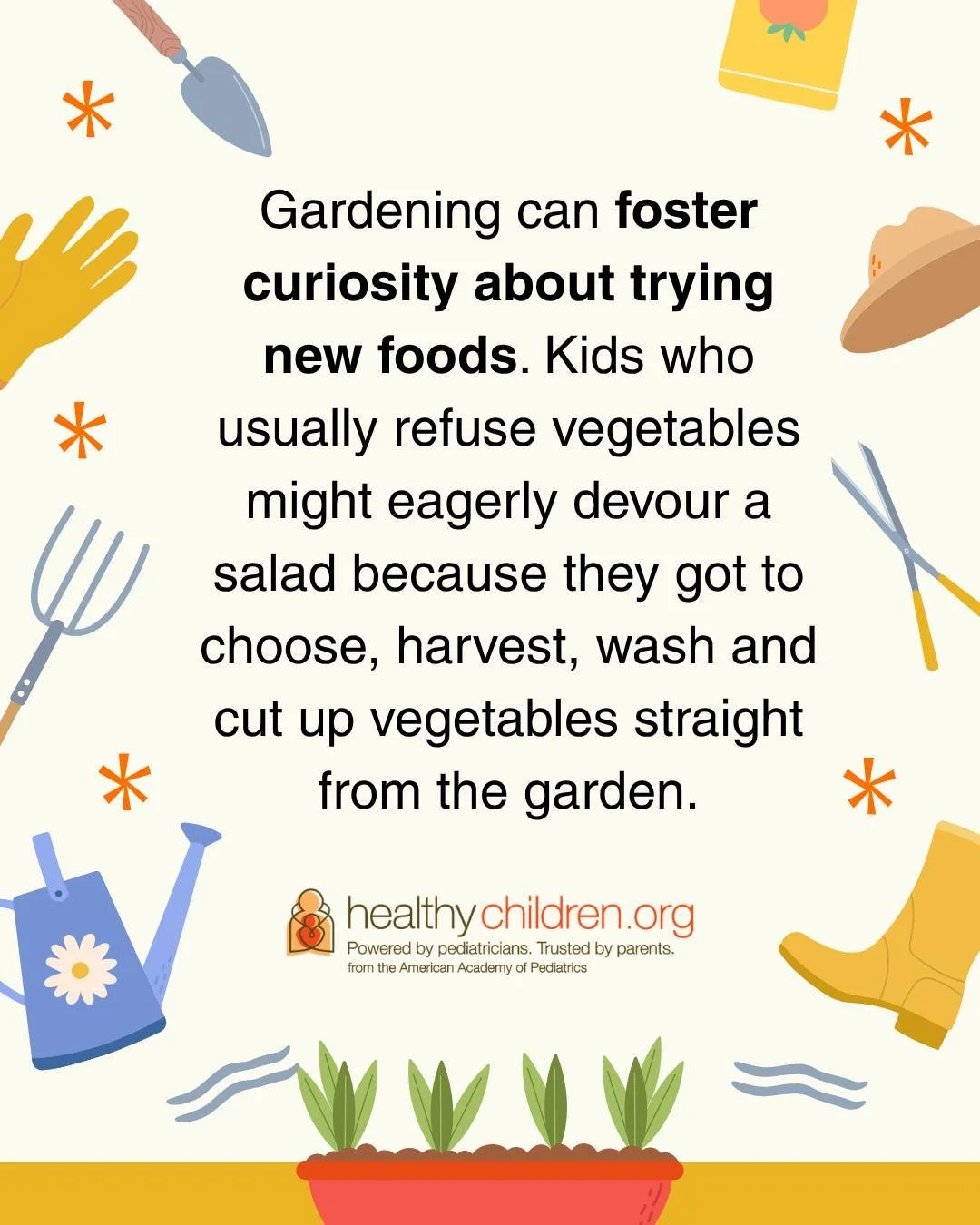
We often see that kids who normally refuse vegetables become curious—and even excited—about trying foods they picked themselves. A salad isn’t just a salad anymore. It’s something they chose, harvested, washed, and helped prepare.

That sense of pride can make all the difference.

Turning Curiosity Into Healthy Habits

Children are naturally curious. Gardening taps into that curiosity in a way that feels fun, not forced.

Instead of focusing on what they “should” eat, gardening shifts the experience to discovery:

  • What does this plant look like as it grows?

  • How long until it’s ready to pick?

  • What does it taste like fresh from the garden?

This hands-on learning helps children connect with their food in a meaningful way. It also encourages them to try new things without pressure.

And over time, those small moments can build lasting healthy habits.

You Don’t Need a Big Garden to Get Started

One of the best things about gardening is that it doesn’t have to be complicated.

Even in neighborhoods across Jackson or nearby communities like Milan or Brownsville, families can start small and still see big benefits.

You can try:

  • A few pots on a porch or patio

  • A small raised bed in your backyard

  • Herbs or cherry tomatoes in containers

Simple, easy-to-grow options like lettuce, cucumbers, tomatoes, and carrots are great for beginners—and fun for kids to watch grow.

The goal isn’t perfection. It’s participation.

Make It a Family Activity

Gardening also creates a great opportunity to spend time together as a family.

Let your child help pick what to plant. Give them small tasks like watering or harvesting. Talk about the foods you’re growing and how they’ll be used in meals.

Even letting your child rinse vegetables or help tear lettuce for a salad can make them more interested in eating what’s on their plate.

These shared experiences can turn mealtime from a struggle into something your child actually looks forward to.

A Simple Step Toward Healthier Eating

At The Children’s Clinic in Jackson, TN, we know that nutrition plays a big role in your child’s overall health and development.

But we also know that every child is different—and picky eating is a very real challenge for many families.

Gardening offers a simple, practical way to encourage healthier eating habits without pressure or frustration. It helps children build a positive relationship with food, one small step at a time.

If you have questions about your child’s nutrition, growth, or eating habits, we’re always here to help.

📍 The Children’s Clinic
264 Coatsland Drive
Jackson, TN 38301

📞 Call us: 731-423-1500

Spring Allergies in Kids: How Families in Jackson, TN Can Reduce Pollen Exposure

Spring is a beautiful time of year across Jackson, TN and surrounding areas like Medina, Humboldt, and Milan. Flowers bloom, trees fill out, and warmer weather brings everyone outside again.

But along with all that beauty comes something less welcome for many families—pollen allergies.

If your child starts sneezing more, rubbing their eyes, or dealing with a runny nose this time of year, pollen could be the reason.

Here’s what parents need to know about spring allergies—and one simple step that can make a big difference.

What Causes Spring Allergies?

Spring allergies are most often triggered by pollen. Pollen is a fine powder released by plants as part of their reproductive cycle.

The biggest culprits during spring include:

  • Tree pollen

  • Grass pollen

  • Weed pollen

These tiny particles travel easily through the air—especially on dry, windy days—and can quickly find their way into your home, your car, and your child’s nose and eyes.

For many children in West Tennessee, this leads to seasonal allergy symptoms that can range from mild to frustrating.

Common Allergy Symptoms in Children

Pollen allergies can look different from child to child, but some of the most common symptoms include:

  • Sneezing

  • Runny or stuffy nose

  • Itchy or watery eyes

  • Frequent nose rubbing

  • Coughing or throat irritation

Some children may also feel more tired than usual or have trouble sleeping due to congestion.

Because these symptoms can overlap with colds, it’s sometimes hard for parents to tell the difference—especially during the early spring months.

Why Pollen Is Worse on Certain Days

Not all spring days are equal when it comes to allergies.

Pollen levels tend to be highest when:

  • The weather is dry

  • It’s windy

  • There hasn’t been recent rain

Rain can temporarily wash pollen out of the air, but dry, breezy days allow it to spread more easily—often increasing symptoms for sensitive children.

That’s why you may notice your child’s allergies seem worse on certain days than others.

A Simple Step That Makes a Big Difference

One of the easiest and most effective ways to reduce pollen exposure is surprisingly simple:

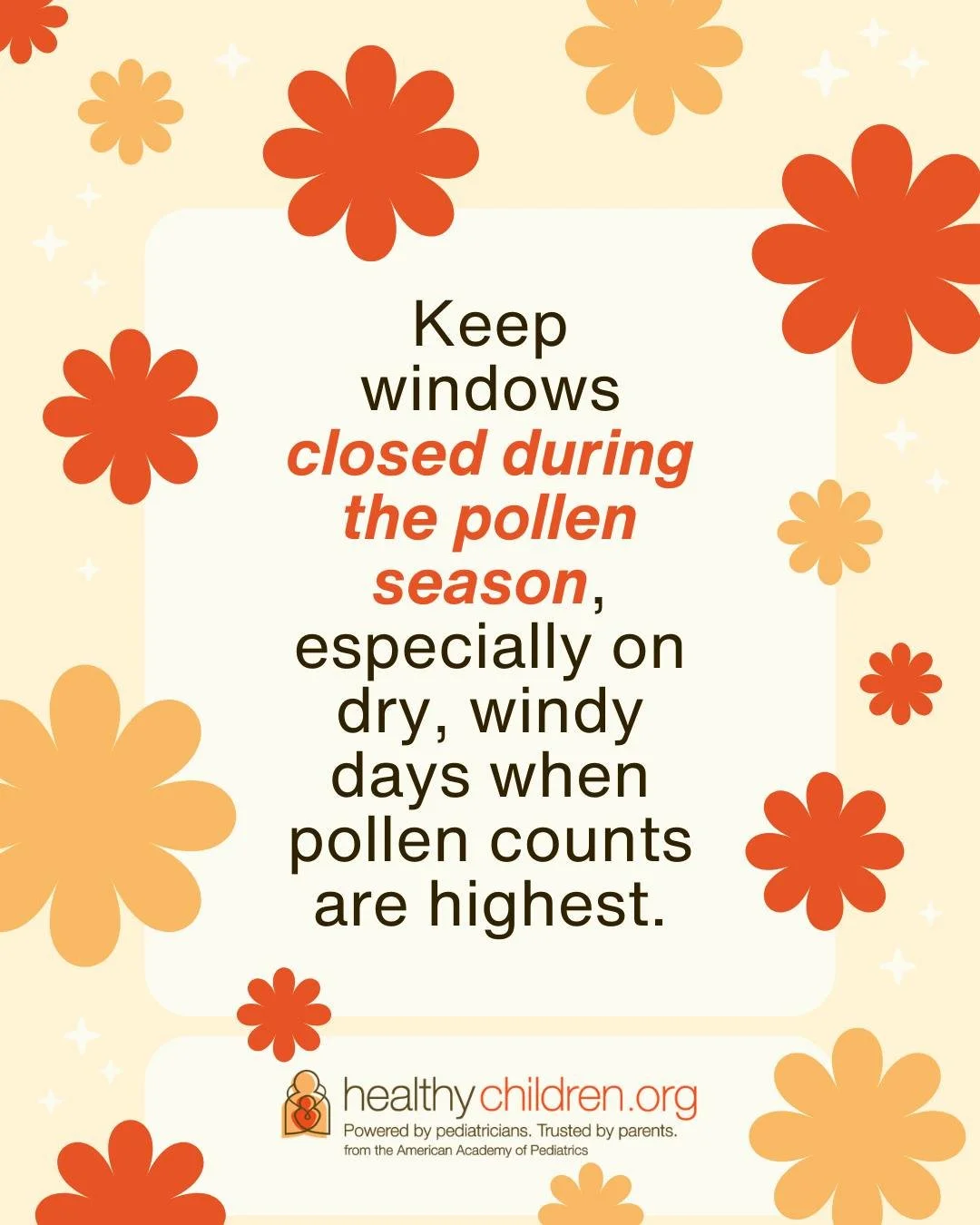
Keep your windows closed during pollen season.

This is especially important:

  • On dry, windy days

  • During peak pollen times (often mornings and early evenings)

  • When your child is already experiencing symptoms

Open windows allow pollen to drift inside your home, where it can settle on furniture, bedding, and clothing—continuing to trigger symptoms even after your child comes indoors.

Using air conditioning instead of opening windows can help keep indoor air cleaner and more comfortable.

Additional Tips to Help Reduce Allergy Symptoms

Along with keeping windows closed, here are a few other ways to help protect your child during allergy season:

  • Have your child wash their hands and face after playing outside

  • Change clothes after outdoor activities

  • Keep bedding clean and washed regularly

  • Limit outdoor play when pollen counts are especially high

  • Shower in the evening to remove pollen from skin and hair

These small habits can go a long way in reducing daily exposure.

When to Talk to Your Pediatrician

If your child’s allergy symptoms are persistent or affecting their daily life, it may be time to check in with your pediatrician.

You should consider calling if your child:

  • Has ongoing symptoms that don’t improve

  • Struggles with sleep due to congestion

  • Experiences frequent coughing or wheezing

  • Seems especially uncomfortable during allergy season

Your pediatrician can help determine whether allergies are the cause and recommend safe, effective treatment options.

Supporting Families Across Jackson, TN and West Tennessee

At The Children’s Clinic, we understand how frustrating seasonal allergies can be—for both kids and parents.

We proudly care for families in Jackson, TN, as well as Medina, Humboldt, Milan, and throughout Madison County. Whether you’re dealing with spring allergies or just have questions about your child’s symptoms, we’re here to help.

📍 264 Coatsland Drive, Jackson, TN, 38301
📞 731-423-1500