What Parents in Jackson, TN Need to Know About Hand, Foot and Mouth Disease

If you’ve ever heard the name hand, foot and mouth disease, it probably got your attention right away. And if your child is in daycare, preschool, or around other young children, chances are you’ve either dealt with it—or will at some point.

Hand, foot and mouth disease is very common, especially in babies and children under the age of five. It spreads easily and can move quickly through families, schools, and childcare centers across Jackson, TN, Medina, Humboldt, Milan, and surrounding communities.

The good news? While it can be uncomfortable, it’s usually mild and manageable at home with the right care.

Here’s what parents need to know.

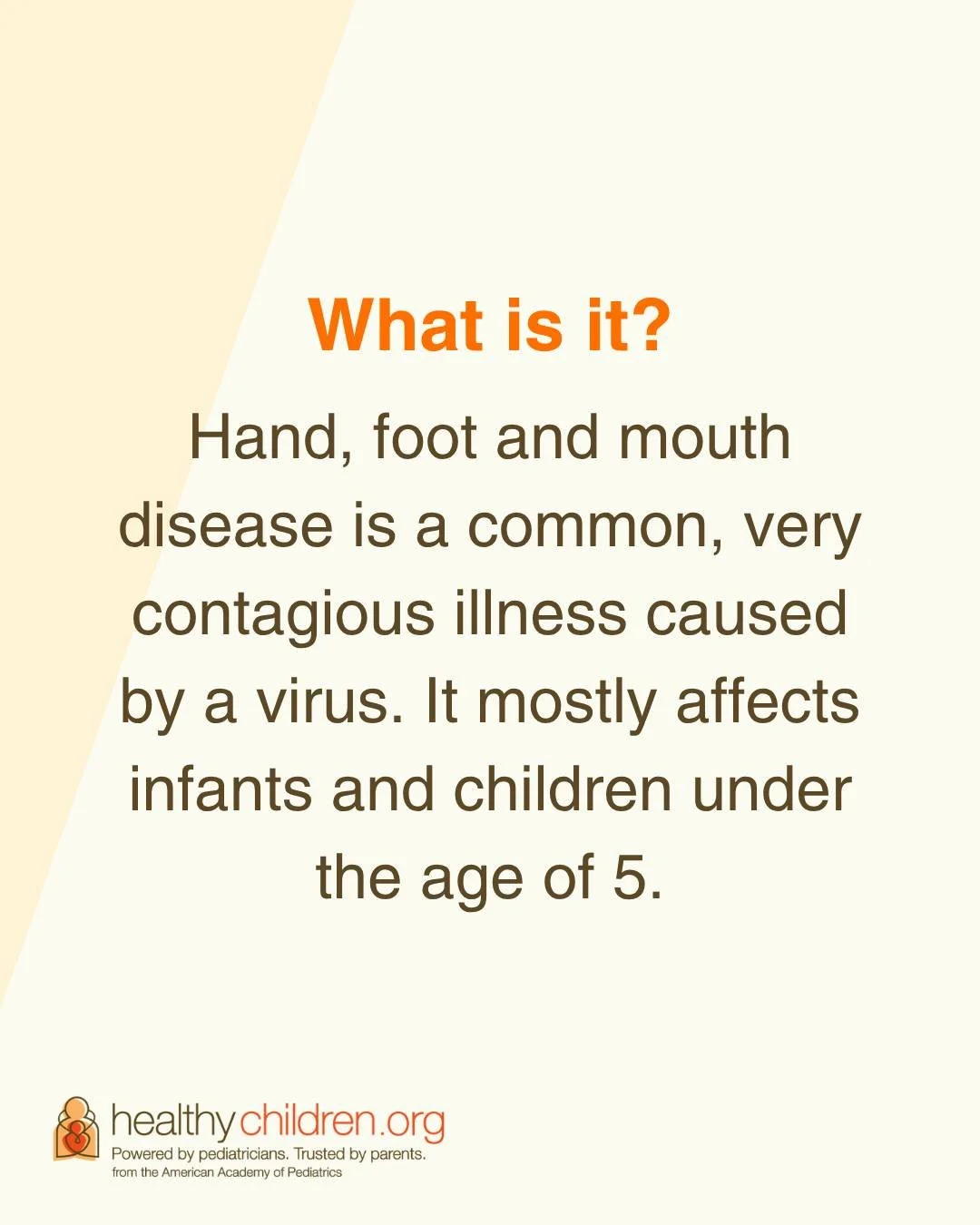
What Is Hand, Foot and Mouth Disease?

Hand, foot and mouth disease is a contagious viral illness. It’s most often caused by viruses in the enterovirus family and spreads through contact with:

  • Saliva

  • Mucus

  • Fluid from blisters

  • Stool of an infected person

Because it spreads so easily, outbreaks are common in places where children are in close contact—like daycares and schools throughout Madison County.

Although it’s most common in young children, older kids and even adults can catch it too.

What Are the Symptoms?

Symptoms can vary from child to child, but most cases follow a similar pattern.

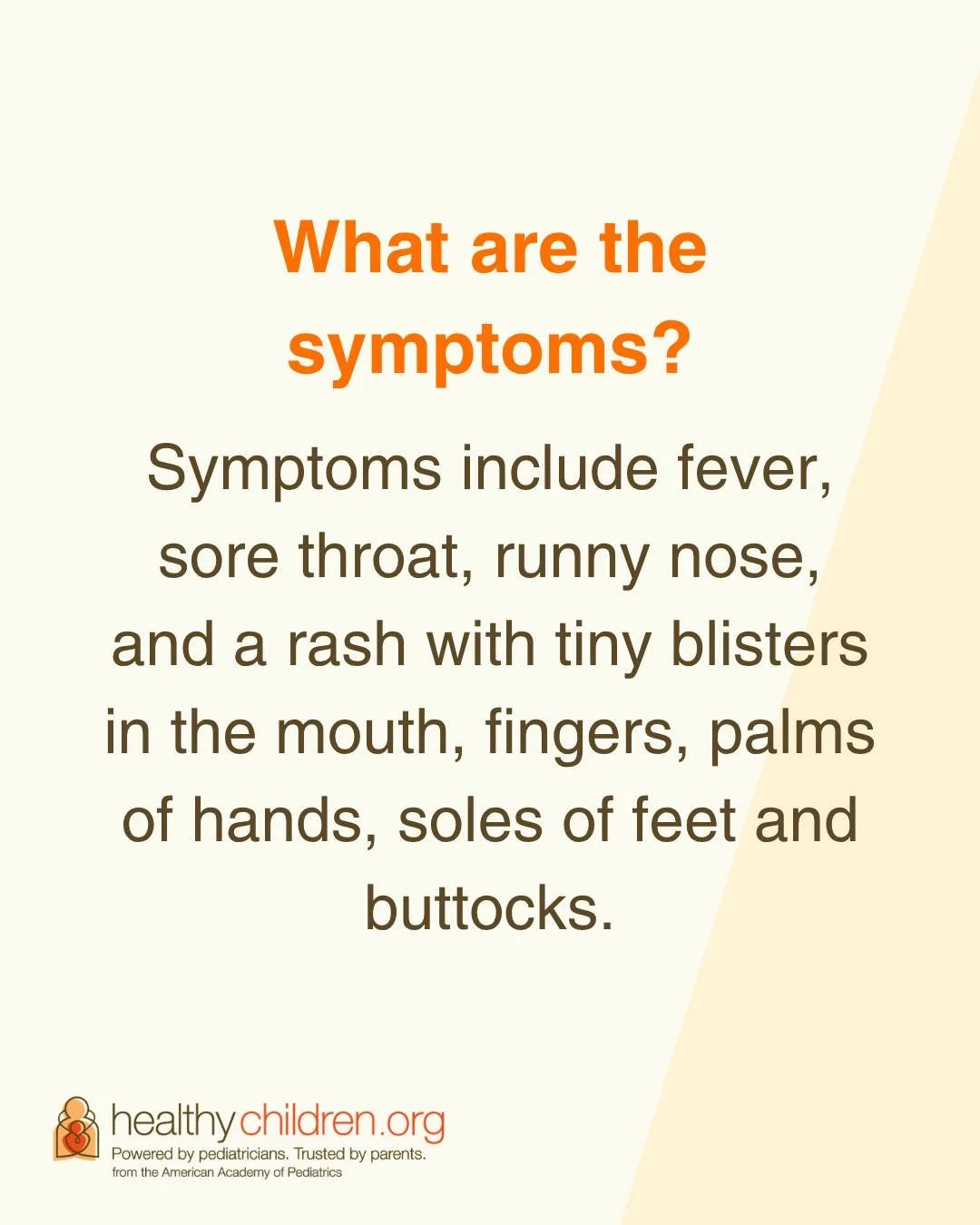
Early signs often include:

  • Fever

  • Sore throat

  • Runny nose

  • Decreased appetite

Within a day or two, a rash typically develops. This is one of the most recognizable signs of the illness.

Parents may notice:

  • Small blister-like spots in the mouth

  • A rash on the hands and fingers

  • Spots on the soles of the feet

  • In some cases, a rash on the buttocks

These blisters can be uncomfortable, especially in the mouth, which may make eating and drinking difficult for your child.

How Is It Treated?

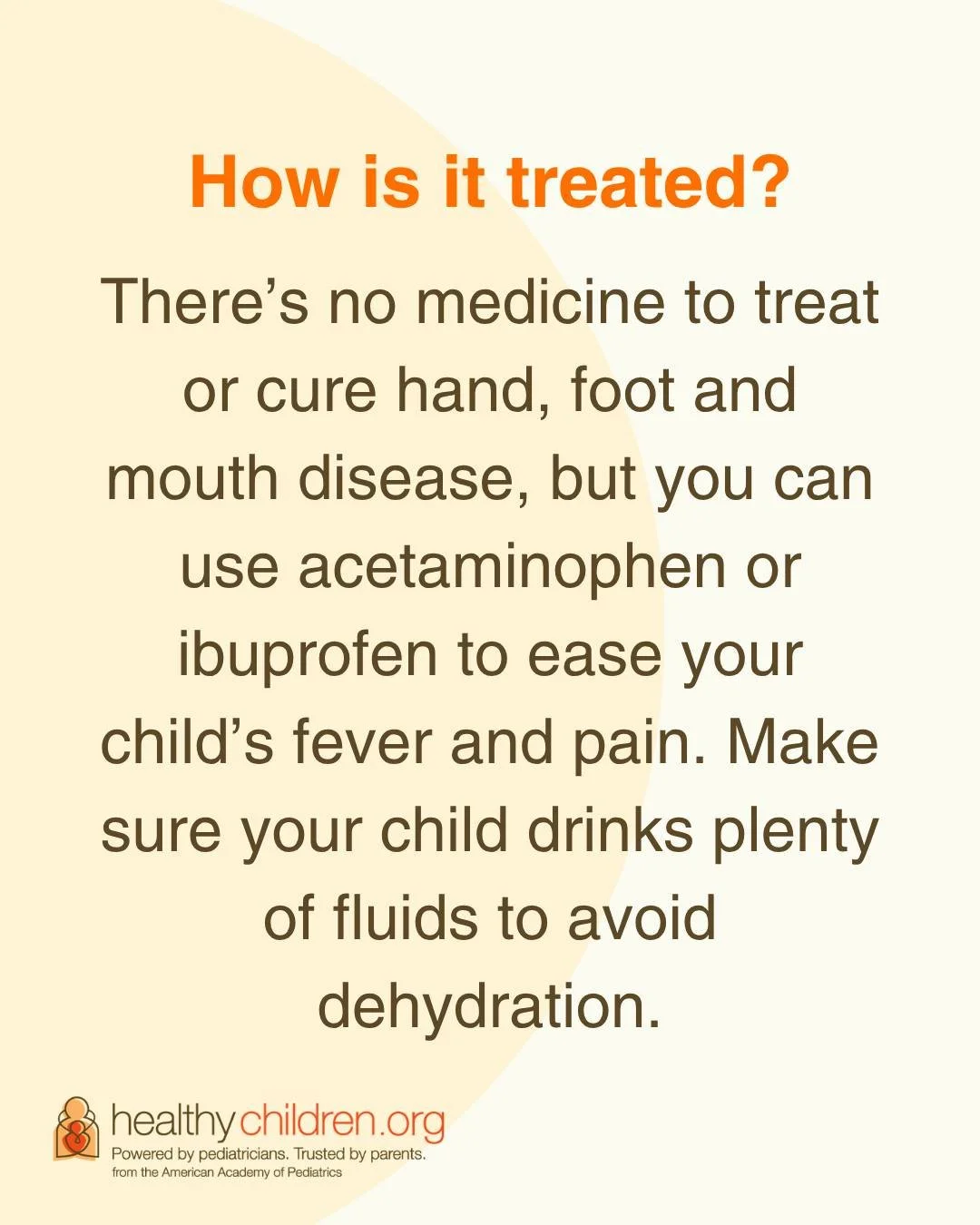
There is no specific medication that cures hand, foot and mouth disease. Since it’s caused by a virus, antibiotics won’t help.

Treatment focuses on keeping your child comfortable while their body fights off the infection.

At home, you can:

  • Use acetaminophen or ibuprofen to reduce fever and relieve pain

  • Encourage plenty of fluids to prevent dehydration

  • Offer soft, cool foods if mouth sores are painful

Hydration is especially important. If your child isn’t drinking well because of mouth discomfort, that’s something to keep a close eye on.

Most children start to feel better within 7–10 days.

When Should You Call Your Pediatrician?

While most cases are mild, there are times when it’s best to check in with your pediatrician.

Call if your child:

  • Isn’t drinking enough fluids

  • Shows signs of dehydration (dry mouth, fewer wet diapers, lethargy)

  • Has a high or persistent fever

  • Seems unusually irritable or difficult to comfort

Families across Jackson, TN and surrounding areas trust their pediatricians to help guide them through illnesses like this—and it’s always okay to ask questions.

How Can It Be Prevented?

Because hand, foot and mouth disease spreads so easily, prevention plays a big role—especially if there’s an outbreak at daycare or school.

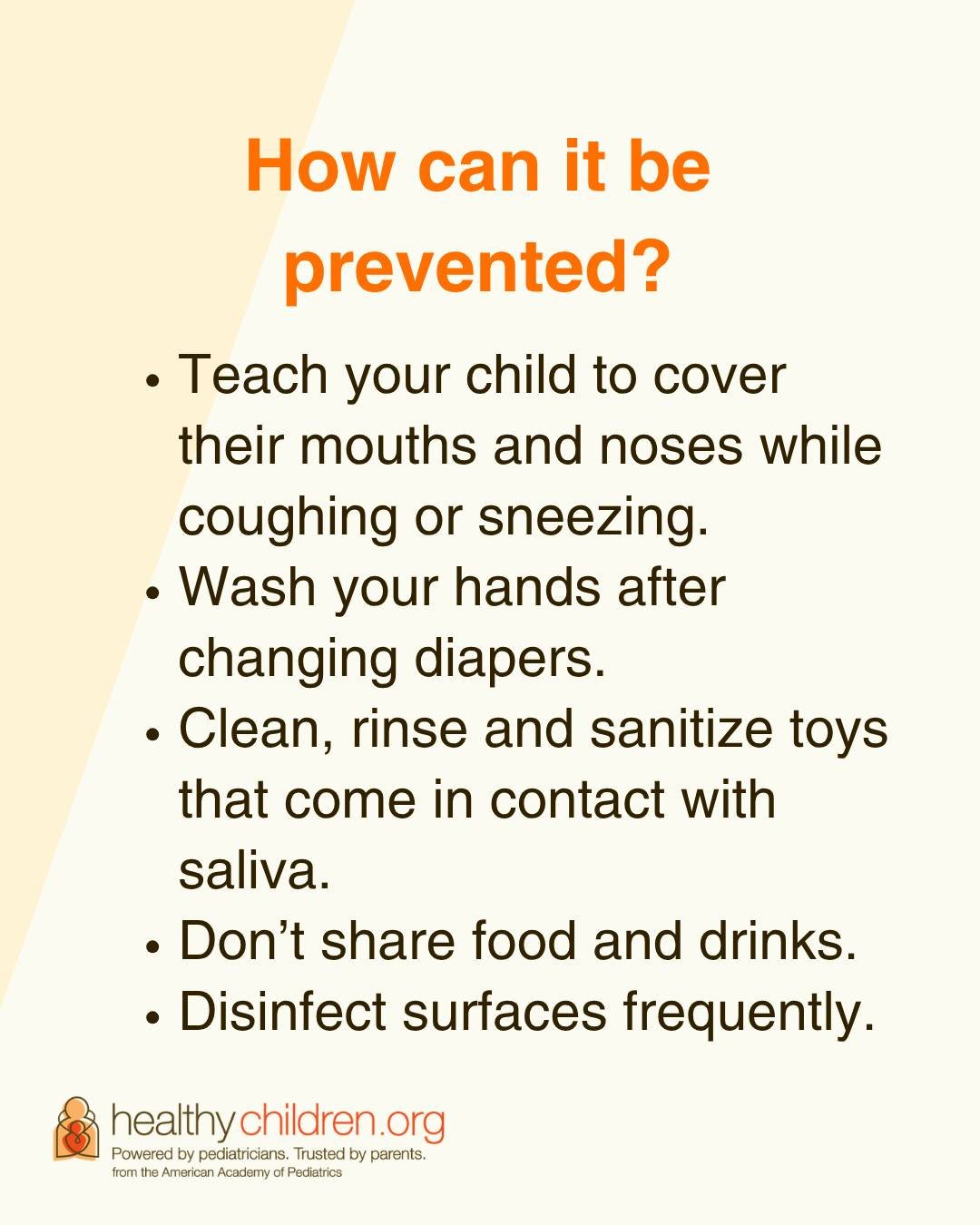
Here are some simple ways to reduce the risk:

  • Teach children to cover their mouth and nose when coughing or sneezing

  • Wash hands often, especially after diaper changes

  • Clean and sanitize toys that come in contact with saliva

  • Avoid sharing drinks, utensils, or food

  • Disinfect commonly touched surfaces regularly

These habits can make a big difference in slowing the spread—not just of this illness, but many others as well.

What Parents Should Remember

Hand, foot and mouth disease can look alarming, especially when you see the rash for the first time. But in most cases, it’s a mild illness that clears up on its own with supportive care.

The biggest things to focus on are:

  • Keeping your child comfortable

  • Making sure they stay hydrated

  • Watching for any signs that need medical attention

Caring for Families Across West Tennessee

At The Children’s Clinic, we know how stressful it can be when your child is sick—especially with something that spreads quickly.

We’re here to support families in Jackson, TN, as well as Medina, Humboldt, Milan, and throughout Madison County. Whether you have questions about symptoms, treatment, or when your child can return to daycare, we’re always here to help.

📍 264 Coatsland Drive, Jackson, TN, 38301
📞 731-423-1500

When it comes to childhood illnesses, knowledge goes a long way. And with the right information, you can feel more confident caring for your child every step of the way.

Flying with a Baby: Tips for a Smoother Travel Day for Families in Jackson, TN

Taking a baby on a plane can make even the most well-traveled parent feel a little nervous. Between packing, timing naps, and hoping everything goes smoothly, it’s easy to feel overwhelmed before you even leave the house.

The good news? With a little planning and the right expectations, flying with your baby can be much more manageable than you might think. Families across Jackson, TN, Medina, Humboldt, Milan, and surrounding areas travel every day with infants—and with a few simple strategies, you can make the experience easier for both you and your baby.

Let’s walk through some practical, pediatrician-recommended tips to help your travel day go as smoothly as possible.

Start with Realistic Expectations

Before we get into the tips, it’s important to say this upfront: there’s no such thing as a perfect travel day when you’re flying with a baby.

There may be delays. Your baby may cry. You might feel like you’re juggling ten things at once.

And that’s okay.

The goal isn’t perfection—it’s preparation. When you go in with a flexible mindset, everything feels a little easier to handle.

Tip #1: Change Your Baby’s Diaper Before Boarding

One of the simplest ways to make your flight smoother is to start with a fresh diaper right before boarding the plane.

Airplane bathrooms are tight, and while many do have changing tables, space can still be limited. Taking care of a diaper change ahead of time can buy you some extra comfort once you’re in your seat.

It’s also smart to plan for delays. Flights don’t always leave on time, especially in busy airports like Memphis or Nashville that many Jackson-area families travel through.

Make sure to pack:

  • Extra diapers (more than you think you’ll need)

  • Wipes

  • A portable changing pad

  • Plastic bags for disposal

Having everything within reach will make mid-flight changes much less stressful.

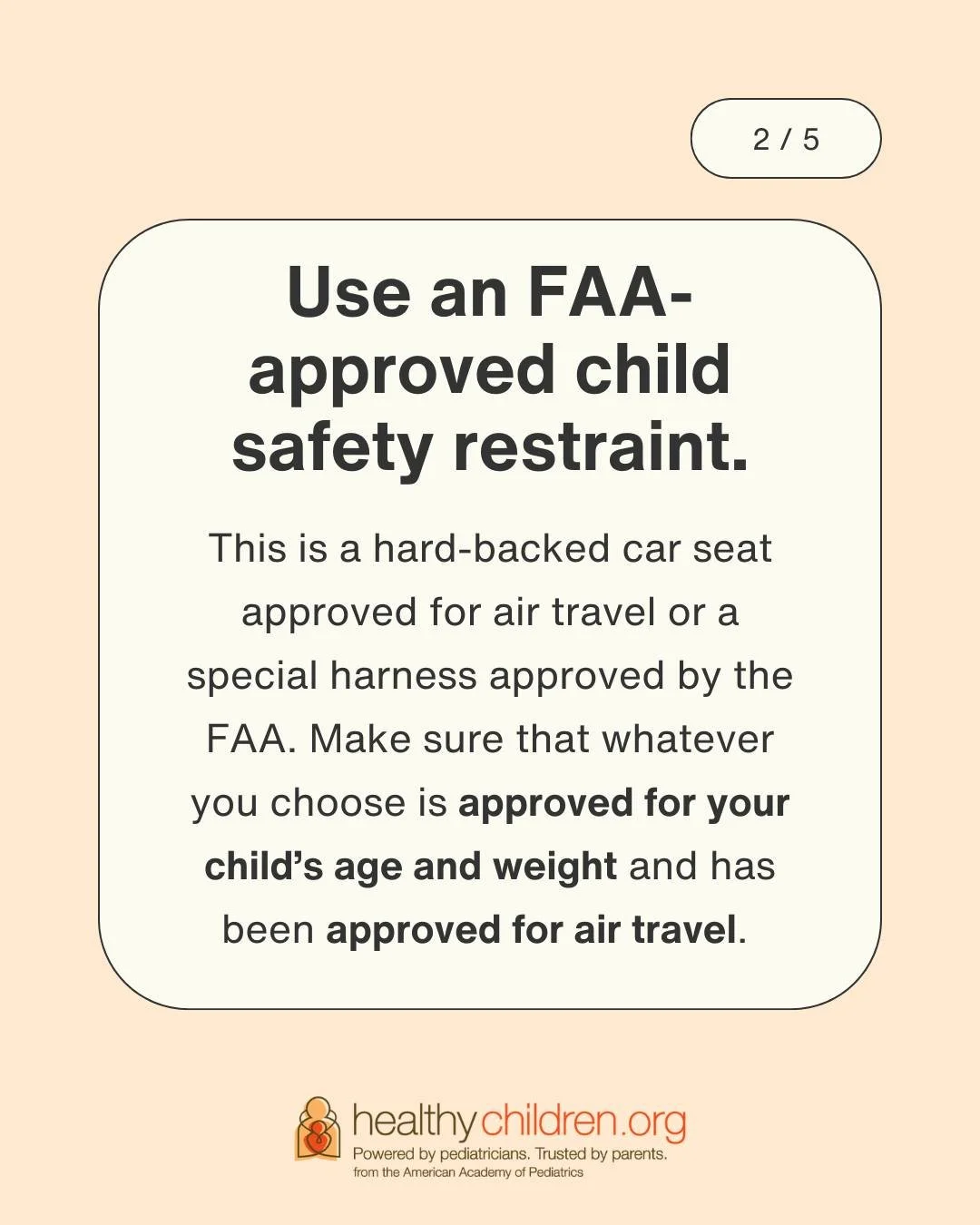
Tip #2: Use an FAA-Approved Car Seat

Safety is always the top priority when traveling with a baby.

Using an FAA-approved child safety restraint—like a properly fitted car seat—can provide the safest option for your baby during the flight. It also gives your baby a familiar place to sit, which can help them feel more secure.

When choosing a seat, make sure:

  • It is approved for air travel

  • It fits your child’s age and weight

  • You understand how to install it properly on the plane

Many parents in Madison County and surrounding areas find that bringing their baby’s regular car seat makes the trip easier overall—especially if they’ll need it at their destination anyway.

Tip #3: Dress Your Baby in Layers

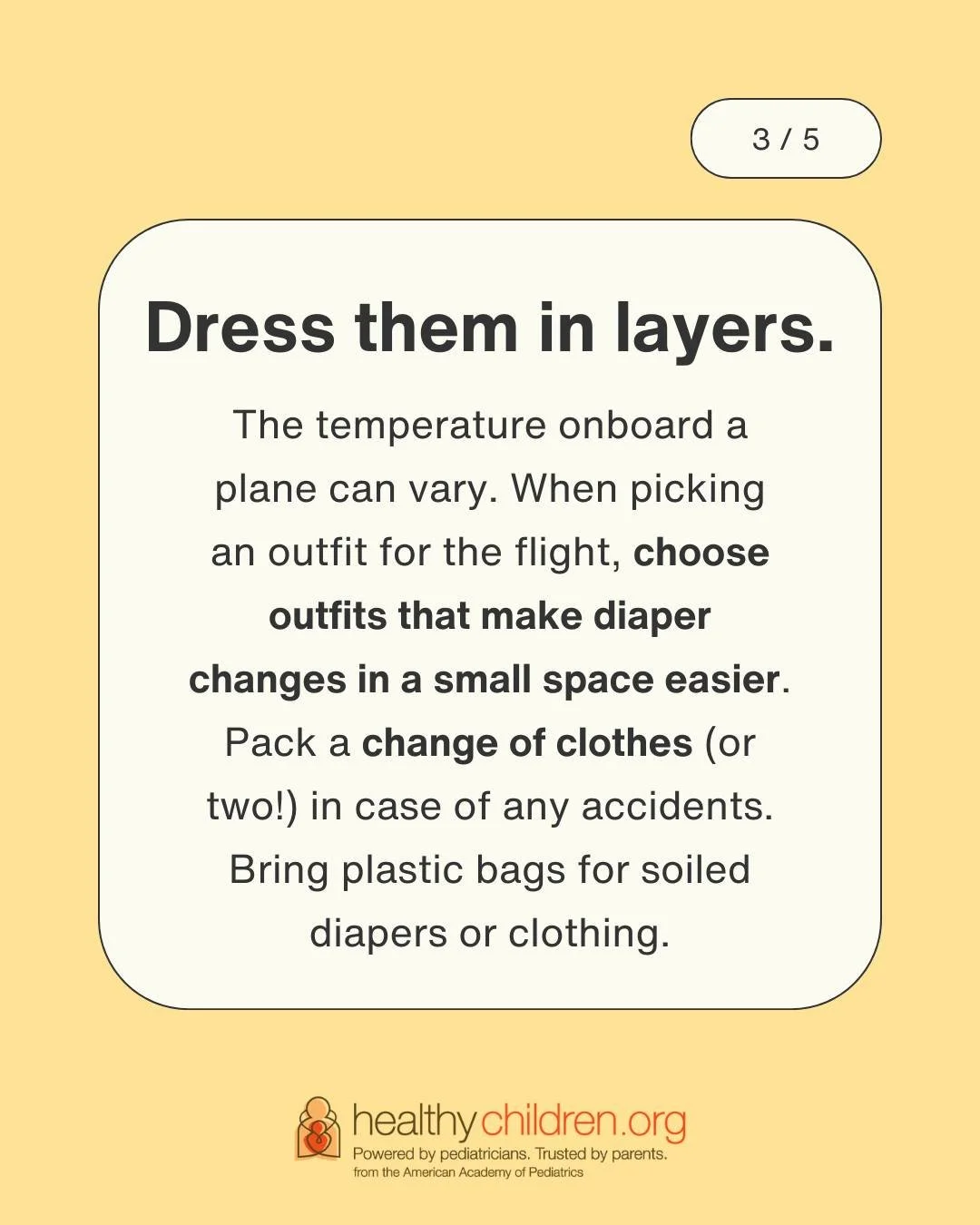
Airplane cabins can vary in temperature, sometimes feeling warm during boarding and cooler once in the air.

Dressing your baby in layers gives you flexibility to adjust quickly and keep them comfortable.

When planning your baby’s outfit:

  • Choose soft, breathable clothing

  • Opt for outfits that make diaper changes easier

  • Pack at least one (or two) extra changes of clothes

Accidents happen—especially during travel. Having backup clothes on hand can save you from unnecessary stress.

Tip #4: Prepare for Ear Pressure Changes

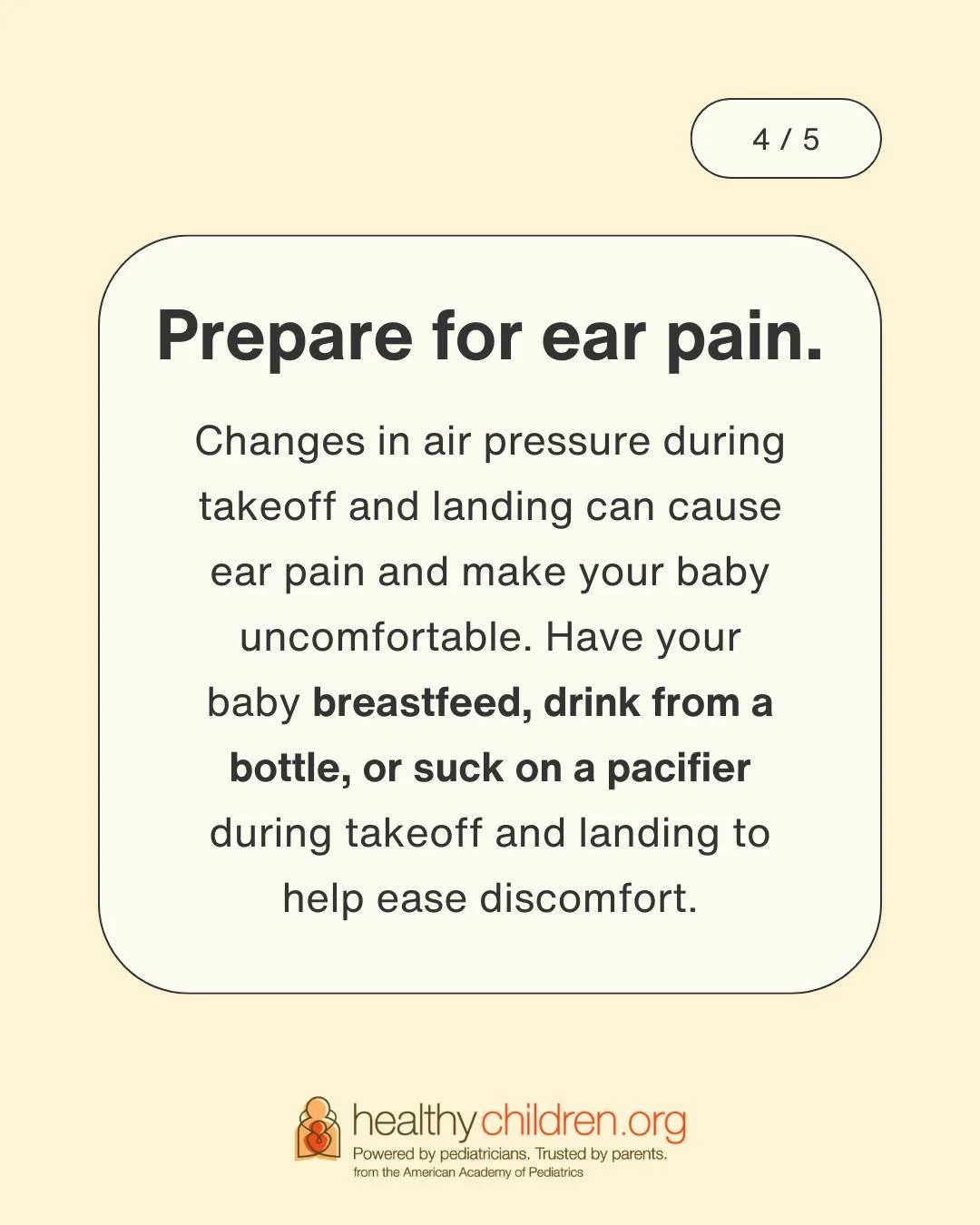
One of the most common concerns parents have when flying with a baby is ear discomfort during takeoff and landing.

Changes in air pressure can cause ear pain, which may make your baby fussy or uncomfortable.

The easiest way to help relieve that pressure is by encouraging swallowing. You can do this by:

  • Breastfeeding

  • Offering a bottle

  • Letting your baby use a pacifier

These simple actions can help reduce discomfort and make those transitions much smoother.

A Few Extra Travel Tips for Parents

Beyond the basics, here are a few additional things to keep in mind:

Give yourself extra time.
Traveling with a baby takes longer—through security, boarding, and everything in between.

Pack a “just in case” bag.
Include essentials like snacks (if age-appropriate), extra clothes, and comfort items.

Don’t be afraid to ask for help.
Flight attendants and fellow travelers are often more understanding than you might expect.

Stay calm.
Babies can pick up on your stress. The calmer you are, the calmer they’re likely to be.

Supporting Families Across Jackson, TN and Beyond

At The Children’s Clinic, we know that parenting doesn’t stop just because you’re traveling. Whether you’re heading out for a family vacation or visiting relatives, we’re here to help you feel confident and prepared.

We proudly serve families in Jackson, TN, as well as nearby communities like Medina, Humboldt, Milan, and throughout Madison County. If you have questions about traveling with your baby, your child’s health, or anything in between, don’t hesitate to reach out.

📍 264 Coatsland Drive, Jackson, TN, 38301
📞 731-423-1500

Why Babies Need the Vitamin K Shot: What Parents in Jackson, TN Should Know

When your baby is born, there are a lot of decisions to make in a short amount of time. One of the most important—and sometimes misunderstood—is the vitamin K shot.

If you’ve ever wondered why newborns need it, you’re not alone. Parents across Jackson, TN and surrounding areas like Medina, Humboldt, Milan, and throughout Madison County often have questions about what vitamin K does and why it’s given at birth.

Let’s break it down in a simple, clear way so you can feel confident in your decision.

What Does Vitamin K Do?

Vitamin K plays a critical role in your body—it helps blood clot properly.

Without enough vitamin K, the body cannot form clots the way it should. That means even a small bleed can become serious because it won’t stop as easily.

Vitamin K also supports bone health, but for newborns, its role in clotting is what matters most in those early days of life.

Why Are Babies Born With Low Vitamin K?

This is where many parents are surprised.

Babies are naturally born with very little vitamin K in their bodies. This happens for a couple of reasons:

First, vitamin K doesn’t pass easily from mother to baby during pregnancy. Even if a mother has healthy levels, the baby still starts out low.

Second, newborns don’t yet have the gut bacteria that help produce vitamin K naturally. That process takes time to develop after birth.

Because of this, all newborns—regardless of how healthy they are—start life with low vitamin K levels.

What Is Vitamin K Deficiency Bleeding (VKDB)?

When babies don’t have enough vitamin K, they are at risk for a condition called vitamin K deficiency bleeding, or VKDB.

This condition happens when a baby’s blood cannot clot properly, leading to bleeding inside or outside the body.

What makes VKDB especially concerning is that it can happen suddenly and without warning. In many cases, there are no early signs before something serious occurs.

Bleeding can happen in different areas of the body, including the brain, which can lead to long-term complications or even be life-threatening.

How Common Is the Risk?

Without the vitamin K shot, babies are significantly more vulnerable.

In fact, babies who do not receive the shot are over 80 times more likely to develop serious bleeding compared to those who do.

That’s a dramatic difference—and one of the main reasons pediatricians strongly recommend vitamin K at birth.

Are There Warning Signs?

One of the most difficult parts about VKDB is that there often aren’t any clear warning signs ahead of time.

In some cases, parents may notice:

  • Easy bruising

  • Bleeding from the nose or umbilical cord

  • Blood in stool or urine

But in many situations, the first sign is a serious internal bleed.

That’s why prevention is so important.

How the Vitamin K Shot Helps

The vitamin K shot is given shortly after birth and provides babies with the level of vitamin K they need to safely form blood clots.

It works quickly and protects babies during those critical early weeks and months when their natural levels are low.

This simple step dramatically reduces the risk of VKDB and helps ensure a safer start to life.

A Simple Step That Makes a Big Difference

For families across Jackson, TN and nearby communities searching for answers about newborn care “near me,” the vitamin K shot is one of the most important protections you can give your baby.

It’s quick, safe, and backed by decades of research and pediatric experience.

When to Talk to Your Pediatrician

Every parent wants to feel confident and informed when making decisions for their child.

If you have questions about vitamin K, newborn care, or your baby’s health, it’s always best to talk with a trusted pediatric provider.

Schedule an Appointment

At The Children’s Clinic, we’re here to support families in Jackson, TN, as well as Medina, Humboldt, Milan, and surrounding areas with compassionate, knowledgeable pediatric care.

If you have questions about the vitamin K shot or any aspect of your child’s health, give us a call—we’re happy to help.

📍 264 Coatsland Drive, Jackson, TN, 38301
📞 731-423-1500

How Vaccines Are Developed, Tested, and Approved: What Parents in Jackson, TN Need to Know

If you’ve ever wondered how vaccines are created and approved before reaching your child, you’re not alone. It’s one of the most common questions we hear from parents across Jackson, TN, Medina, Humboldt, Milan, and surrounding West Tennessee communities.

The short answer? Vaccines go through a long, careful, and highly regulated process before they are ever recommended for children.

By the time a vaccine reaches your pediatrician’s office, it has been studied, tested, reviewed, and monitored at multiple levels to ensure it is both safe and effective.

Let’s walk through what that process actually looks like.

It All Starts with Research

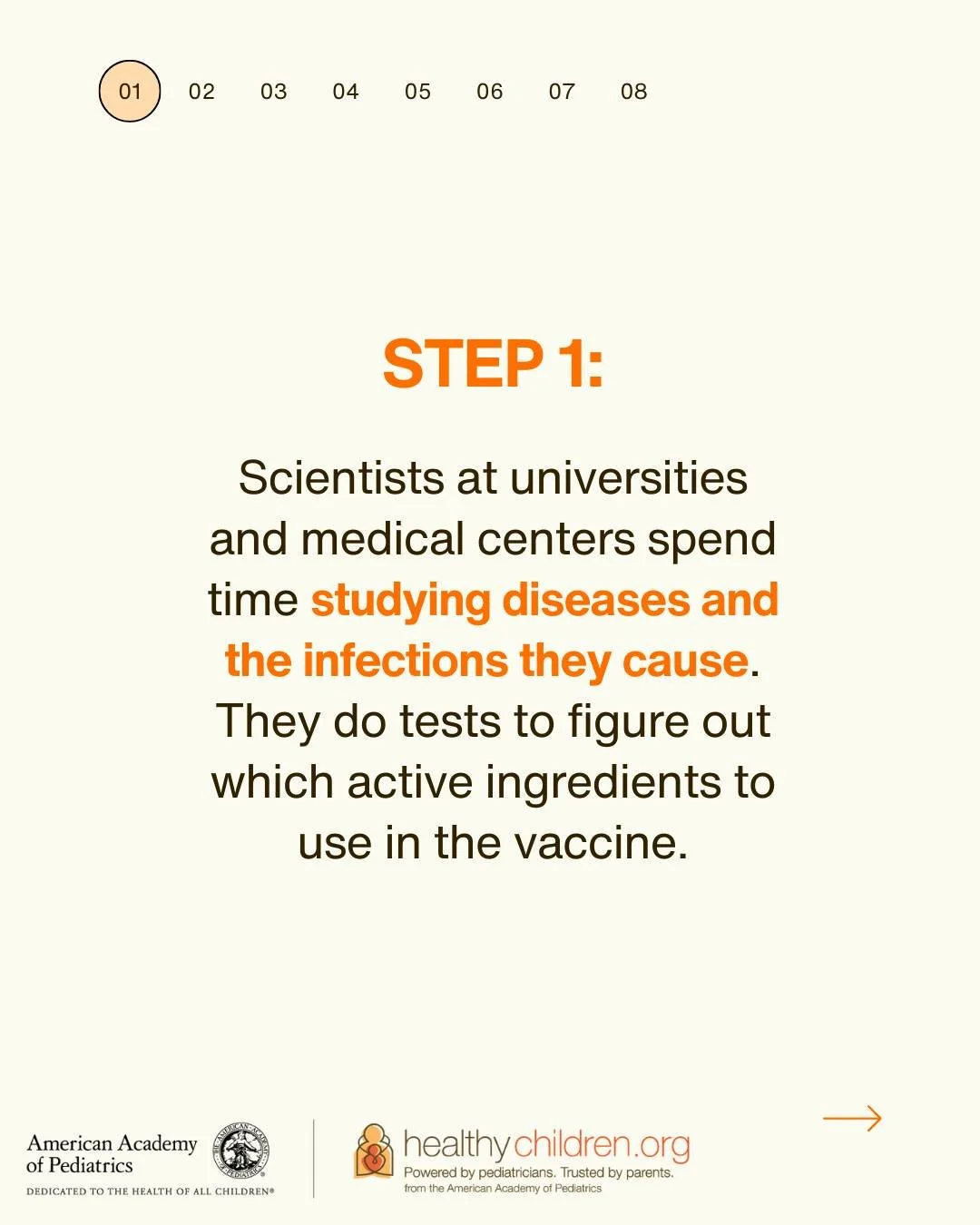
Every vaccine begins with scientists studying diseases—how they spread, how they affect the body, and how the immune system responds.

Researchers at universities and medical centers spend years identifying the right components that could help the body recognize and fight a specific illness.

This stage is all about understanding the disease and building a potential solution.

Step 1: Early Development

Once researchers identify promising ingredients, they begin developing a vaccine candidate.

This involves lab testing to determine how the vaccine might work and whether it can safely trigger an immune response.

Only the most promising candidates move forward.

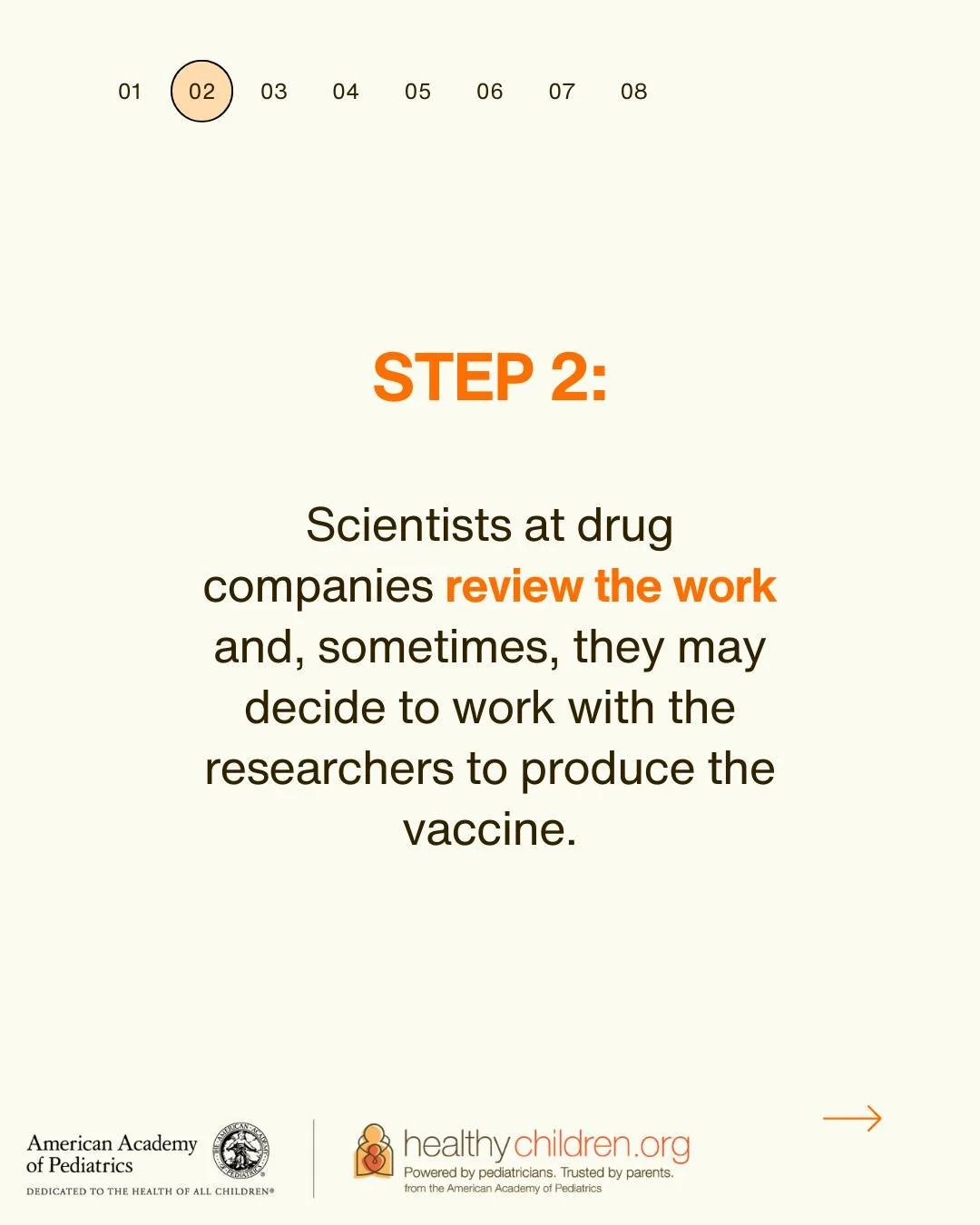
Step 2: Collaboration and Review

At this point, pharmaceutical companies may step in to review the research and partner with scientists.

Together, they refine the vaccine and prepare it for the next phase: testing in humans.

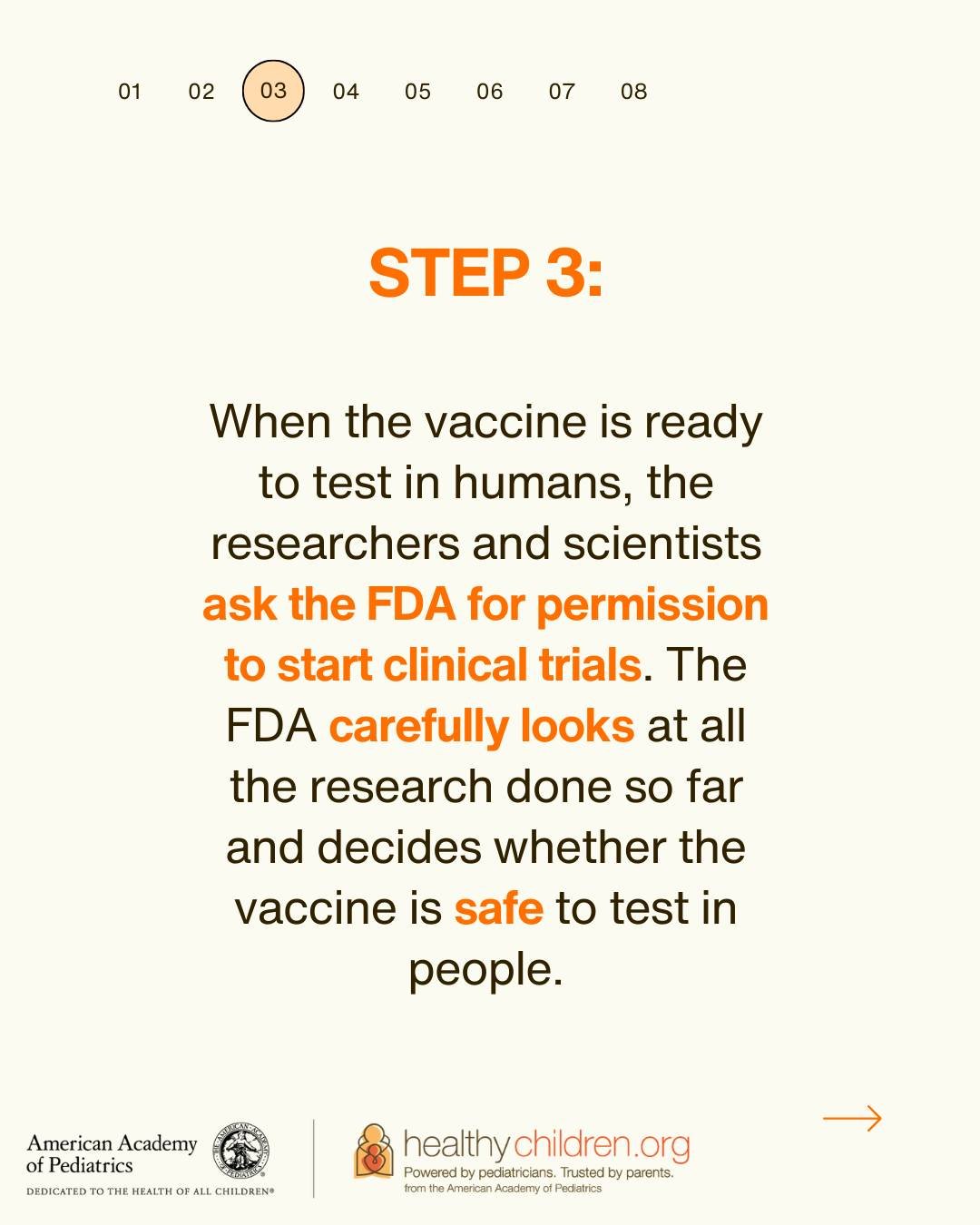
Step 3: FDA Review Before Human Testing

Before any vaccine is tested in people, the FDA carefully reviews all research data.

They evaluate whether the vaccine appears safe enough to begin clinical trials.

No human testing happens without this approval.

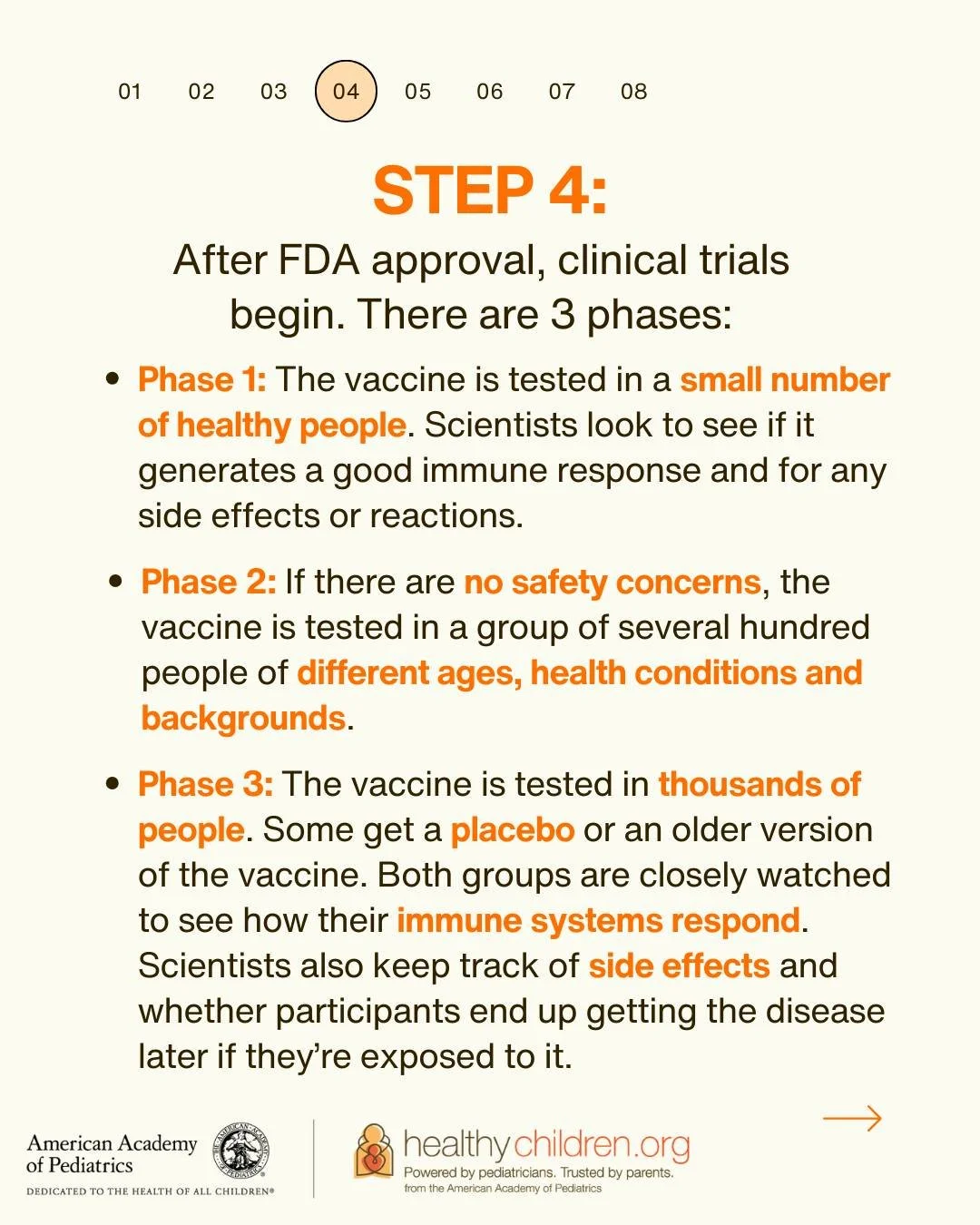
Step 4: Clinical Trials (Testing in People)

This is one of the most important steps in the process.

Clinical trials happen in three phases:

Phase 1:
A small group of healthy volunteers receives the vaccine. Researchers focus on safety and how the immune system responds.

Phase 2:
If no safety concerns are found, the vaccine is given to a larger group of people with different ages, backgrounds, and health conditions.

Phase 3:
Thousands of participants are involved. Researchers compare results, monitor side effects, and confirm how well the vaccine works.

This phase provides the most detailed safety and effectiveness data.

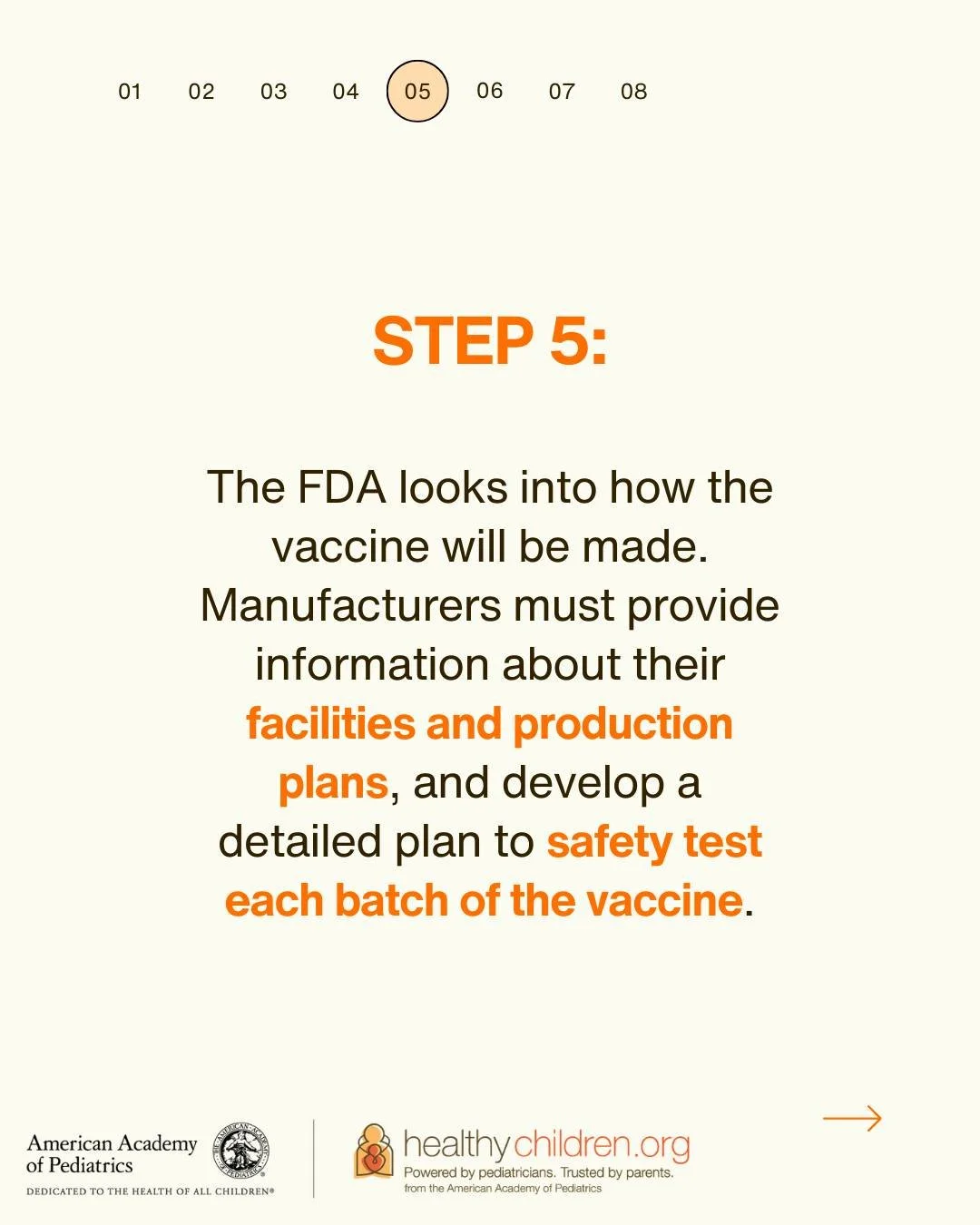
Step 5: Manufacturing and Quality Control

At the same time, manufacturers must show exactly how the vaccine will be made.

The FDA reviews facilities, production plans, and strict safety protocols to ensure every batch meets high standards.

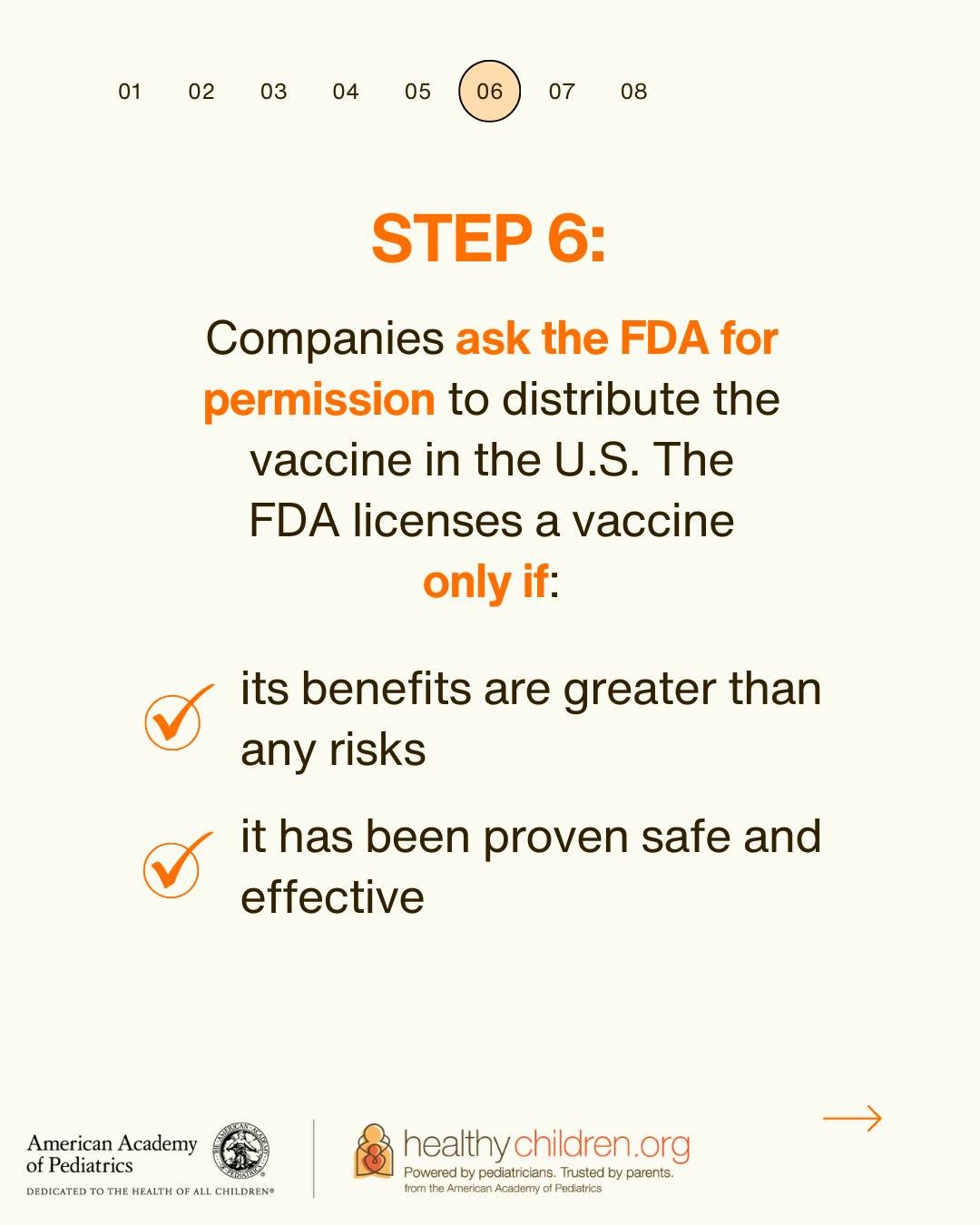
Step 6: FDA Approval

After reviewing all the data from clinical trials and manufacturing, the FDA decides whether the vaccine can be approved for use.

A vaccine is only approved if:
• Its benefits outweigh any potential risks
• It has been proven safe and effective

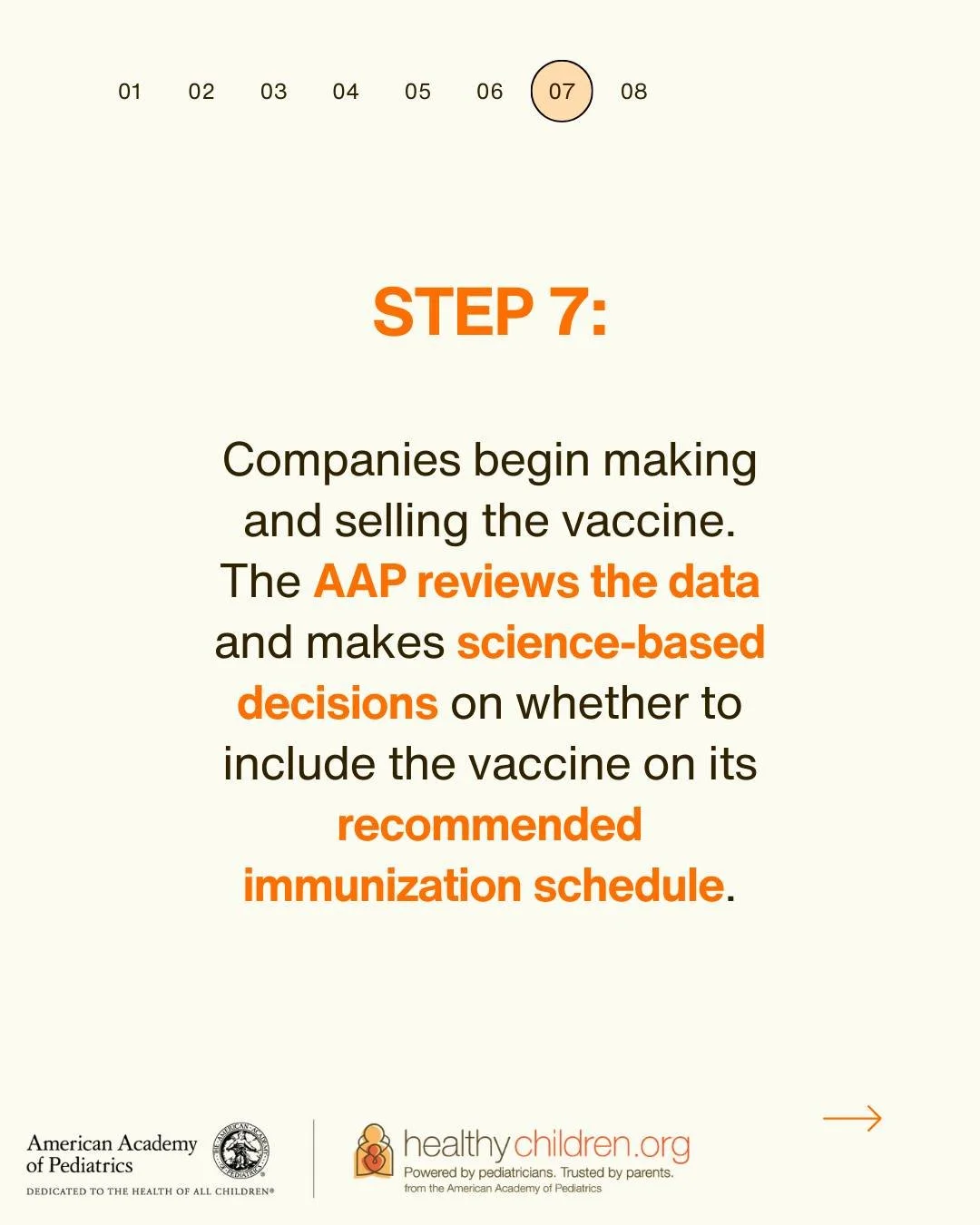
Step 7: Ongoing Review by Experts

Even after FDA approval, the process doesn’t stop.

Organizations like the American Academy of Pediatrics review the data and decide whether to include the vaccine in recommended immunization schedules.

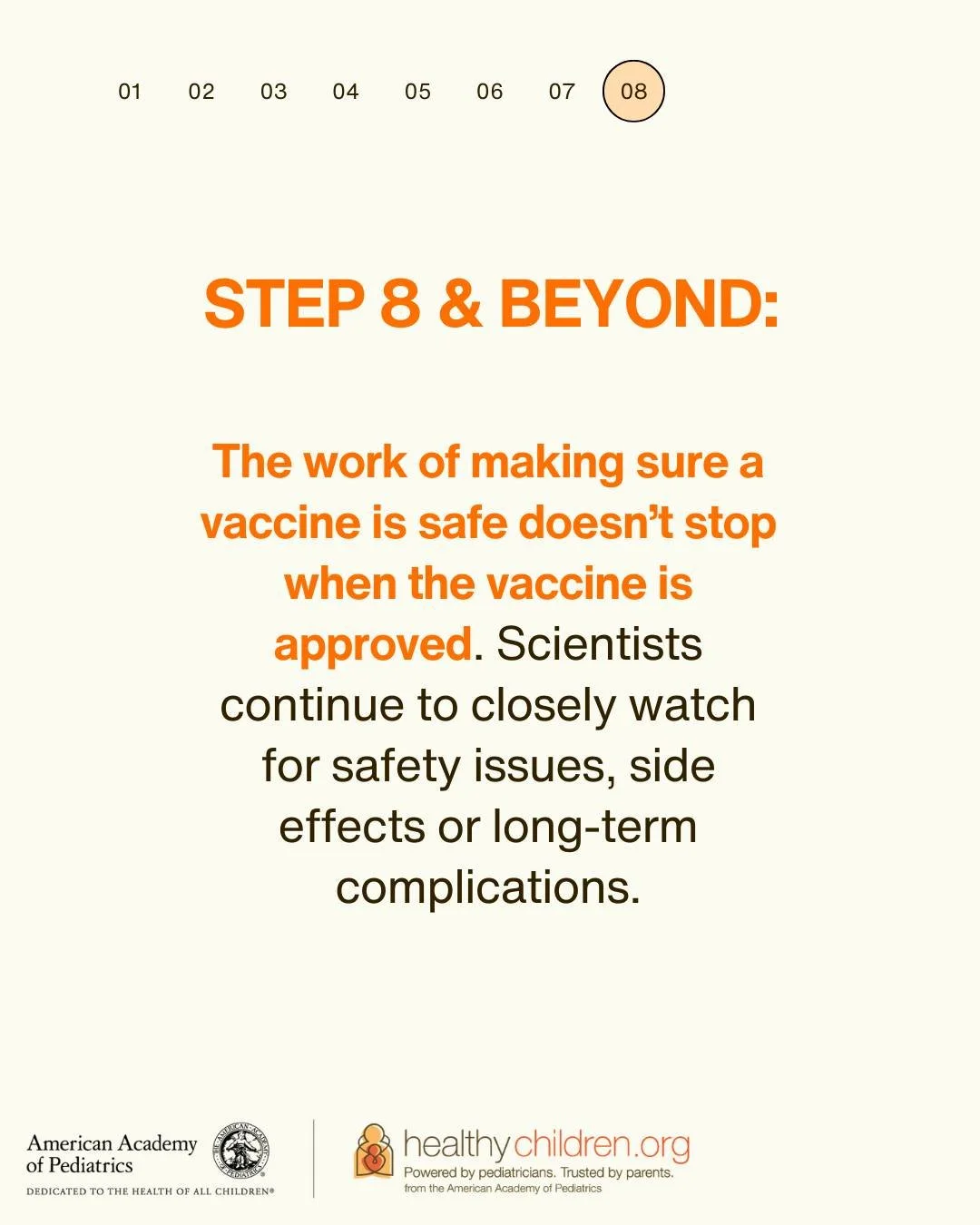
Step 8 and Beyond: Continuous Monitoring

Vaccines continue to be monitored long after they are in use.

Scientists track safety, side effects, and long-term outcomes to ensure ongoing protection for children and families.

This ongoing monitoring is one of the reasons vaccines remain one of the most carefully studied tools in medicine.

Why This Matters for Your Family

For parents in Jackson, TN and surrounding areas, understanding this process can bring peace of mind.

Vaccines are not rushed. They are built on years of research, multiple layers of testing, and continuous oversight.

Every step is designed with one goal in mind:
keeping your child safe and healthy.

When to Talk to Your Pediatrician

It’s completely normal to have questions about vaccines.

Every child is different, and your pediatrician is the best resource to help you make informed decisions based on your child’s needs.

We’re Here to Help

At The Children’s Clinic in Jackson, TN, we’re here to support families throughout every stage of childhood—from newborn care to adolescence.

If you have questions about vaccines, schedules, or your child’s health, we’re always happy to talk with you.

📍 264 Coatsland Drive, Jackson, TN 38301
📞 731-423-1500

Faltering Weight: What Parents Need to Know

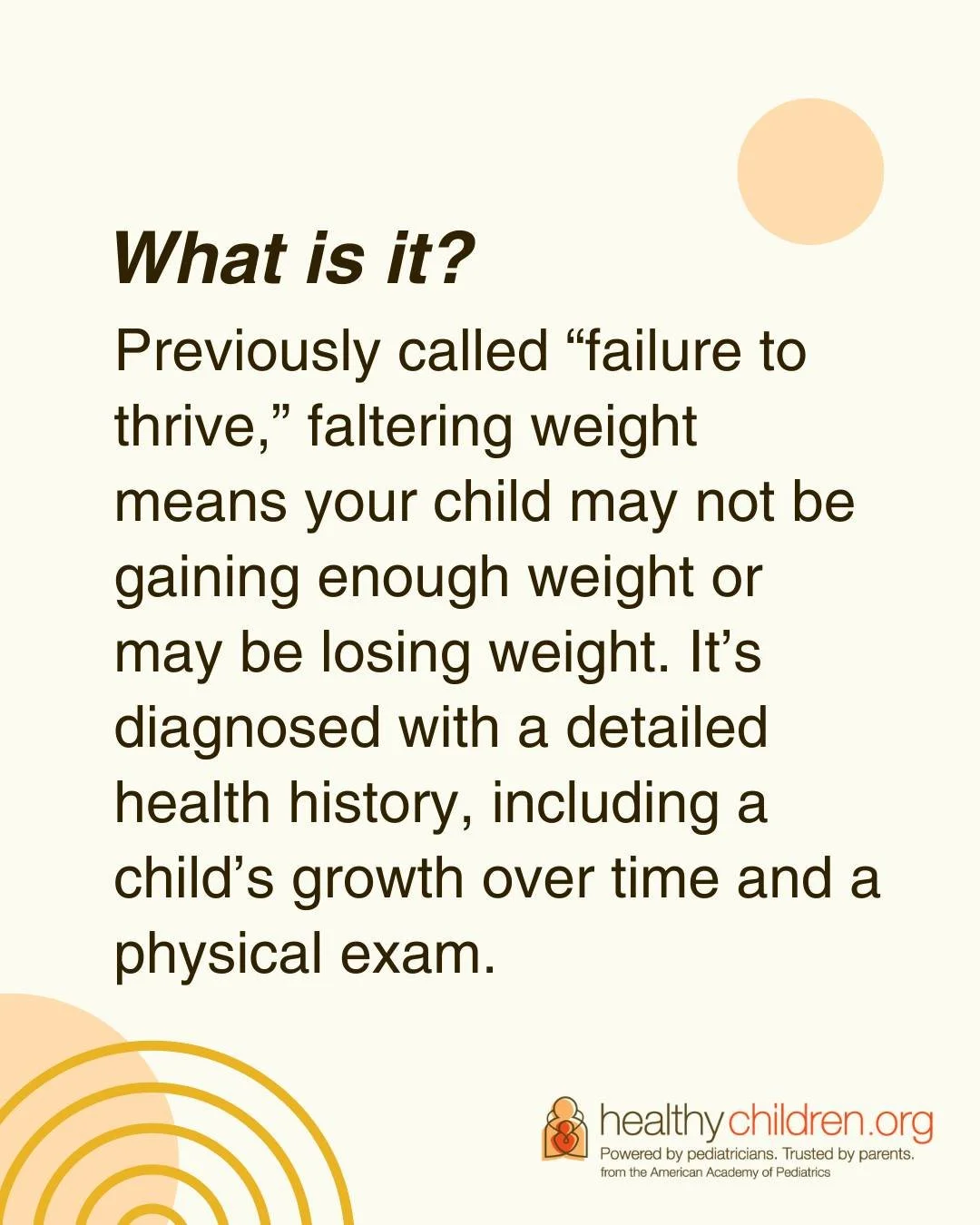
If your pediatrician mentions the term “faltering weight,” it can feel overwhelming—especially if you’ve previously heard it called “failure to thrive.”

While the name may sound alarming, faltering weight is more common than many parents realize, affecting up to 1 in 10 children. The important thing to remember is that with the right guidance and support, most children can get back on a healthy growth track.

Here’s what every parent should know.

What Is Faltering Weight?

Faltering weight refers to a pattern where a child is:

• Not gaining weight as expected
• Gaining weight very slowly
• Losing weight
• Dropping significantly on their growth curve

Doctors use this term when a child’s growth doesn’t follow a typical pattern over time.

It is not based on a single weigh-in. Instead, it’s diagnosed through a complete health history, careful tracking of growth over time, and a physical exam.

How Is It Diagnosed?

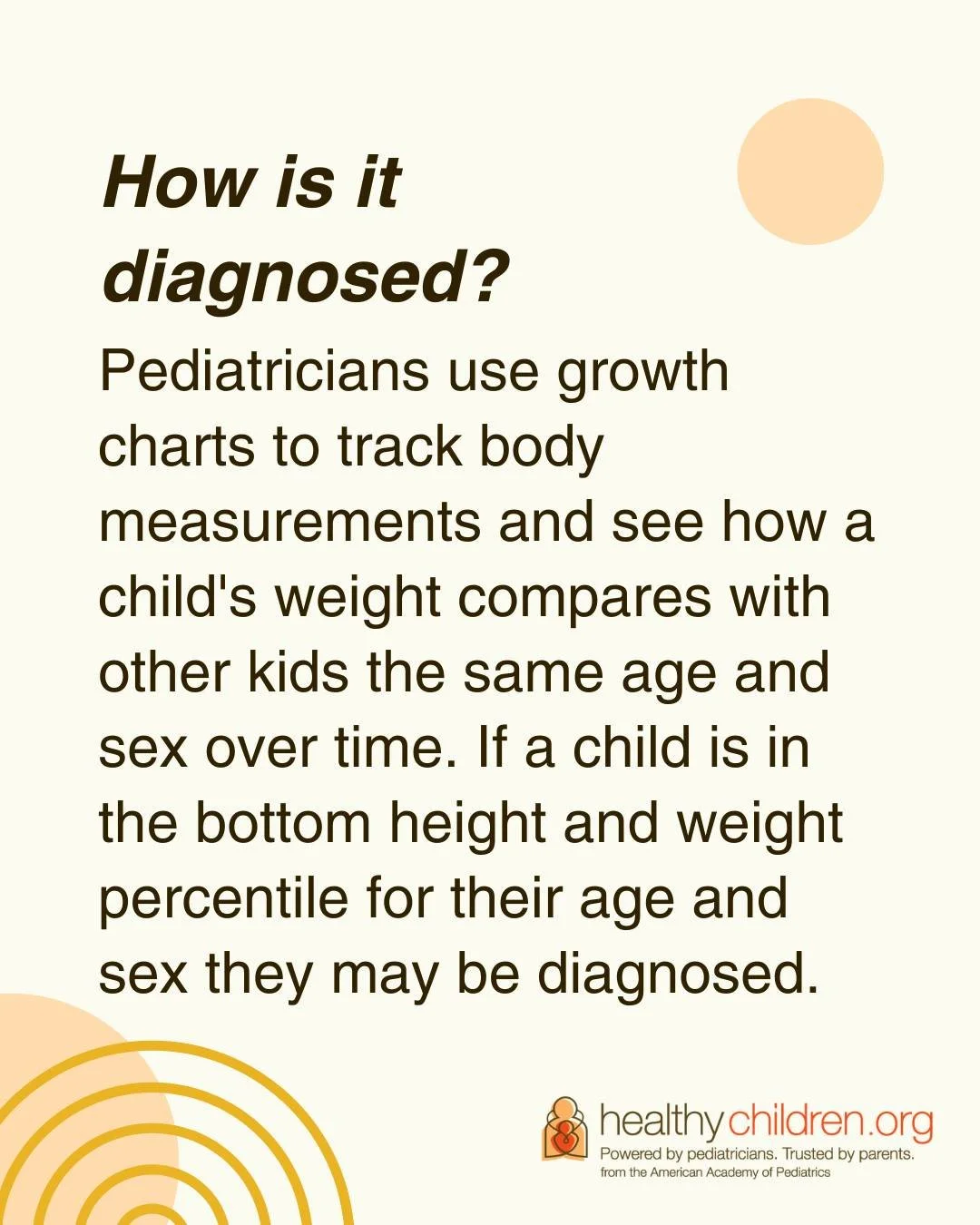
Pediatricians rely on growth charts to monitor your child’s development.

These charts compare your child’s:

• Weight
• Height
• Body Mass Index (BMI)

…to other children of the same age and sex.

If a child falls into a very low percentile or shows a noticeable drop from their previous growth pattern, it may signal faltering weight.

Tracking trends over time is key. A single low measurement doesn’t always indicate a problem—but a consistent pattern might.

What Causes Faltering Weight?

Faltering weight can happen for many different reasons, and identifying the cause is an important step in treatment.

Common causes may include:

• Not getting enough calories
• Feeding difficulties
• Medical conditions affecting digestion or absorption
• Increased calorie needs due to illness
• Behavioral or environmental factors

In many cases, the cause is something that can be addressed with the right plan and support.

How Is It Treated?

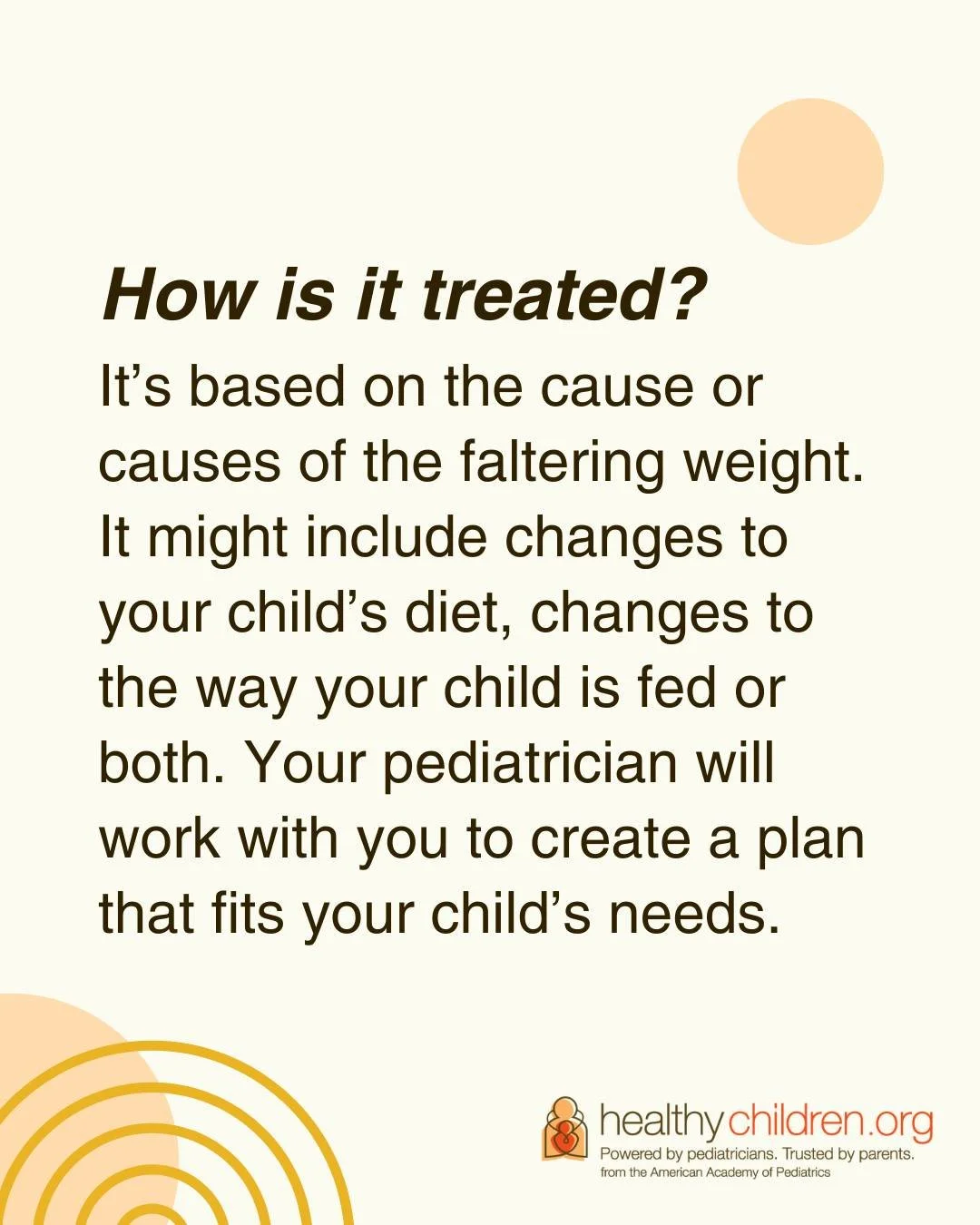
Treatment for faltering weight depends on the underlying cause.

Your pediatrician will work closely with you to develop a plan that may include:

• Adjustments to your child’s diet
• Changes in feeding routines or techniques
• Monitoring calorie intake
• Addressing any medical concerns

The goal is to create a plan that supports healthy, steady growth while fitting your child’s individual needs.

Does My Child Need a Specialist?

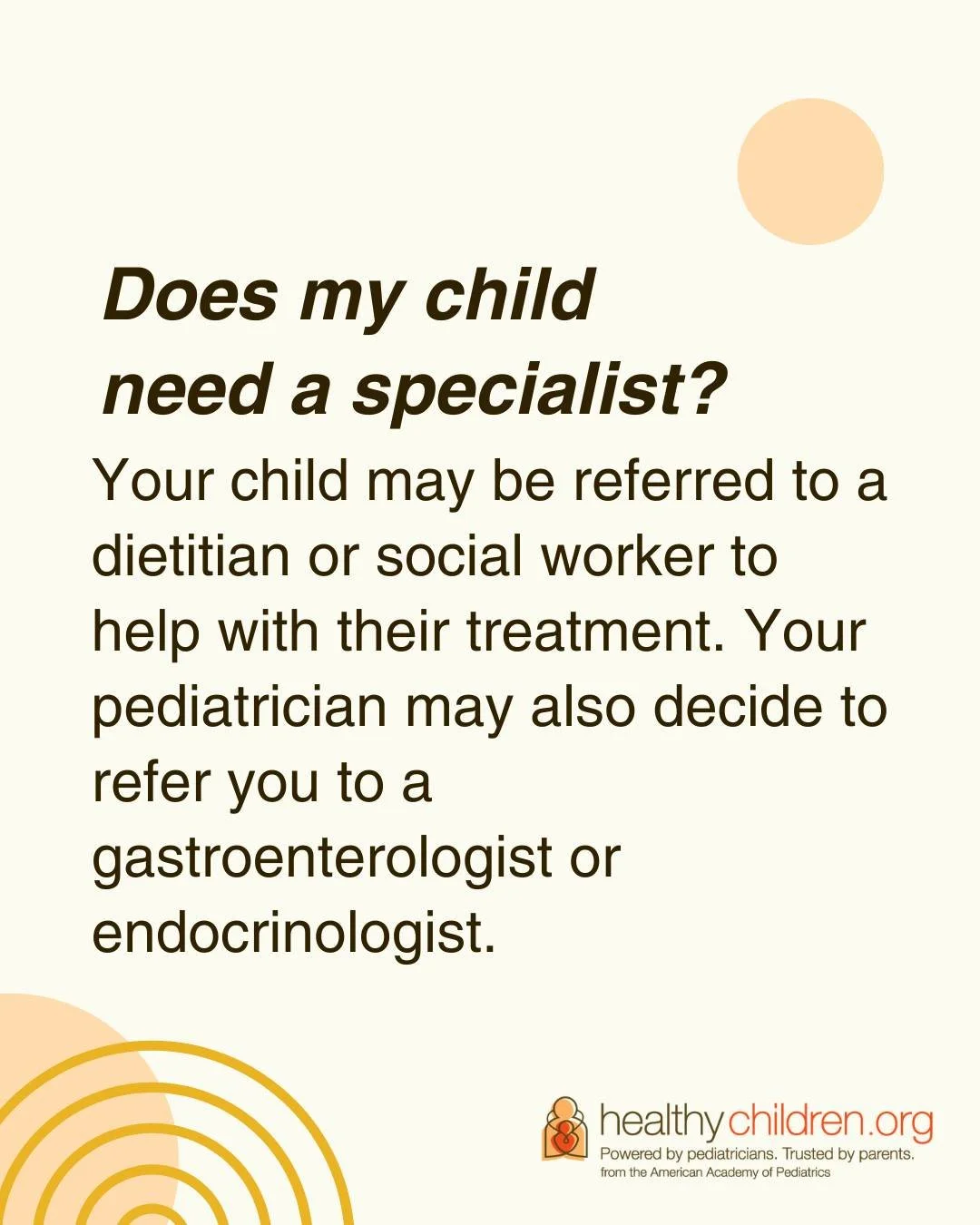
In some cases, your pediatrician may recommend additional support.

This could include referrals to:

• A dietitian to help with nutrition planning
• A social worker to support feeding routines or family needs
• A pediatric gastroenterologist (digestive specialist)
• An endocrinologist (hormone specialist)

These specialists can provide extra insight and help ensure your child receives the best possible care.

When Should Parents Be Concerned?

It’s natural for children to grow at different rates, but you should talk with your pediatrician if you notice:

• Your child is not gaining weight
• Clothes or diapers aren’t fitting as expected over time
• Feeding has become difficult or stressful
• Your child seems unusually tired or less active

Early evaluation can make a big difference and help address concerns before they become more serious.

Supporting Your Child’s Growth

The most important thing to remember is that faltering weight is not a failure—it’s a signal that your child may need additional support.

With early detection, proper nutrition, and guidance from your pediatric care team, most children can return to a healthy growth pattern.

You are not alone in this process—your pediatrician is your partner every step of the way.
Schedule an Appointment Today

If you have concerns about your child’s growth or have been told your child may have faltering weight, our team at The Children’s Clinic is here to help.

We’ll work with you to understand the cause and create a personalized plan to support your child’s health and development.

📞 Call (731) 664-0002 to schedule an appointment