



What Parents Need to Know About Preventing RSV

Respiratory Syncytial Virus (RSV) season is still here, and unfortunately it isn’t showing signs of slowing down anytime soon. Each year, RSV becomes one of the most common respiratory illnesses affecting babies and young children. In fact, RSV is the most common cause of hospitalization in babies under one year old.

The good news is that today there are safe and effective immunization options available that can help protect babies from severe RSV illness. These immunizations can significantly reduce the risk of hospitalization and serious complications.

If you are expecting a baby or caring for an infant, understanding these options can help you make the best decision for your family.

Why RSV Is a Concern for Infants

RSV is a common respiratory virus that infects most children before their second birthday. For older children and adults, RSV may cause symptoms similar to a cold. However, for babies—especially those younger than 6 months—it can lead to much more serious illness.

RSV can cause:

• Severe coughing
• Wheezing
• Difficulty breathing
• Bronchiolitis (inflammation of the small airways)
• Pneumonia

Because babies’ lungs and immune systems are still developing, RSV infections can sometimes require hospitalization for oxygen support or other treatments.

That’s why prevention is so important during RSV season, which typically runs from October through March.

Two Ways to Help Protect Your Baby

Parents now have two effective immunization options that can help prevent severe RSV illness. Both approaches work in slightly different ways, but each offers meaningful protection during the months when babies are most vulnerable.

Your pediatrician can help determine which option is best for your situation.

RSV Immunization for Babies and Young Children

One option is an RSV immunization designed specifically for infants and young children.

This immunization is recommended for babies younger than 8 months during RSV season.

Instead of stimulating the baby’s immune system to create antibodies, this immunization provides protective proteins (antibodies) that help the baby’s body fight RSV if they are exposed to the virus.

Key benefits include:

• Protection for up to five months, covering the typical RSV season
• Up to 90% effectiveness in preventing hospitalization in infants
• Immediate protection after administration

This option is especially helpful for babies who are born just before or during RSV season.

RSV Vaccine for Pregnant Individuals

Another important option focuses on protecting babies before they are even born.

If you are pregnant and due during RSV season, you may be eligible for an RSV vaccine between 32 and 36 weeks of pregnancy.

When a pregnant person receives the RSV vaccine, their body produces antibodies against the virus. These protective antibodies are then passed to the baby during pregnancy.

This helps protect the newborn during their earliest months of life—when they are most vulnerable to severe RSV infections.

Benefits of maternal vaccination include:

• Antibodies passed directly to the baby before birth
• Protection during the baby’s first six months of life
• Reduced risk of severe RSV illness and hospitalization

For many families, this option provides early protection before the baby even leaves the hospital.

Which Option Is Best?

Both immunization approaches are highly effective, and your pediatrician can help determine which option is appropriate based on factors such as:

• Whether the baby has already been born
• The baby’s age
• Whether RSV season is underway
• Whether the mother received the RSV vaccine during pregnancy

The goal of both options is the same: keeping babies healthy and out of the hospital during RSV season.

Additional Ways to Reduce RSV Risk

In addition to immunization, there are several simple steps families can take to reduce the risk of RSV spreading:

• Wash hands frequently
• Avoid close contact with people who are sick
• Limit exposure to large crowds during RSV season
• Keep infants away from individuals with cold symptoms
• Clean frequently touched surfaces regularly

These precautions, combined with immunization, can significantly reduce the chances of severe illness.

Talk With Your Pediatrician

Every baby and family situation is different, and your pediatrician is the best resource for personalized guidance.

If you have questions about RSV prevention or want to learn more about immunization options, don’t hesitate to ask during your child’s next appointment.

Your pediatric care team is here to help you make the right decision for you and your baby.

Schedule an Appointment Today

If you have questions about RSV or would like to discuss immunization options for your baby, our team is here to help. The providers at The Children’s Clinic are dedicated to keeping your child healthy and protected during RSV season.

Call our office today to schedule an appointment or speak with a member of our care team.

📞 (731) 664-0002
Is Homemade Baby Formula Safe? What Parents Should Know

When it comes to feeding your baby, every parent wants to make the healthiest choice possible. Babies grow rapidly during their first year of life, and proper nutrition is essential for healthy development.

Breastmilk naturally contains the ideal balance of nutrients that babies need. However, when breastfeeding isn’t possible or a family chooses another option, infant formula is designed to provide safe and complete nutrition for babies.

Recently, recipes for homemade baby formula have circulated online and on social media. These recipes may seem appealing because they are often described as natural, organic, or less expensive. But pediatricians warn that homemade formulas can be risky and may not provide the correct nutrients your baby needs to grow and stay healthy.

Understanding the difference between regulated infant formula and homemade recipes can help parents make safer feeding decisions.

Why Babies Need a Carefully Balanced Diet

Infants have very specific nutritional needs. Their bodies require the right balance of nutrients, including:

  • Protein for growth

  • Healthy fats for brain development

  • Vitamins and minerals for overall health

  • Carbohydrates for energy

  • Iron to support blood development

Breastmilk naturally contains these nutrients in the correct amounts. Infant formulas are carefully developed to closely mimic breastmilk’s nutritional profile so babies receive the nutrients they need.

Because babies are growing so quickly, even small nutritional imbalances can affect their development.

Why Homemade Formula Can Be Dangerous

Homemade baby formula recipes often include ingredients like raw milk, evaporated milk, oils, syrups, or other additives. While these may sound wholesome, they are not designed to meet an infant’s nutritional requirements.

Potential risks of homemade formula include:

Nutritional Imbalance

Homemade formulas may contain too much or too little of key nutrients. This imbalance can lead to poor growth, vitamin deficiencies, or other health problems.

Risk of Contamination

Some recipes call for raw milk or other ingredients that may contain harmful bacteria. Babies have immature immune systems and are especially vulnerable to infections.

Incorrect Mineral Levels

Too much sodium, calcium, or other minerals can put stress on a baby’s kidneys and developing organs.

Because of these risks, pediatric experts strongly recommend avoiding homemade formula recipes.

Why FDA-Registered Infant Formula Is Important

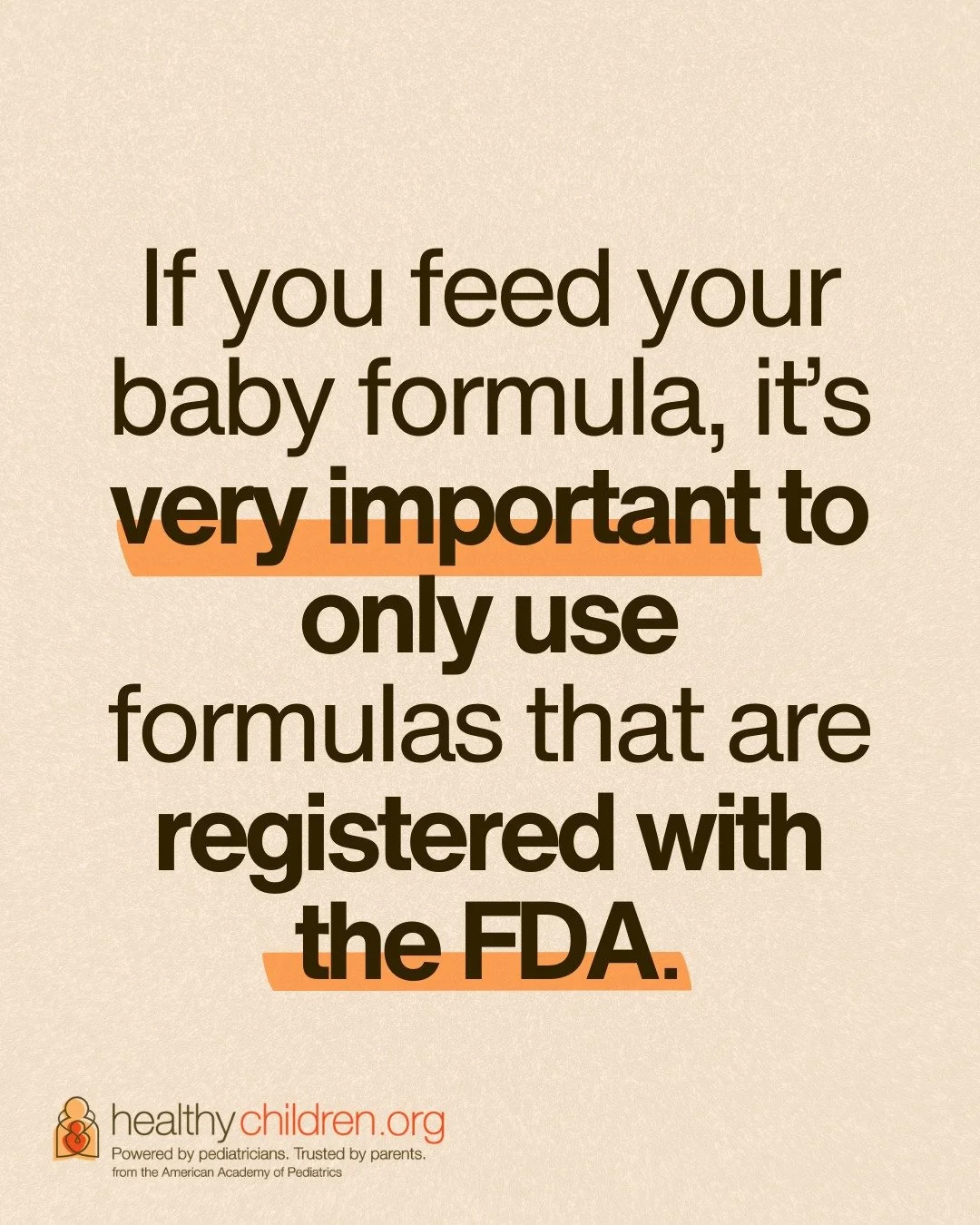
Commercial infant formulas sold in the United States must meet strict safety and nutrition guidelines set by the FDA. These standards ensure that formulas contain the proper balance of nutrients babies need for healthy growth.

Using FDA-registered infant formula helps ensure that your baby receives consistent, safe nutrition.

When choosing formula, parents should:

  • Use formulas that are labeled for infants

  • Follow preparation instructions carefully

  • Use clean bottles and measuring tools

  • Store prepared formula properly

If you ever have questions about preparing formula or choosing the right type for your baby, your pediatrician can help guide you.

Breastfeeding and Formula: Both Can Support Healthy Babies

While breastfeeding is recommended when possible, every family’s situation is different. Some parents may supplement with formula, while others may rely on formula feeding from the beginning.

The most important goal is that your baby receives safe, balanced nutrition that supports healthy growth and development.

Your pediatrician can help you determine the best feeding approach for your baby and answer any questions along the way.

When to Talk to Your Pediatrician

If you’re considering making homemade formula or have concerns about feeding your baby, it’s always best to talk with your child’s pediatrician first.

A pediatric provider can help you:

  • Choose the right infant formula

  • Address feeding concerns

  • Monitor your baby’s growth

  • Ensure your baby is receiving proper nutrition

At The Children’s Clinic, we’re here to support families through every stage of early childhood, including those important first feeding decisions.

Trusted Pediatric Care for Families in Jackson, TN

The providers at The Children’s Clinic in Jackson, Tennessee are dedicated to helping parents make informed decisions about their child’s health and nutrition.

If you have questions about infant feeding, breastfeeding, or formula options, our team is here to help.

The Children’s Clinic
📍 264 Coatsland Drive
Jackson, TN 38301
📞 731-423-1500

Proudly serving families across Jackson, Madison County, and West Tennessee.

Helping Kids Adjust to Daylight Saving Time: Tips for a Smoother Transition

Twice a year, families across the country adjust their clocks for Daylight Saving Time. While the change may seem small, losing or gaining an hour can have a bigger impact on children than many parents expect. Kids thrive on routine, and even a one-hour shift can disrupt sleep schedules, mood, and daily routines.

Fortunately, with a little preparation, parents can help their children transition more smoothly.

At The Children’s Clinic in Jackson, TN, we often hear from parents who notice sleep struggles, crankiness, or bedtime resistance after the clocks change. The good news is that a few simple strategies can help your child adjust more easily.

Below are several pediatrician-recommended tips to prepare your family for Daylight Saving Time.

Gradually Shift Bedtimes

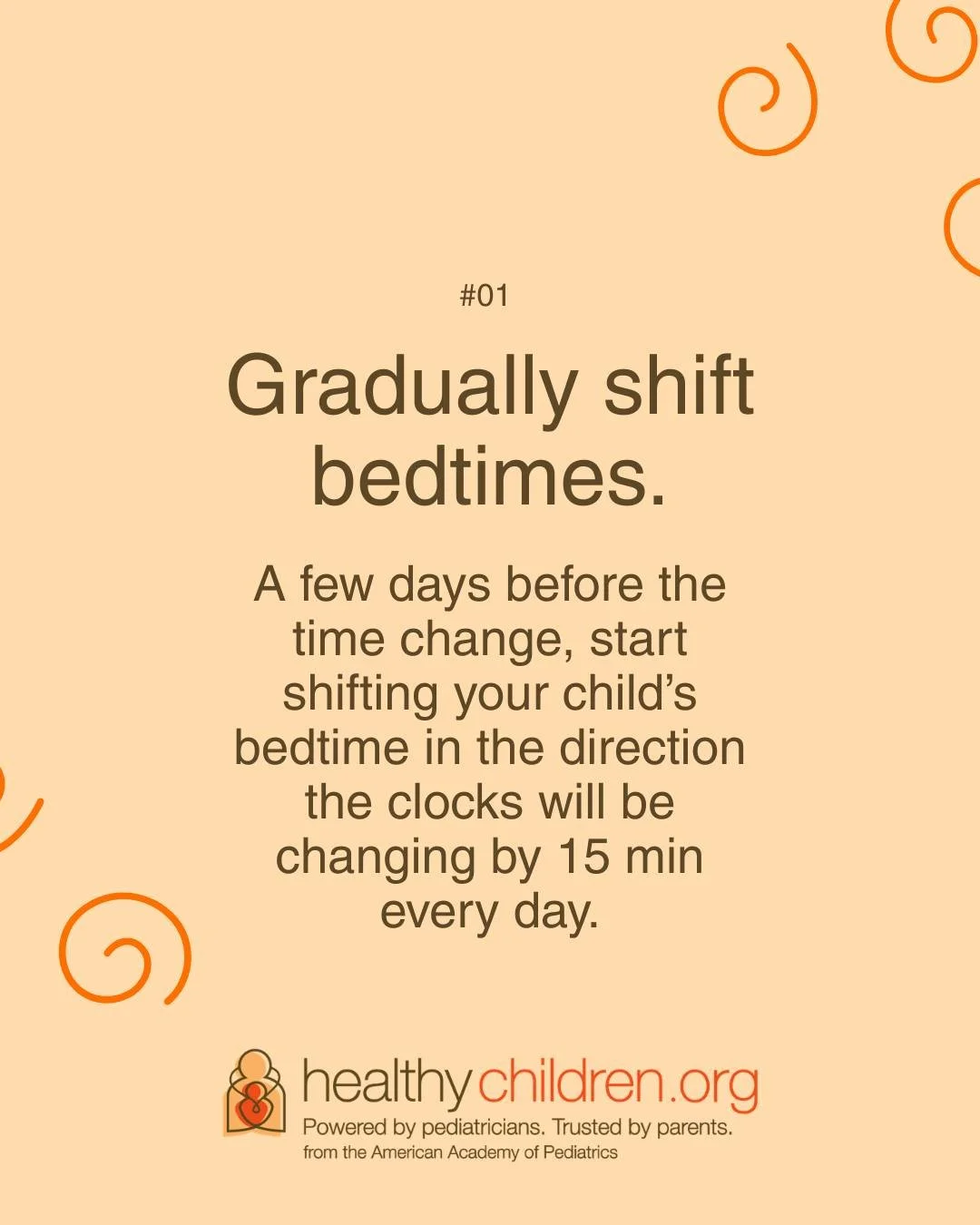
One of the best ways to help your child adjust is by gradually shifting their bedtime before the time change.

A few days before Daylight Saving Time begins, start moving your child’s bedtime by about 15 minutes each night in the direction the clocks will change. This gentle adjustment helps their internal body clock adapt more naturally.

For example:

  • Move bedtime 15 minutes earlier or later each night.

  • Continue adjusting until you reach the new schedule.

Making small changes over several days can make the transition much easier than switching everything at once.

Limit Screen Time and Artificial Light Before Bed

Light plays a big role in how our brains regulate sleep. Exposure to bright light in the evening — especially from screens — can trick the brain into thinking it’s still daytime.

Phones, tablets, televisions, and even bright lamps can interfere with your child’s ability to fall asleep.

To help your child wind down:

  • Turn off screens at least one hour before bedtime

  • Dim household lights in the evening

  • Encourage quiet activities like reading or coloring

These steps help signal to your child’s body that it’s time to relax and prepare for sleep.

Establish a Consistent Nighttime Routine

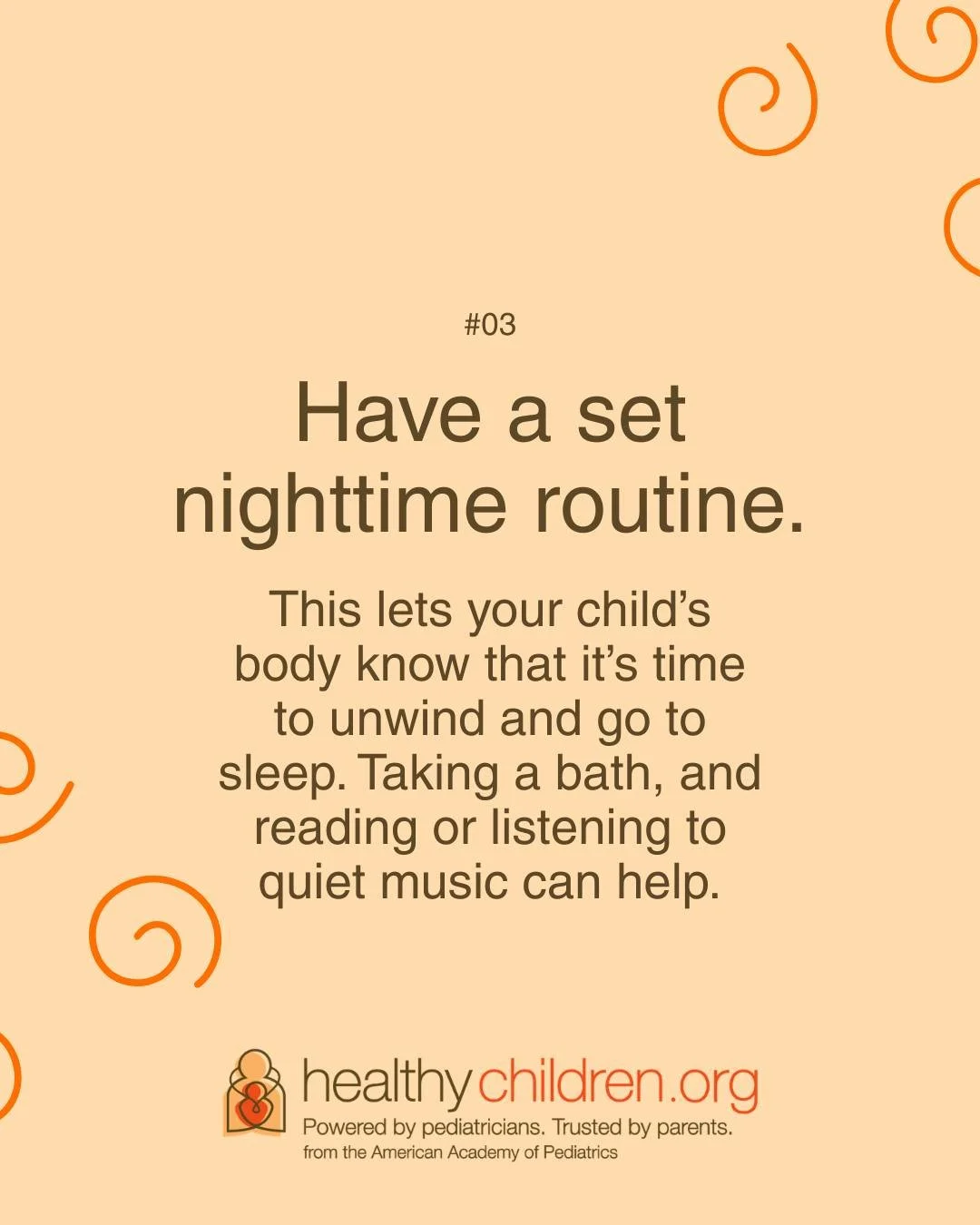
Children benefit from predictable routines, especially at bedtime. A calming nighttime routine helps their body recognize when it’s time to sleep.

Healthy bedtime routines may include:

  • Taking a warm bath

  • Reading a bedtime story

  • Listening to quiet music

  • Talking about the day

Keeping the same routine each night helps children feel secure and relaxed, making it easier for them to fall asleep — even when schedules change.

Encourage Physical Activity During the Day

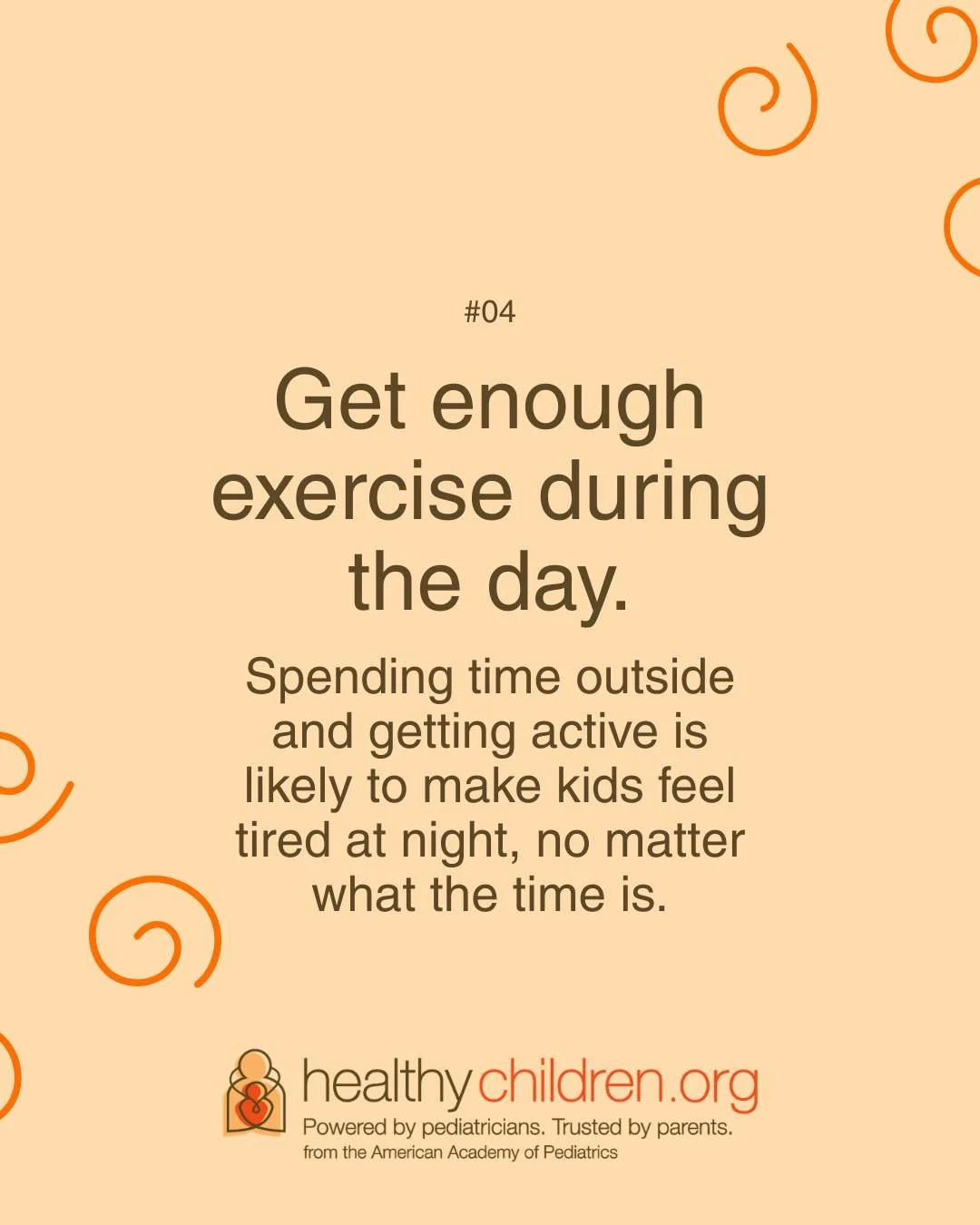
Getting enough exercise during the day can make a big difference in how well children sleep at night.

Spending time outdoors and staying active helps children burn energy and regulate their natural sleep cycles. Fresh air and sunlight also help reset the body’s internal clock.

Encourage activities like:

  • Playing outside

  • Riding bikes

  • Walking the dog

  • Sports or playground time

Active kids are more likely to feel naturally tired at bedtime.

Be Patient During the Adjustment Period

Even with preparation, it may take a few days for your child to fully adjust to the new schedule. Some children may feel extra tired, irritable, or have trouble waking up in the morning.

That’s completely normal.

Sticking with healthy sleep habits and maintaining consistent routines will help your child adapt more quickly.

When to Talk to Your Pediatrician

If your child continues to struggle with sleep long after the time change, it may be helpful to talk with your pediatrician. Sleep challenges can sometimes be linked to other factors such as stress, anxiety, or underlying sleep disorders.

The pediatric providers at The Children’s Clinic in Jackson, Tennessee are always happy to answer questions and help families develop healthy sleep habits for their children.

Supporting Healthy Sleep for Kids in Jackson, TN

At The Children’s Clinic, we are proud to support families throughout Jackson, Madison County, and West Tennessee with compassionate pediatric care and trusted health guidance.

If you ever have questions about your child’s sleep habits, bedtime routines, or adjusting to Daylight Saving Time, our team is here to help.

The Children’s Clinic
📍 264 Coatsland Drive
Jackson, TN 38301
📞 731-423-1500

Helping Jackson families keep kids healthy, happy, and well-rested.

Helpful Charts for Parents: A Practical Guide to Everyday Pediatric Questions

Parenthood comes with constant decisions — and sometimes, the smallest questions can feel like the biggest ones.

How much Tylenol is safe?
When should my child get their next vaccines?
How long can breast milk stay out?
How much toothpaste should I use?
Which foods are choking hazards?

New parents, we see you — and we’re here to help.

Below are some of the most helpful pediatric reference charts we regularly recommend to families. These tools are designed to give you quick, trusted guidance when you need it most. And as always, if you have any questions, don’t hesitate to reach out to your pediatrician. They can help you make the best and most informed decisions about your child’s health.

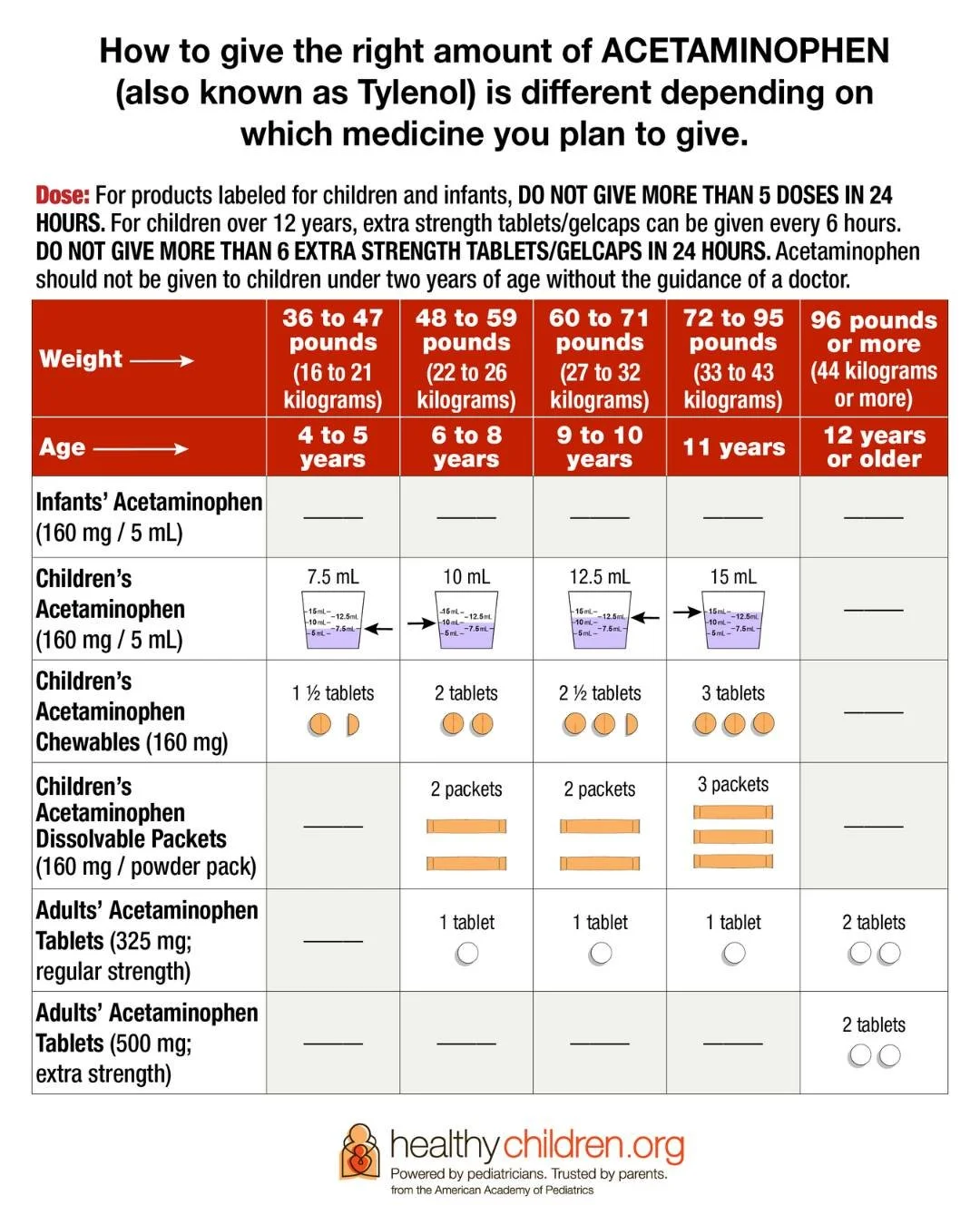
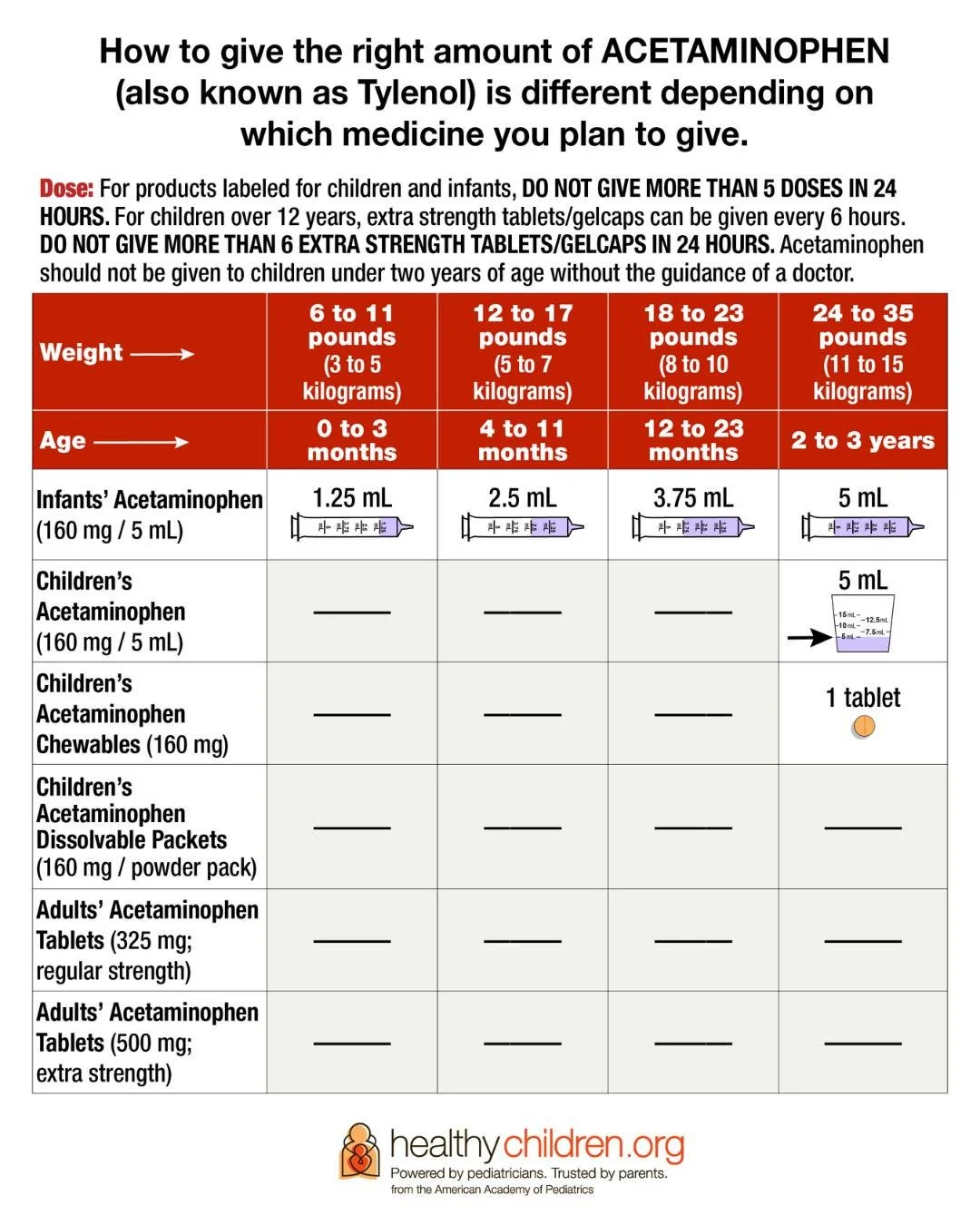
Acetaminophen (Tylenol) Dosing for Infants and Children

One of the most common calls pediatric offices receive is about fever or pain relief.

Giving the correct dose of acetaminophen is extremely important — and dosing depends on your child’s weight and the formulation you’re using.

Key reminders:

  • Always use the measuring device that comes with the medicine.

  • Dosing is based on weight, not just age.

  • Do not give more than 5 doses in 24 hours for infants and children.

  • Do not give to children under 2 years old without speaking to a doctor first.

  • Extra strength adult products follow different guidelines.

Because liquid, chewable, and tablet forms vary in concentration, double-check the label every time.

If you’re ever unsure, call us before giving a dose.

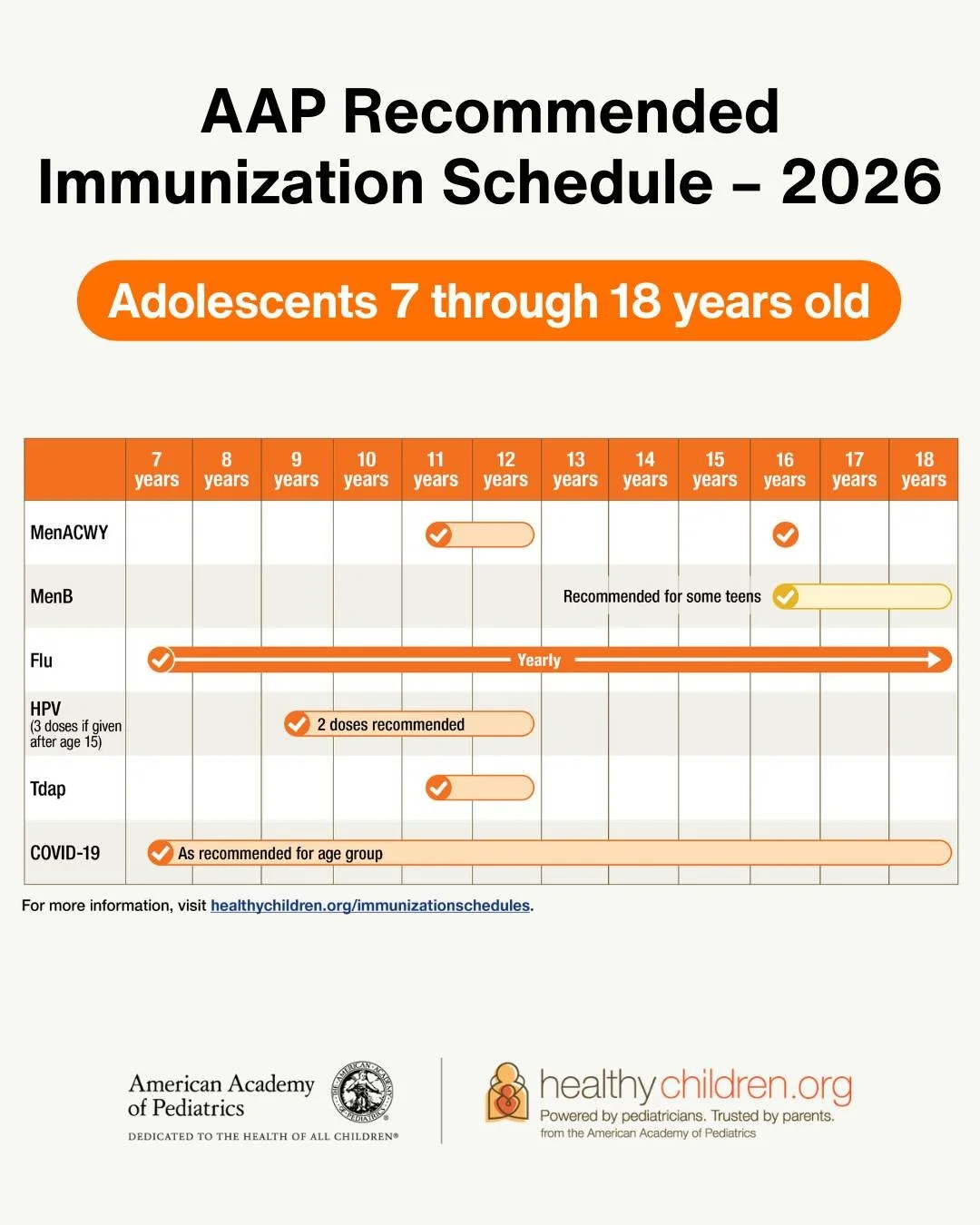
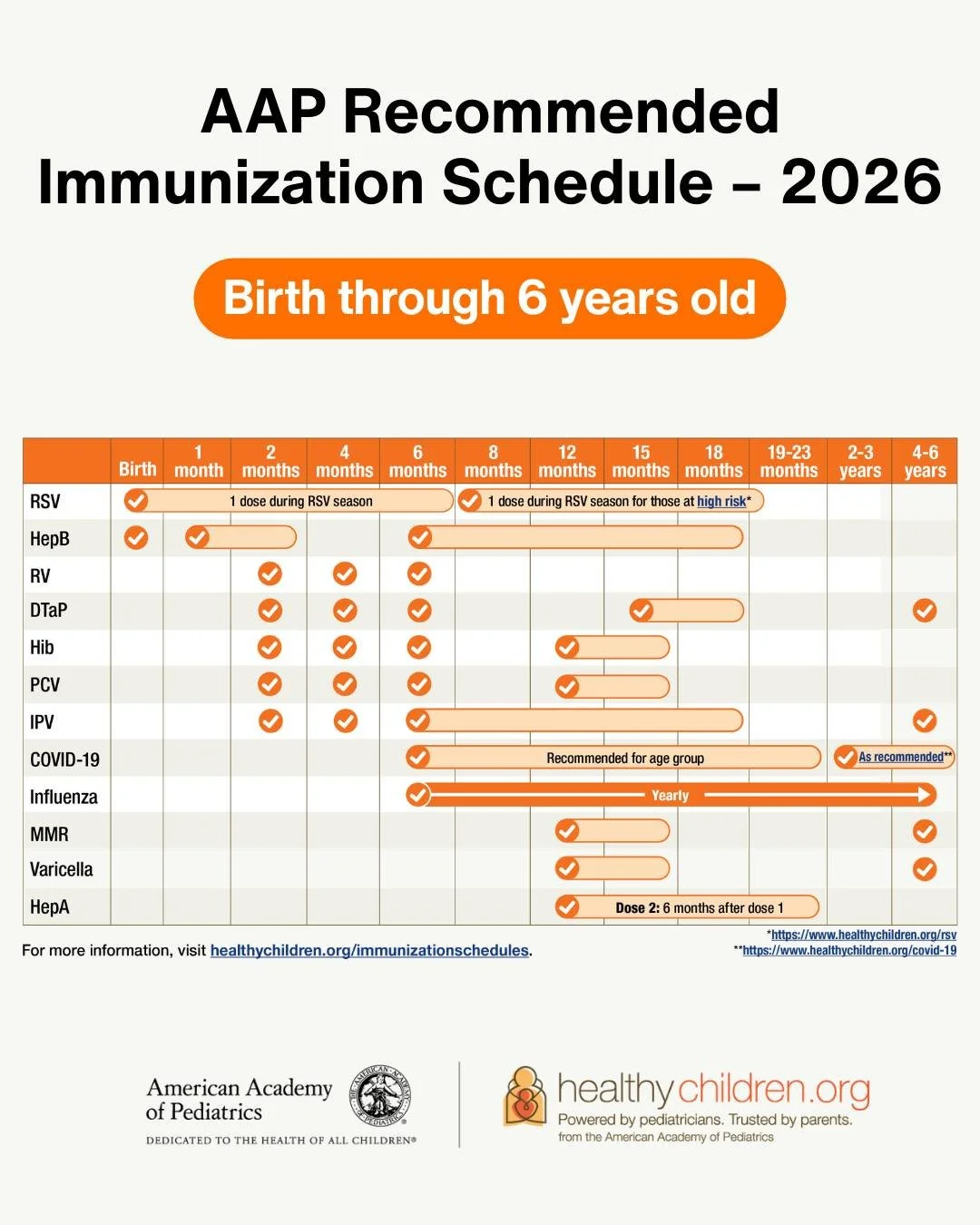
AAP Recommended Immunization Schedule – 2026

Vaccines protect children from serious — and sometimes life-threatening — diseases.

The American Academy of Pediatrics (AAP) provides a recommended immunization schedule divided into:

Birth Through 6 Years Old

This schedule includes vaccines such as:

  • Hepatitis B

  • DTaP

  • Hib

  • Polio (IPV)

  • MMR

  • Varicella

  • Hepatitis A

  • Influenza (yearly)

  • RSV (for eligible infants)

  • COVID-19 (as recommended for age group)

These early years are critical for building strong immunity.

Adolescents 7 Through 18 Years Old

Older children and teens typically receive:

  • Tdap booster

  • HPV series

  • Meningococcal vaccines (MenACWY and possibly MenB)

  • Annual flu vaccine

  • COVID-19 (as recommended)

If you’re unsure whether your child is up to date, we’re happy to review their records and create a catch-up plan if needed.

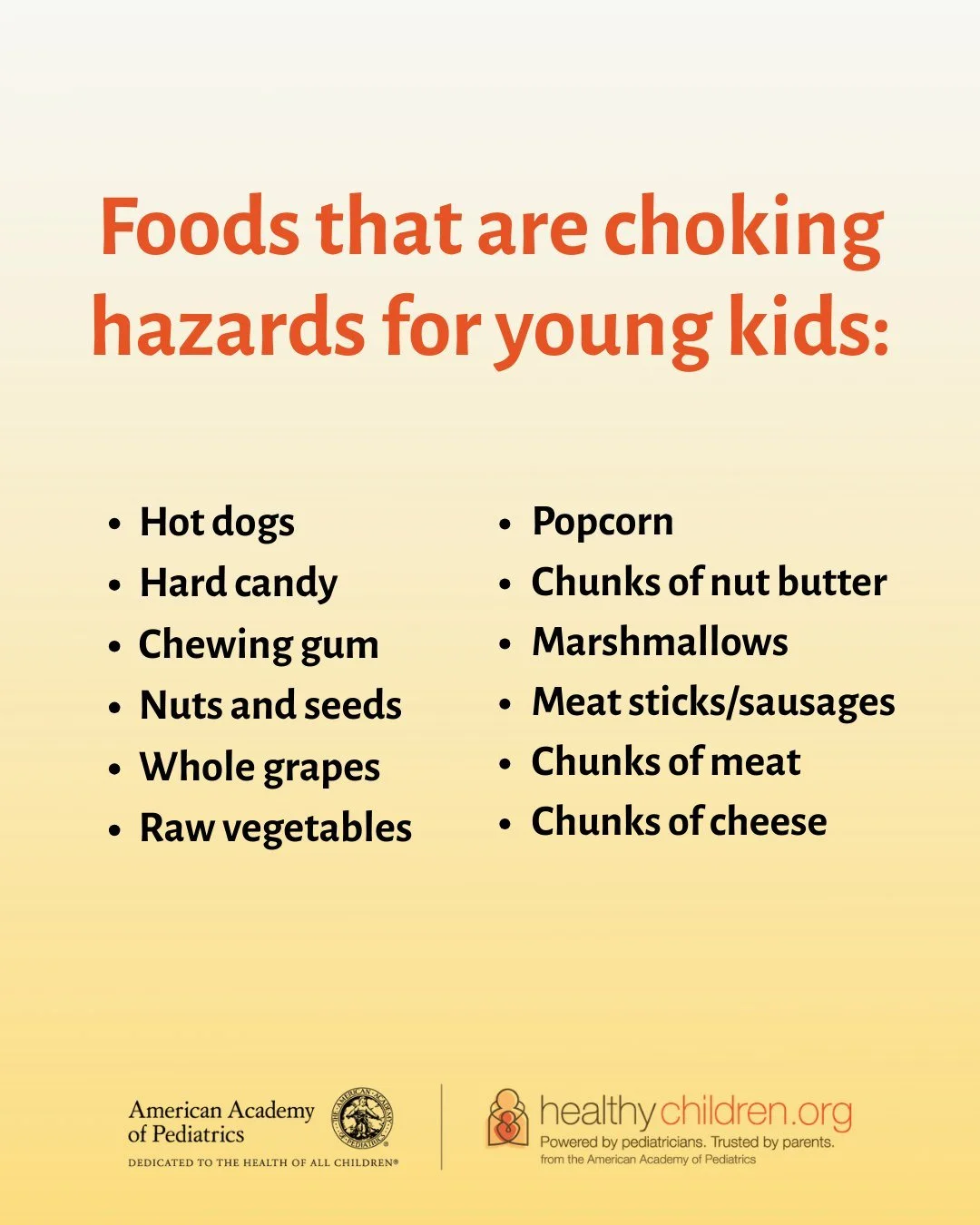
Foods That Are Choking Hazards for Young Kids

Young children are still learning how to chew and swallow safely. Certain foods pose higher choking risks, especially under age 4.

Common choking hazards include:

  • Hot dogs

  • Whole grapes

  • Nuts and seeds

  • Hard candy

  • Popcorn

  • Marshmallows

  • Chunks of meat or cheese

  • Raw vegetables

  • Chewing gum

  • Large spoonfuls of nut butter

Simple adjustments can reduce risk:

  • Cut grapes lengthwise.

  • Slice hot dogs into small, thin strips.

  • Avoid popcorn and hard candy for young children.

  • Spread nut butter thinly instead of serving in chunks.

Supervision during meals is always important.

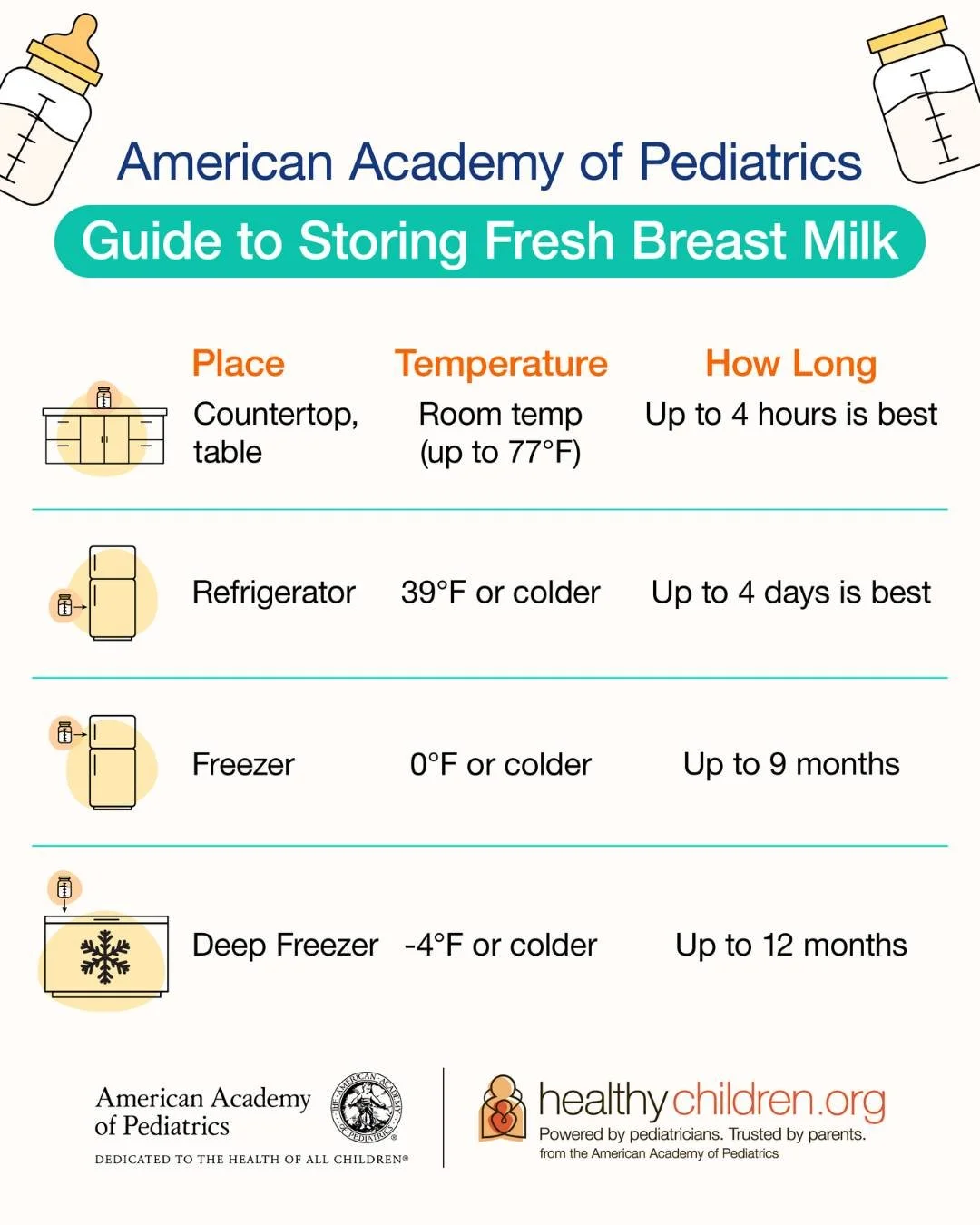
Guide to Storing Fresh Breast Milk

Breast milk storage guidelines can be confusing — especially for first-time parents.

Here’s a simple breakdown:

Room temperature (up to 77°F):
Up to 4 hours is best.

Refrigerator (39°F or colder):
Up to 4 days is best.

Freezer (0°F or colder):
Up to 9 months.

Deep freezer (-4°F or colder):
Up to 12 months.

Label milk with the date, store in clean containers, and always thaw safely in the refrigerator or warm water — never in the microwave.

If you have questions about supply, storage, or feeding concerns, we’re here to support you.

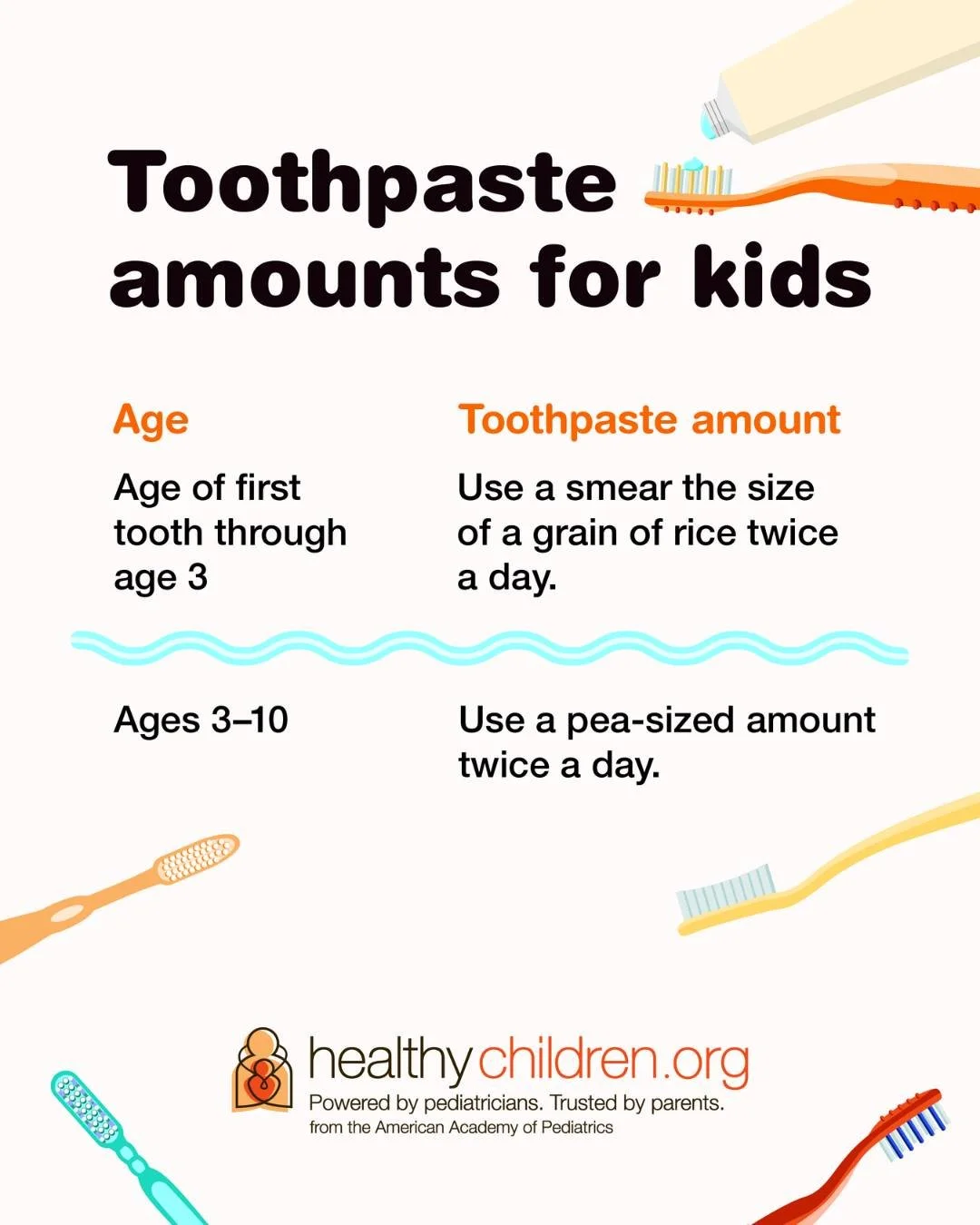
Toothpaste Amounts for Kids

Dental health starts early.

The correct amount of toothpaste depends on age:

From first tooth through age 3:
Use a smear the size of a grain of rice twice daily.

Ages 3–10:
Use a pea-sized amount twice daily.

Using too much toothpaste can lead to swallowing excess fluoride, so a small amount is all that’s needed.

Why These Charts Matter

Parenthood doesn’t come with a manual — but having trusted, pediatric-approved resources makes everyday decisions easier.

These charts are helpful reference tools, but they don’t replace personalized medical advice.

Every child is different.

If you’re ever unsure about:

  • Medication dosing

  • Vaccine timing

  • Feeding or nutrition

  • Safety concerns

  • Developmental questions

Call your pediatrician.

We’re Here for Jackson Families

At The Children’s Clinic in Jackson, TN, we are proud to serve families throughout Jackson and Madison County with compassionate, evidence-based pediatric care.

If you ever have questions, don’t hesitate to reach out. We’re here to help you feel confident and informed in caring for your child.

📍 264 Coatsland Drive, Jackson, TN
📞 731-423-1500

Because your child’s health deserves trusted guidance — every step of the way.

Building a “Calm Toolbox”: Healthy Ways to Help Kids (and Parents) Cope with Stress in Jackson, TN

Life can be stressful — for adults and children alike.

Busy schedules, school pressures, social challenges, and constant digital notifications can leave families feeling overwhelmed. When emotions run high, it’s easy to reach for a screen as a quick distraction.

But screens aren’t the only — or always the best — solution.

At The Children’s Clinic in Jackson, TN, we encourage families across Madison County and West Tennessee to build what we call a “Calm Toolbox.” These are simple, healthy activities that help regulate the nervous system and provide positive distractions when big feelings take over.

Let’s explore how it works.

Why We Need a Calm Toolbox

When we feel stressed, our nervous system shifts into “fight or flight” mode. For children, this might look like:

  • Meltdowns

  • Irritability

  • Trouble focusing

  • Crying or withdrawal

  • Difficulty sleeping

For adults, it can show up as tension, impatience, headaches, or exhaustion.

Screens may temporarily distract us, but they don’t always calm the nervous system. In some cases, fast-paced content can actually increase stimulation.

A calm toolbox gives both parents and children intentional, healthy ways to reset.

What Is a Calm Toolbox?

A calm toolbox is simply a collection of activities that:

✔ Redirect attention
✔ Slow the body down
✔ Encourage focus
✔ Support emotional regulation
✔ Create connection

These activities are meant to be positive distractions — not avoidance, but tools that help the brain and body settle so problem-solving becomes possible.

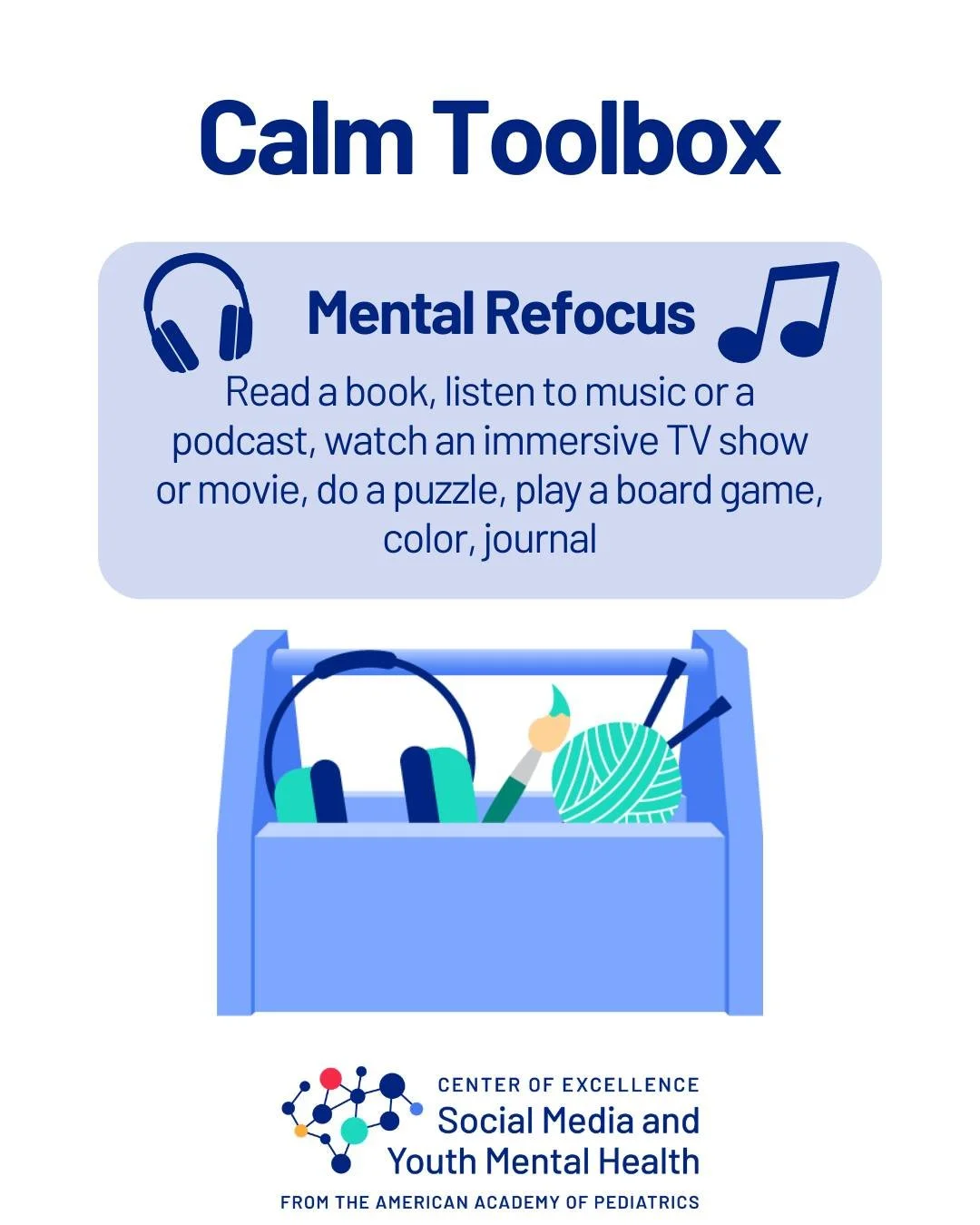
Calm Toolbox Idea: Mental Refocus

One of the easiest ways to regulate stress is through mental refocusing activities.

These include:

  • Reading a book

  • Listening to calming music

  • Playing a favorite podcast

  • Watching an immersive, slow-paced show or movie

  • Doing a puzzle

  • Playing a board game

  • Coloring

  • Journaling

These activities engage the brain in structured, predictable ways. That predictability helps calm the stress response.

For families in Jackson, Medina, Humboldt, and throughout West Tennessee, these are simple tools that can be used at home, in the car, or even during busy evenings.

Why These Activities Work

When we focus on a puzzle, a story, music, or creative work, several helpful things happen:

  • Breathing slows

  • Heart rate stabilizes

  • Muscles relax

  • Attention narrows to one task

  • Emotional intensity decreases

For children especially, hands-on activities like coloring, drawing, or board games give their brains something concrete to anchor to.

This shift helps move the body out of fight-or-flight and back into a calmer state.

Screens vs. Intentional Screen Use

Not all screen time is harmful. The key is intentional use.

If a child is already overstimulated, fast-moving videos or social media scrolling may increase emotional reactivity.

Instead, choose:

  • Slower-paced programming

  • Educational or story-based shows

  • Shared screen time with conversation

Better yet, balance screen use with non-digital calming tools.

How to Create a Calm Toolbox at Home

You can build a physical or mental calm toolbox with your child.

Here’s how:

  1. Sit down together when everyone is calm.

  2. Ask: “What helps you feel better when you’re upset?”

  3. Write down ideas.

  4. Gather simple supplies — books, coloring pages, puzzle books, a favorite playlist, journals.

  5. Keep them in an accessible spot.

The goal is to practice using these tools before emotions get overwhelming.

Over time, children learn to recognize when they need a reset — and reach for healthy strategies on their own.

Modeling Calm as a Parent

Children learn emotional regulation by watching adults.

If your child sees you:

  • Taking a break to read

  • Listening to music to unwind

  • Journaling

  • Playing a board game instead of scrolling

They begin to understand that calming strategies are normal and healthy.

Parents in Jackson often tell us they feel pressure to always “have it together.” But modeling calm doesn’t mean being perfect — it means showing your child how to cope in real time.

When to Seek Extra Support

Occasional stress is normal.

However, if your child experiences:

  • Frequent intense meltdowns

  • Persistent anxiety

  • Trouble sleeping

  • Avoidance of school

  • Significant mood changes

It may be time to talk with your pediatrician.

At The Children’s Clinic in Jackson, TN, we support children’s physical and emotional health. We can help you evaluate stress patterns and guide you toward additional support if needed.

Start Small

You don’t need a complicated plan.

Start with:

  • One book

  • One puzzle

  • One journal

  • One playlist

Small tools can make a big difference.

Because helping children build healthy coping skills today sets them up for resilience tomorrow.

The Children’s Clinic

264 Coatsland Drive
Jackson, TN 38301
📞 731-423-1500

Serving families across Jackson, Madison County, and West Tennessee.