


Twice a year, families across the country adjust their clocks for Daylight Saving Time. While the change may seem small, losing or gaining an hour can have a bigger impact on children than many parents expect. Kids thrive on routine, and even a one-hour shift can disrupt sleep schedules, mood, and daily routines.
Fortunately, with a little preparation, parents can help their children transition more smoothly.
At The Children’s Clinic in Jackson, TN, we often hear from parents who notice sleep struggles, crankiness, or bedtime resistance after the clocks change. The good news is that a few simple strategies can help your child adjust more easily.
Below are several pediatrician-recommended tips to prepare your family for Daylight Saving Time.
Gradually Shift Bedtimes
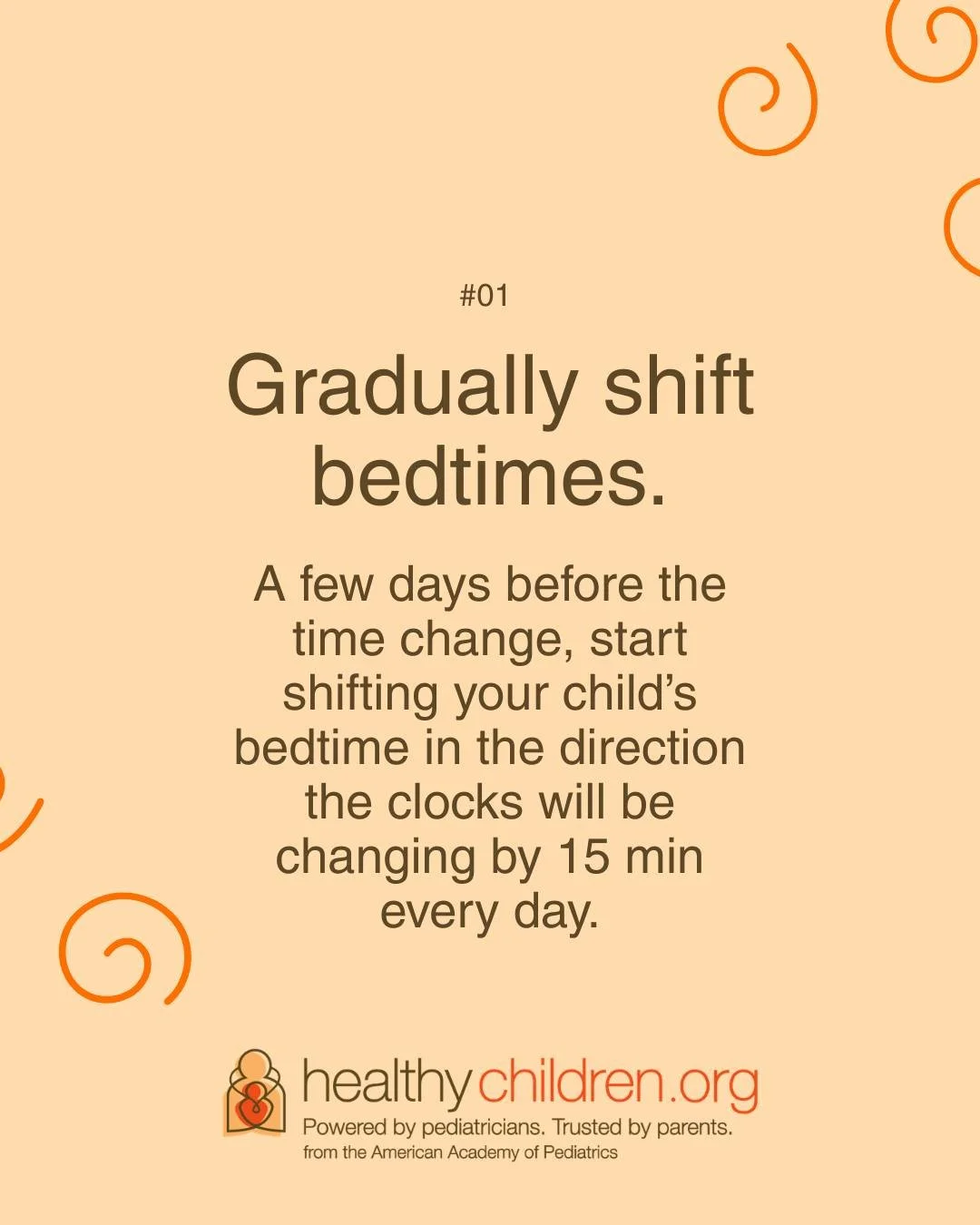
One of the best ways to help your child adjust is by gradually shifting their bedtime before the time change.
A few days before Daylight Saving Time begins, start moving your child’s bedtime by about 15 minutes each night in the direction the clocks will change. This gentle adjustment helps their internal body clock adapt more naturally.
For example:
Move bedtime 15 minutes earlier or later each night.
Continue adjusting until you reach the new schedule.
Making small changes over several days can make the transition much easier than switching everything at once.
Limit Screen Time and Artificial Light Before Bed
Light plays a big role in how our brains regulate sleep. Exposure to bright light in the evening — especially from screens — can trick the brain into thinking it’s still daytime.
Phones, tablets, televisions, and even bright lamps can interfere with your child’s ability to fall asleep.
To help your child wind down:
Turn off screens at least one hour before bedtime
Dim household lights in the evening
Encourage quiet activities like reading or coloring
These steps help signal to your child’s body that it’s time to relax and prepare for sleep.
Establish a Consistent Nighttime Routine
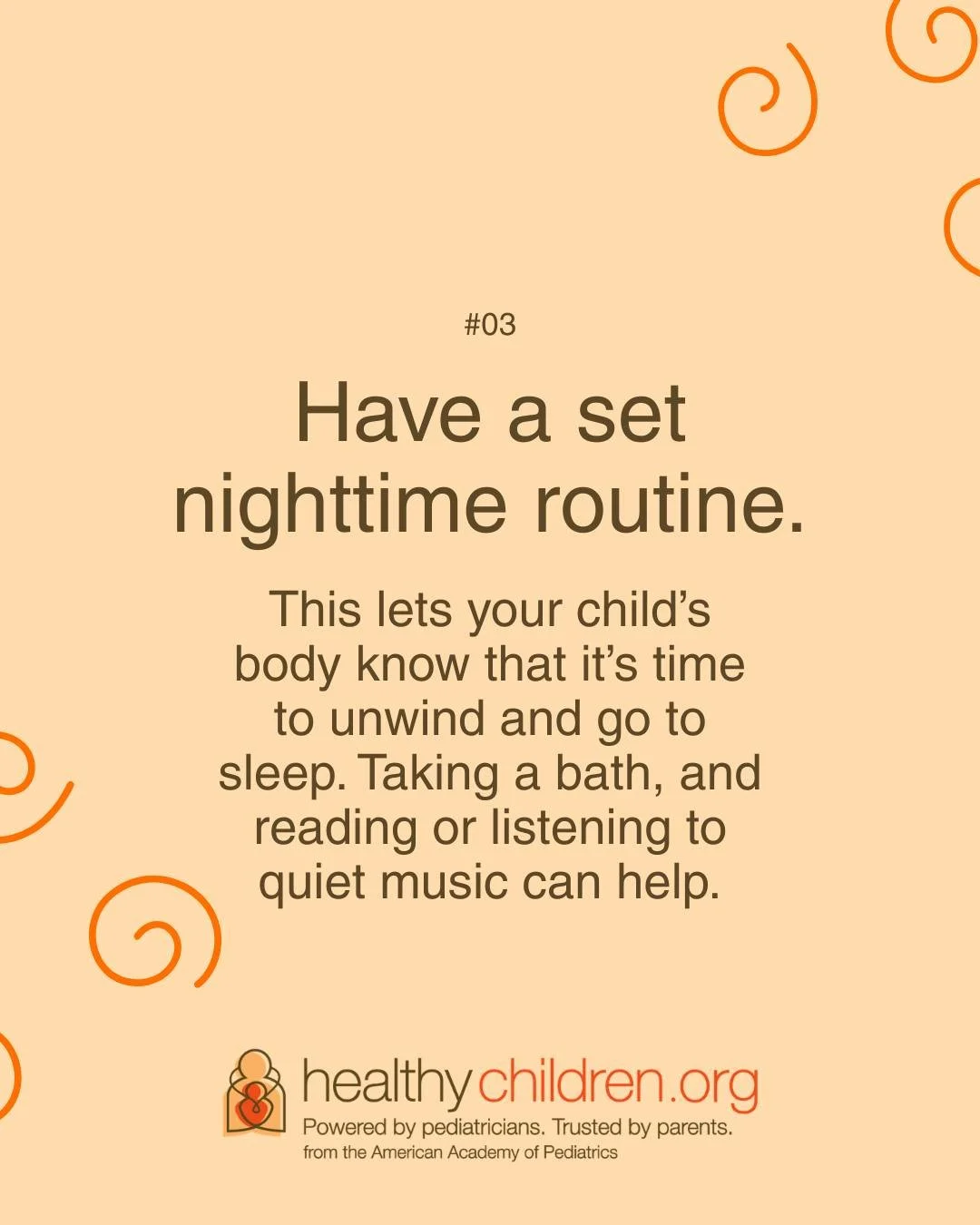
Children benefit from predictable routines, especially at bedtime. A calming nighttime routine helps their body recognize when it’s time to sleep.
Healthy bedtime routines may include:
Taking a warm bath
Reading a bedtime story
Listening to quiet music
Talking about the day
Keeping the same routine each night helps children feel secure and relaxed, making it easier for them to fall asleep — even when schedules change.
Encourage Physical Activity During the Day
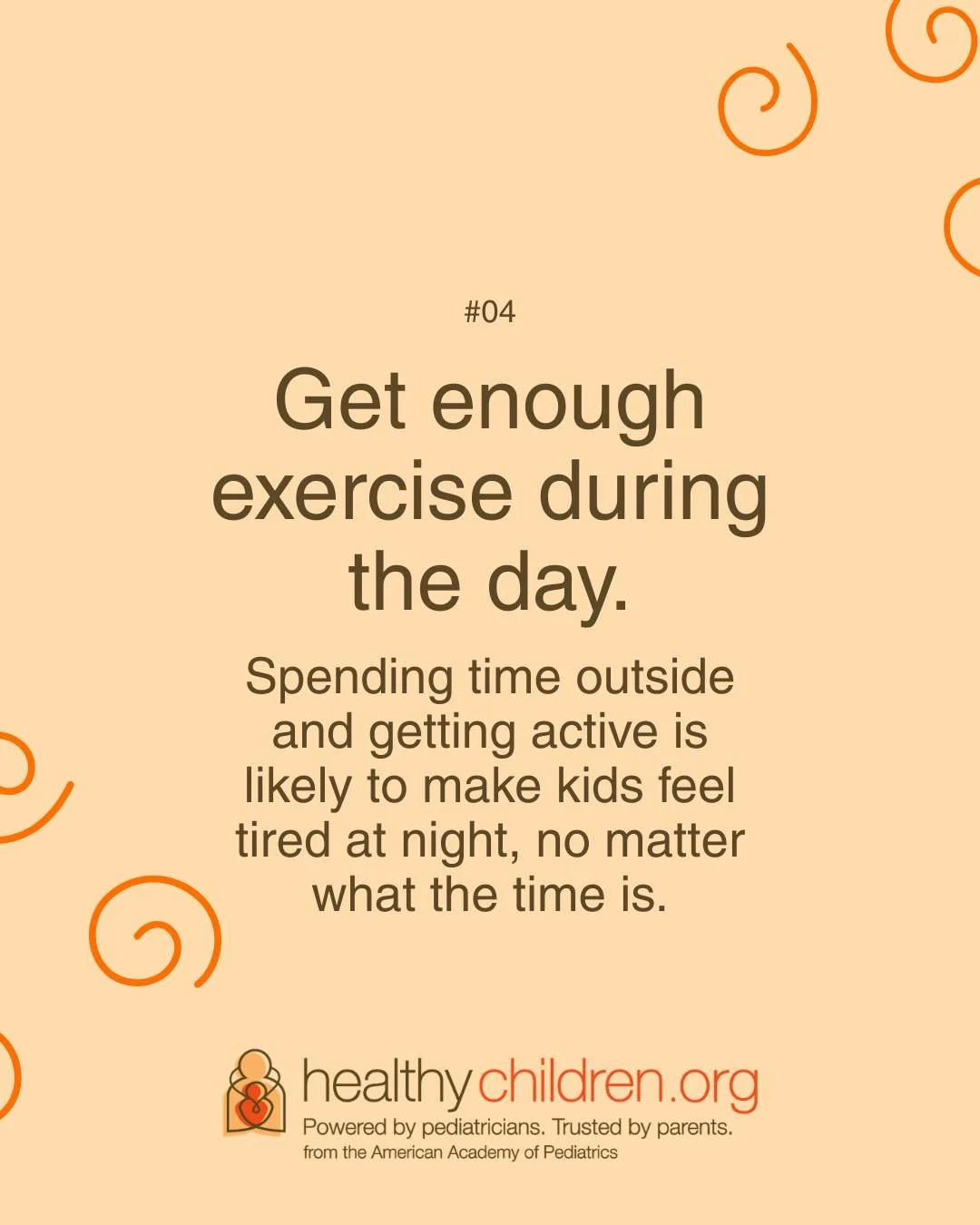
Getting enough exercise during the day can make a big difference in how well children sleep at night.
Spending time outdoors and staying active helps children burn energy and regulate their natural sleep cycles. Fresh air and sunlight also help reset the body’s internal clock.
Encourage activities like:
Playing outside
Riding bikes
Walking the dog
Sports or playground time
Active kids are more likely to feel naturally tired at bedtime.
Be Patient During the Adjustment Period
Even with preparation, it may take a few days for your child to fully adjust to the new schedule. Some children may feel extra tired, irritable, or have trouble waking up in the morning.
That’s completely normal.
Sticking with healthy sleep habits and maintaining consistent routines will help your child adapt more quickly.
When to Talk to Your Pediatrician
If your child continues to struggle with sleep long after the time change, it may be helpful to talk with your pediatrician. Sleep challenges can sometimes be linked to other factors such as stress, anxiety, or underlying sleep disorders.
The pediatric providers at The Children’s Clinic in Jackson, Tennessee are always happy to answer questions and help families develop healthy sleep habits for their children.
Supporting Healthy Sleep for Kids in Jackson, TN
At The Children’s Clinic, we are proud to support families throughout Jackson, Madison County, and West Tennessee with compassionate pediatric care and trusted health guidance.
If you ever have questions about your child’s sleep habits, bedtime routines, or adjusting to Daylight Saving Time, our team is here to help.
The Children’s Clinic
📍 264 Coatsland Drive
Jackson, TN 38301
📞 731-423-1500
Helping Jackson families keep kids healthy, happy, and well-rested.