
When it comes to feeding your baby, every parent wants to make the healthiest choice possible. Babies grow rapidly during their first year of life, and proper nutrition is essential for healthy development.
Breastmilk naturally contains the ideal balance of nutrients that babies need. However, when breastfeeding isn’t possible or a family chooses another option, infant formula is designed to provide safe and complete nutrition for babies.
Recently, recipes for homemade baby formula have circulated online and on social media. These recipes may seem appealing because they are often described as natural, organic, or less expensive. But pediatricians warn that homemade formulas can be risky and may not provide the correct nutrients your baby needs to grow and stay healthy.
Understanding the difference between regulated infant formula and homemade recipes can help parents make safer feeding decisions.
Why Babies Need a Carefully Balanced Diet
Infants have very specific nutritional needs. Their bodies require the right balance of nutrients, including:
Protein for growth
Healthy fats for brain development
Vitamins and minerals for overall health
Carbohydrates for energy
Iron to support blood development
Breastmilk naturally contains these nutrients in the correct amounts. Infant formulas are carefully developed to closely mimic breastmilk’s nutritional profile so babies receive the nutrients they need.
Because babies are growing so quickly, even small nutritional imbalances can affect their development.
Why Homemade Formula Can Be Dangerous
Homemade baby formula recipes often include ingredients like raw milk, evaporated milk, oils, syrups, or other additives. While these may sound wholesome, they are not designed to meet an infant’s nutritional requirements.
Potential risks of homemade formula include:
Nutritional Imbalance
Homemade formulas may contain too much or too little of key nutrients. This imbalance can lead to poor growth, vitamin deficiencies, or other health problems.
Risk of Contamination
Some recipes call for raw milk or other ingredients that may contain harmful bacteria. Babies have immature immune systems and are especially vulnerable to infections.
Incorrect Mineral Levels
Too much sodium, calcium, or other minerals can put stress on a baby’s kidneys and developing organs.
Because of these risks, pediatric experts strongly recommend avoiding homemade formula recipes.
Why FDA-Registered Infant Formula Is Important
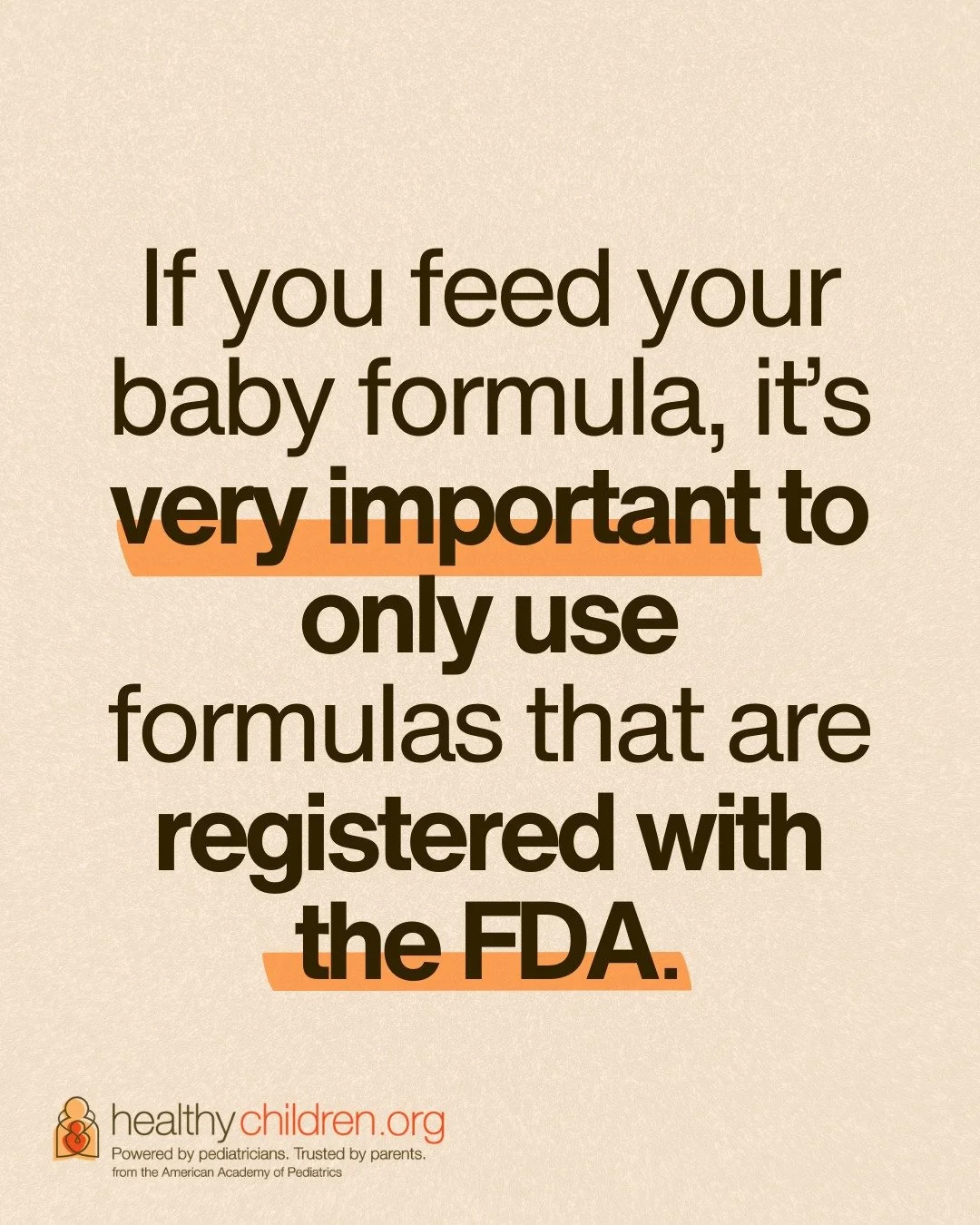
Commercial infant formulas sold in the United States must meet strict safety and nutrition guidelines set by the FDA. These standards ensure that formulas contain the proper balance of nutrients babies need for healthy growth.
Using FDA-registered infant formula helps ensure that your baby receives consistent, safe nutrition.
When choosing formula, parents should:
Use formulas that are labeled for infants
Follow preparation instructions carefully
Use clean bottles and measuring tools
Store prepared formula properly
If you ever have questions about preparing formula or choosing the right type for your baby, your pediatrician can help guide you.
Breastfeeding and Formula: Both Can Support Healthy Babies
While breastfeeding is recommended when possible, every family’s situation is different. Some parents may supplement with formula, while others may rely on formula feeding from the beginning.
The most important goal is that your baby receives safe, balanced nutrition that supports healthy growth and development.
Your pediatrician can help you determine the best feeding approach for your baby and answer any questions along the way.
When to Talk to Your Pediatrician
If you’re considering making homemade formula or have concerns about feeding your baby, it’s always best to talk with your child’s pediatrician first.
A pediatric provider can help you:
Choose the right infant formula
Address feeding concerns
Monitor your baby’s growth
Ensure your baby is receiving proper nutrition
At The Children’s Clinic, we’re here to support families through every stage of early childhood, including those important first feeding decisions.
Trusted Pediatric Care for Families in Jackson, TN
The providers at The Children’s Clinic in Jackson, Tennessee are dedicated to helping parents make informed decisions about their child’s health and nutrition.
If you have questions about infant feeding, breastfeeding, or formula options, our team is here to help.
The Children’s Clinic
📍 264 Coatsland Drive
Jackson, TN 38301
📞 731-423-1500
Proudly serving families across Jackson, Madison County, and West Tennessee.