
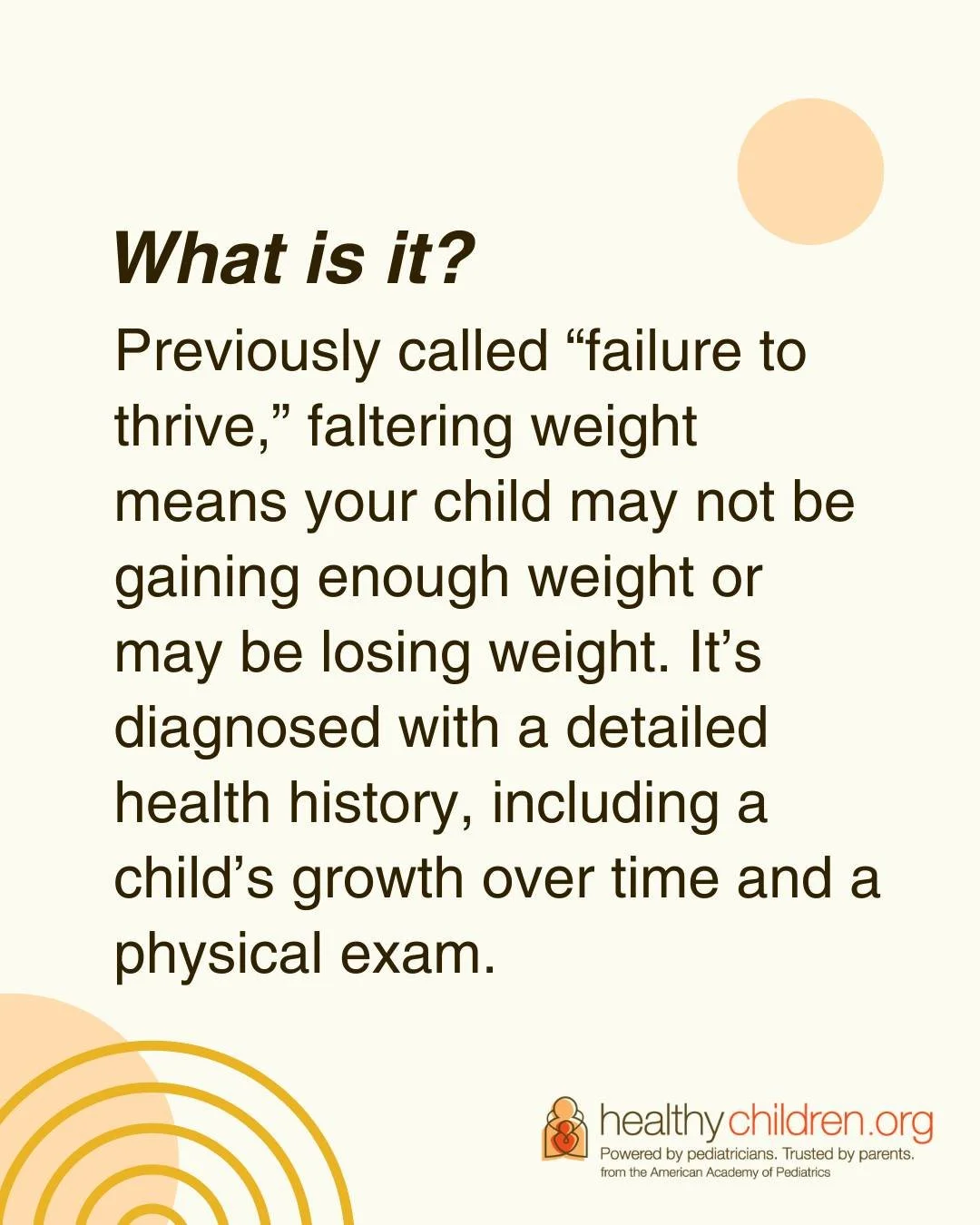
If your pediatrician mentions the term “faltering weight,” it can feel overwhelming—especially if you’ve previously heard it called “failure to thrive.”
While the name may sound alarming, faltering weight is more common than many parents realize, affecting up to 1 in 10 children. The important thing to remember is that with the right guidance and support, most children can get back on a healthy growth track.
Here’s what every parent should know.
What Is Faltering Weight?
Faltering weight refers to a pattern where a child is:
• Not gaining weight as expected
• Gaining weight very slowly
• Losing weight
• Dropping significantly on their growth curve
Doctors use this term when a child’s growth doesn’t follow a typical pattern over time.
It is not based on a single weigh-in. Instead, it’s diagnosed through a complete health history, careful tracking of growth over time, and a physical exam.
How Is It Diagnosed?
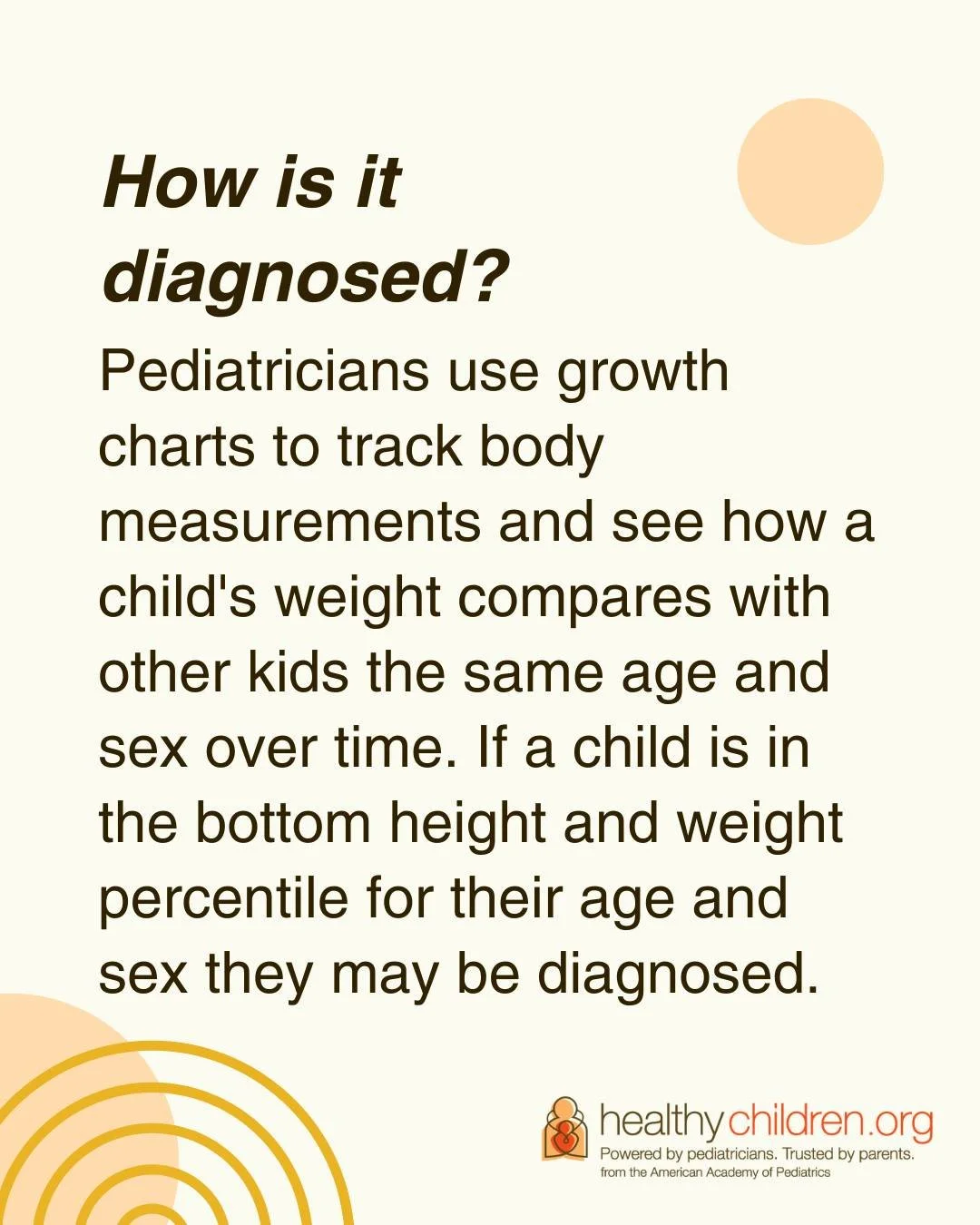
Pediatricians rely on growth charts to monitor your child’s development.
These charts compare your child’s:
• Weight
• Height
• Body Mass Index (BMI)
…to other children of the same age and sex.
If a child falls into a very low percentile or shows a noticeable drop from their previous growth pattern, it may signal faltering weight.
Tracking trends over time is key. A single low measurement doesn’t always indicate a problem—but a consistent pattern might.
What Causes Faltering Weight?
Faltering weight can happen for many different reasons, and identifying the cause is an important step in treatment.
Common causes may include:
• Not getting enough calories
• Feeding difficulties
• Medical conditions affecting digestion or absorption
• Increased calorie needs due to illness
• Behavioral or environmental factors
In many cases, the cause is something that can be addressed with the right plan and support.
How Is It Treated?
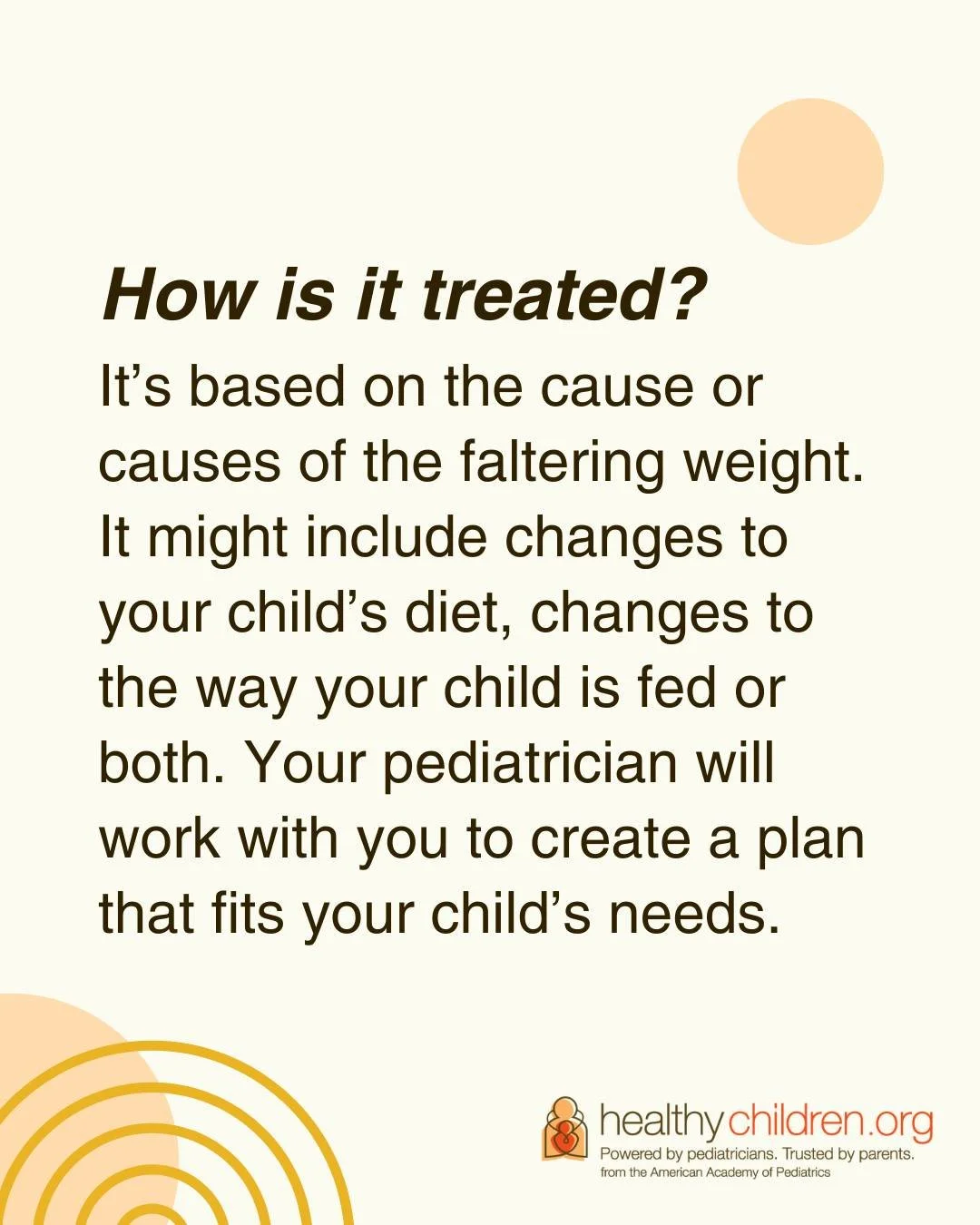
Treatment for faltering weight depends on the underlying cause.
Your pediatrician will work closely with you to develop a plan that may include:
• Adjustments to your child’s diet
• Changes in feeding routines or techniques
• Monitoring calorie intake
• Addressing any medical concerns
The goal is to create a plan that supports healthy, steady growth while fitting your child’s individual needs.
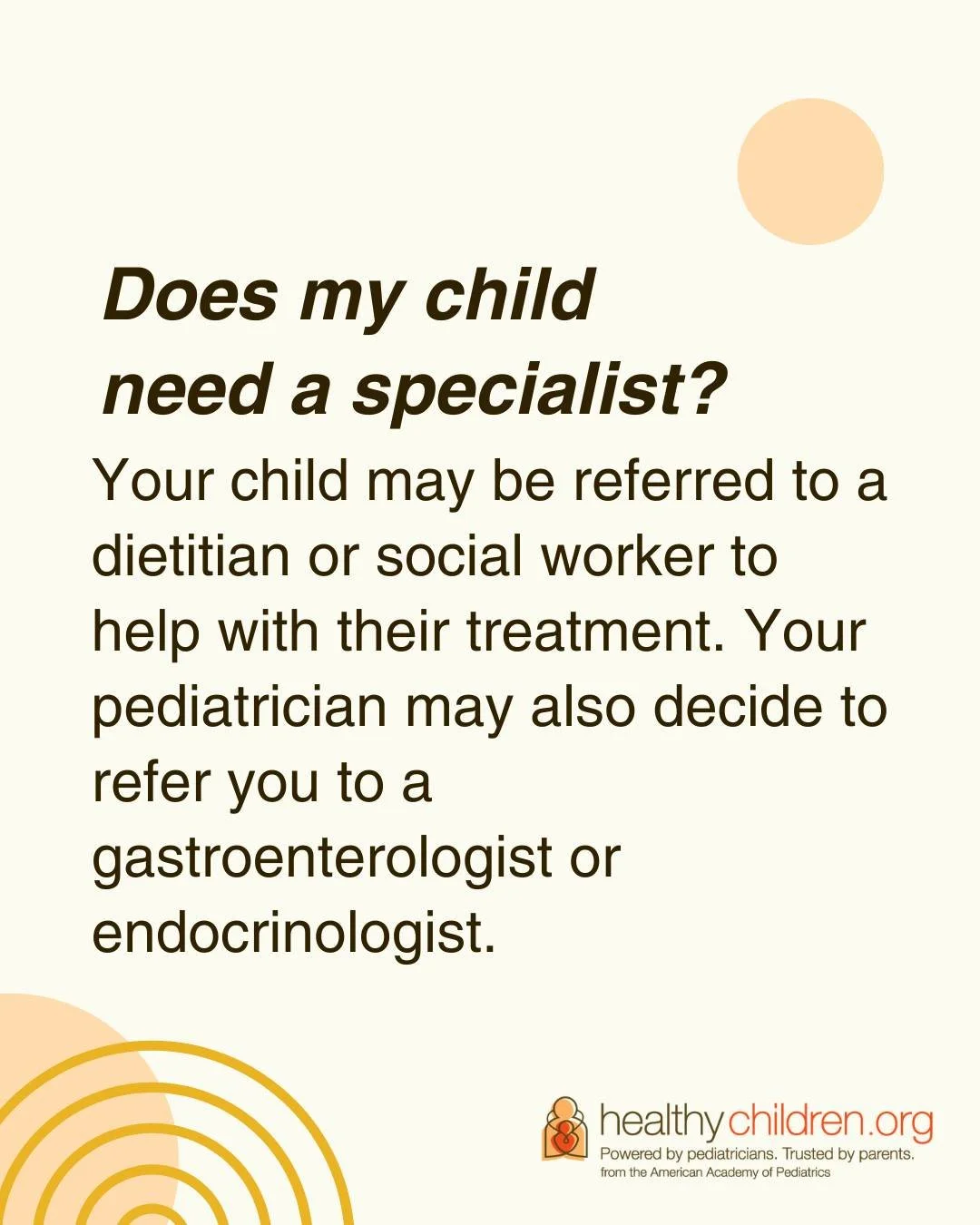
Does My Child Need a Specialist?
In some cases, your pediatrician may recommend additional support.
This could include referrals to:
• A dietitian to help with nutrition planning
• A social worker to support feeding routines or family needs
• A pediatric gastroenterologist (digestive specialist)
• An endocrinologist (hormone specialist)
These specialists can provide extra insight and help ensure your child receives the best possible care.
When Should Parents Be Concerned?
It’s natural for children to grow at different rates, but you should talk with your pediatrician if you notice:
• Your child is not gaining weight
• Clothes or diapers aren’t fitting as expected over time
• Feeding has become difficult or stressful
• Your child seems unusually tired or less active
Early evaluation can make a big difference and help address concerns before they become more serious.
Supporting Your Child’s Growth
The most important thing to remember is that faltering weight is not a failure—it’s a signal that your child may need additional support.
With early detection, proper nutrition, and guidance from your pediatric care team, most children can return to a healthy growth pattern.
You are not alone in this process—your pediatrician is your partner every step of the way.
Schedule an Appointment Today
If you have concerns about your child’s growth or have been told your child may have faltering weight, our team at The Children’s Clinic is here to help.
We’ll work with you to understand the cause and create a personalized plan to support your child’s health and development.
📞 Call (731) 664-0002 to schedule an appointment