Helping Protect Newborns During Those First Precious Weeks

Meeting a new baby is exciting. Friends, grandparents, siblings, and loved ones are often eager to visit, hold the baby, and celebrate with the family. But newborns are especially vulnerable during their first weeks of life, which means even small precautions can make a big difference.

At The Children’s Clinic in Jackson, TN, we encourage families to think of newborn visits as more than just social time. They are an opportunity to help protect a baby’s health while also supporting exhausted new parents during a major life transition.

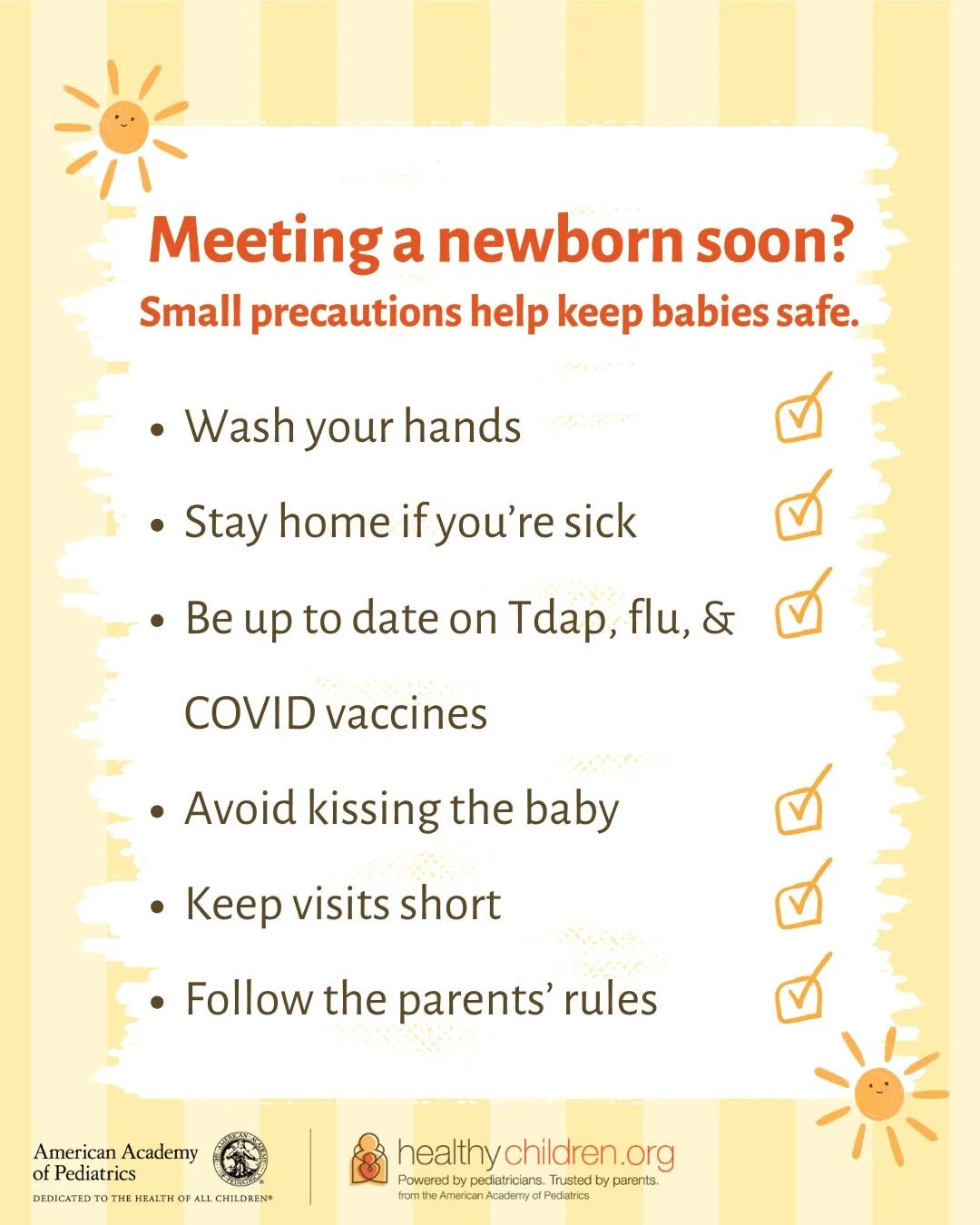
Simple habits like washing hands, staying home when sick, and respecting the parents’ wishes can help keep newborns safe, calm, and healthy.

Why Newborns Need Extra Protection

A newborn’s immune system is still developing.

During those first few months, babies are more vulnerable to viruses, bacteria, and infections that older children and adults may recover from more easily. Even illnesses that seem mild in adults can become serious for infants.

This is why pediatricians often encourage families and visitors to take precautions before meeting a newborn.

These precautions are not about being overly cautious or unfriendly. They are about helping reduce unnecessary risk during one of the most delicate stages of life.

Wash Your Hands Before Holding the Baby

One of the easiest and most effective ways to protect a newborn is proper hand washing.

Hands carry germs throughout the day from:
• phones
• door handles
• shopping carts
• public places
• workplaces
• schools

Before touching or holding a baby, visitors should wash their hands thoroughly with soap and water or use hand sanitizer if needed.

It may seem simple, but good hygiene is one of the best ways to help prevent illness.

Stay Home If You Feel Sick

Parents should never feel guilty asking sick visitors to postpone meeting the baby.

Even mild symptoms can expose newborns to illness.

Visitors should stay home if they have:
• fever
• cough
• congestion
• sore throat
• stomach symptoms
• recent exposure to illness

This includes “just allergies” if symptoms are unclear.

Most families would rather wait a few days for a healthy visit than risk a newborn becoming sick.

Vaccines Help Protect Babies Too

Vaccines are another important way adults can help protect newborns.

Because infants are still building immunity, pediatricians often recommend close family members and caregivers stay up to date on vaccines like:
• TDAP
• flu vaccine
• COVID vaccines when recommended

TDAP helps protect against whooping cough, which can be especially dangerous for young infants.

Vaccination helps create a safer environment around babies during those vulnerable early months.

Avoid Kissing the Baby

Many people naturally want to kiss newborns, especially on the face or hands.

However, avoiding kissing is an important precaution.

Viruses like RSV, cold viruses, flu, and even herpes simplex virus can spread through close contact and saliva.

Parents may choose to limit kissing entirely during the newborn stage, and visitors should always respect that decision.

Keep Visits Short and Calm

Newborn days can be exhausting for families.

Even happy visits can become overwhelming when parents are:
• recovering from delivery
• adjusting to feeding schedules
• sleeping very little
• managing emotions and stress

Shorter visits often work best during the early weeks.

Visitors can support families by:
• helping with meals
• offering encouragement
• respecting nap schedules
• keeping gatherings calm and low-stress

Sometimes the best support is simply giving parents space to rest.

Respect the Parents’ Rules

Every family has different comfort levels and boundaries.

Some parents may:
• ask visitors to wear masks
• limit holding the baby
• request vaccines beforehand
• avoid large gatherings
• restrict visits entirely for a while

These decisions are not personal.

Parents are doing their best to protect their child and create a healthy environment for recovery and bonding.

Respecting those boundaries helps families feel supported rather than pressured.

Supporting New Parents Matters Too

Protecting newborns also means supporting the emotional well-being of parents.

New parents are often overwhelmed, exhausted, and adjusting to major changes.

Visitors can help by:
• asking before visiting
• offering practical help
• avoiding criticism or pressure
• respecting routines
• keeping conversations supportive

A calm environment benefits both babies and parents.

When to Call the Pediatrician

Parents should contact their pediatrician if a newborn develops:
• fever
• difficulty feeding
• breathing problems
• unusual sleepiness
• vomiting
• signs of dehydration

Young infants can become sick quickly, so it is always okay to call with concerns.

The Bottom Line

Protecting a newborn starts with simple, thoughtful precautions.

Washing hands, staying home when sick, being up to date on vaccines, and respecting parents’ wishes all help create a safer environment for babies during those important first weeks.

At The Children’s Clinic, we are proud to support growing families throughout Jackson, TN and surrounding West Tennessee communities.

The Children’s Clinic
264 Coatsland Drive
Jackson, TN 38301
731-423-1500

Why Sleep Matters So Much for Kids and Teens

Parents everywhere know what happens when kids do not get enough sleep.

Mornings become harder. Emotions run bigger. School feels more difficult. Focus disappears. Everyone feels exhausted.

What many families do not realize is just how common sleep deprivation has become in children and teenagers.

Research shows that around 44% of children and nearly 77% of teens are not getting enough sleep for their age. At The Children’s Clinic in Jackson, TN, we regularly talk with parents about sleep because healthy sleep habits play a major role in physical health, emotional regulation, behavior, learning, and mental wellness.

Sleep is not simply “downtime” for the body. It is essential for healthy development.

Why Sleep Is So Important for Children

When children sleep, their brains and bodies are still hard at work.

Sleep supports:
• brain development
• memory and learning
• emotional regulation
• growth and physical recovery
• immune system function
• attention and concentration

Children who consistently get enough sleep are often better able to:
• focus in school
• manage stress
• control emotions
• follow routines
• interact positively with others

On the other hand, sleep deprivation can affect nearly every part of daily life.

Signs Your Child May Not Be Getting Enough Sleep

Sometimes tired children do not actually look sleepy.

Instead, lack of sleep may show up as:
• irritability
• mood swings
• hyperactivity
• difficulty focusing
• poor school performance
• anxiety
• trouble waking up in the morning
• frequent meltdowns
• daytime sleepiness

Teenagers especially may struggle with chronic exhaustion while balancing school, activities, homework, sports, jobs, and screen time.

Why Teens Often Struggle With Sleep

Teen sleep schedules naturally shift later as they grow older.

Many teens:
• stay up too late
• wake up early for school
• spend time on phones or devices late at night
• juggle busy schedules and stress

Unfortunately, this combination often leaves teens chronically sleep deprived.

Lack of sleep in teenagers has been linked to:
• anxiety
• depression
• difficulty concentrating
• lower academic performance
• increased stress

Healthy sleep is one of the most important foundations for both physical and mental health.

The Importance of Consistent Bedtimes

One of the simplest ways parents can improve sleep habits is by creating a consistent sleep schedule.

Research shows children with regular bedtimes are far less likely to feel tired during the day.

Going to bed and waking up at roughly the same time each day helps regulate the body’s internal clock.

This consistency helps children:
• fall asleep more easily
• sleep more deeply
• wake up feeling more rested

Even on weekends, staying close to a normal sleep schedule can help.

Creating a Healthy Sleep Environment

The sleep environment matters more than many parents realize.

Children tend to sleep better in rooms that are:
• cool
• dark
• quiet
• comfortable
• screen-free

Bright lights and electronics can interfere with the brain’s natural sleep signals.

Simple changes may help significantly:
• blackout curtains
• white noise machines
• limiting TV in bedrooms
• reducing nighttime screen exposure

Even small improvements can create healthier sleep routines.

Why Screens Before Bed Are a Problem

Phones, tablets, televisions, and gaming systems can all interfere with sleep.

Screens stimulate the brain and expose children to blue light, which can suppress melatonin production and make it harder to fall asleep.

Many parents notice children settle more easily when screens are avoided before bedtime.

Experts often recommend stopping screen use at least 1 to 2 hours before bed when possible.

Food and Drinks Can Affect Sleep Too

Certain foods and drinks may make sleep harder.

Parents should try limiting:
• caffeine
• energy drinks
• sodas
• spicy foods late at night
• large heavy meals before bed

These can interfere with comfort and sleep quality.

Instead, calming bedtime routines often help children relax naturally.

Bedtime Routines Help Kids Feel Secure

Bedtime routines are not only helpful for infants and toddlers.

Older children benefit too.

Consistent routines may include:
• bathing
• reading
• quiet conversation
• dim lighting
• calming music

Predictable routines help signal to the brain that it is time to wind down.

Sleep Affects Mental Health

One of the most important reasons healthy sleep matters is emotional wellness.

Children who do not get enough sleep may have a harder time:
• regulating emotions
• coping with stress
• managing anxiety
• handling frustration

Good sleep supports resilience and emotional stability.

For many families across Jackson, TN and West Tennessee, improving sleep habits can positively affect the entire household.

When Should Parents Talk to the Pediatrician?

Parents should discuss sleep concerns with their pediatrician if their child:
• snores heavily
• struggles to fall asleep regularly
• seems exhausted during the day
• experiences behavioral changes
• has persistent sleep difficulties
• frequently wakes during the night

Sometimes underlying medical or emotional concerns may contribute to sleep issues.

The Bottom Line

Healthy sleep is one of the most important parts of a child’s physical and emotional development.

Getting enough sleep helps children:
• focus better
• improve school performance
• regulate emotions
• support mental health
• maintain healthy growth

Simple habits like consistent bedtimes, screen-free sleep spaces, and calming nighttime routines can make a big difference.

At The Children’s Clinic, we are proud to support healthy routines for families throughout Jackson, TN and surrounding West Tennessee communities.

The Children’s Clinic
264 Coatsland Drive
Jackson, TN 38301
731-423-1500

What Parents in Jackson, TN Should Know About Rotavirus

Few things are harder on parents than watching their child battle a stomach virus.

Vomiting, diarrhea, fever, exhaustion, and dehydration can make even a mild illness feel overwhelming, especially in babies and young children. One of the most common causes of severe stomach illness in infants and young children is rotavirus.

Before vaccines became widely available, rotavirus caused hundreds of thousands of doctor visits, emergency room visits, and hospitalizations every year in the United States. While many children recover fully, rotavirus can still become serious, especially when dehydration develops.

At The Children’s Clinic in Jackson, TN, we want parents throughout West Tennessee to understand the symptoms of rotavirus, when to seek medical care, and how vaccination helps protect children.

What Is Rotavirus?

Rotavirus is a highly contagious virus that infects the intestines.

It spreads very easily among infants and young children and is one of the leading causes of severe diarrhea in young children worldwide.

The virus often spreads through:
• contaminated hands
• toys and surfaces
• diaper changes
• close contact with infected children

Because it spreads so easily, outbreaks commonly occur in:
• daycare settings
• schools
• nurseries
• homes with multiple children

Even careful parents can struggle to completely prevent exposure.

Common Symptoms of Rotavirus

Symptoms usually begin about 1 to 2 days after exposure to the virus.

Many children develop:
• watery diarrhea
• vomiting
• fever
• stomach pain or cramping
• decreased appetite
• fatigue

Symptoms often last between 3 and 7 days.

While many children recover at home with supportive care, some become very sick from dehydration.

Why Dehydration Is the Biggest Concern

The greatest danger with rotavirus is dehydration.

When children lose large amounts of fluids through diarrhea and vomiting, their bodies can quickly become dehydrated, especially infants and toddlers.

Signs of dehydration may include:
• dry mouth
• crying without tears
• fewer wet diapers
• sunken eyes
• extreme sleepiness
• dizziness
• irritability
• fast breathing

Young children can become dehydrated faster than many parents realize.

When Rotavirus Becomes Serious

Most cases improve with time and fluids, but some children require hospital care.

Severe dehydration may require:
• IV fluids
• close monitoring
• emergency treatment

This is why pediatricians take gastrointestinal illnesses seriously in young children.

Children who are very young, medically fragile, or unable to keep fluids down may face higher risks of complications.

Rotavirus Can Spread Easily at Home

One difficult part about rotavirus is how contagious it is.

Even tiny amounts of infected stool can spread the virus.

This means it can spread quickly through:
• diaper changes
• bathroom surfaces
• toys
• hands
• shared household items

Parents often notice entire households becoming sick within days.

Good hygiene and cleaning routines can help reduce spread, but they may not completely prevent infection once exposure occurs.

How Parents Can Help Sick Children at Home

Most children with rotavirus recover with supportive care.

Helpful steps often include:
• encouraging small amounts of fluids frequently
• allowing extra rest
• continuing regular feeding when tolerated
• monitoring for dehydration signs

Children may tolerate:
• breast milk
• formula
• oral rehydration solutions
• bland foods

Parents should avoid forcing large amounts of food if the child feels nauseated.

When Should You Call the Pediatrician?

Parents should contact their pediatrician if a child:
• cannot keep fluids down
• shows dehydration symptoms
• becomes very lethargic
• has blood in stool
• develops severe abdominal pain
• has high fever
• has symptoms worsening instead of improving

Infants and toddlers can decline quickly with dehydration, so early evaluation matters.

How the Rotavirus Vaccine Helps

The rotavirus vaccine has dramatically reduced severe illness, hospitalizations, and complications from rotavirus infections.

The vaccine:
• is given orally
• helps prevent severe infection
• reduces hospitalization risk
• lowers the severity of symptoms if infection occurs

Children who are vaccinated are much less likely to develop severe complications.

Many parents are surprised to learn the vaccine is not a shot. It is given by mouth during infancy as part of the routine childhood vaccine schedule.

Why Vaccination Matters

Before the vaccine became available, rotavirus caused:
• widespread daycare outbreaks
• frequent ER visits
• hospital admissions for dehydration
• serious illness in infants and toddlers

Today, vaccination continues helping protect children and reducing severe disease throughout communities like Jackson, TN and surrounding West Tennessee areas.

The Bottom Line

Rotavirus is common, highly contagious, and can make children feel extremely sick.

While many cases improve within several days, severe dehydration can become dangerous, especially in young children.

Parents should watch carefully for:
• vomiting
• diarrhea
• fever
• reduced fluid intake
• dehydration signs

The rotavirus vaccine helps protect children from severe infection and has greatly reduced serious complications from this illness.

If you have questions about rotavirus symptoms, dehydration, or the rotavirus vaccine, The Children’s Clinic is here to help families throughout Jackson, TN and surrounding communities.

The Children’s Clinic
264 Coatsland Drive
Jackson, TN 38301
731-423-1500

Why Recess Matters More Than Many Parents Realize

For many children, recess is the favorite part of the school day.

To kids, it feels like a break from class, a chance to run around with friends, laugh, move, and burn off energy. But research continues to show that recess is much more than just free time.

Recess plays an important role in helping children learn, focus, manage stress, and stay healthy.

The American Academy of Pediatrics recommends daily recess because it supports children socially, emotionally, physically, and academically. At The Children’s Clinic in Jackson, TN, we know healthy children learn better when they have opportunities to move, play, and reset throughout the day.

Recess Helps Children Learn Better

Many parents are surprised to learn that recess can actually improve academic performance.

Children are not designed to sit still and focus for long stretches without breaks. Younger children especially need movement to help their brains stay engaged.

Research shows that recess helps children:
• process new information
• improve attention spans
• retain lessons better
• return to class more focused
• reduce mental fatigue

After spending time moving and playing, many students are better able to concentrate once they return to the classroom.

In many ways, recess helps “reset” the brain.

Physical Activity Supports Overall Health

Children today spend a large amount of time indoors, sitting, or using screens.

Recess provides valuable opportunities for physical movement during the school day.

Running, climbing, jumping, and active play help:
• strengthen muscles and bones
• improve coordination
• support heart health
• encourage healthy growth
• reduce sedentary time

Even short periods of movement throughout the day can positively impact a child’s physical health.

For families across Jackson, TN and West Tennessee, encouraging active play both at school and at home remains an important part of healthy childhood development.

Recess Helps Kids Manage Stress

Children experience stress too.

School pressure, social challenges, busy schedules, and emotional struggles can all affect a child’s mental well-being.

Recess gives children a chance to:
• decompress
• recharge emotionally
• release energy
• enjoy unstructured play
• take a mental break

This downtime can improve mood and reduce feelings of frustration or anxiety.

Many parents notice their children behave better and feel calmer when they have regular opportunities for movement and outdoor play.

Social Skills Are Built During Recess

Recess is also where many important life skills develop.

During free play, children learn how to:
• cooperate
• solve conflicts
• share
• communicate
• build friendships
• practice teamwork

These interactions help children develop confidence and emotional intelligence.

Not every important lesson happens inside a classroom.

Unstructured Play Is Important

Structured activities and organized sports are valuable, but unstructured play matters too.

Recess allows children to:
• use imagination
• create games
• make decisions independently
• explore creativity

This type of play supports healthy brain development and encourages problem-solving skills.

Sometimes the best learning happens when children are simply allowed to be kids.

Recess Can Improve Classroom Behavior

Teachers often notice improved classroom behavior after recess.

Children who get regular breaks for movement may be:
• less restless
• more attentive
• less disruptive
• more engaged in learning

Without opportunities to move and reset, children may struggle to maintain focus throughout the school day.

Outdoor Time Has Added Benefits

When possible, outdoor recess offers even more advantages.

Fresh air and sunlight may help:
• improve mood
• support sleep patterns
• encourage physical activity
• reduce stress

Spending time outdoors also gives children a break from screens and indoor stimulation.

Recess Is Important at Every Age

Sometimes older students receive less recess or movement time because of academic demands.

But children of all ages benefit from breaks throughout the school day.

Even preteens and teenagers need opportunities to:
• move
• socialize
• reset mentally
• reduce stress

The need for physical activity and emotional balance does not disappear as children grow older.

What Parents Can Do at Home

Parents can continue supporting healthy movement and play outside of school by:
• encouraging outdoor play
• limiting excessive screen time
• planning family walks or activities
• allowing time for free play
• prioritizing physical activity daily

Children do not need expensive equipment or complicated activities to benefit from movement.

Sometimes simple play is enough.

The Bottom Line

Recess is not a luxury.

It is an important part of how children learn, grow, socialize, and stay healthy.

Daily recess helps children:
• focus better
• manage stress
• stay active
• improve social skills
• support emotional health

At The Children’s Clinic, we encourage families throughout Jackson, TN and surrounding communities to prioritize movement, outdoor play, and healthy routines that help children thrive both inside and outside the classroom.

The Children’s Clinic
264 Coatsland Drive
Jackson, TN 38301
731-423-1500

Is It a Cold or Allergies? How Parents in Jackson, TN Can Tell the Difference

One of the most common questions parents ask is:

“Does my child have a cold, or is it allergies?”

The tricky part is that the symptoms can look very similar at first. Runny noses, coughing, sneezing, congestion, and watery eyes can happen with both. Especially during seasonal changes in Jackson, TN and throughout West Tennessee, it can be difficult to know what is actually causing your child to feel miserable.

The good news is that there are a few key differences parents can watch for that can help narrow it down.

At The Children’s Clinic, we help families every year sort through cold symptoms, seasonal allergies, sinus issues, and other respiratory illnesses. Knowing the difference can help you better care for your child and know when it may be time to call the pediatrician.

What Causes a Cold?

A cold is caused by a virus.

Children can catch colds from school, daycare, sports, church, playgrounds, or simply being around someone who is sick. Kids tend to get more colds than adults because their immune systems are still developing.

Most colds usually:
• last a few days to about a week
• start suddenly
• may include fever or body aches
• often cause thicker mucus
• can come with a wet or productive cough

Colds are extremely common, especially during the school year and colder months in areas like Jackson, Medina, Humboldt, and surrounding West Tennessee communities.

What Causes Allergies?

Allergies are different because they are not caused by a virus.

Instead, allergies happen when the immune system overreacts to things like:
• pollen
• grass
• mold
• dust
• pet dander

In Tennessee, allergy symptoms can become especially frustrating during spring and fall when pollen counts rise.

Unlike a cold, allergies are not contagious.

Allergy symptoms often:
• last for weeks
• come and go depending on exposure
• include lots of sneezing
• cause itchy or watery eyes
• create thin, clear mucus
• cause a dry cough or throat irritation

Many parents notice their child seems worse after playing outside or waking up in the morning.

One of the Biggest Clues: How Long Symptoms Last

Duration is often one of the easiest ways to tell the difference.

A cold usually improves within several days.

Allergies tend to linger.

If your child has been sneezing and congested for weeks without fever or major fatigue, allergies may be more likely.

Parents across Jackson, TN often notice symptoms continue throughout entire allergy seasons, especially during high pollen periods.

Mucus Can Sometimes Offer Clues

While mucus color alone does not tell the full story, it can sometimes help provide hints.

Colds commonly cause:
• thicker mucus
• cloudy or light-yellow drainage
• more congestion

Allergies more often cause:
• thin mucus
• watery drainage
• constant dripping or sneezing

Again, no single symptom tells the whole story, but patterns matter.

Cough Differences Matter Too

Children with colds often develop a wet cough because mucus drains into the throat and chest.

Allergies typically cause:
• dry coughing
• throat clearing
• irritation from postnasal drip

Parents sometimes say their child sounds fine during the day but coughs more at night after lying down.

Fever Usually Points More Toward a Cold

One important difference is fever.

Allergies do not typically cause fever.

If your child has:
• fever
• chills
• body aches
• fatigue
• decreased appetite

a cold or another viral illness may be more likely.

What About Itchy Eyes?

Itchy, watery eyes are one of the biggest signs allergies may be involved.

Children with allergies often:
• rub their eyes constantly
• have watery eyes outdoors
• develop dark circles under the eyes
• sneeze repeatedly

Colds may cause watery eyes sometimes, but intense itching is more commonly linked to allergies.

Why Kids in West Tennessee Struggle With Seasonal Allergies

Parents throughout Jackson and surrounding areas know how rough allergy season can be.

West Tennessee often sees:
• heavy pollen
• changing temperatures
• high humidity
• mold growth after rain

All of these can trigger allergy symptoms in children.

Kids who spend time outdoors for sports, recess, or activities may experience even more exposure during peak allergy seasons.

How Parents Can Help at Home

Whether your child has a cold or allergies, there are a few things that may help them feel more comfortable.

For colds:
• encourage rest
• offer fluids
• use a cool mist humidifier
• help them blow their nose frequently

For allergies:
• keep windows closed during high pollen days
• wash hands and faces after outdoor play
• change clothes after being outside
• bathe before bedtime to remove pollen

Simple steps can sometimes make a noticeable difference.

When Should You Call the Pediatrician?

Sometimes symptoms overlap enough that it becomes hard to tell what is going on.

You should contact your pediatrician if your child:
• has trouble breathing
• develops high fever
• has symptoms lasting longer than expected
• is not eating or drinking well
• has worsening cough
• seems unusually tired
• experiences recurring allergy symptoms that interfere with sleep or school

Persistent symptoms deserve evaluation, especially if they continue to return season after season.

The Bottom Line

Colds and allergies can look very similar, especially at the beginning.

But paying attention to:
• how long symptoms last
• the type of mucus
• whether fever is present
• itchy eyes and sneezing
• wet versus dry coughs

can help parents better understand what may be affecting their child.

If you are unsure whether your child is dealing with a cold, allergies, or something else, The Children’s Clinic is here to help families across Jackson, TN and surrounding communities feel confident about their child’s health.

The Children’s Clinic
264 Coatsland Drive
Jackson, TN 38301
731-423-1500