
Asthma in Children: Early Signs Parents Shouldn’t Ignore
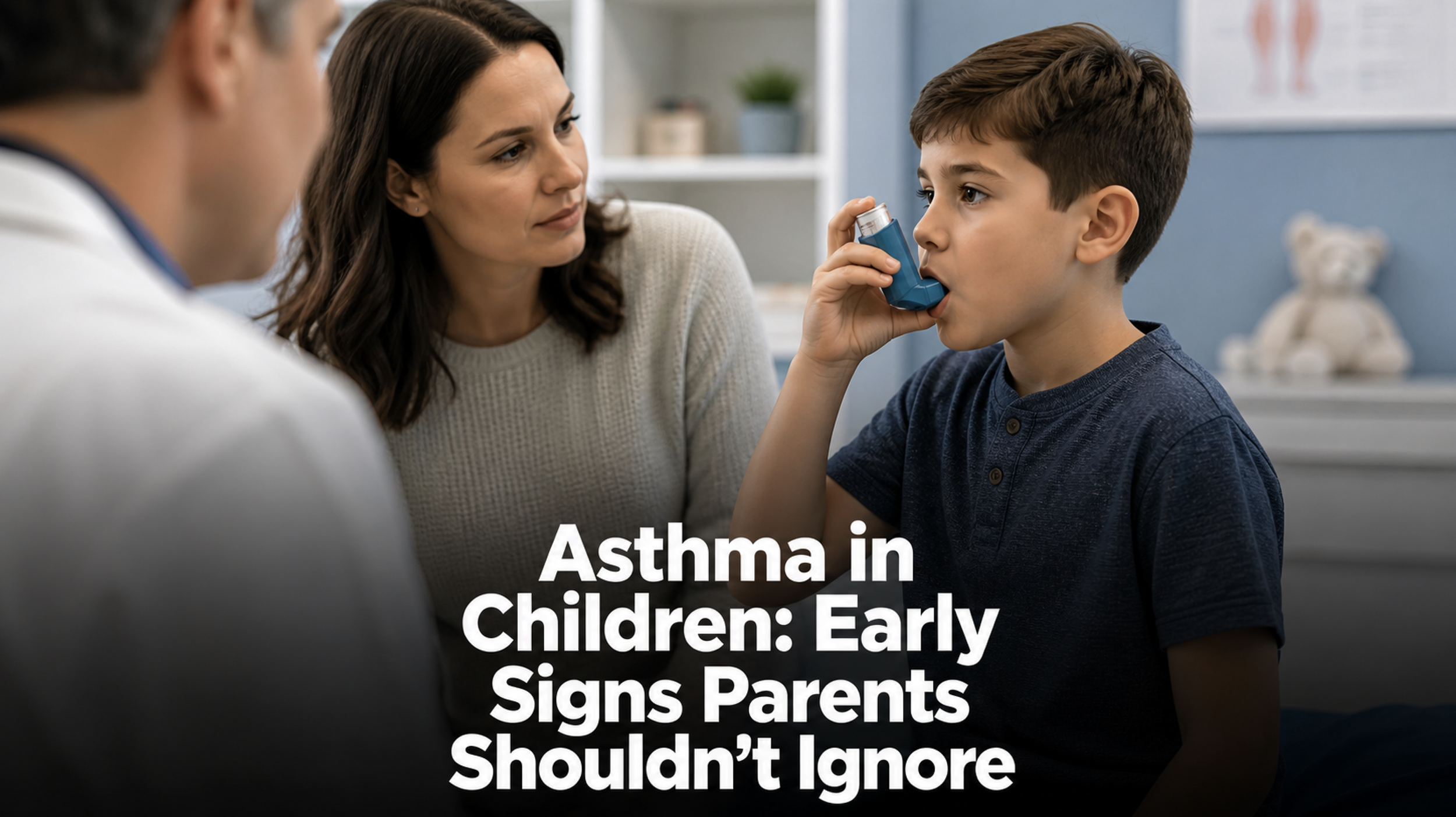
It’s easy to wonder if a child’s cough is “just a cold,” allergies, or something that will pass on its own. But when breathing symptoms keep coming back, or seem to show up at night, with exercise, or during seasonal changes, many parents start asking the same question: could this be asthma?
Asthma symptoms in children can look different from child to child, and they don’t always show up as a dramatic wheezing episode. Sometimes the clues are much quieter: a cough that won’t go away, trouble keeping up in sports, or a child who wakes up coughing several nights in a row. Knowing what to watch for can help you decide when something can be monitored at home and when it’s time to call your pediatrician.
What asthma can look like in children
Asthma is a condition that affects the airways in the lungs. In children, those airways can become swollen and sensitive, which makes breathing harder during flare-ups. Some children only have symptoms now and then. Others have more frequent problems, especially with colds, allergies, smoke, exercise, or changes in weather.
The tricky part is that asthma does not always look the same way in every child. A younger child may not be able to explain that their chest feels tight or that it is hard to breathe. Instead, you may notice the signs around them.
Common asthma symptoms in children
Frequent coughing, especially at night or early in the morning
Wheezing, which is a whistling sound when breathing out
Shortness of breath
Fast or labored breathing
Chest tightness or chest discomfort
Coughing or breathing trouble with exercise or play
Symptoms that seem worse during colds or allergy season
Waking up coughing or short of breath
Some children with asthma mainly cough. Others wheeze more than they cough. A child may seem fine most days, then struggle when they catch a cold or spend time around a trigger.
Early signs parents shouldn’t brush off
Many parents first notice something small and easy to explain away. Maybe your child has been coughing after recess at school, or maybe they’re more winded than usual during soccer practice in Jackson or around West Tennessee’s humid summer weather. One isolated symptom doesn’t automatically mean asthma, but repeated patterns are worth paying attention to.
Early signs that should get your attention include:
A cough that keeps coming back
Coughing that seems worse at night
Breathing sounds that are noisy or whistling
Getting tired or out of breath faster than expected
Needing to stop playing to catch their breath
Breathing trouble after running, laughing hard, or crying
Frequent “chest colds” that seem to linger
For some children, symptoms show up after repeated colds from daycare or school. For others, spring pollen, fall allergies, dust, pet dander, or smoke may be part of the pattern. In Madison County and nearby communities, seasonal allergies can overlap with breathing symptoms and make it harder for parents to tell what’s going on.
What can cause asthma symptoms to show up?
Asthma symptoms in children often flare when the airways get irritated. Common triggers can include:
Colds and other viral infections
Seasonal allergies
Dust
Pollen
Pet dander
Smoke from cigarettes, vaping, fireplaces, or outdoor burning
Strong odors or air fresheners
Exercise or heavy activity
Cold air
Weather changes
Sometimes parents assume a child “just has a sensitive stomach” or “gets winded easily,” but recurring breathing symptoms are worth a closer look. A child who constantly coughs after a run, or who has a harder time breathing every time they get a cold, may need a pediatric evaluation even if they seem okay between episodes.
What parents can watch for at home
If your child is having mild symptoms, it helps to notice patterns. You do not need to diagnose anything yourself. Just pay attention to what seems to set the symptoms off, how often they happen, and how your child is acting during them.
Helpful things to track include:
How often the cough happens
Whether symptoms are worse at night, early morning, or during exercise
Whether your child has had recent colds or allergy symptoms
Any wheezing or noisy breathing you hear
Whether your child is eating, sleeping, and playing normally
Whether they need to stop activity to catch their breath
At home, you can also try to reduce common irritants. Keep your child away from smoke. If allergies seem to play a role, try to limit exposure to the triggers you already know about. Make sure your child gets rest and fluids when they’re sick. But if breathing symptoms keep returning, home care alone may not be enough.
When to call the pediatrician
If you are seeing repeated asthma symptoms in children, it’s a good idea to contact your pediatrician. You do not have to wait until symptoms become severe.
Call your pediatrician if your child:
Has a cough that lasts more than a couple of weeks or keeps coming back
Wakes up coughing at night more than once
Gets short of breath with normal play or exercise
Has wheezing or noisy breathing
Seems to have breathing symptoms every time they get sick
Has symptoms that are getting more frequent or more noticeable
Has a history of allergies, eczema, or family asthma and now has breathing concerns
It’s also reasonable to call if you’re unsure whether the problem is asthma, allergies, a lingering cold, or something else. That uncertainty is exactly why pediatric visits matter. We can help sort out what the symptoms may mean and what the next step should be.
When breathing symptoms need urgent attention
Some symptoms should not wait for a regular office visit. If your child is having trouble breathing, trust what you see.
Get immediate medical care or call 911 if your child:
Is struggling to breathe
Has blue or gray lips or face
Cannot speak in full sentences because of breathlessness
Has severe wheezing or chest pulling in with each breath
Looks very sleepy, confused, or hard to wake
Has breathing that is getting worse quickly
If your child seems to be working hard to breathe, do not wait it out at home.
How asthma is checked in children
A pediatrician will usually start by asking about the symptoms, when they happen, and what seems to trigger them. The visit may also include a physical exam and a look at your child’s breathing pattern. For older children, lung function testing may sometimes be part of the evaluation. Younger children are often assessed based on symptoms and history since they may not be able to do breathing tests reliably.
The goal is not to label every cough as asthma. It’s to understand the pattern and figure out whether the symptoms fit asthma or another common childhood issue.
What parents can do before the visit
If you’re planning to talk with your child’s pediatrician, a little observation can help. Write down:
When symptoms started
How often they happen
Whether they happen more at night, with exercise, or during colds
Any wheezing, coughing, or shortness of breath you notice
What seems to make symptoms better or worse
Whether your child has allergies, eczema, or a family history of asthma
In a place like Jackson, where school, sports, and seasonal changes can all affect how kids feel, those details can help your pediatrician see the bigger picture faster.
Frequently asked parent questions
Can asthma start with just a cough?
Yes. Some children with asthma mainly cough, especially at night or after running around. A cough alone does not mean asthma, but a cough that keeps returning or follows a clear pattern is worth mentioning to your pediatrician.
Is wheezing always asthma?
No. Wheezing can happen with asthma, but it can also show up with other respiratory illnesses. That is one reason recurring symptoms should be checked rather than guessed at.
Can a child have asthma and still seem fine most of the time?
Yes. Many children feel normal between flare-ups. That can make asthma easy to miss early on, especially if symptoms only show up with colds, exercise, or allergy seasons.
Should I keep my child home from school or daycare?
If your child is having trouble breathing, is too sick to participate normally, or seems worse than a simple cold, stay home and contact your pediatrician. If the issue seems mild but keeps recurring, that’s another reason to check in. Parents in Madison County often face this question during back-to-school season, especially when coughs and allergies start overlapping.
Bottom Line
Asthma symptoms in children can be easy to overlook at first, especially when they look like a lingering cough, a little extra windedness, or a rough night of sleep. The main thing to watch for is a pattern. If your child keeps coughing, wheezing, or struggling with breathing during colds, exercise, or allergy seasons, it’s time to talk with your pediatrician.
You do not have to figure it out on your own. If you’re unsure whether your child’s symptoms are asthma, allergies, or something else, reaching out for guidance is a smart next step.
The Children’s Clinic
264 Coatsland Drive
Jackson, TN 38301
731-423-1500
Serving children and families in Jackson, Madison County, and communities throughout West Tennessee.
