
Kids and Colds in the Age of COVID-19
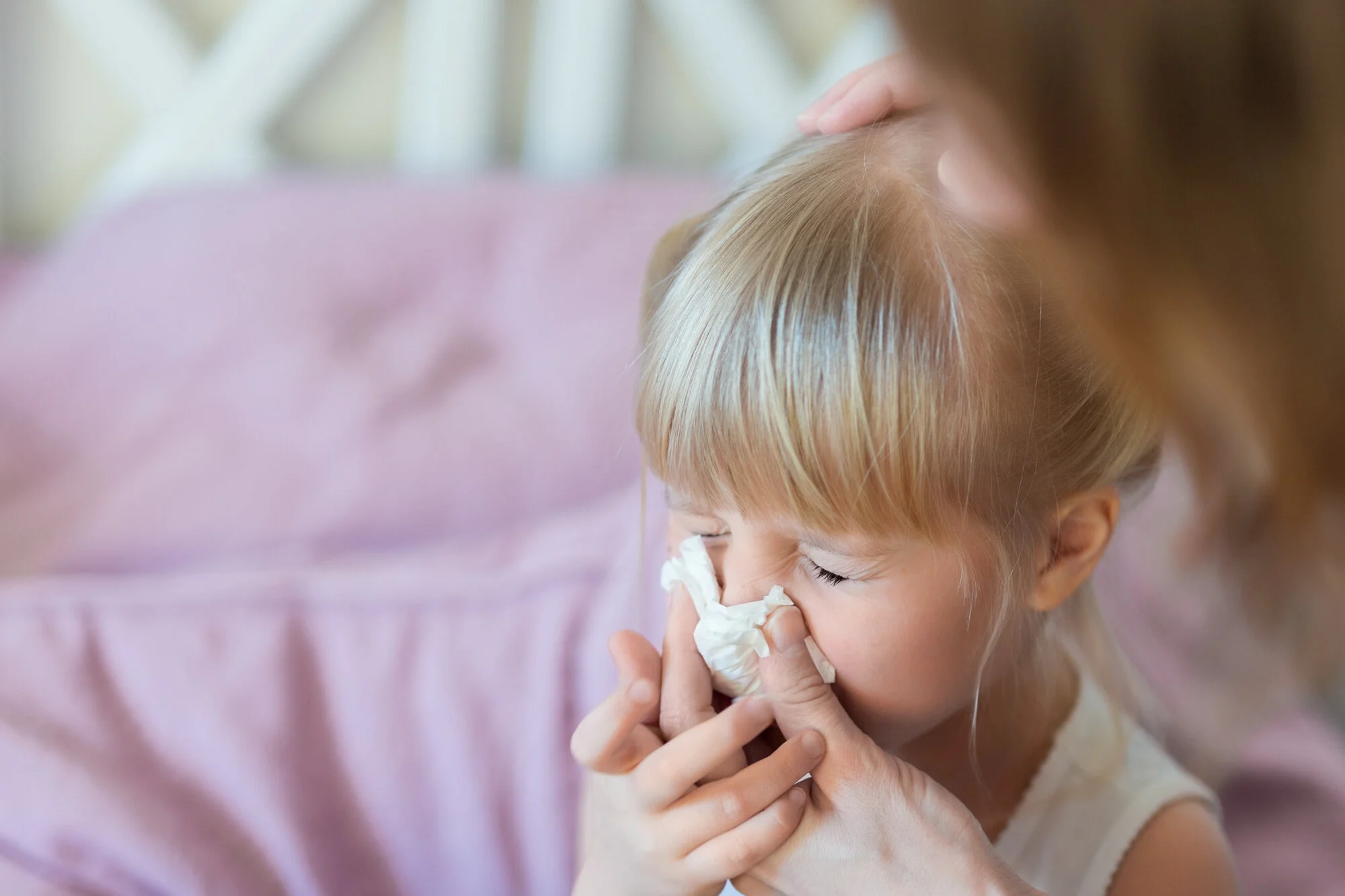
source credit: Deposit Photos
In ordinary times, kids with colds are a dime a dozen and rarely cause for concern. However, with COVID-19 still spreading, those tiny runny noses have parents and pediatricians on high alert.
“We’re seeing an increase in colds right now,” says Dr. Eric Reed, a board-certified pediatrician with Sharp Rees-Stealy. “And soon, we will add flu cases to that list. Considering the crossover in symptoms among colds, flu and COVID-19, parents are confused and worried. And as medical professionals, we’re being extra vigilant in our screenings.”
What to do if a child is sick
In general, kids who contract COVID-19 have few and mostly mild symptoms, which can include cough, runny nose, nasal congestion, sore throat, swollen glands, fatigue, lack of appetite and fever. Pre-pandemic, the solution was rest, fluids and time. But these days, pediatricians are stressing the importance of ruling out COVID-19.
For starters, COVID-19 can pose higher health risks to both kids and anyone they may infect. Secondly, co-infection (being infected with both COVID-19 and the flu) has been shown to have severe outcomes, adding to medical professionals’ pleas for community members to get their flu vaccine.
For a child with any cold or flu symptoms, Dr. Reed suggests isolating the child immediately and reaching out to their doctor for next steps. If COVID-19 is a consideration, they will likely recommend either:
Scheduling the child for a COVID-19 test
Keeping the child isolated and under observation for 10 days
“There are a few considerations we make when deciding the best course of action,” Dr. Reed says. “What are the symptoms? Has the child been exposed to COVID-19? Is testing in demand and scarce, or readily available? Whatever the choice, what we do know is that ruling out COVID-19 is our first priority.”
When the COVID-19 test is negative
A negative COVID test is cause for relief, but Dr. Reed warns parents not to let their guard down. Depending on the number of factors, including when during infection the test was taken, the test could bring back a false negative result. For this reason, Dr. Reed, along with the Centers for Disease Control and Prevention (CDC), recommends continued isolation until the child has been symptom-free for 72 hours.
A true negative diagnosis rules out COVID-19, but symptoms still indicate an illness. To treat a cold or flu, Dr. Reed recommends:
A cool mist humidifier
A nasal aspirator or saline nose drops
For kids 6 months or older: acetaminophen or ibuprofen to treat aches, pains or fever
For kids 1 year or older: a spoonful of honey in warm water, with a splash of lemon
Plenty of rest and fluids
When the COVID-19 test is positive
A positive COVID test can be concerning, but Dr. Reed believes it’s not cause for panic.
“Data shows us that most kids recover quickly and easily from COVID-19,” he says. “Yes, we need to watch out for development of severe respiratory symptoms that would warrant hospital care, or multisystem inflammatory syndrome, a condition brought on by COVID that could impact kids, but this is very rare. For the most part, we need to keep these kids comfortable and make sure they don’t spread the virus to older, more at-risk friends, family members, day care providers and teachers.”
The treatment plan for a child with COVID-19 is similar to treating the flu. But parents should seek emergency care if their child has any of the following:
Rapid or labored breathing, or a sensation of shortness of breath
Fatigue
Dehydration
Fever lasting more than five days
Altered mental status
Unexplained bruising or bleeding
When to send kids back to school or other activities
Kids, in general, tend to bounce back from illness better than adults do. But in the age of COVID-19, where those infected can be asymptomatic and testing can bring false negatives, parents need to be extra careful when sending their child back to a school or community environment.
“It’s very important that children are symptom-free for 72 hours before they go anywhere,” Dr. Reed says. “We have been getting reports that some school systems are incorrectly accepting students with just a note from their doctor. To help keep COVID contained, we should all be on the same page.”
“We’re seeing the bulk of COVID spread within households,” he says. “Schools and daycares have had outbreaks here and there, but really it’s community contact that has caused the most cases. Flu season is coming, and so are big holidays that traditionally bring many people together. Let’s keep cases down by following the precautions set in place to keep us safe.”
source credit: https://bit.ly/3jwK9sL