
Cold Weather Asthma Triggers Parents in Humboldt, TN Should Watch For
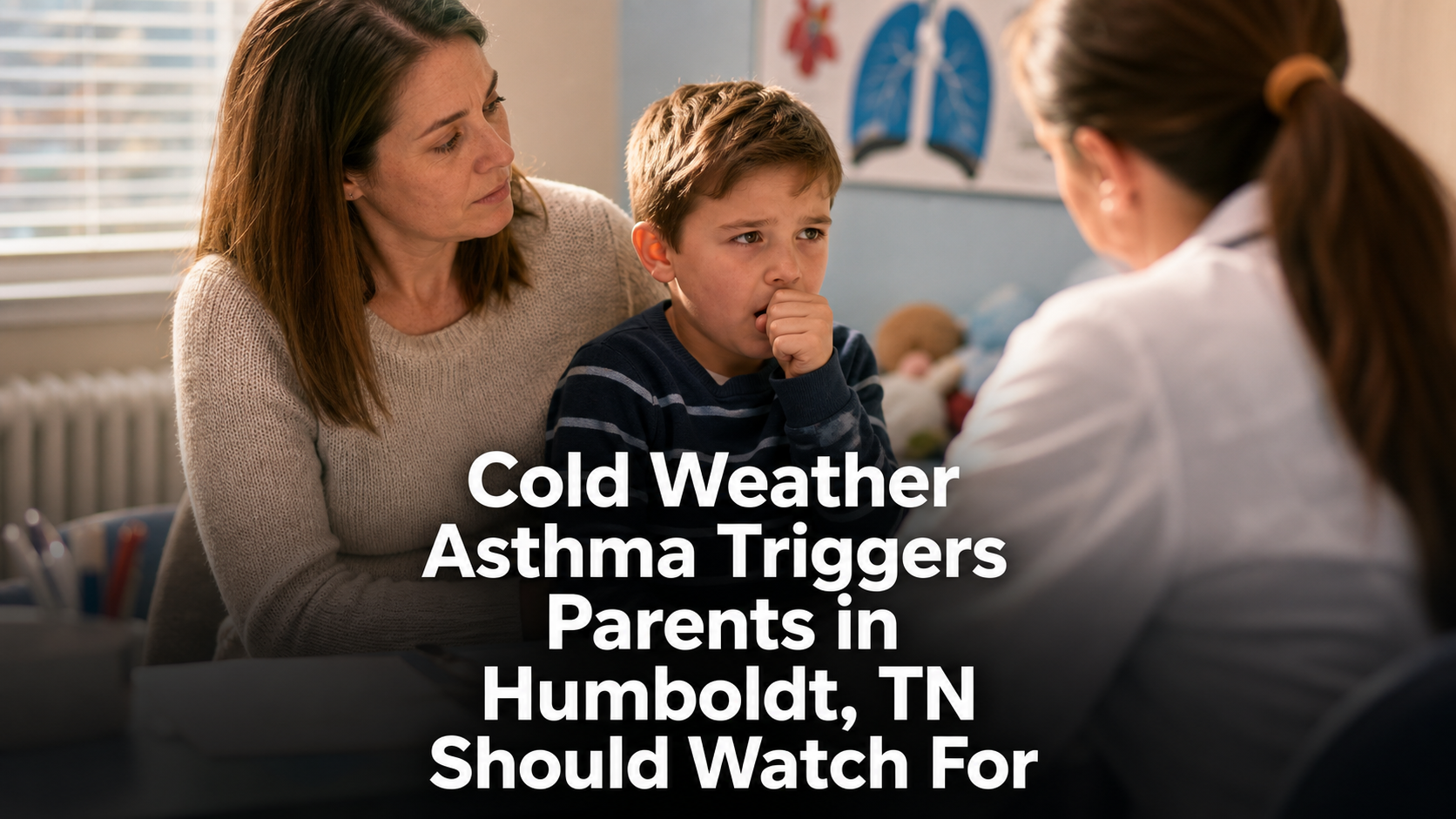
Cold weather can sneak up on families fast. One day the kids are playing outside in a light jacket, and the next morning they’re coughing at the breakfast table, sounding tighter in the chest, or waking up stuffy and frustrated. Around Humboldt, TN, and across West Tennessee, we see that shift happen every year once the temperatures dip.
For kids with asthma, winter can be rough. Not every cough means an asthma flare, of course. A lot of children just pick up a regular cold from school, daycare, sports, or a sibling who brought something home. But cold air does have a way of making airways irritated, and for some children that can turn a manageable symptom into a real problem pretty quickly.
If you’ve ever stood in the kitchen late at night wondering whether your child’s breathing sounds “off,” you’re not the only one. Parents in Jackson, TN, Medina, Milan, Lexington, Brownsville, and nearby communities ask those same questions all the time.
Why cold air bothers kids with asthma
Cold, dry air can make the airways in the lungs tighten up. That tightening can trigger wheezing, coughing, chest tightness, or shortness of breath. Some kids are bothered just by stepping outside for a few minutes before school. Others do fine until they’re running around at recess or practice, then they start coughing hard once they cool down.
This is one reason parents notice asthma symptoms more often during winter illness season. It’s not always the cold air by itself. Cold air plus a virus, plus poor sleep, plus a busy week, plus missed medicine here and there? That combo can wear a child down.
We also see kids with asthma get hit harder when they’re already dealing with stuffy noses, post-nasal drip, or a lingering cough after a cold. Even a mild bug can make breathing feel more work than usual.
Common cold weather triggers families should watch for
Cold weather asthma isn’t just about the temperature. A few things tend to stack up at the same time.
Dry air is a big one. Indoor heat can dry out the air in the house, and dry air can irritate sensitive airways. Kids may start coughing more at night or first thing in the morning. That’s a pattern parents notice a lot.
Rapid temperature changes can do it too. Think about walking from a warm school building into cold morning air, or leaving a sports complex after practice. That sudden change can set off coughing or wheezing, especially in kids who already have reactive airways.
Respiratory viruses are everywhere once back-to-school season and winter illness season get rolling. Kids bring home colds from class, daycare, car line, youth sports, and church activities. Even the stomach bugs that spread through classrooms can leave children tired, dehydrated, and more likely to breathe poorly if they already have asthma.
Indoor allergens matter this time of year as well. Dust, pet dander, mold, and strong cleaning smells can all make symptoms worse. Some families notice things flare up after pulling out blankets from storage, turning on the heater, or spending more time inside with windows shut.
And yes, exercise can be a trigger too. Cold weather sports season is still sports season. Kids in soccer, basketball, cheer, and winter conditioning may need a little extra planning if they’re prone to exercise-induced symptoms.
What asthma symptoms can look like in real life
Sometimes parents expect asthma to look dramatic, but it often starts quietly.
A child may cough at night more than usual. Or they may need to sit out during recess because they feel winded. Some kids clear their throat all the time. Others say their chest feels funny, but they can’t explain it well. Little kids may just get cranky, clingy, or refuse to play like normal.
Wheezing is one of the more obvious signs, but not every child wheezes. In babies and toddlers, asthma can look like fast breathing, belly breathing, flaring nostrils, or trouble finishing a bottle because they’re pausing to breathe. If a baby is struggling to feed during an illness, that gets our attention pretty fast.
Sleep often gives the first clue. A child who keeps waking up coughing or can’t settle comfortably may be dealing with more than a simple cold. Parents tell us all the time that their child seems okay during the day, then falls apart at bedtime. That pattern is common.
What’s normal, and what’s not
A mild cough after a cold can hang around for a bit. That happens. A little congestion, low energy, and a runny nose can be part of a virus too. Most families can handle a few rough nights without rushing in right away.
What you don’t want to brush off is breathing trouble. If your child is breathing faster than usual, working hard to breathe, sucking in around the ribs, or can’t talk in full sentences because they’re out of breath, that’s not something to watch and wait on for long.
Also pay attention if the rescue inhaler isn’t helping the way it usually does. Or if symptoms keep coming back every few hours. A child who is not drinking well, seems unusually sleepy, or is getting weaker instead of better needs a closer look.
Babies and younger children can be tricky because they can’t tell you what they feel. If a toddler is waking up congested every night, refusing drinks, breathing fast, or seems more tired than usual, trust that gut feeling and call. Parents are usually right when they say, something’s not right here.
How to help before symptoms spiral
A few simple steps can take the edge off for many kids.
Keep up with asthma medicine exactly the way your child’s doctor recommended. If a controller medicine was prescribed, winter is not the time to drift off schedule. The same goes for rescue medicine. Know where it is. Check the date. Make sure school, grandparents, and any caregiver know what to do if symptoms start.
Try to avoid big bursts of cold air when you can. A scarf over the mouth and nose can help warm the air a bit for older kids who tolerate it. For younger children, just limiting long exposure on very cold days may be enough.
Humidifiers can help some families when indoor air is dry, but they need to be cleaned well. A dirty humidifier can create a whole new problem. Sometimes simple things, like washing bedding regularly, vacuuming dust, and keeping pets out of the child’s sleeping area, make a noticeable difference.
Hydration matters too. We say this a lot in summer heat, but it still counts in winter. Kids don’t always drink enough when it’s cold out. Mild dehydration can make mucus thicker and make a child feel worse overall.
If your child has a history of asthma symptoms with exercise, ask about a game plan before practices and games pick up. That is especially helpful during sports physical season, when families are already thinking about school forms, activity schedules, and what the year is going to look like.
When to call the pediatrician
Call if your child’s cough is hanging around longer than you expected, especially if it’s worse at night or after running around. Call if breathing seems noisy, tight, or labored. Call if they need rescue medicine more often than usual.
Also reach out if your child has frequent colds that seem to turn into chest symptoms, or if you’re noticing a pattern every winter. That’s the kind of thing we want to hear about at a wellness visit, not after the third rough night in a row.
Same-day sick visits can be helpful when a child has fever, a bad cough, wheezing, or isn’t drinking well. We’d rather talk through it early than have a family sitting at home searching online at midnight trying to decide whether a breathing issue is “bad enough.”
For newborns and young babies, don’t wait too long if breathing seems off. Tiny babies can go downhill faster than older kids. If a newborn is congested and feeding poorly, that deserves prompt attention.
What we often see in the clinic
A lot of parents come in thinking their child just has another cold. Sometimes that’s all it is. Sometimes there’s a little asthma mixed in. We’ll listen to the lungs, ask about sleep, school attendance, medications, and whether the child is needing the inhaler more than usual.
We also talk through what’s happening at home. Is the child waking up coughing? Missing school? Getting winded at recess? Having trouble keeping up at basketball practice in Jackson, TN? Those everyday details matter. They tell the story better than a short office note ever could.
And if the child has allergies on top of asthma, that can be part of the winter picture too. Some families are surprised to learn spring allergies aren’t the only ones that matter. Seasonal triggers can overlap, and noses that stay blocked all the time often make breathing worse overall.
A real local example
We recently talked with a family from Humboldt whose little boy had been waking up coughing every night after a cold snap. At first, his parents thought it was just a lingering virus. He was still playing, still eating okay, and seemed fine during the day. But by the end of the week, he was coughing harder when he ran outside at recess, and one night he started breathing faster after falling asleep.
That’s the kind of situation many families recognize. It starts small. Then the pattern becomes clearer. In his case, the issue turned out to be a winter asthma flare mixed with a virus. Once they had a plan in place, things settled down. His parents said they were relieved to know what to watch for instead of guessing every time he coughed.
That’s really what families want. Not perfect answers for every sniffle. Just a clear plan and a little peace of mind.
Actionable takeaways for parents
If your child has asthma, keep the inhalers, spacer, and action plan easy to find. Not buried in a diaper bag. Not somewhere in the back of the car.
Watch for night cough, wheezing, chest tightness, fast breathing, or a child who gets tired more quickly than usual.
Call if symptoms are lasting longer than expected, happening more often, or getting worse instead of better.
Don’t ignore poor feeding in babies, trouble sleeping, or a child who seems unusually worn out.
Keep up with pediatric wellness visits, vaccines, and check-ins so we can talk through asthma, sleep, behavior, school readiness, and any family concerns before they become a bigger headache.
And if you’re unsure whether something is serious, that’s a good reason to ask. Parents are juggling a lot already. School forms, work, sports physicals, fevers, coughs, stomach bugs, sibling germs, and all the little curveballs that come with family life in West Tennessee. You don’t need to sort every symptom out alone.
Bottom Line
Cold weather can be hard on kids with asthma, especially once winter illness season starts moving through schools, daycares, and sports teams. A cough may be nothing. Or it may be the first sign that your child needs a little help breathing easier.
Pay attention to the pattern. Night cough. Wheezing. Fast breathing. Trouble drinking. Not sleeping well. Needing the rescue inhaler more than usual. Those are the clues parents can watch for without panicking.
We’re here for the everyday questions, the late-night worries, and the times you’re just not sure. That’s part of pediatric care, too.
The Children’s Clinic
264 Coatsland Drive
Jackson, TN 38301
731-423-1500
Serving families throughout Jackson, Madison County, and West Tennessee
