
Baby Fever 101: How to Care for Your Child
When your baby has a fever
It can be concerning to wake up in the middle of the night to a crying baby, and find they’re flushed or hot to the touch. The thermometer confirms your suspicions: Your baby has a fever. But what should you do? It’s important to learn how to comfort your feverish baby and recognize when you need to seek medical care.
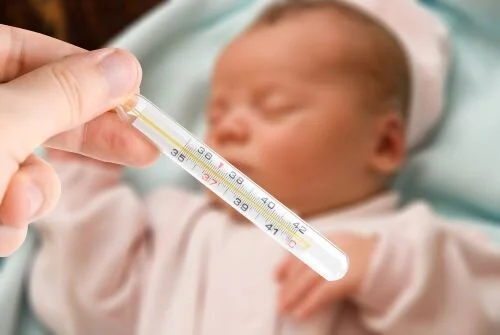
Caring for a sick baby
While you may be able to feel a temperature difference through touch alone, it’s not an accurate method of diagnosing fever. When you suspect that your baby has a fever, take your baby’s temperature with a thermometer. A rectal temperature of more than 100.4°F (38°C) is considered a fever. In most cases, a fever is a sign that your baby’s body is fighting an infection. A fever can stimulate certain bodily defenses to protect against invading viruses and bacteria. While this is a positive step in fighting infection, a fever can also make your baby uncomfortable. You may also notice that they’re breathing faster. Fever is typically associated with the following illnesses:
sore throat
blood, bowel, and urinary tract infections
a range of viral illnesses
Fevers can lead to dehydration if your baby is not drinking well or is vomiting with their illness. Young children can get dehydrated quickly. Symptoms of dehydration may include:
crying without tears
dry mouth
fewer wet diapers
Unless your baby seems uncomfortable and isn’t sleeping, eating, or playing normally, it’s fine to wait and see if the fever goes away on its own.
How can I make my feverish baby comfortable?
Speak with your pediatrician about administering a dose of acetaminophen or ibuprofen. These usually reduce fever by at least a degree or two after 45 minutes or so. Your pharmacist or doctor can give you the correct dosage information for your baby. Do not give your baby aspirin. Make sure your baby isn’t overdressed, and be sure to offer fluids regularly. Dehydration can be a concern for a feverish baby. To comfort your baby, try these methods:
give a sponge bath or a lukewarm bath
use a cooling fan
remove extra clothing
offer extra fluids
Check your baby’s temperature again after you have tried these things. Continue to check the temperature to see if the fever is getting lower, or getting higher. If your baby is breastfeeding, try to nurse more often to prevent dehydration. Try to keep your child’s room comfortably cool. Use a fan to circulate air if the room is overly warm or stuffy.
When should you call the doctor if your child has a fever?
Call your pediatrician immediately if your baby has a fever that is accompanied by any of the following symptoms:
vomiting
diarrhea
an unexplained rash
a seizure
acting very ill, unusually sleepy, or very fussy
What if my newborn has a fever?
If your baby is younger than 3 months and you’ve taken a rectal temperature of 100.4°F (38°C) or higher, call the doctor. Newborn babies can have difficulty regulating body temperature when they’re sick. This means they may become cold instead of hot. If your newborn has a temperature lower than 97°F (36°C), call the doctor.
Source Credit: https://www.healthline.com/health/parenting/baby-fever-101#when-to-seek-help