
When It’s Too Cold to Play: Protecting Babies and Young Children from Extreme Winter Weather
Winter in West Tennessee doesn’t always bring long stretches of snow and ice—but when temperatures plunge, they can become dangerous very quickly, especially for babies and young children. Cold weather affects kids differently than adults, and understanding when it’s too cold to play outside can help prevent serious health risks like frostbite and hypothermia.
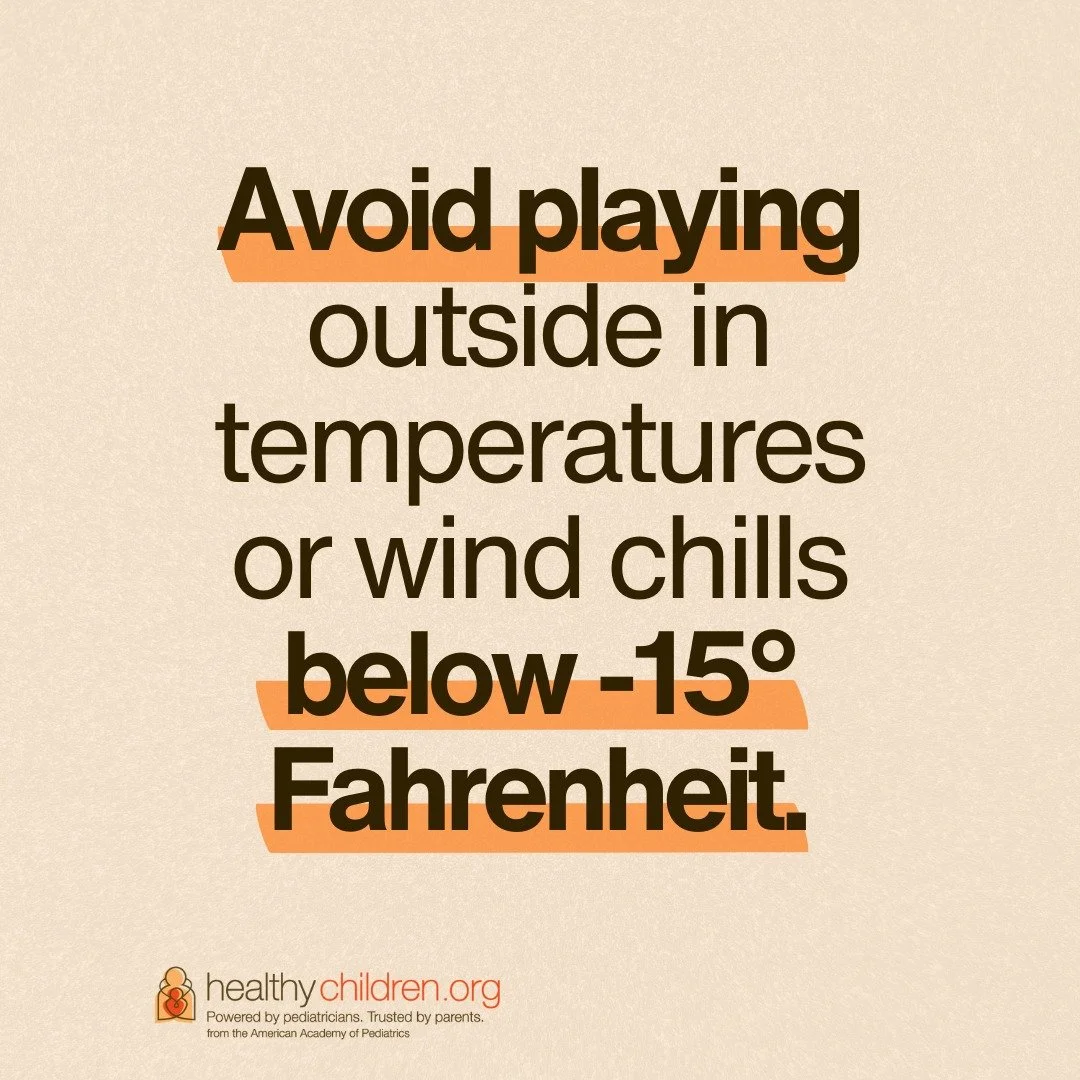
At The Children’s Clinic in Jackson, TN, we want parents to feel confident making safe decisions during extreme winter weather. One important guideline to remember: babies and young children should not play outside when temperatures or wind chills fall below -15°F. At these levels, exposed skin can freeze in just minutes.
Why Babies Lose Heat Faster Than Adults
Babies are not just “small adults.” Their bodies work differently, especially when it comes to regulating temperature.
Infants and young children:
Have a higher body surface area compared to their weight
Lose heat more rapidly through their skin
Cannot shiver effectively to warm themselves
Rely entirely on caregivers to recognize and respond to cold stress
Because of these factors, babies can become dangerously cold much faster than adults—even if they’re bundled up.
Understanding Frostbite and Hypothermia
Cold-related injuries can happen quickly, particularly during extreme temperatures or high winds.
Frostbite occurs when skin and underlying tissues freeze. It most commonly affects fingers, toes, ears, cheeks, and noses. Early signs may include:
Pale or grayish skin
Cold, hard, or numb areas
Tingling or burning sensations
Hypothermia happens when the body loses heat faster than it can produce it, causing body temperature to drop below normal. In babies and young children, symptoms may include:
Cold or pale skin
Lethargy or unusual sleepiness
Weak cry or poor feeding
Shallow or slow breathing
Both conditions are medical emergencies and require immediate attention.
Why -15°F Is a Critical Threshold
When temperatures or wind chills drop below -15°F, the risk increases dramatically. At this level:
Exposed skin can begin freezing in minutes
Wind chill accelerates heat loss
Heavy clothing may not provide enough protection
Even short outdoor exposure—such as playing briefly, waiting for a bus, or walking from the car to a building—can be unsafe for babies and young children in these conditions.
Wind Chill Matters More Than the Thermometer
Parents often check the temperature but overlook wind chill. Wind strips heat from the body, making it feel much colder than the actual temperature.
For example:
A temperature of 5°F with strong wind can feel like -15°F
Calm days are safer than windy ones, even at the same temperature
Always check the wind chill value, not just the air temperature, before taking children outside.
Cold Weather Safety Tips for Parents
When winter weather hits Jackson and surrounding West Tennessee communities, these steps can help keep children safe:
Limit Outdoor Play
Keep babies indoors during extreme cold
Shorten outdoor time for older children
Avoid outdoor play entirely below -15°F wind chill
Dress Smart (But Not Too Tight)
Use multiple thin layers instead of one bulky layer
Make sure hats cover ears completely
Use mittens instead of gloves for better warmth
Protect Exposed Skin
Cover cheeks, noses, and hands
Avoid leaving skin uncovered in freezing temperatures
Watch Closely
Check skin frequently for redness or paleness
Bring children inside immediately if they seem uncomfortable
Why Babies Are Especially Vulnerable
Infants can’t tell you when they’re cold. They may not cry or fuss right away, and early signs of cold stress can be subtle. This makes prevention especially important.
Babies should never sleep outdoors in extreme cold and should not be taken outside unnecessarily when temperatures are dangerously low.
Indoor Activities Are the Safer Choice
On extremely cold days, indoor play is the safest option. Reading, floor play, music, and interactive games allow babies and toddlers to stay active without exposure to dangerous temperatures.
If cabin fever sets in, remember that even a few days indoors is far safer than risking cold-related injury.
What to Do If You’re Concerned
If your child has been exposed to extreme cold and you notice:
Pale, gray, or bluish skin
Unusual sleepiness or weakness
Cold skin that doesn’t warm quickly
Seek medical care immediately.
Trusted Pediatric Care for West Tennessee Families
At The Children’s Clinic, our pediatricians are here to help parents navigate seasonal safety concerns—from winter weather to year-round child health. We proudly care for families throughout Jackson and West Tennessee, offering guidance you can trust.
If you ever have questions about cold weather safety, frostbite, hypothermia, or your child’s health, don’t hesitate to reach out.
Contact The Children’s Clinic
📍 The Children’s Clinic
📍 Serving Jackson & West Tennessee
📞 Phone: 731-423-1500
