
Why Your Newborn Needs a Vitamin K Shot
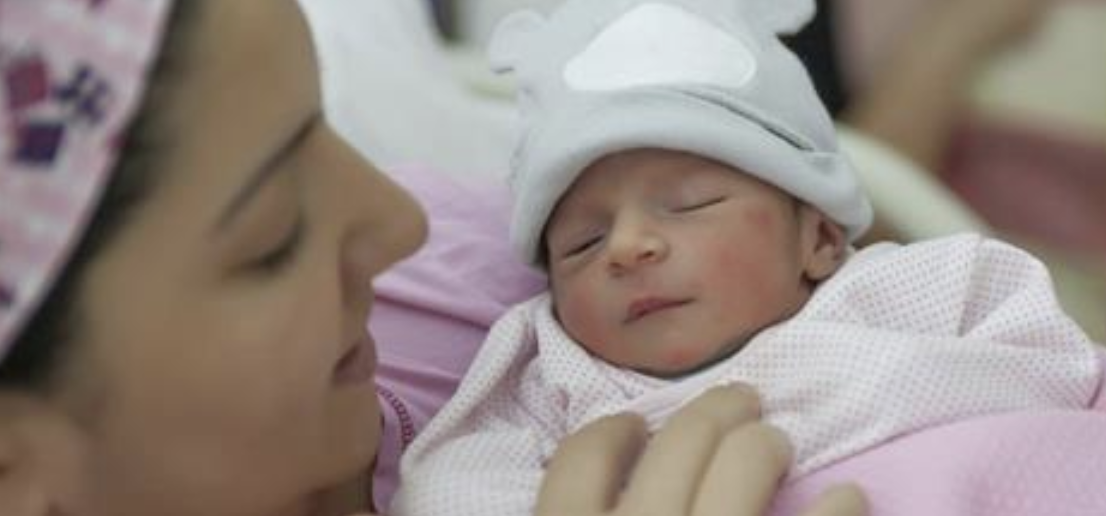
When your baby is first born, there’s a whirlwind of activity. They’re weighed and measured. Their vital signs are checked. Their tiny noses may be suctioned, and eye ointment is often applied for protection. Your pediatrician gives them a thorough exam to be sure everything looks good. In those first hours of life, your baby may also receive their first hepatitis B vaccine—along with a vitamin K shot.
While most parents expect the vaccines, the vitamin K shot sometimes comes as a surprise. You may wonder: What exactly is vitamin K, and why does my newborn need it? Let’s walk through what you need to know.
What Does Vitamin K Do?
Vitamin K is a fat-soluble nutrient that plays a critical role in blood clotting. Without enough vitamin K, our bodies can’t properly form clots to stop bleeding. It’s also important for healthy bones.
Older children and adults get vitamin K in two ways:
From food such as leafy greens, eggs, dairy, and meats.
From gut bacteria, which naturally produce vitamin K in the intestines.
Newborns, however, have very little vitamin K in their systems. Their bodies don’t yet have the bacteria needed to make it, and they don’t get much from their mothers during pregnancy. That’s why vitamin K deficiency is so common in newborns—and why the vitamin K shot is so important.
Why Babies Aren’t Born With Enough Vitamin K
There are two main reasons infants are low on vitamin K at birth:
Limited transfer during pregnancy. Unlike many other nutrients, vitamin K doesn’t pass through the placenta easily.
Immature intestines. Babies are born with very little gut bacteria, so their bodies can’t produce vitamin K on their own right away.
This combination means newborns are at risk for vitamin K deficiency bleeding (VKDB), a serious and sometimes life-threatening condition.
What Is Vitamin K Deficiency Bleeding (VKDB)?
VKDB occurs when a baby doesn’t have enough vitamin K to form blood clots. Without clots, even small amounts of bleeding can become dangerous.
The bleeding may appear on the outside of the body, but it can also happen internally—such as in the intestines or the brain—without parents noticing right away. Brain bleeds, which occur in about half of VKDB cases, can lead to permanent brain damage or even death.
There are three types of VKDB:
Early-onset: Within the first 24 hours after birth, often linked to maternal medications that affect vitamin K.
Classical: Between 2 days and 1 week of life. This occurs in about 1 in 60 to 1 in 250 newborns.
Late-onset: Between 1 week and 6 months. Though rarer (1 in 14,000 to 1 in 25,000), babies who skip the vitamin K shot are 81 times more likely to develop late-onset VKDB.
While VKDB is relatively rare, cases are increasing in recent years as more parents decline the vitamin K shot. Unfortunately, the consequences can be devastating.
Are Vitamin K Shots Safe?
Yes. The vitamin K shot has been given safely to newborns since 1961. Once injected into the thigh muscle, the vitamin is stored in the liver and released slowly over several months, giving your baby the protection they need until they begin solid foods.
Decades of research confirm that vitamin K shots are safe. Some parents worry about a small study from the 1990s that suggested a link to childhood cancer, but follow-up studies around the world have never been able to confirm that finding. The medical consensus is clear: the vitamin K shot is safe and effective.
What About Oral Vitamin K?
Some parents ask about oral vitamin K instead of an injection. While oral forms exist, babies don’t absorb them well, and they don’t provide the same level of protection. A single injection remains the safest and most effective way to prevent VKDB.
Does Breastfeeding Provide Enough Vitamin K?
Breast milk contains only small amounts of vitamin K—too little to prevent VKDB. Exclusively breastfed babies who don’t get the shot are at especially high risk. Formula provides a bit more vitamin K, but not enough to replace the need for the injection.
As your baby grows and starts eating solid foods around 4–6 months, their diet and developing gut bacteria will help supply the vitamin K they need naturally.
Signs of Vitamin K Deficiency Bleeding
In most cases, VKDB develops silently without obvious warning signs. However, symptoms can include:
Bleeding from the umbilical cord or nose
Pale skin or pale gums in darker-skinned babies
Easy bruising, especially around the head and face
Bloody or black, tar-like stools
Vomiting blood
Yellowing of the eyes after 3 weeks of age
Seizures, irritability, or excessive sleepiness
Because VKDB can progress quickly, prevention with a vitamin K shot is far safer than trying to catch symptoms after the fact.
The Bottom Line
One simple shot given within hours of birth protects your baby from a potentially devastating condition. Vitamin K deficiency bleeding is preventable, and the vitamin K injection is both safe and effective.
If you’re expecting a baby, talk with your pediatrician about the vitamin K shot before delivery. If you’ve recently welcomed a newborn and have questions, don’t hesitate to reach out.
We’re Here for Your Family
At The Children’s Clinic, we want every parent to feel informed and confident about their baby’s care. From those very first hours after birth to the many milestones that follow, we’re here to provide support, guidance, and expert care.
📍 The Children’s Clinic
264 Coatsland Drive
Jackson, TN 38301
📞 Phone: 731-423-1500
Your child’s health is our top priority—from day one.
