
Navigating New School Phone Policies: Tips for Parents and Teens
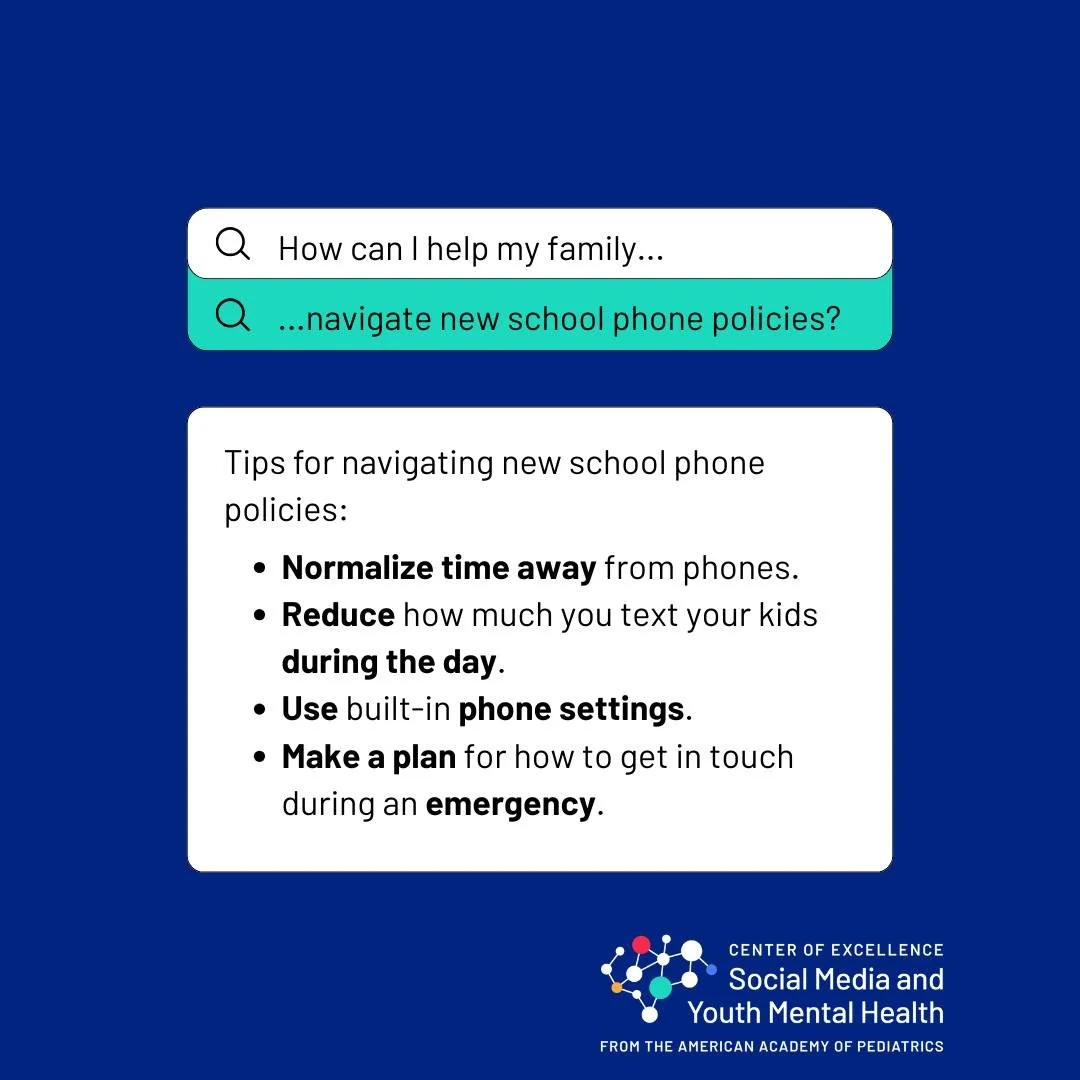
As the new school year begins, parents and students are adjusting to many changes. Among these changes, many schools are implementing new phone policies. Whether it's limiting phone use during class, restricting phone access during lunch breaks, or introducing new rules about phone storage, these changes can create confusion and frustration for students and parents alike.
If your child or teen’s school is rolling out a new phone policy this year, you're probably wondering how to make this transition easier for your family. The good news is that with a little guidance and communication, you can help your child understand and adapt to these new rules in a way that minimizes stress and fosters responsibility.
At The Children’s Clinic, we understand the challenges parents face when navigating new school policies, especially those that affect your child’s daily routine. In this blog, we’ll explore why schools are implementing these changes, how to support your child in following the new rules, and practical tips to ensure the transition is as smooth as possible for everyone.
Why Are Schools Changing Phone Policies?
New school phone policies aren’t just about limiting distractions—they’re often designed to improve students' focus, well-being, and social interaction. Here’s why schools are making these changes:
Reducing Distractions: Phones are powerful tools for learning, but they can also serve as distractions. With access to social media, gaming apps, and texting, it can be hard for students to stay engaged in class. Schools are aiming to reduce these distractions by limiting phone access during instructional time.
Encouraging Socialization: Excessive phone use can interfere with face-to-face communication and peer relationships. By limiting phone access during breaks, schools encourage students to engage with each other, which can improve social skills and help build stronger friendships.
Promoting Mental Health: Studies show that excessive screen time can negatively impact mental health, contributing to issues like anxiety, depression, and sleep disturbances. By restricting phone use, schools hope to reduce these impacts and promote healthier, more balanced lives for students.
Addressing Security Concerns: In some cases, schools may implement stricter phone policies to prevent cheating, ensure student safety, and reduce cyberbullying. By limiting phone access, they can better control what students are doing with their devices during the school day.
Tips for Parents: Helping Your Child Navigate the Transition
While the new phone policy may be challenging at first, there are steps you can take as a parent to make the adjustment easier. Here's how you can help your child understand and follow the new rules, while also fostering responsibility and balance in their phone use.
1. Have an Open Conversation About the New Policy
The first step in navigating the new school phone policy is talking with your child. It’s essential to have an open, nonjudgmental conversation about the changes.
Explain the Policy: Sit down with your child and explain the purpose behind the new rules. Help them understand that these changes are meant to support their learning, mental health, and overall well-being.
Listen to Their Concerns: It’s normal for children and teens to feel frustrated when their routines change, so listen to their concerns. They may feel upset or anxious about not being able to use their phones during class or lunchtime. Acknowledge their feelings and reassure them that it’s okay to adjust to these new rules.
Encourage Respect for School Guidelines: Let your child know that it’s important to respect school rules, even if they don’t always agree with them. Reinforce that following the guidelines shows maturity and responsibility, qualities that will help them in the long run.
2. Set Clear Expectations at Home
The new school phone policy is only part of the equation. At home, it’s essential to set clear expectations for phone use outside of school hours. Setting boundaries can help your child develop healthier habits with technology.
Establish Phone-Free Zones: Designate phone-free areas in your home, such as the dinner table or bedrooms. Encourage family time without phones to promote conversation, bonding, and relaxation.
Create a Screen-Time Schedule: Limit screen time by creating a schedule that allows your child to use their phone for a set amount of time after school, homework, or chores. This way, they can have some fun without it taking over their day.
Set a Curfew for Phones: Make it a rule that phones are put away at a certain time each night. This will help your child unwind, sleep better, and avoid late-night distractions from social media or gaming apps.
3. Foster a Positive Relationship With Technology
Technology isn’t inherently bad, but it's important to teach your child how to use it responsibly. You can help them develop a balanced relationship with their phone by encouraging healthy phone habits.
Teach Mindful Phone Use: Encourage your child to be mindful of their phone use. Remind them to take breaks and put their phone down when they’re spending time with family or friends.
Use Phones for Learning: Show your child how they can use their phone for educational purposes. There are many apps and tools that can help with schoolwork, language learning, or creative projects.
Set an Example: Children often mimic their parents' behavior. Be mindful of your own phone habits, especially when it comes to family time. Show your child how to strike a balance between using technology for work or entertainment and spending time offline.
4. Support Their Social Well-Being
For teens, social media can be an important part of their social life. However, excessive use can lead to negative consequences, such as cyberbullying or unhealthy comparisons.
Monitor Social Media Use: Stay informed about the apps and platforms your child is using. Have conversations about what they’re seeing online, and let them know that it’s okay to talk to you if something online makes them feel uncomfortable.
Encourage In-Person Connections: Help your child find ways to connect with friends in person—whether it’s through sports, clubs, or family gatherings. Fostering real-world relationships can help them feel more supported and grounded.
Emphasize the Importance of Self-Care: Encourage your child to take breaks from screens and prioritize activities that promote mental well-being, such as exercise, hobbies, or spending time outdoors.
Why This Matters: The Bigger Picture
While new school phone policies may seem like a simple adjustment, they reflect a larger trend toward promoting healthier habits in children and teens. By limiting phone use during school hours, schools are helping students focus on learning, build stronger relationships, and take care of their mental health.
As parents, it’s our job to support our children as they navigate these changes and ensure they develop a balanced relationship with technology that will serve them well into the future.
Contact The Children’s Clinic
At The Children’s Clinic, we understand the challenges that come with parenting in the digital age. Whether you're navigating new school policies, managing screen time, or seeking support for your child’s overall well-being, we’re here to help.
Our pediatricians are dedicated to supporting your family through every stage of childhood. If you have questions or concerns about your child’s mental health, technology use, or school experiences, don’t hesitate to reach out.
📍 The Children’s Clinic
264 Coatsland Drive
Jackson, TN 38301
📞 Phone: 731-423-1500
Your child’s health and well-being are our top priority.
