
Leucovorin and Autism: What Parents Should Know About This Emerging Therapy
Parenting a child with autism often means navigating a world filled with questions, research, and new possibilities. Families are always looking for ways to support their children’s growth, communication, and overall well-being. Recently, a medication called leucovorin has sparked conversations among parents and pediatricians. Originally designed to help cancer patients manage the side effects of chemotherapy, leucovorin is now being studied for its potential to support children on the autism spectrum.
But what do these studies really say? Is leucovorin a breakthrough treatment or simply an area for future research? And most importantly, what should parents in Jackson, TN and the surrounding communities know before bringing this up with their pediatrician at The Children’s Clinic?
This guide will walk through the basics of leucovorin, the research so far, and the questions parents should consider.
What Is Leucovorin?
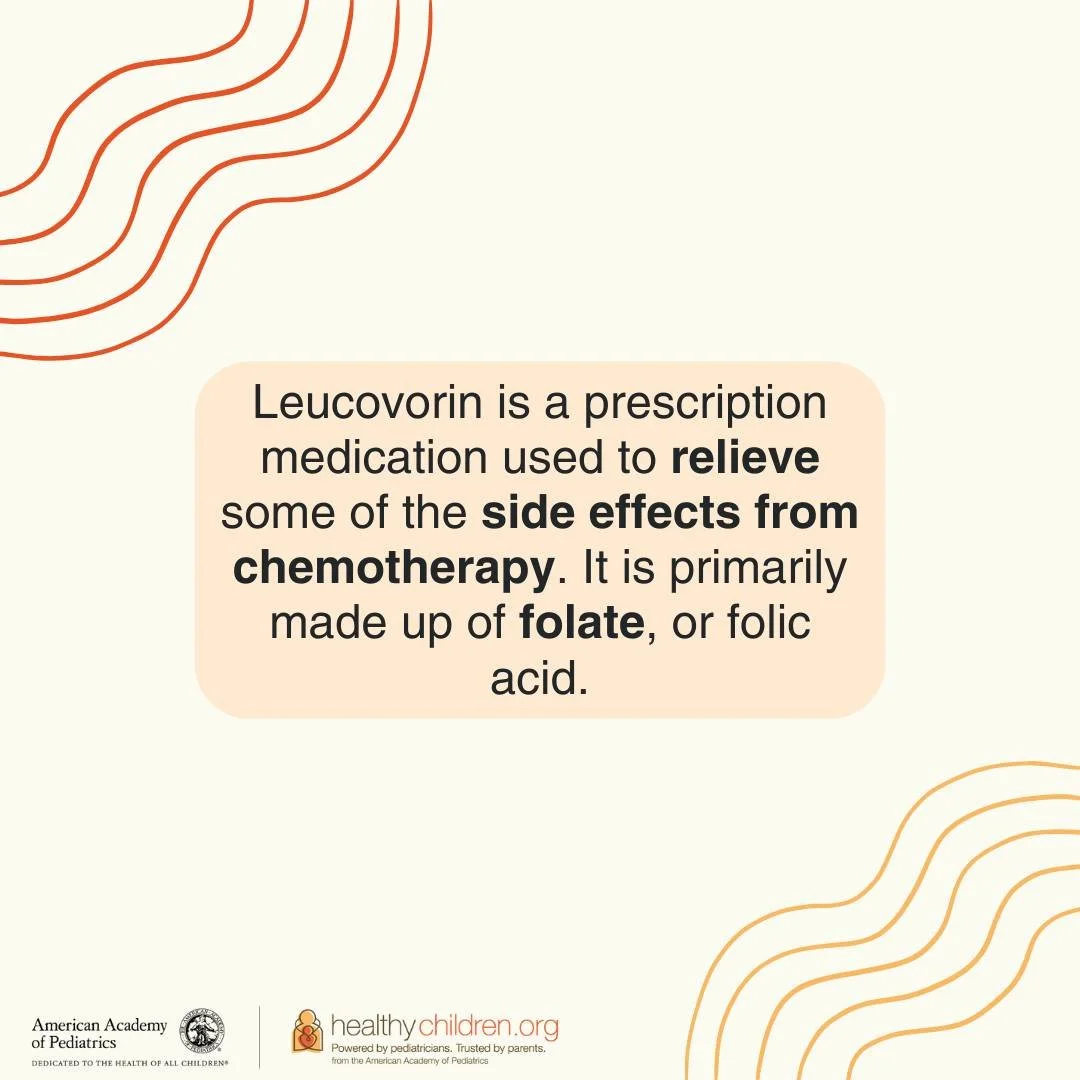
Leucovorin is a prescription medication also known as folinic acid. It’s closely related to folate (a form of vitamin B9), which our bodies use to make DNA and support cell growth. For decades, leucovorin has been prescribed to cancer patients undergoing chemotherapy to reduce certain side effects.
What’s new is the research suggesting that leucovorin may help some children with autism, particularly in the area of communication and social interaction. The idea is linked to how the body processes folate. Some children with autism have trouble transporting folate into the brain, which can affect neurological development. Leucovorin bypasses some of these challenges, potentially supporting brain function more effectively.
What Does the Research Show?
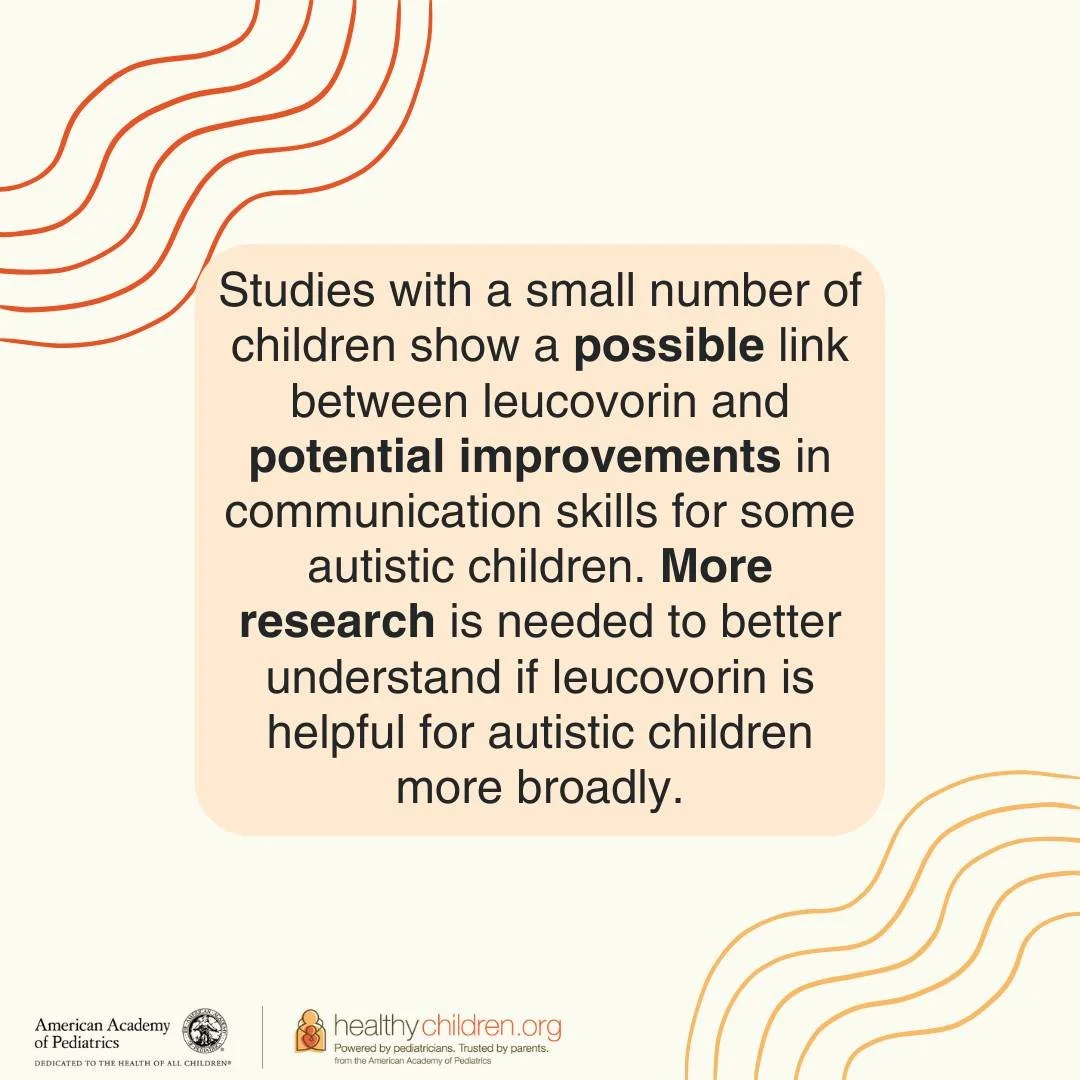
While it’s important to be cautious, some small studies have shown promising results.
Improved communication skills: A few studies suggest that children taking leucovorin may show progress in verbal expression and interaction. Parents in these studies reported that their children were able to better express themselves, use more words, or engage in conversations more often.
Behavioral changes: Some children experienced improvements in behavior, such as reduced irritability or fewer repetitive actions.
Not all children benefit: The improvements were not universal. Children with identified folate pathway issues were more likely to respond to leucovorin, while others showed little to no change.
Researchers are careful to point out that these studies are small in scale and more research is needed before leucovorin can be considered a standard therapy.
Why More Research Is Needed
Parents naturally want answers, but science takes time. The studies done so far provide an interesting starting point, but not enough evidence to make broad recommendations. Here’s why:
Small sample sizes: Most of the studies involved a relatively small number of children. Larger studies are needed to confirm results.
Individual differences: Autism is highly individualized, and what works for one child may not work for another.
Unknown long-term effects: While leucovorin has been safely used in cancer care, its long-term use for autism hasn’t been studied enough to know all possible outcomes.
The consensus in the pediatric community is that leucovorin is promising but still experimental.
Questions Parents Can Ask Their Pediatrician
If you’ve heard about leucovorin and are wondering if it could help your child, the first step is having a conversation with your pediatrician. Here are some good starting questions:
Could leucovorin be useful for my child’s specific needs?
Are there tests available to see if my child has folate pathway issues?
What side effects should I be aware of?
Is leucovorin available locally, and how is it monitored?
Are there clinical trials nearby that my family could consider?
Your pediatrician knows your child’s history and can guide you through whether this is worth exploring.
Other Ways to Support Children with Autism
While medications like leucovorin make headlines, parents should remember that proven therapies remain the foundation of autism care.
Speech therapy can help children develop communication skills over time.
Occupational therapy supports sensory integration and daily living skills.
Behavioral therapy, such as Applied Behavior Analysis (ABA), can improve learning and social skills.
Family support and acceptance are equally vital—every child thrives with love, patience, and encouragement.
Leucovorin, if recommended, would be just one piece of a much larger support system.
The Role of Pediatricians
At The Children’s Clinic in Jackson, TN, our pediatricians take pride in guiding families through these complex questions. We understand that parents want the best for their children and that the constant flow of new research can feel overwhelming.
That’s why we encourage parents to bring these conversations to their child’s regular appointments. Together, we can sort through the research, talk about risks and benefits, and make decisions that fit your child’s unique needs.
Local Resources for Families
Families in Jackson, TN, and surrounding areas like Medina, Humboldt, and Henderson have access to more than just medical advice. There are strong networks of autism support groups, therapy centers, and school-based services available. Your pediatrician at The Children’s Clinic can connect you with resources that support not just your child, but your whole family.
Why This Matters Now
In today’s world, information spreads quickly—sometimes faster than the research itself. Parents may see social media posts, blog articles, or even local news stories about leucovorin and autism. While these can be encouraging, it’s important to stay grounded in evidence-based medicine.
The excitement around leucovorin is real, but it should be paired with caution and professional guidance. As research grows, we may learn more about how and when this treatment is helpful. Until then, pediatricians remain the best source of advice for families weighing options.
A Balanced Message
Here’s what parents should take away:
Leucovorin is not a cure, but it may help some autistic children improve communication.
Research is still limited, and more studies are needed before it becomes a standard treatment.
Every child is unique, and pediatricians play an essential role in tailoring treatment plans.
Love, support, and proven therapies remain the cornerstone of autism care.
Final Thoughts
Parenting a child with autism is a journey filled with both challenges and joys. Exploring new therapies like leucovorin is part of that journey, but it’s important to take each step with care, backed by science and guided by trusted medical professionals.
If you have questions about leucovorin—or any other aspect of your child’s health—know that you’re not alone. The pediatricians at The Children’s Clinic in Jackson, TN are here to listen, answer your questions, and walk this path with you.
📍 The Children’s Clinic
264 Coatsland Drive
Jackson, TN 38301
📞 Phone: 731-423-1500
🌐 Website: The Children’s Clinic
Serving families in Jackson, Medina, Humboldt, Henderson, and throughout West Tennessee, The Children’s Clinic is dedicated to compassionate, evidence-based care for every stage of your child’s development.
👉 Learn more about leucovorin and autism research from the American Academy of Pediatrics here: HealthyChildren.org
