
Kratom: What Parents Need to Know
You may have heard the word kratom recently — in the news, on social media, or even from your teen. Kratom is gaining popularity in the U.S., including among teenagers, and it’s often marketed as a “natural” product. It’s sold openly in some stores and online, sometimes in forms that look harmless, like gummies or drink mixes.
But just because something comes from a plant doesn’t mean it’s safe — especially for kids and teens.
Here’s what parents in Jackson, Madison County, and surrounding areas need to know about kratom and how to talk with their teens about it.
What Is Kratom?
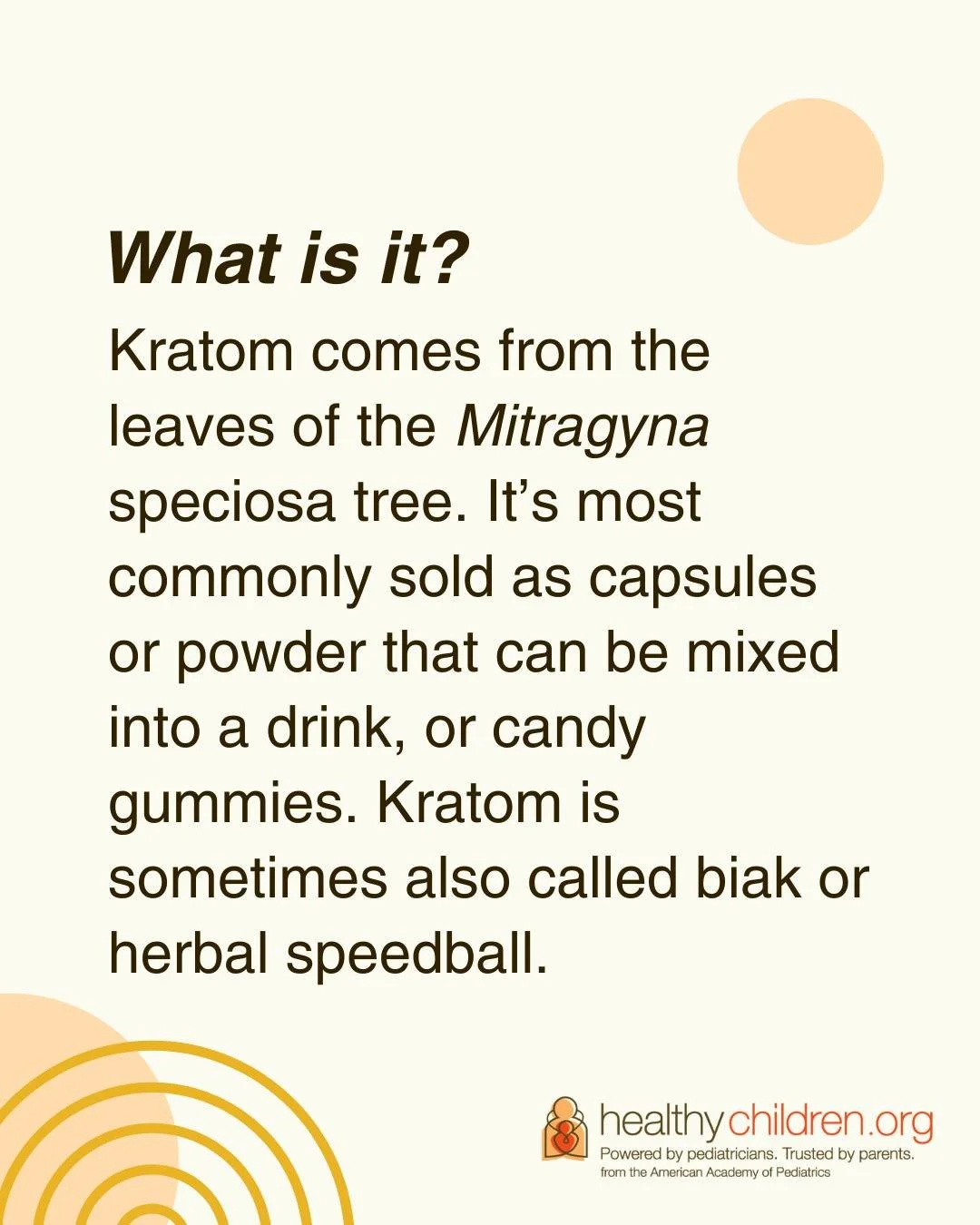
Kratom comes from the leaves of the Mitragyna speciosa tree, which is native to Southeast Asia. In the U.S., it’s commonly sold as capsules, powders that can be mixed into drinks, or candy-like gummies. You may also hear it called biak or herbal speedball.
Because it’s marketed as an herbal or natural product, many teens (and adults) mistakenly believe it’s safe.
What Does Kratom Do to the Body?
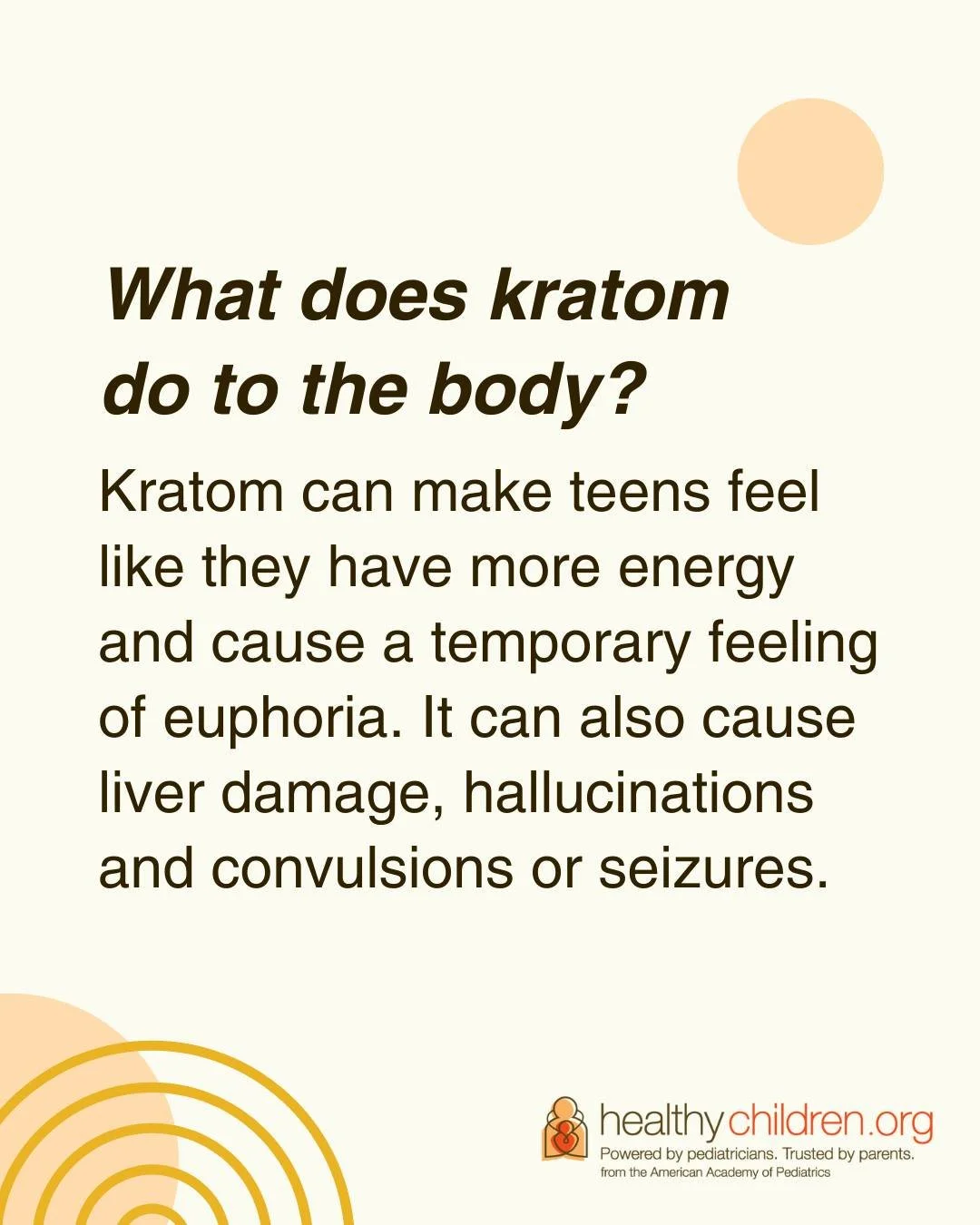
Kratom affects the brain and body in ways that can be unpredictable. Some teens report feeling more energy or a temporary sense of euphoria. However, those short-term effects can come with serious risks.
Kratom use has been linked to dangerous side effects, including liver damage, hallucinations, and seizures. In some cases, it can cause severe health emergencies that require immediate medical attention.
“If It’s Natural, Is It Safe?”
This is one of the most common — and important — questions parents ask.
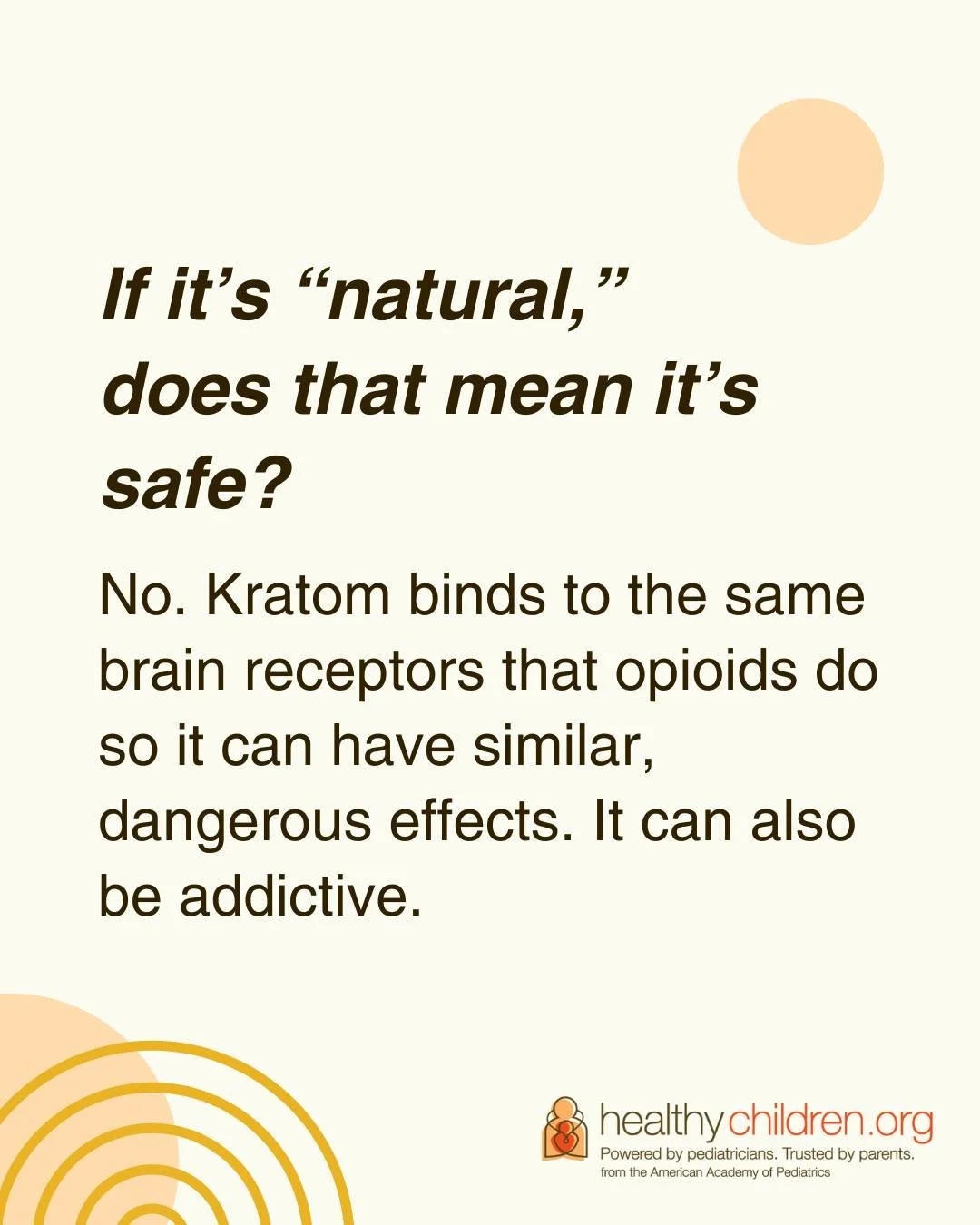
The answer is no. Kratom binds to the same brain receptors as opioids, which means it can have similar and dangerous effects. It can also be addictive, especially with repeated use.
Because kratom products are not well regulated, there’s no reliable way to know how strong a product is or what else might be mixed into it. This makes the risk even higher for teens.
Why Teens May Be Drawn to Kratom
Kratom is often marketed as a way to boost energy, reduce stress, or help with mood — messages that can be especially appealing to teens dealing with school pressure, social stress, or anxiety. The way it’s sold, particularly as gummies or flavored drinks, can make it seem harmless or “no big deal.”
What Should I Do If I’m Concerned About My Teen?
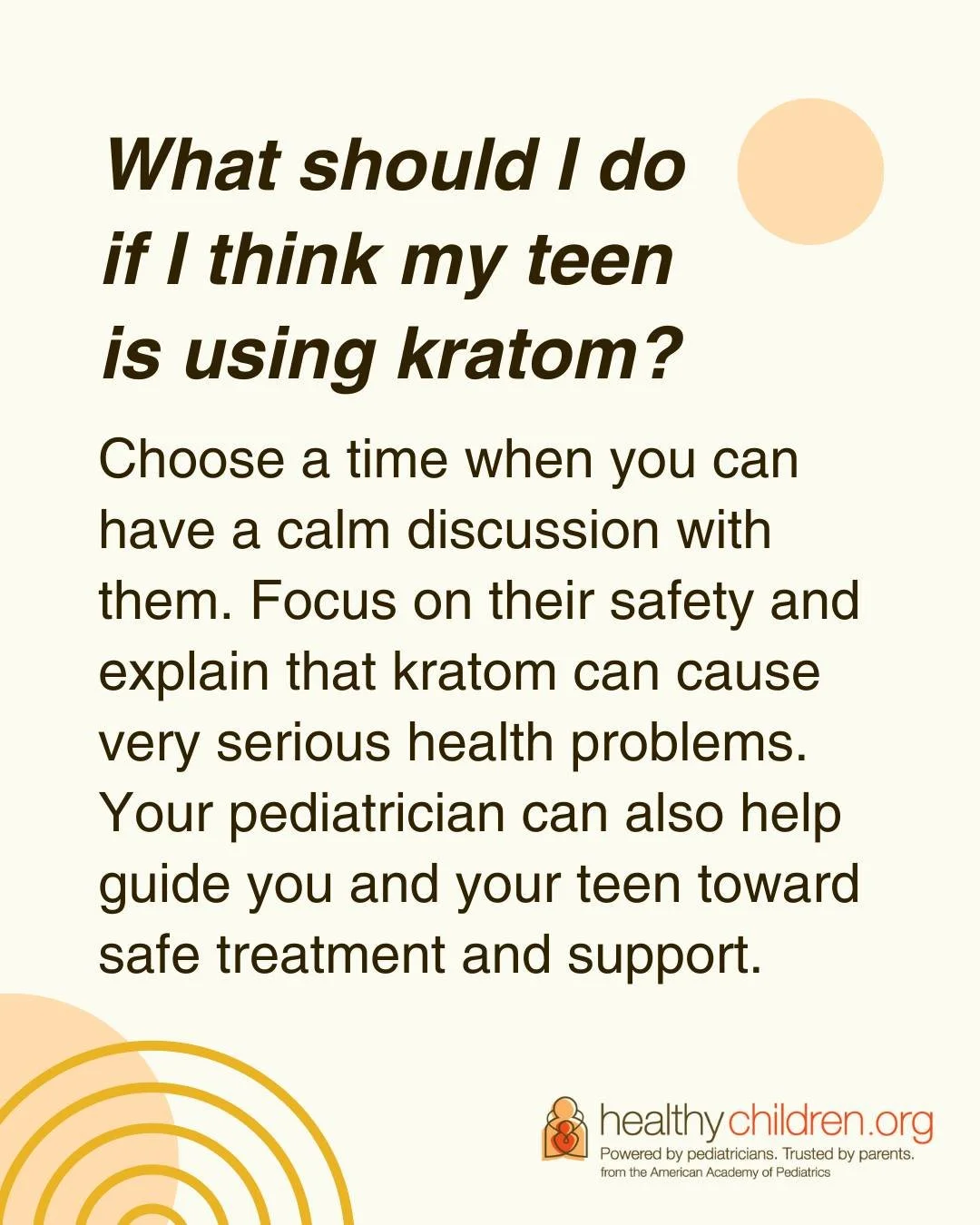
If you think your teen may be using kratom, try to choose a time when you can have a calm, open conversation. Focus on their safety rather than punishment. Let them know you’re concerned because you care, and explain that kratom can cause very serious health problems.
You don’t have to handle this alone. Your pediatrician can help guide both you and your teen toward safe next steps, support, and treatment options if needed.
We’re Here to Help
Staying informed is one of the best ways parents can protect their children. If you have questions about kratom, substance use, or your teen’s health, talk with your pediatrician.
📍 The Children’s Clinic
264 Coatsland Drive
Jackson, TN 38301
📞 731-423-1500
Our team is here to support families in Jackson, Madison County, and nearby communities — and to help keep kids and teens safe and healthy.
