
Food Allergies in Kids: What Parents in Jackson, TN Need to Know
As parents, we spend a lot of time thinking about how to keep our children healthy — from encouraging more vegetables at dinner to packing balanced school lunches. But for families of children with food allergies, mealtime can feel like a minefield.
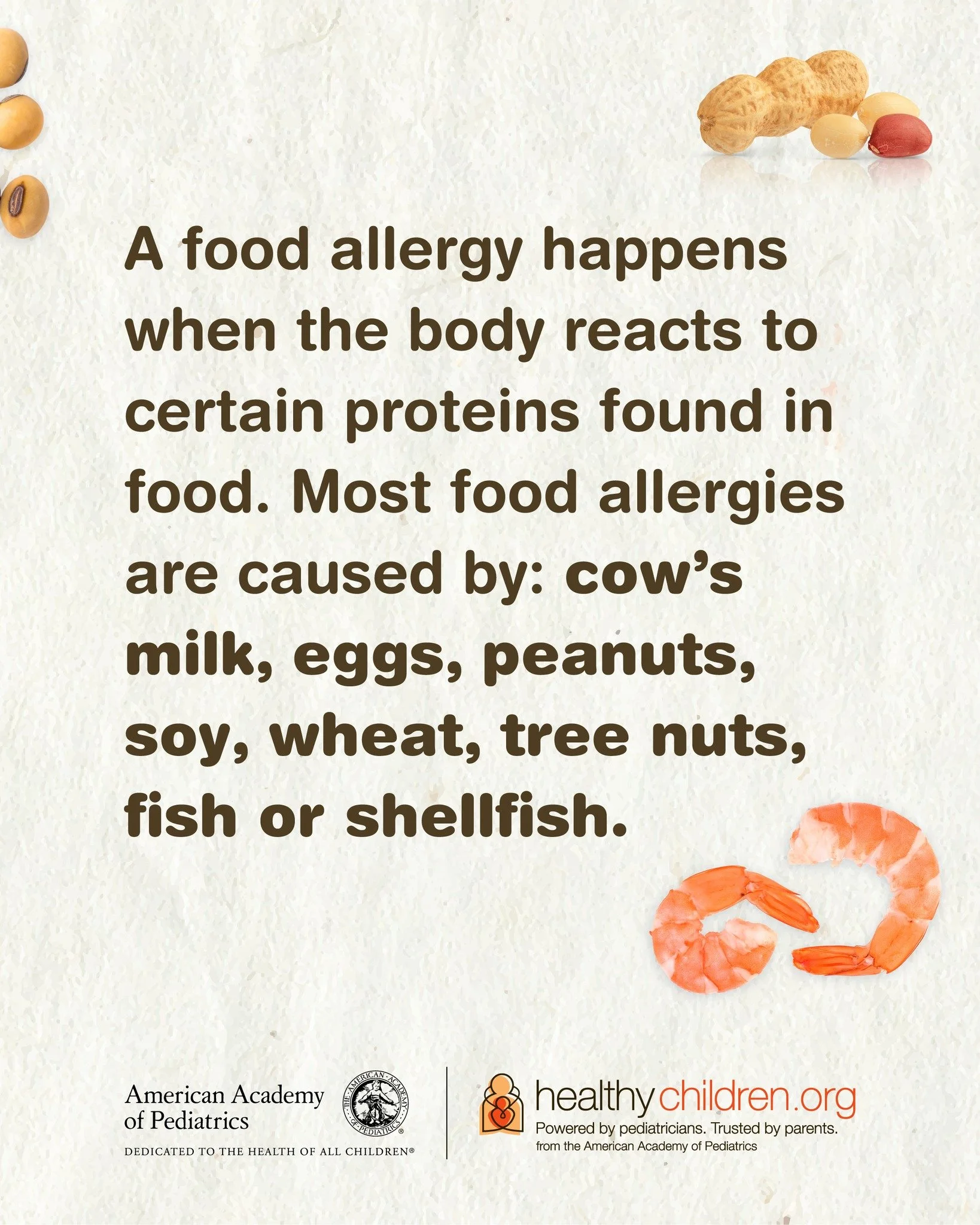
Food allergies happen when the body’s immune system reacts to certain proteins found in food. While they’re most common in babies and children, food allergies can occur at any age — and even mild allergies require careful attention.
At The Children’s Clinic in Jackson, TN, we work with families every day to identify, manage, and treat food allergies in children. Whether you’re navigating a new diagnosis or trying to prevent reactions, understanding the basics can make a world of difference. Here’s what every parent should know.
What Exactly Is a Food Allergy?
A food allergy is an abnormal immune response. The body mistakenly identifies a harmless food protein as a threat and reacts by releasing chemicals such as histamine, which cause symptoms ranging from mild itching to severe anaphylaxis.
It’s different from a food intolerance, which doesn’t involve the immune system. For example, lactose intolerance can cause stomach pain and bloating, but it isn’t life-threatening. A true allergy, however, can cause rapid and serious symptoms that require immediate medical attention.
Even a tiny amount of the allergen — like a few crumbs or trace ingredients — can cause a reaction in sensitive individuals.
Common Food Allergies in Children
According to pediatric allergists, just eight foods cause the majority of allergic reactions in children:
Milk
Eggs
Peanuts
Tree nuts (such as almonds, walnuts, and cashews)
Soy
Wheat
Fish
Shellfish
Among these, milk and egg allergies are most common in babies and toddlers, while peanut and tree nut allergies often last into adulthood. Some children outgrow certain food allergies — particularly milk, egg, soy, and wheat — while others do not.
If you suspect your child may be allergic to one of these foods, your pediatrician can guide you through testing and safe dietary changes.
Recognizing the Signs of a Food Allergy
Food allergies can look different from child to child. Some reactions are mild and happen slowly, while others appear suddenly and escalate quickly.
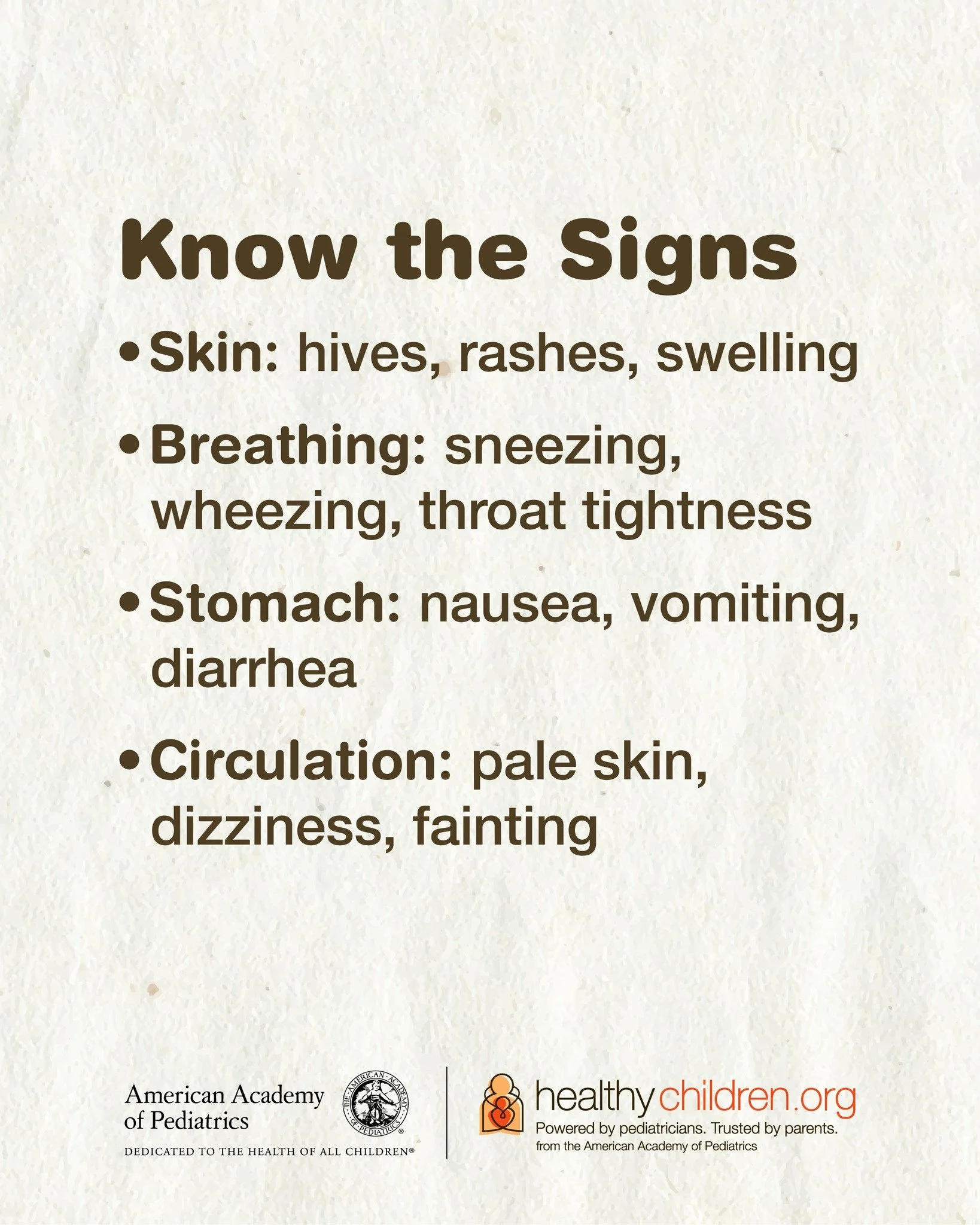
Common mild symptoms include:
Hives or red, itchy skin
Swelling of the lips, face, or eyelids
Itchy or tingling mouth
Stomach pain, vomiting, or diarrhea
Nasal congestion or sneezing
More serious symptoms of anaphylaxis — a life-threatening allergic reaction — can include:
Difficulty breathing or swallowing
Wheezing or shortness of breath
Swelling of the tongue or throat
Dizziness or fainting
A sudden drop in blood pressure
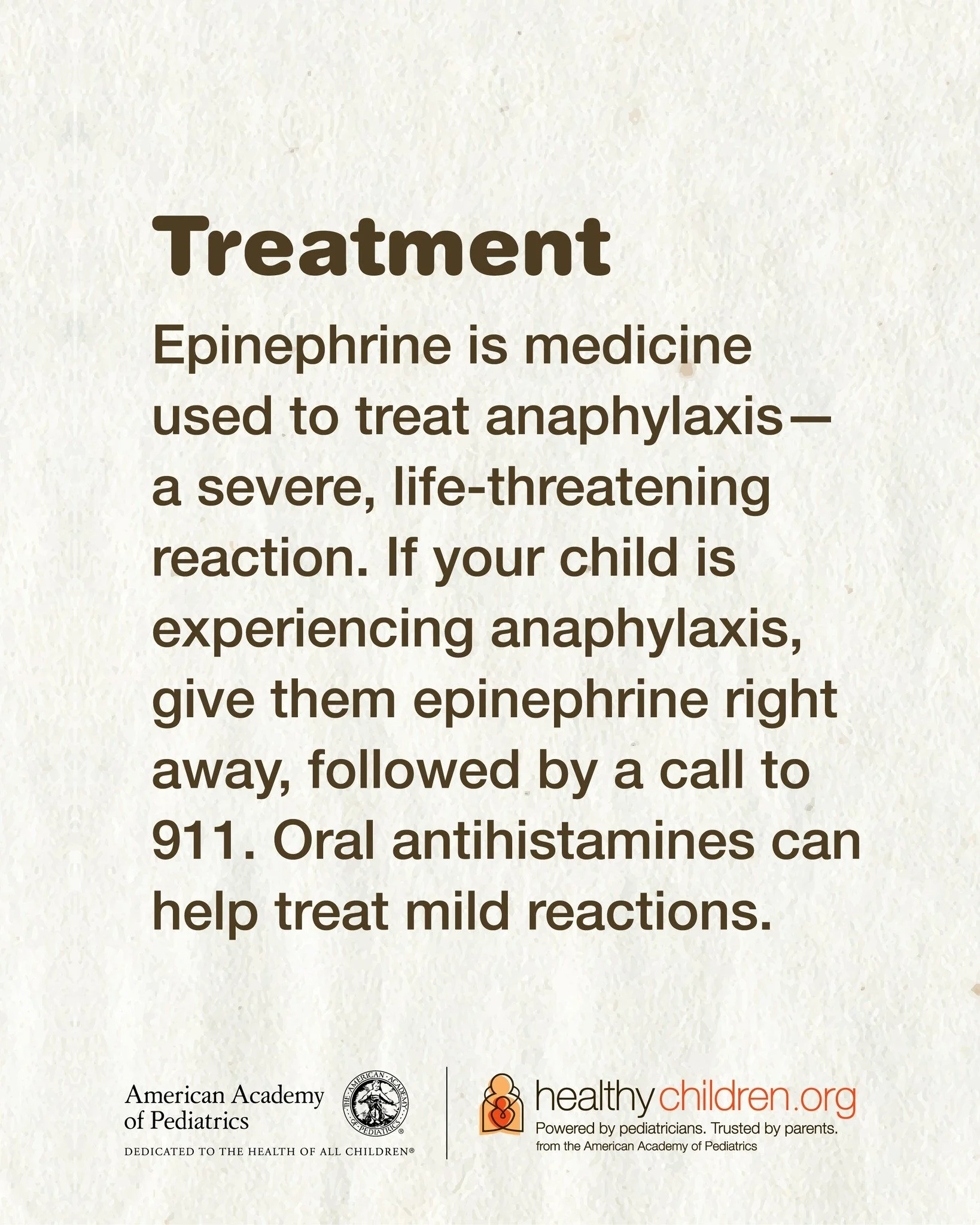
If your child ever shows signs of anaphylaxis, call 911 immediately. Even if symptoms seem to improve after using an epinephrine injector, emergency care is still needed.
How Food Allergies Are Diagnosed
If your child has experienced a reaction to food, your pediatrician may recommend allergy testing to identify the cause. There are several ways to diagnose food allergies:
Skin prick tests involve placing a small drop of the suspected allergen on the skin, then lightly pricking it to see if a reaction occurs.
Blood tests measure antibodies (called IgE) that indicate an allergic response.
Oral food challenges — done under medical supervision — involve giving small, increasing amounts of the suspected food to observe any reactions.
At The Children’s Clinic in Jackson, we’ll walk you through every step of this process, helping you interpret results and create a plan that fits your child’s specific needs.
Treatment Options for Food Allergies
While there’s currently no cure for food allergies, careful management and preparation can help your child live a healthy, normal life.
1. Avoiding the Allergen
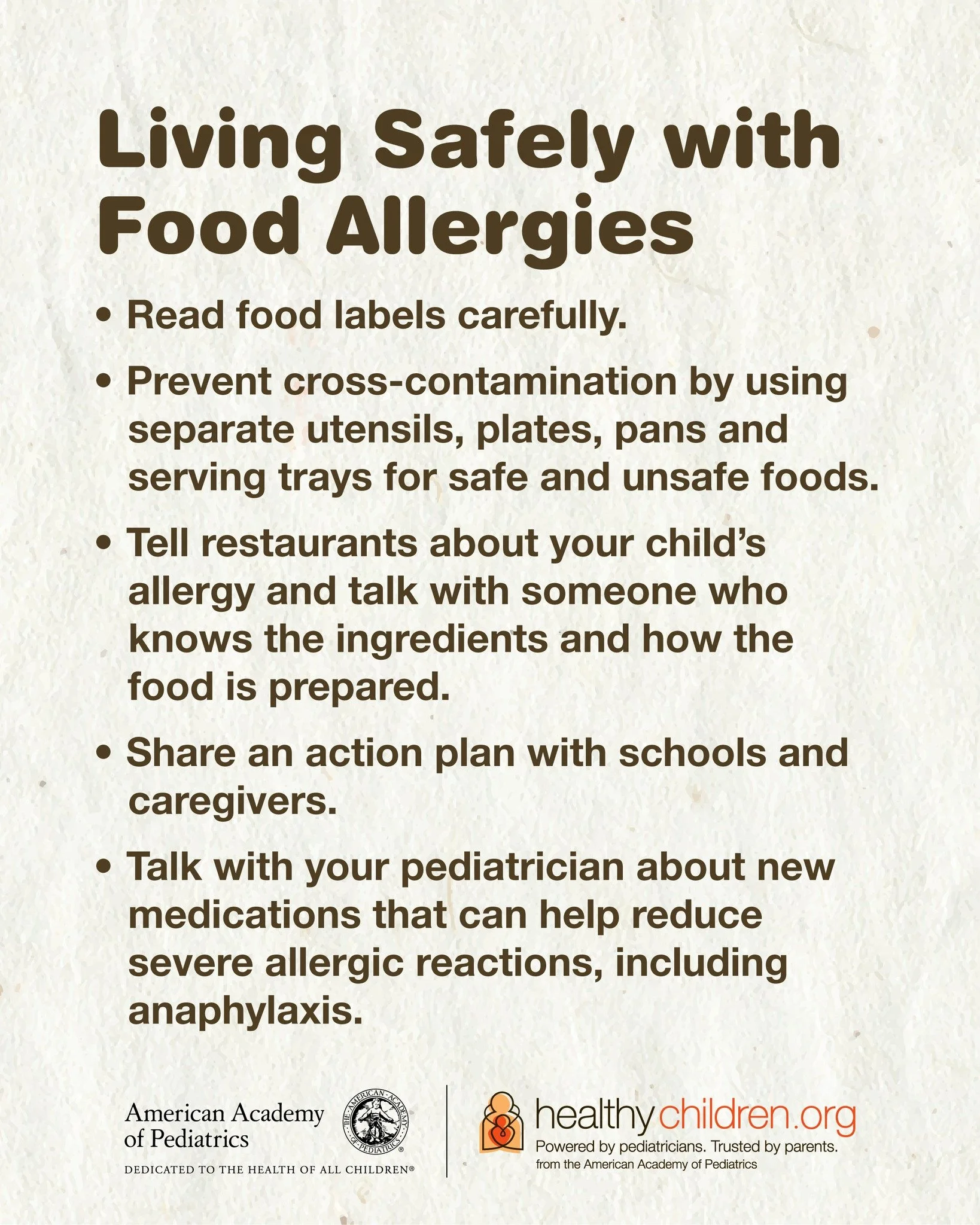
The most important step in managing food allergies is avoiding the food that causes the reaction. This means reading ingredient labels carefully and being aware of cross-contact — when small traces of an allergen accidentally get into another food.
At home, designate separate utensils, cutting boards, or storage containers for allergen-free foods. Schools, daycare centers, and family gatherings should also be informed about your child’s allergy to help avoid accidental exposure.
2. Emergency Preparedness
Every parent of a child with a serious food allergy should have an emergency action plan. This includes knowing how and when to use an epinephrine auto-injector (EpiPen) and making sure caregivers, teachers, and coaches know where it’s kept.
Keep two injectors on hand — one for home and one for school or activities. Teach older children how to recognize their symptoms and speak up if they start feeling unwell.
3. Oral Immunotherapy (OIT)
Some allergists now offer oral immunotherapy, a gradual process of desensitizing a child to an allergen by giving tiny, increasing doses over time. It’s not for everyone, but for certain children, it can reduce the severity of reactions or even help them tolerate small amounts of the food safely.
Your pediatrician can discuss whether this treatment might be right for your child and refer you to a specialist if appropriate.
Living Safely with Food Allergies
Managing food allergies is about more than avoiding certain ingredients — it’s about building a lifestyle that supports your child’s safety and confidence.
Here are some ways parents can help children live safely and comfortably with food allergies:
Teach awareness early. As your child grows, involve them in reading labels and identifying safe foods.
Communicate openly. Talk to teachers, friends’ parents, and coaches about your child’s allergies. Provide written instructions and emergency contacts.
Pack safe snacks. Sending allergy-safe treats to school, birthday parties, or outings helps your child avoid feeling left out.
Create a safe eating space. Keep a designated allergy-free area at home or school to reduce the risk of accidental exposure.
Stay updated. Food labeling laws and allergy research are constantly evolving. Your pediatrician can help you stay informed on the latest guidelines.
At The Children’s Clinic, our goal is to empower parents and kids to navigate food allergies confidently. With the right support system, children can still enjoy mealtimes, school activities, and social events without fear.
When to Call Your Pediatrician
Call your pediatrician if your child has:
A new or unexplained rash after eating
Digestive issues that happen frequently after meals
Persistent coughing or hives that you suspect are related to food
A suspected allergic reaction, even if it was mild
Your pediatrician can help determine whether the reaction was truly allergic, arrange testing, and guide you on next steps for treatment or prevention.
If your child has already been diagnosed with a food allergy, regular check-ins help ensure their care plan stays current — especially as they grow and their nutritional needs change.
Food Allergies vs. Sensitivities: Knowing the Difference
Parents often confuse food allergies with food sensitivities or intolerances. Here’s how to tell them apart:
Food Allergy: Involves the immune system. Even tiny amounts of the allergen can trigger an immediate, sometimes life-threatening reaction.
Food Sensitivity/Intolerance: Involves the digestive system. Reactions are usually delayed and limited to discomfort like bloating or gas.
For example, lactose intolerance (difficulty digesting milk sugar) isn’t the same as a milk allergy (immune response to milk protein). Knowing the difference helps your pediatrician recommend the right tests and treatment.
Can Food Allergies Be Prevented?
This is one of the most common questions parents ask — and the answer is evolving as research grows.
In the past, parents were told to avoid giving allergenic foods like peanuts or eggs to infants. But new studies suggest that early introduction of these foods (around 4–6 months, once your baby is ready for solids) may actually reduce the risk of developing allergies.
Every child is different, so always talk to your pediatrician before introducing new foods. They can help determine what’s safe based on your child’s health and family history.
The Emotional Side of Food Allergies
Food allergies can affect more than just the body — they can also take a toll on emotional health. Kids may feel anxious about eating at friends’ houses or being “different” from classmates.
Parents, too, often carry the weight of worry. It’s normal to feel stressed about keeping your child safe, especially when they’re out of your sight.
Here are a few ways to ease that anxiety:
Join local or online support groups for families managing allergies.
Role-play scenarios with your child to build confidence in speaking up.
Keep communication open with teachers and caregivers.
Celebrate milestones, like trying a new safe food or learning to self-administer medication.
With time and guidance, families can build a sense of normalcy — and children learn that food allergies don’t define them.
Final Thoughts
Food allergies are becoming more common, but with the right knowledge and support, families can manage them successfully. Awareness, preparation, and regular pediatric care are key to helping children live safely and confidently.
At The Children’s Clinic in Jackson, TN, we’re here to help parents navigate every step — from early diagnosis to long-term management. Our pediatricians take the time to listen, answer your questions, and create a care plan that fits your family’s needs.
If you think your child may have a food allergy or you’d like guidance on managing an existing one, give us a call. Together, we can help your child live a healthy, happy, and worry-free life.
📍 The Children’s Clinic
264 Coatsland Drive
Jackson, TN 38301
📞 Phone: 731-423-1500
Serving families in Jackson, Humboldt, Medina, Henderson, and across West Tennessee, The Children’s Clinic provides compassionate, evidence-based care for children of all ages — from newborns to teens.
Your child’s health and safety are always our top priorities. Call today to schedule an appointment or speak with a pediatrician about your child’s food allergies.
