
Understanding Autism: Supporting Every Child’s Journey in Jackson, TN
Autism is a word many parents have heard, yet few truly understand until it touches their lives personally. It’s a complex neurodevelopmental condition that affects how a child experiences the world—how they communicate, interact, and process information. Every child with autism is unique, and so is every family’s journey.
At The Children’s Clinic in Jackson, TN, we believe every child deserves to be understood, supported, and celebrated for who they are. Autism isn’t something to “fix” — it’s something to learn about, embrace, and approach with compassion and knowledge.
This post explores what pediatricians know about autism, why early detection matters, and how families can find support right here in our West Tennessee community.
What Is Autism Spectrum Disorder (ASD)?
Autism Spectrum Disorder (ASD) is a developmental condition that influences how a person communicates, behaves, and interacts with others. The word spectrum is important—it reminds us that autism isn’t one single experience. Some children may have strong verbal skills but struggle socially, while others might communicate in nonverbal ways or need more structured support for daily routines.
Autism can appear early in life, often before age three, though signs sometimes become clearer later on. No two children with autism are the same, and pediatricians focus on understanding each child’s individual strengths and challenges.
What Pediatricians Know About Autism
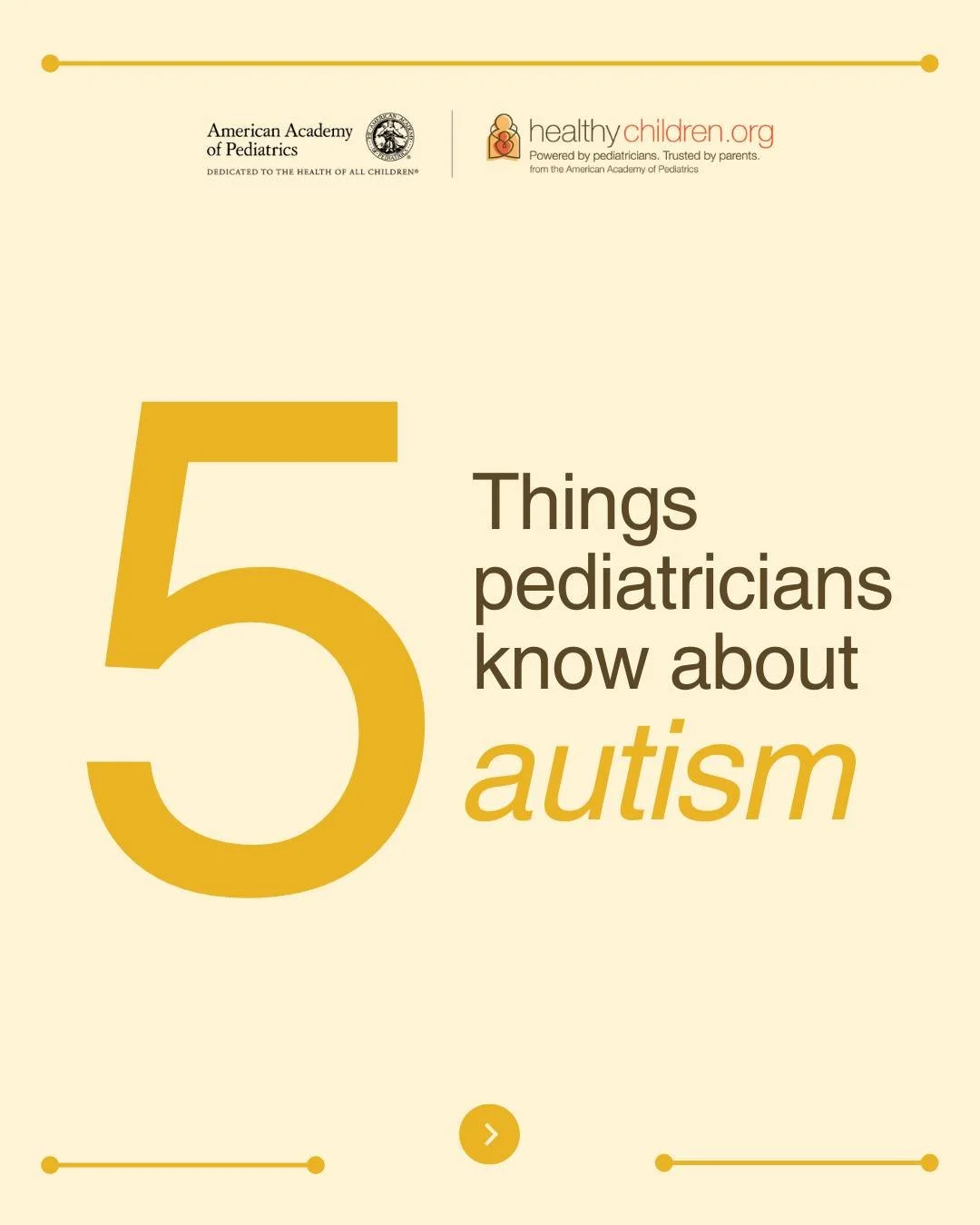
The American Academy of Pediatrics emphasizes that understanding autism starts with compassion and evidence-based care. Here are five key things pediatricians know about autism—and how they guide families through the process.
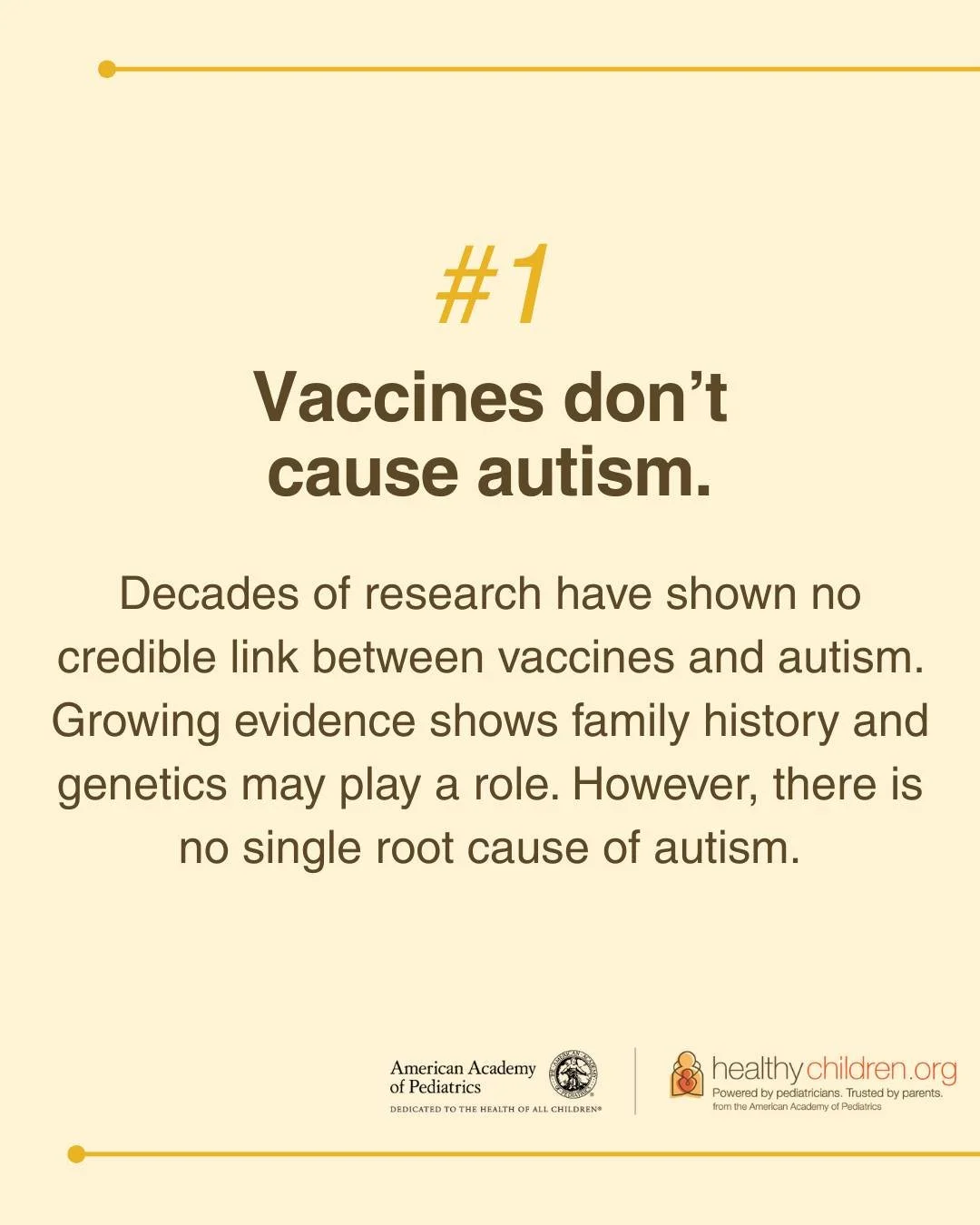
1. Vaccines Don’t Cause Autism
Let’s start with one of the most important facts. Despite years of online misinformation, decades of research have found no credible link between vaccines and autism. The idea that vaccines cause autism began with a single, deeply flawed study that has since been retracted and discredited.
What science has shown is that autism has complex roots. Family history, genetics, and early brain development may play roles, but there’s no single cause. Vaccines, on the other hand, are one of the safest and most effective tools we have to keep children healthy — preventing illnesses that can cause serious harm or lifelong complications.
At The Children’s Clinic, we encourage parents to bring any vaccine concerns to us directly. We’ll take the time to explain what each vaccine does, why it’s recommended, and how it protects both your child and our wider Jackson community.
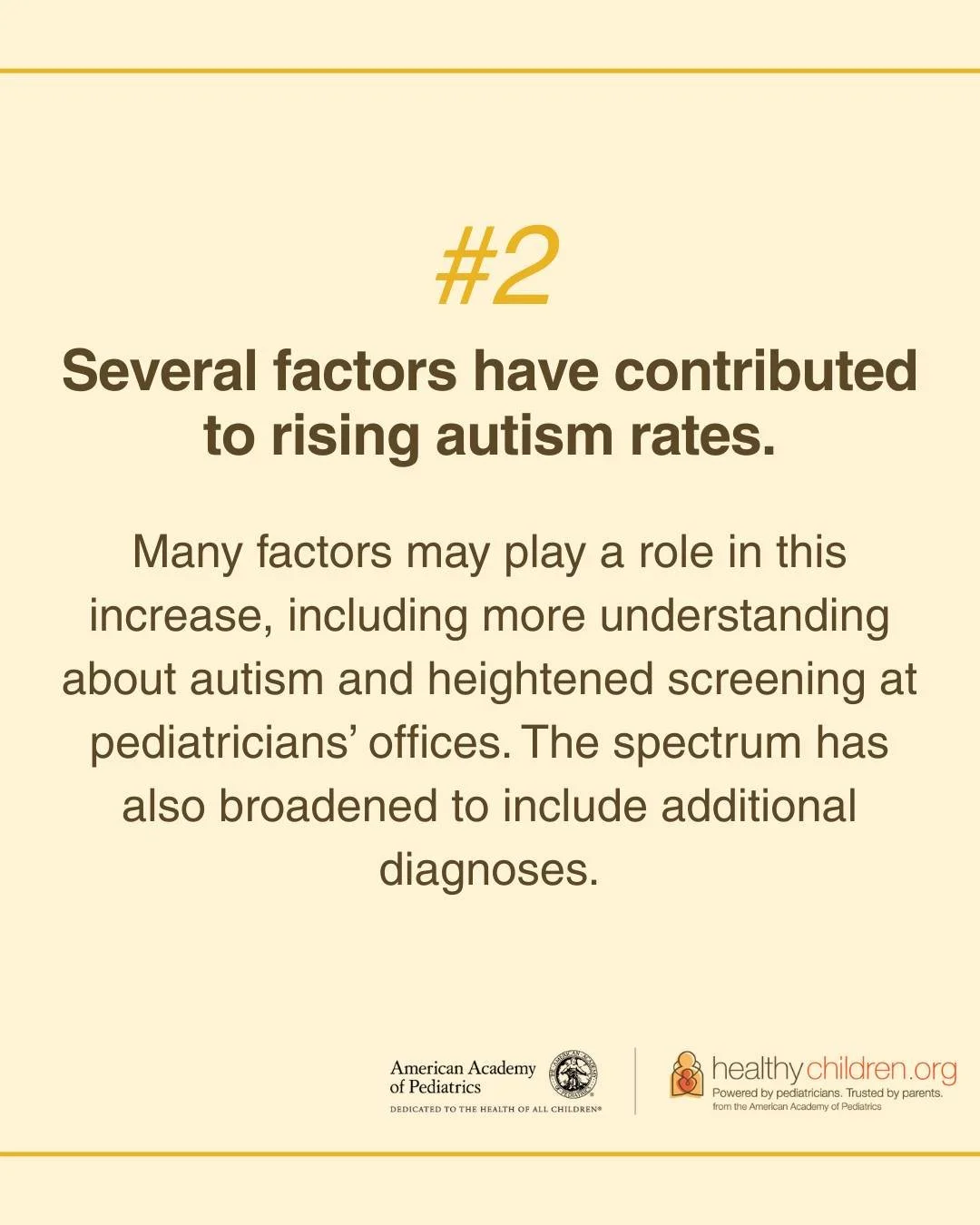
2. The Rise in Autism Diagnoses Reflects Better Awareness and Screening
Over the years, more children have been diagnosed with autism — but that doesn’t necessarily mean more children have it. In fact, the increase in autism rates is largely due to better understanding and improved screening methods.
Pediatricians are now trained to recognize a wider range of autism-related signs. The definition of autism has also broadened to include conditions once considered separate, like Asperger’s syndrome or certain developmental delays.
This broader awareness means more children are being identified early, which opens the door to earlier support and better outcomes.
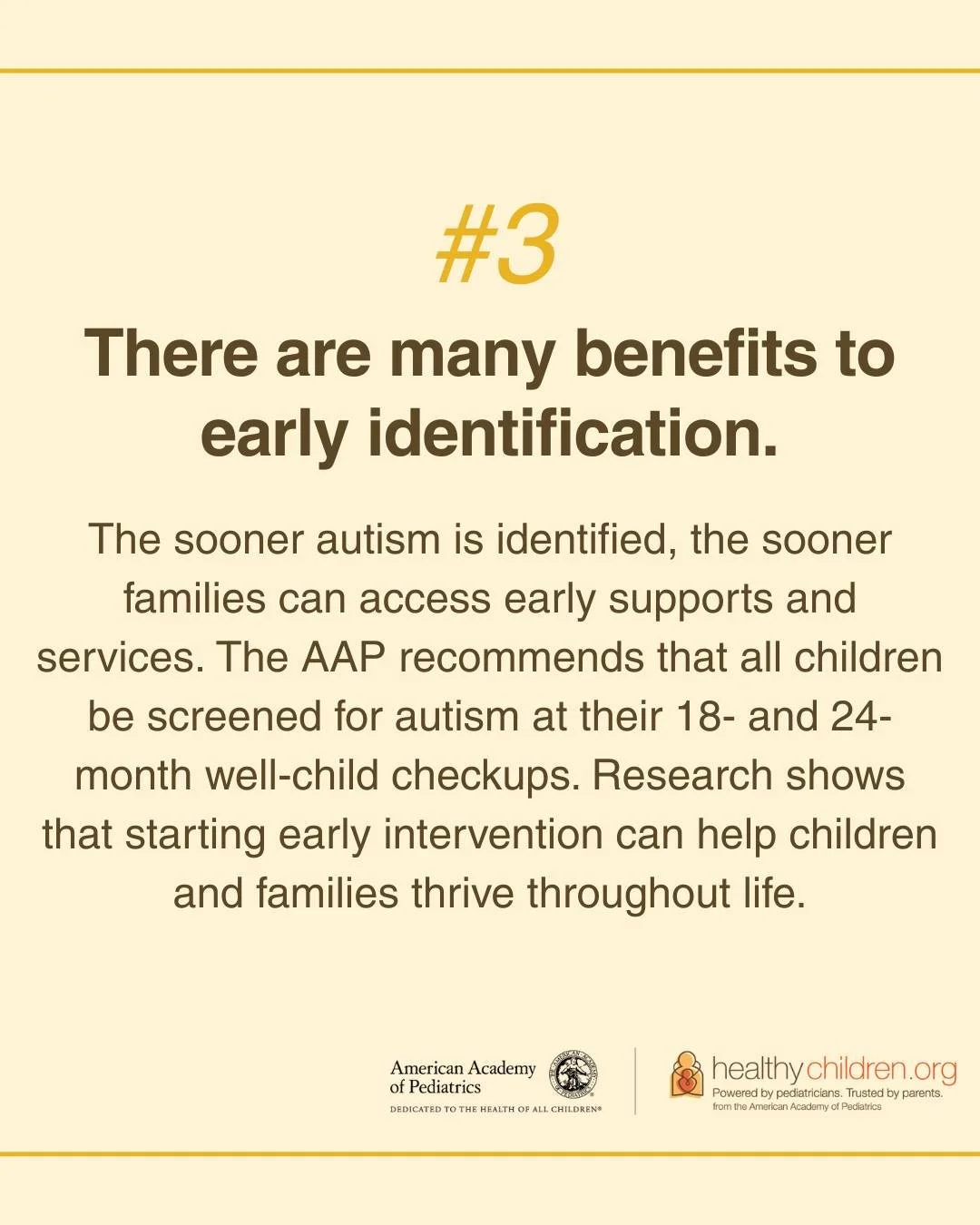
3. Early Identification and Intervention Make a Big Difference
The earlier autism is identified, the sooner families can access therapies and support. That’s why the American Academy of Pediatrics recommends that all children be screened for autism at their 18- and 24-month checkups.
Research shows that early intervention can significantly improve a child’s communication, social, and learning skills. Early therapy doesn’t “cure” autism—it helps children build on their strengths and develop strategies that work for them.
At The Children’s Clinic, we provide developmental screenings during routine checkups and connect families with local specialists when needed. We also help coordinate care with therapists, schools, and community services so that every child has the resources to thrive.
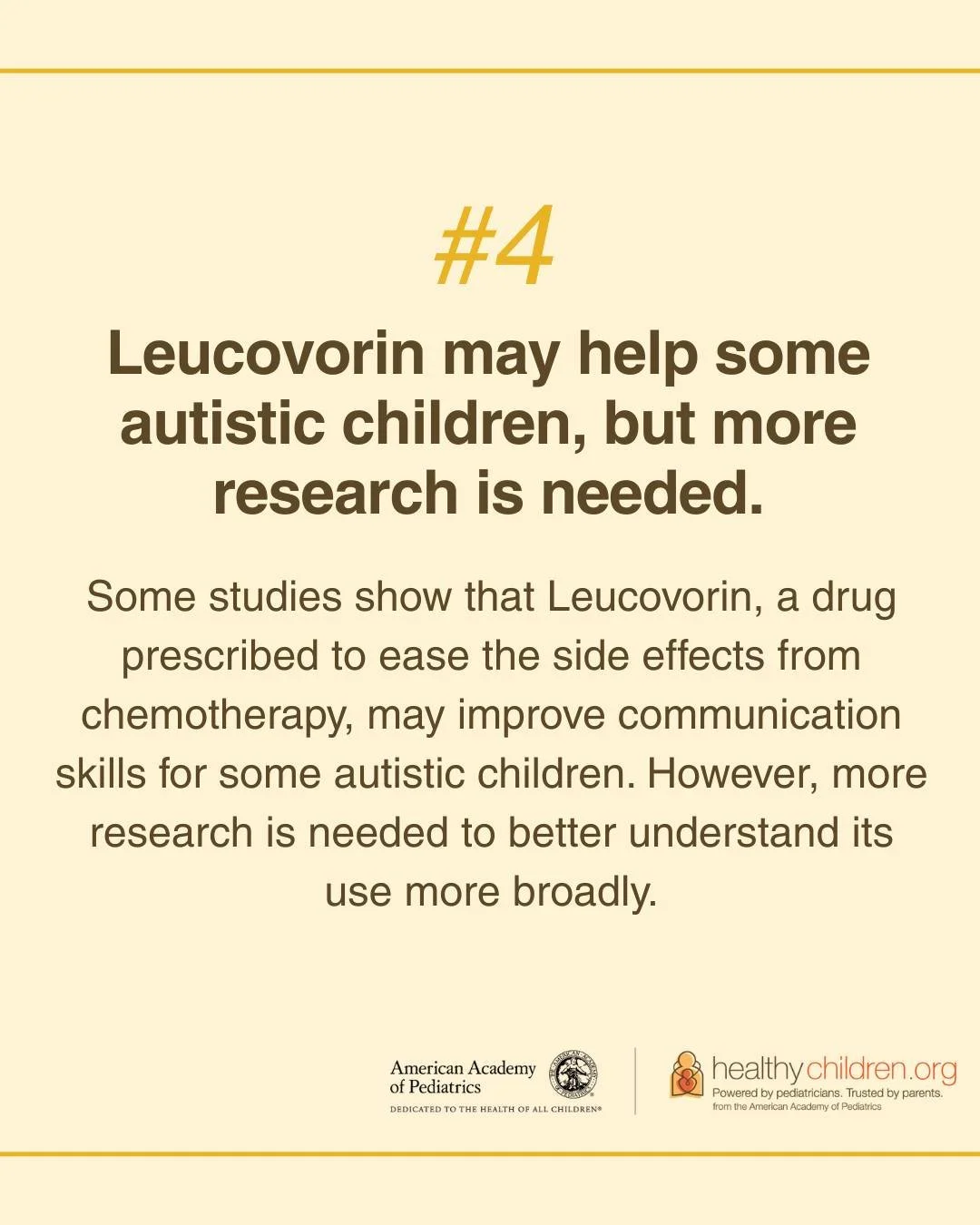
4. Leucovorin May Help Some Autistic Children, but More Research Is Needed
One area of emerging research involves a medication called leucovorin, traditionally used to help patients recover from certain chemotherapy treatments. Some small studies have suggested that leucovorin might improve communication skills in certain autistic children, particularly those with specific folate metabolism issues.
While early findings are promising, pediatricians stress caution—more research is needed before leucovorin can be widely recommended for autism treatment. It’s important for families to always discuss any new or alternative therapies with their child’s pediatrician first.
Our doctors at The Children’s Clinic stay up to date with the latest evidence and are here to help parents evaluate new research with an informed, science-based perspective.
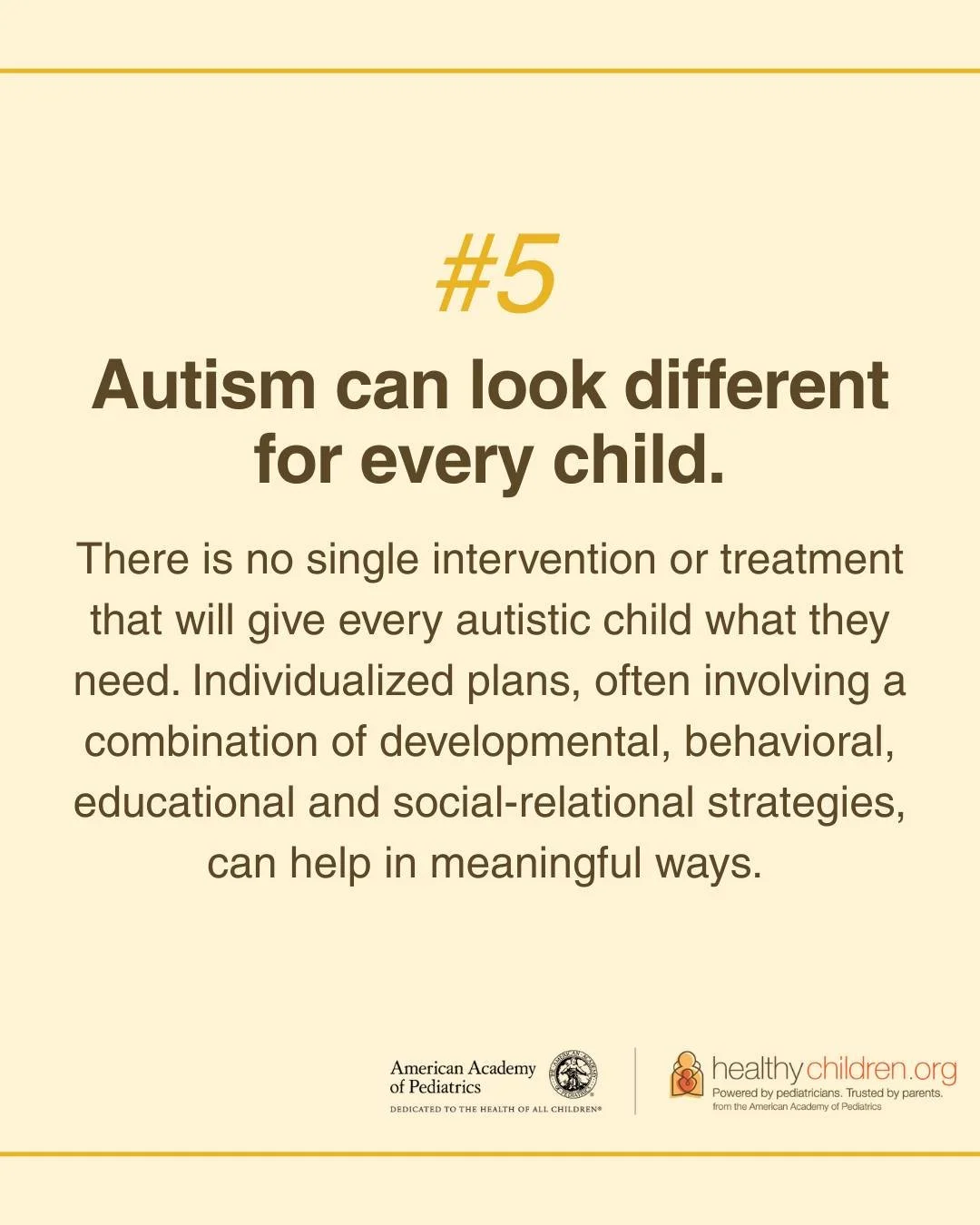
5. Autism Looks Different for Every Child
No two autistic children are alike. Some kids are highly verbal and academically advanced but may struggle with social interactions. Others may find communication more challenging but excel in visual learning, memory, or creative thinking.
There’s no one-size-fits-all plan. Instead, pediatricians and families work together to build individualized care strategies that may include:
Speech therapy for communication and language development
Occupational therapy to support sensory integration and fine motor skills
Behavioral therapy to build life and social skills
Educational support through individualized education plans (IEPs) at school
Community resources that promote inclusion and connection
Here in Jackson and across West Tennessee, families can find supportive networks—from early intervention programs to autism-friendly events and services.
What Causes Autism?
While research continues, scientists agree that there’s no single cause of autism. Instead, it seems to result from a combination of factors, including:
Genetic influences: Certain genes increase the likelihood of autism.
Prenatal factors: Some pregnancy complications or exposures may play a role.
Brain development: Differences in early brain growth patterns may contribute.
The most important takeaway? Parents don’t cause autism. Autism is not the result of parenting style, diet, or anything a family did or didn’t do. It’s a neurodevelopmental difference—one that’s part of the diversity of the human experience.
Autism in Everyday Life
Families raising autistic children often describe the experience as both challenging and deeply rewarding. There may be struggles with routines, sensory sensitivities, or communication, but there are also extraordinary moments of growth and connection.
Autistic children bring unique perspectives, talents, and passions to their families, schools, and communities. They may notice details others overlook, think creatively, or approach problems in innovative ways.
As one local parent recently shared, “When we stopped trying to make our son fit into the world and instead started building a world that fit him, everything changed.”
The Role of Pediatricians
Pediatricians are often the first to notice early signs of autism, but their role doesn’t stop at diagnosis. They’re long-term partners—helping families find therapies, navigate school systems, and celebrate progress along the way.
At The Children’s Clinic, our pediatricians take time to know each child personally. We provide evidence-based care while encouraging families to ask questions, express concerns, and share successes. We also connect parents to local specialists when additional evaluations or therapies are needed.
We understand that every family’s journey with autism looks different, and we’re honored to walk alongside you every step of the way.
Supporting Children Beyond Diagnosis
Receiving an autism diagnosis can bring mixed emotions—relief, fear, confusion, or even guilt. These feelings are normal. What matters most is knowing that help and hope are available.
Support can come in many forms:
Parent training programs to help families understand autism and build skills.
Local support groups where parents can connect and share experiences.
School-based services to provide individualized learning accommodations.
At The Children’s Clinic, we also emphasize celebrating strengths. Autism is not just about challenges—it’s about helping each child discover what makes them special and helping families see the joy in each new milestone.
Building a More Inclusive Community
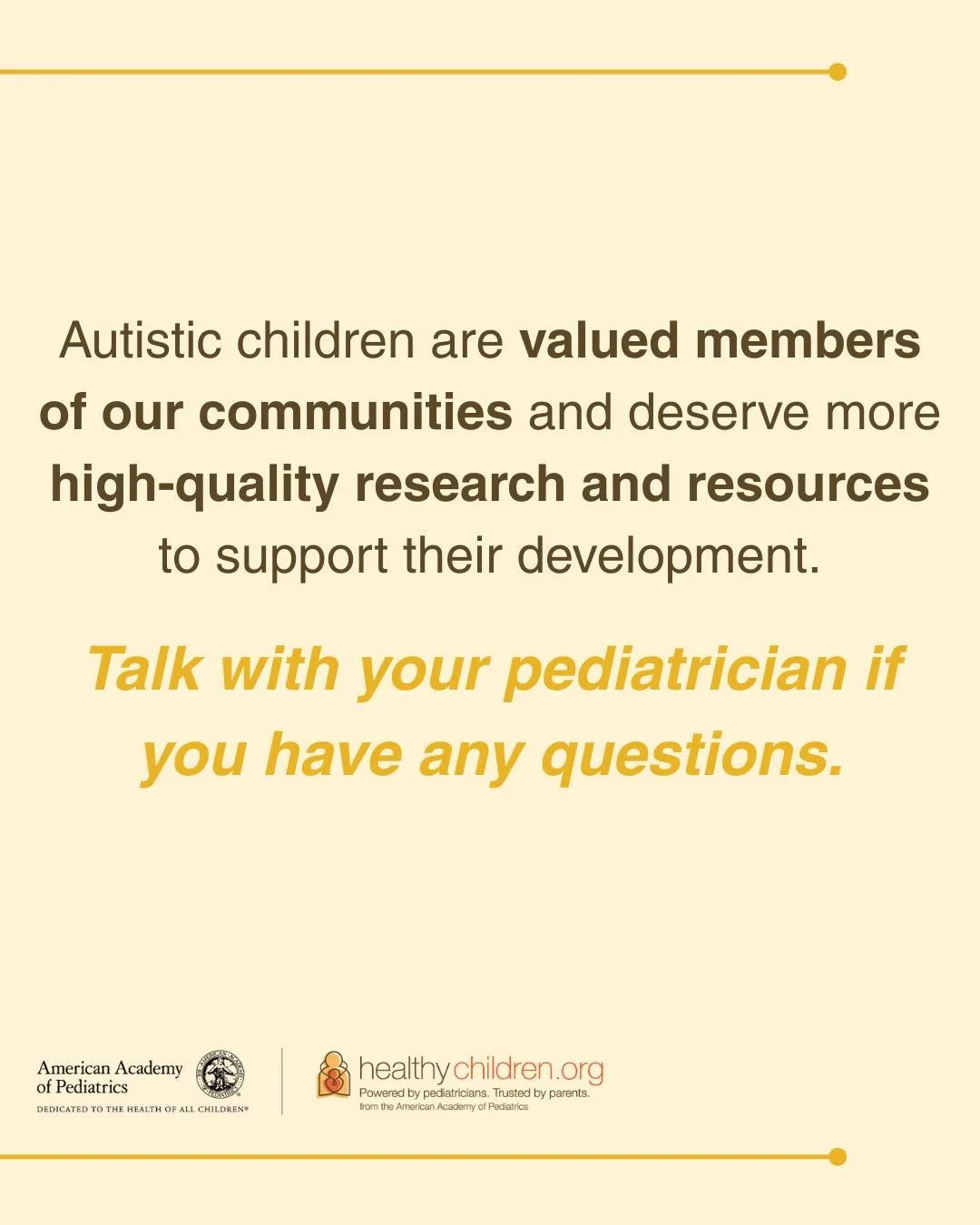
Autistic children are valued members of our communities. They deserve not just acceptance but inclusion—opportunities to participate fully in school, play, and community life.
Here in Jackson, TN, we’re proud to see schools, churches, and local organizations creating more sensory-friendly spaces and inclusive programs. These efforts help autistic children feel seen, supported, and loved—because they belong here, just like every other child.
Final Thoughts
Autism is a journey of learning—for families, for pediatricians, and for entire communities. While there’s still much to discover about its causes and treatments, one thing is clear: every autistic child is worthy of love, understanding, and opportunity.
At The Children’s Clinic in Jackson, TN, our team is committed to supporting children and families with compassion and evidence-based care. Whether you’re navigating an early diagnosis, exploring therapy options, or simply seeking reassurance, we’re here to help guide you with knowledge and empathy.
If you have questions about autism, developmental milestones, or early screenings, we invite you to reach out. Together, we can help your child grow, thrive, and feel fully supported in every way.
📍 The Children’s Clinic
264 Coatsland Drive
Jackson, TN 38301
📞 Phone: 731-423-1500
Serving families in Jackson, Humboldt, Medina, Henderson, and across West Tennessee, The Children’s Clinic provides compassionate pediatric care rooted in trust, evidence, and community connection.
Learn more about autism and early intervention by speaking with your child’s pediatrician today.
