
Understanding the ByHeart Infant Formula Recall: What Parents in Jackson, TN Need to Know About Infant Botulism
As parents, we all want to make choices that keep our babies safe and healthy — especially when it comes to something as vital as how they’re fed. Recently, the FDA and CDC have been investigating cases of infant botulism potentially linked to ByHeart infant formula, which has led to a nationwide recall. Understandably, this news has left many families concerned and uncertain about what to do next.
At The Children’s Clinic in Jackson, TN, our pediatric team is here to help families navigate this situation with clarity and reassurance. Let’s walk through what this recall means, what signs to watch for, and how to make sure your baby’s formula remains safe.
What Happened with the ByHeart Recall
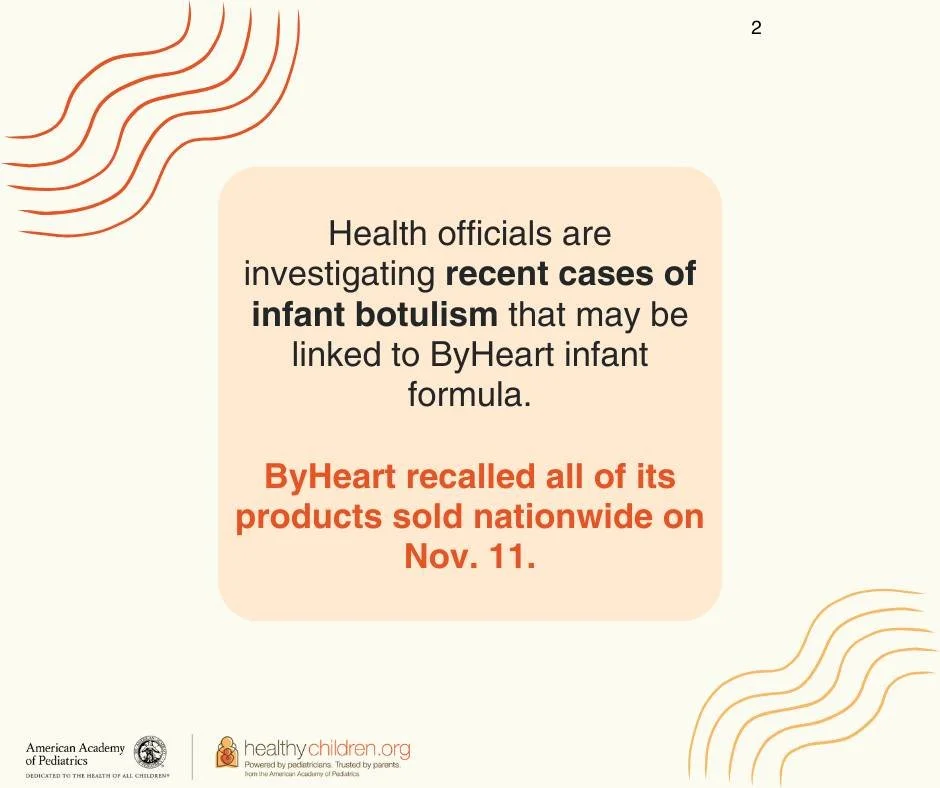
In November, ByHeart issued a voluntary recall of all its infant formula products sold nationwide after federal health officials began investigating several recent cases of infant botulism. Although only a small number of the reported cases have been linked to ByHeart products, the company and federal agencies acted quickly out of caution to protect families.
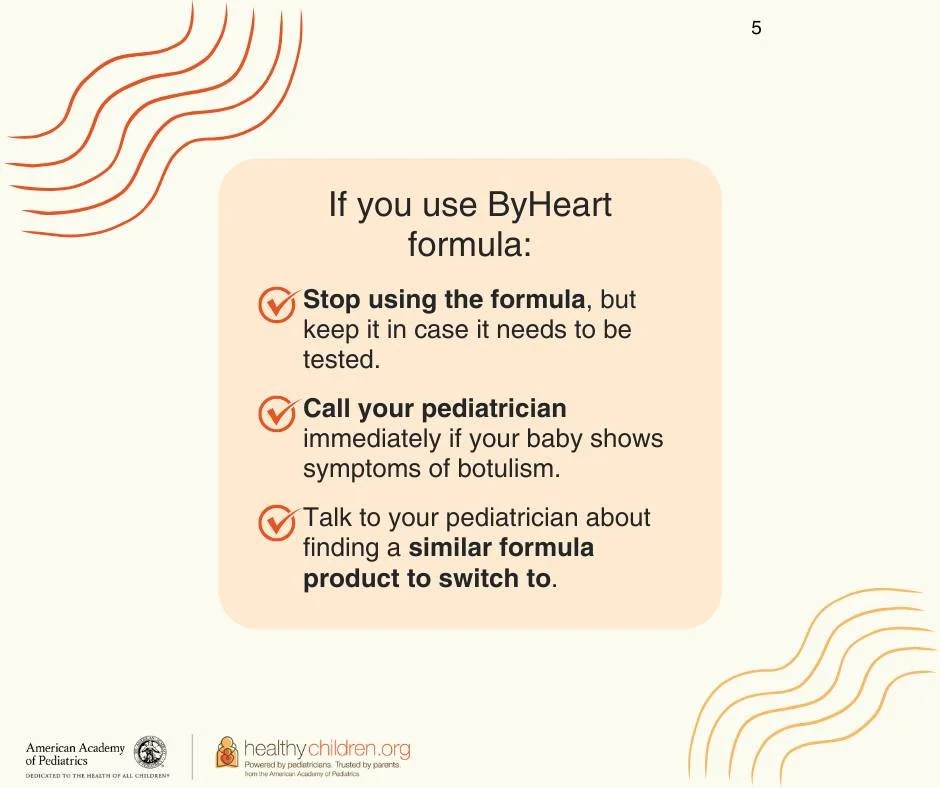
The recall affects all formula cans manufactured and distributed under the ByHeart brand. If you have ByHeart formula at home, stop using it immediately, but keep the can in case it needs to be tested later.
If your baby has consumed ByHeart formula recently, it’s important to monitor for symptoms of infant botulism — though it’s also important to remember that the vast majority of formula-fed infants remain perfectly healthy.
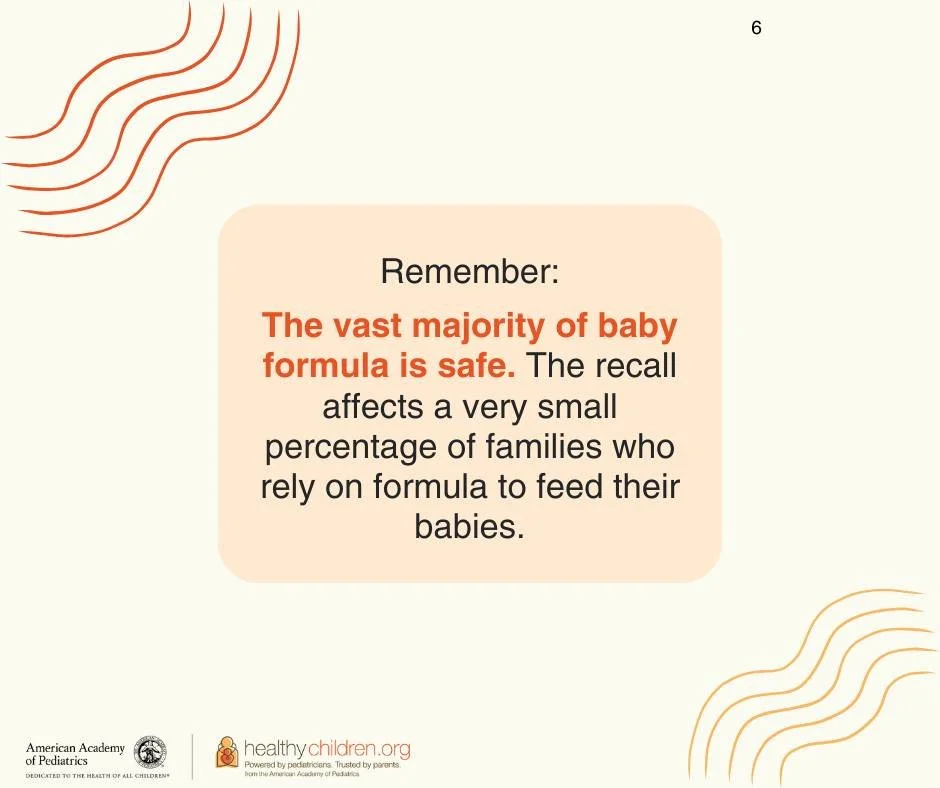
This recall affects a small portion of families, and most formula products on store shelves remain safe and reliable.
What Is Infant Botulism?
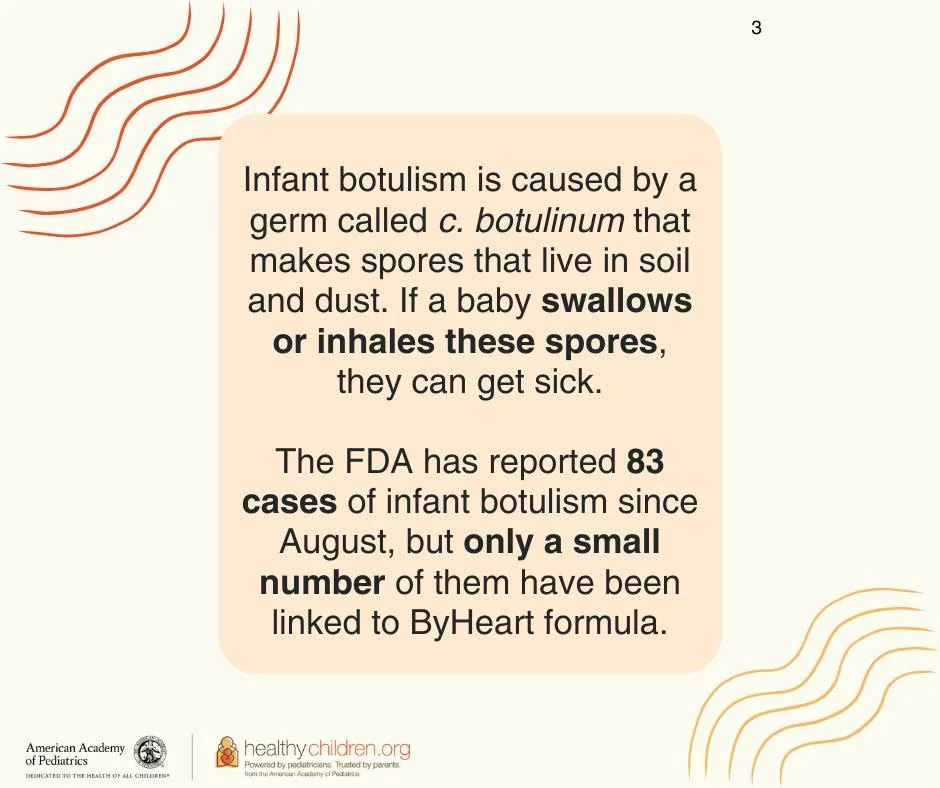
Infant botulism is a rare but serious condition caused by a germ called Clostridium botulinum. This bacterium produces spores that can live in soil, dust, and even on surfaces in the environment. When these spores are swallowed or inhaled, they can release a toxin that affects the nervous system.
In babies under 12 months old — whose digestive systems are still developing — these spores can multiply in the intestines and produce toxins that interfere with nerve signals. That’s what causes the muscle weakness and feeding difficulties that are hallmarks of the illness.
While infant botulism is rare, it requires careful monitoring and prompt medical attention when symptoms appear.
How Does Infant Botulism Happen?
The bacteria that cause infant botulism are naturally present in the environment, especially in soil, dust, and certain foods. Most people encounter them daily without getting sick, but infants are more vulnerable because their intestinal systems aren’t fully mature.
A few key ways exposure can happen include:
Environmental dust or dirt: Spores can be present in soil or carried through the air, especially in rural or agricultural areas.
Honey: This is a known risk for infants under one year old, which is why honey should never be given to babies younger than 12 months.
Contaminated formula or food: This is what health officials are investigating in relation to the ByHeart recall, though the connection is not yet fully confirmed.
Even though the FDA has reported around 83 cases of infant botulism since August, only a small fraction of these have been linked to ByHeart products. Still, it’s better to stay informed and prepared.
Symptoms of Infant Botulism
Because infant botulism affects the nervous system, it often causes symptoms that look like muscle weakness or fatigue. The signs can develop slowly over several days, so it’s important for parents and caregivers to watch carefully.
Common symptoms include:
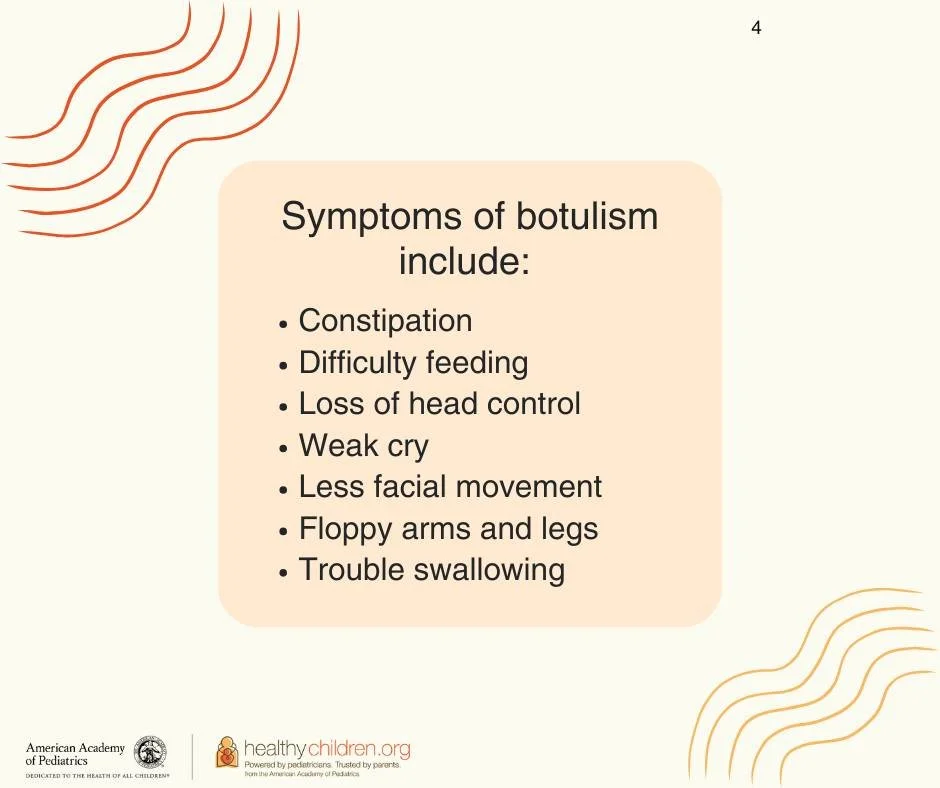
Constipation (often the first sign)
Difficulty feeding or sucking
Weak cry
Floppy arms and legs
Loss of head control
Less facial movement or expression
Trouble swallowing or excessive drooling
Unusual fatigue or sleepiness
If your baby shows any of these symptoms — even mildly — call your pediatrician immediately. Early medical attention can make a major difference in recovery and outcome.
What To Do If You Have ByHeart Formula at Home
If your family has used ByHeart infant formula recently, here’s what health officials and pediatric experts recommend:
1. Stop using the formula immediately.
Do not continue feeding your baby from the recalled formula, even if they seem fine. However, don’t throw the can away — keep it sealed in a safe place in case it’s needed for testing later by the manufacturer or health officials.
2. Monitor your baby closely.
Watch for any of the symptoms listed above, including constipation, trouble feeding, or muscle weakness. Trust your instincts — if something feels off, it’s always worth calling your pediatrician.
3. Call your pediatrician right away if you have concerns.
If you notice any signs of illness, or if you simply want peace of mind, contact your doctor’s office immediately. The pediatric team can assess your baby’s condition, arrange for testing, and guide you through next steps if medical care is needed.
4. Switch to another formula safely.
Not all formulas are created exactly the same, but your pediatrician can help you choose an alternative that’s nutritionally comparable to ByHeart and gentle on your baby’s stomach. Always introduce new formula gradually to minimize digestive upset.
How Infant Botulism Is Treated
If diagnosed early, infant botulism can be treated effectively with specialized medical care. The standard treatment is a medication called BabyBIG® (Botulism Immune Globulin Intravenous) — a safe and highly effective therapy that neutralizes the botulinum toxin in the body.
Most infants treated promptly recover completely, though some may need short-term hospital care to help with feeding or breathing. The key is early recognition and immediate medical attention.
At The Children’s Clinic, our physicians coordinate with local hospitals and specialists to ensure your baby receives the best possible care, should treatment ever be necessary.
Understanding the Recall: What Parents Should Know
Recalls can be alarming, but they are also an important sign that safety systems are working as intended. When companies like ByHeart or agencies such as the FDA identify a potential risk, recalling the product is the right and responsible step to prevent harm.
It’s worth emphasizing that:
The recall is precautionary. Most formula products, including the majority of ByHeart cans sold, have not been directly linked to illness.
The vast majority of baby formula on the market is safe. Formula production is tightly regulated in the United States.
You are not alone. If you’re unsure whether your formula is affected, your pediatrician can help you verify batch numbers and identify safe alternatives.
Frequently Asked Questions from Parents
Is it safe to use other brands of formula?
Yes. Most baby formula on the market — from store brands to national labels — remains completely safe. The recall applies only to ByHeart products distributed before November 11.
How do I know if my can of formula is recalled?
You can check the ByHeart website or contact the company directly. You’ll need the lot number printed on the bottom of your formula can. If you’re unsure, bring the can to your pediatrician’s office, and our team can help confirm.
Can infant botulism spread between babies?
No. Infant botulism is not contagious. It develops inside the intestines when spores grow and release toxin, so one child cannot “give” it to another.
Should I sterilize bottles and nipples differently?
It’s always a good idea to wash and sterilize bottles, nipples, and formula scoops regularly. Use hot, soapy water and rinse thoroughly. While this doesn’t eliminate spores in contaminated formula, it helps reduce general bacterial exposure.
What should I feed my baby if I can’t find formula right away?
Do not attempt to make homemade formula or dilute formula with extra water. If you’re unable to find an immediate replacement, contact your pediatrician or local health department for safe alternatives and resources.
Reassurance for Parents
It’s understandable to feel uneasy when you see headlines about formula recalls or illnesses that affect infants. But it’s important to remember that cases like this are extremely rare, and health officials act swiftly to contain potential risks.
Most families who rely on formula can continue doing so with full confidence. Manufacturers, pediatricians, and public health agencies work together every day to ensure that infant nutrition products remain safe, regulated, and trustworthy.
If your baby is feeding well, alert, and showing no signs of illness, there’s no reason to panic. Simply verify your formula’s safety, keep an eye on your infant, and stay in touch with your pediatrician for reassurance.
Prevention Tips for Parents
You can take a few simple precautions to reduce your baby’s risk of exposure to C. botulinum spores:
Avoid feeding honey to babies under 12 months old.
Keep feeding equipment clean by washing bottles and nipples thoroughly after each use.
Use formula according to label instructions, and discard any leftover formula after feeding.
Store formula properly — tightly sealed in a cool, dry place.
Talk to your pediatrician regularly about your baby’s feeding and digestive patterns.
These small habits go a long way toward keeping your baby safe and healthy.
When to Seek Immediate Medical Care
If your baby has consumed ByHeart formula and begins showing symptoms such as:
Persistent constipation
Difficulty feeding or swallowing
Weak or floppy arms and legs
Lethargy or excessive sleepiness
Trouble breathing
Call your pediatrician immediately or go to the nearest emergency room. The earlier treatment begins, the better the chances for a quick recovery.
Final Thoughts
Parenting in today’s world means staying alert to the latest news and recalls, but it also means finding balance — not letting fear take over when information spreads fast.
The ByHeart recall serves as an important reminder of why transparency and vigilance matter in the baby formula industry, but it’s equally important to know that these safety measures are working. Most baby formulas remain completely safe, and the steps being taken by federal health agencies show that potential issues are being caught early.
At The Children’s Clinic in Jackson, TN, we’re here to help families feel informed, supported, and confident. Whether you have questions about the recall, need to verify your formula, or want guidance on switching brands, our team is ready to assist.
Your child’s safety is our highest priority — and that includes peace of mind for parents.
📍 The Children’s Clinic
264 Coatsland Drive
Jackson, TN 38301
📞 Phone: 731-423-1500
Serving families throughout Jackson, Humboldt, Medina, Henderson, and West Tennessee, The Children’s Clinic offers compassionate pediatric care for every stage of childhood — from newborn wellness and vaccinations to feeding guidance and developmental checkups.
If you have questions about your baby’s formula or need personalized advice about the ByHeart recall, please don’t hesitate to reach out. Our doctors are always here to help you make informed, confident choices for your family.
