
Why the Chickenpox Vaccine Still Matters: Protecting Kids and Communities in Jackson, TN
There was a time when getting chickenpox felt like a childhood “rite of passage.” Many parents today remember those itchy red spots, oatmeal baths, and long weeks spent at home missing school. But what used to be inevitable is now almost entirely preventable — thanks to the varicella vaccine.
At The Children’s Clinic in Jackson, TN, we often hear parents say, “I had chickenpox as a kid, and I turned out fine.” That’s true for many people, but what’s often forgotten is that chickenpox isn’t always mild — and it can lead to serious complications, especially for babies, teens, adults, and anyone with a weakened immune system.
Because of vaccines, chickenpox (also known as varicella) has become rare in the United States. But it hasn’t disappeared. Understanding how the vaccine works — and why it’s so important — helps keep our children and communities healthy for generations to come.
What Is Chickenpox?
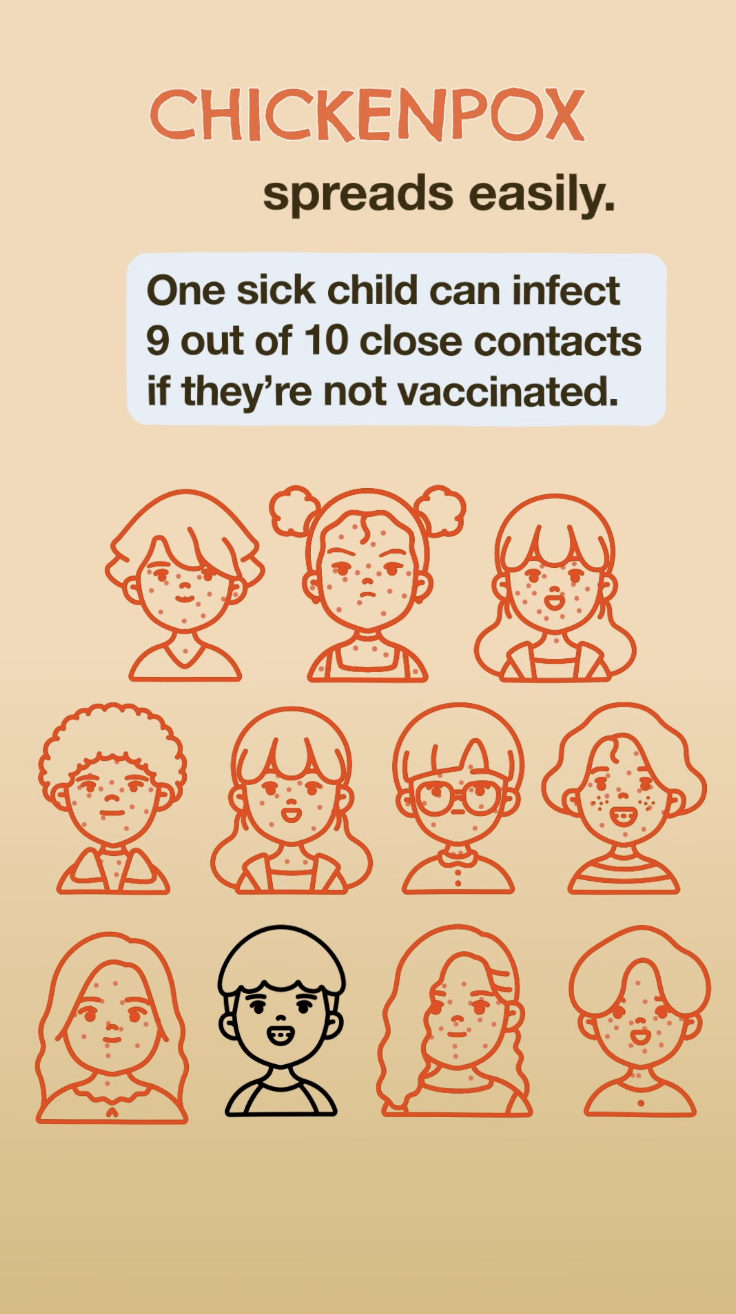
Chickenpox is a contagious disease caused by the varicella-zoster virus. It spreads easily from person to person through coughing, sneezing, or touching an infected person’s blisters. Before the vaccine was available, nearly every child in America caught chickenpox at some point, often leading to large outbreaks in schools and neighborhoods.
Symptoms typically include:
Itchy red spots or blisters that appear in waves
Fever, tiredness, and irritability
Loss of appetite
Headache and body aches
While most cases clear up after about a week, some children develop complications such as skin infections, pneumonia, or swelling in the brain (encephalitis). In rare cases, chickenpox can even be life-threatening.
Before the varicella vaccine was introduced in 1995, chickenpox caused about 4 million cases, 10,000 hospitalizations, and 100 deaths each year in the U.S. Today, those numbers have dropped dramatically — all thanks to vaccination.
How the Varicella Vaccine Works
The varicella vaccine contains a weakened form of the virus. This tiny, harmless dose teaches your child’s immune system how to recognize and fight off the real thing if they’re ever exposed.
By training the immune system early, the vaccine provides long-lasting protection against chickenpox — without your child ever having to suffer through it.
Most children need two doses for full immunity:
The first dose is given at 12–15 months of age.
The second dose is given at 4–6 years of age.
This schedule aligns with other childhood immunizations, making it easy to stay up to date. If your child missed a dose or hasn’t received the vaccine yet, your pediatrician can help get them caught up safely.
Why Two Doses Are Important
Some parents wonder why the chickenpox vaccine isn’t a “one and done” shot. The answer lies in how the immune system builds memory.
The first dose helps your child’s immune system recognize the virus. The second dose strengthens that memory and ensures long-term protection.
According to the Centers for Disease Control and Prevention (CDC), one dose of the varicella vaccine is about 85% effective, while two doses increase effectiveness to 98%. That’s a big difference — and it’s the reason public health experts recommend both doses for every child.
Is the Vaccine Safe?
Yes — the varicella vaccine is very safe. It’s been used in the U.S. for nearly three decades and has been administered to millions of children with an excellent safety record.
The most common side effects are mild and temporary, such as:
Soreness or redness where the shot was given
A mild rash (a few small bumps)
Slight fever or tiredness
Serious reactions are extremely rare, and the benefits of vaccination far outweigh any risks. The vaccine has helped prevent millions of cases of chickenpox and saved countless families from unnecessary illness, medical bills, and missed school or workdays.
At The Children’s Clinic, our pediatricians always review your child’s medical history and current health before administering any vaccine. If your child has allergies, a weakened immune system, or other special circumstances, we’ll create a plan tailored specifically to their needs.
What Happens If My Child Doesn’t Get Vaccinated?
Skipping the varicella vaccine means your child is at risk of catching chickenpox — and spreading it to others. Because the virus is highly contagious, one infected person can quickly cause an outbreak in a school, daycare, or neighborhood.
For most children, chickenpox causes an uncomfortable week of fever and itching. But for others, especially babies, teens, pregnant women, or people with weakened immune systems, it can lead to serious health problems.
Possible complications include:
Bacterial skin infections from scratching
Pneumonia
Encephalitis (brain inflammation)
Dehydration from high fever and loss of appetite
Even after recovery, the varicella-zoster virus doesn’t completely leave the body — it hides in nerve cells and can reactivate years later as shingles, a painful rash that often affects adults.
Getting vaccinated protects your child now and helps prevent shingles later in life.
Protecting Your Community
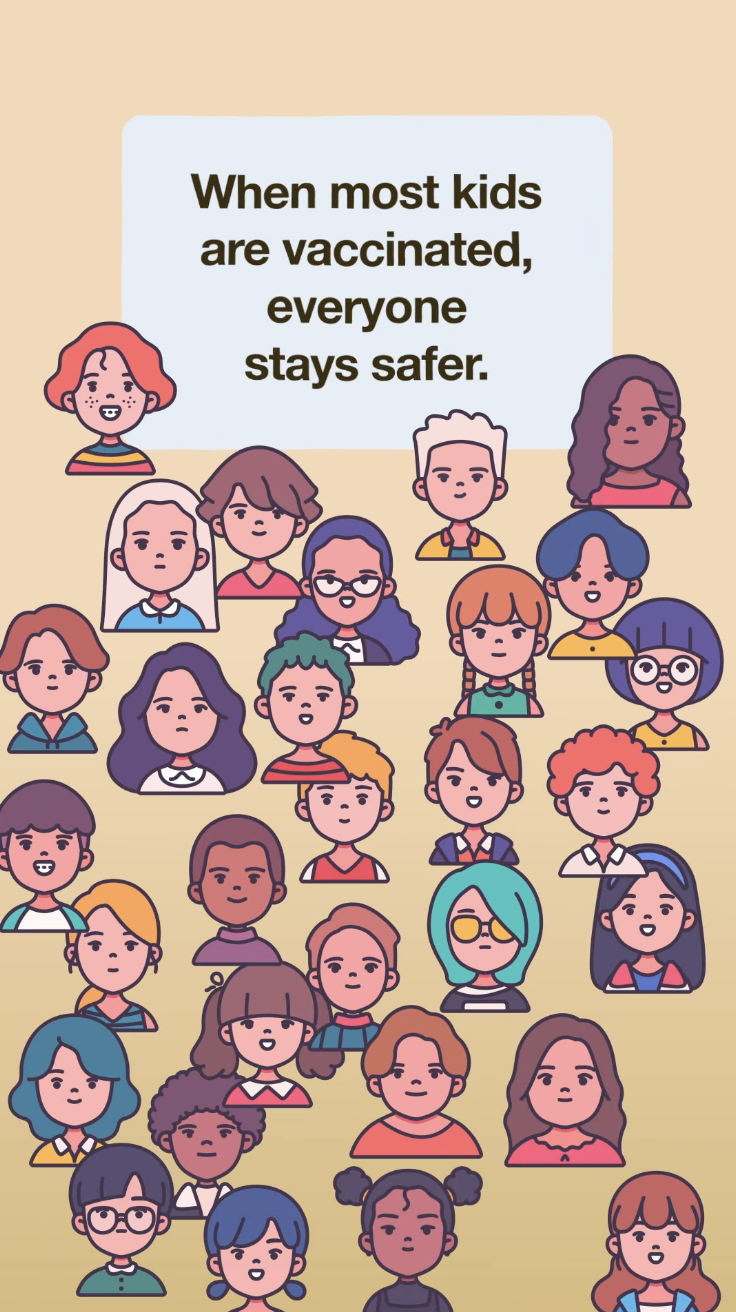
Vaccination isn’t just about individual protection — it’s also about community health. When most people are vaccinated, diseases like chickenpox struggle to spread. This creates what’s known as herd immunity, which protects vulnerable individuals who can’t get vaccinated, such as newborns or children with medical conditions.
By vaccinating your child, you’re not just safeguarding your own family — you’re helping keep schools, playgrounds, and the entire Jackson community healthy.
In the years since the vaccine became common, the number of chickenpox cases in the U.S. has dropped by over 90%. This success is a testament to how well the vaccine works when families stay up to date on their immunizations.
Frequently Asked Questions from Parents
At The Children’s Clinic in Jackson, we understand that parents often have questions about vaccines. Here are a few of the most common ones we hear about the varicella vaccine.
1. My child already had chickenpox. Do they still need the vaccine?
If your child had a confirmed case of chickenpox, they likely don’t need the vaccine. However, many mild cases go unconfirmed, so your pediatrician may recommend a blood test to check immunity before skipping it.
2. Can my child get the varicella vaccine at the same time as other vaccines?
Yes. The varicella vaccine is often given along with other routine childhood vaccines, such as MMR (measles, mumps, rubella). Combination vaccines like MMRV include protection against all four illnesses in a single shot.
3. What if my child is behind on their vaccine schedule?
It’s never too late to catch up. If your child missed a dose, your pediatrician can safely administer it at the next visit. Staying on schedule ensures the best protection possible.
4. Can adults get the chickenpox vaccine?
Absolutely. Adults who’ve never had chickenpox or the vaccine should receive two doses, especially if they work in healthcare, childcare, or live with people at high risk.
Life After the Varicella Vaccine
One of the best parts of modern pediatrics is that parents rarely have to worry about illnesses that were once common. Vaccines like the varicella shot have transformed childhood — allowing kids to stay in school, play with friends, and grow up healthier.
Children who receive the varicella vaccine can live without the fear of developing itchy blisters, scars, or missing weeks of class due to illness. Parents can feel confident knowing they’ve helped prevent a disease that once spread through every classroom and household.
What About Shingles?
You may have heard that chickenpox and shingles are related — and that’s true. Both come from the same virus. After someone recovers from chickenpox, the virus can “hide” in the body and reactivate years later as shingles, causing a painful rash and nerve damage.
By preventing chickenpox early, the varicella vaccine greatly reduces your child’s chance of developing shingles later in life. And when your child reaches adulthood, there’s a separate shingles vaccine available to keep that protection going strong.
The Role of Your Pediatrician
Every child is unique, and every parent deserves clear, trustworthy guidance. That’s why it’s important to have an ongoing relationship with your pediatrician.
At The Children’s Clinic, we take the time to listen, answer your questions, and explain each vaccine in detail. Our approach is simple: we want you to feel informed and confident in every health decision for your child.
Whether it’s your child’s first set of immunizations or a catch-up visit for school requirements, we’ll make sure the experience is calm, caring, and positive for both parents and kids.
Why Local Pediatric Care Matters
Choosing a local pediatrician means more than convenience — it means having a partner who understands your family and your community.
The doctors and nurses at The Children’s Clinic in Jackson, TN, have been part of West Tennessee families’ lives for years. We know the local schools, community events, and even the common illnesses that circulate seasonally.
Our goal isn’t just to treat illness — it’s to help your child thrive. Preventive care, including vaccines like varicella, is one of the most important tools we have to make that happen.
A Few Quick Reminders
The varicella vaccine is safe and effective. It’s been protecting children for nearly 30 years.
Two doses are needed. The first at 12–15 months, the second at 4–6 years.
It prevents serious illness. Chickenpox can cause dangerous complications, even in healthy children.
It keeps schools and communities healthy. Widespread vaccination prevents outbreaks.
It saves time, money, and worry. Avoiding chickenpox means fewer missed school days and doctor visits.
Final Thoughts
Chickenpox might seem like a mild childhood illness, but it’s not one worth risking — especially when prevention is so simple. The varicella vaccine offers strong, long-lasting protection and helps create a healthier community for everyone.
At The Children’s Clinic in Jackson, TN, we’re proud to help parents make informed, confident choices about their children’s health. If you have any questions about the varicella vaccine or any part of your child’s immunization schedule, don’t hesitate to reach out. Our team is always here to help guide you every step of the way.
Protecting your child today means giving them the healthiest start possible — and that’s something every parent can feel good about.
📍 The Children’s Clinic
264 Coatsland Drive
Jackson, TN 38301
📞 Phone: 731-423-1500
Serving families across Jackson, Humboldt, Medina, Henderson, and surrounding areas, The Children’s Clinic provides comprehensive pediatric care — from newborn wellness visits to vaccinations and adolescent checkups.
Your child’s health and happiness are at the heart of everything we do. Call today to schedule your appointment or speak with one of our pediatricians about keeping your child protected from chickenpox and other preventable diseases.
