
Protecting Your Baby From RSV: What West Tennessee Parents Need to Know This Season
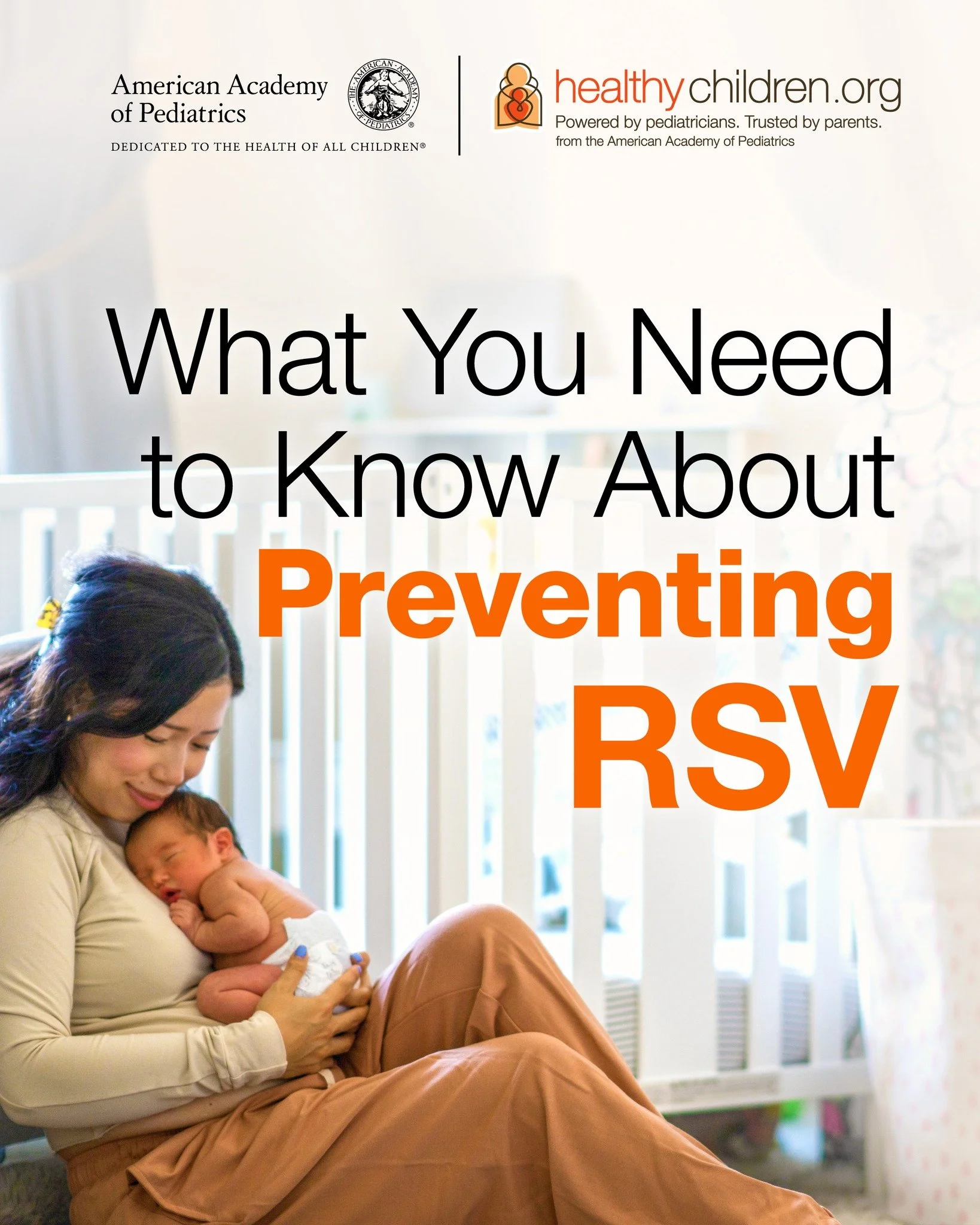
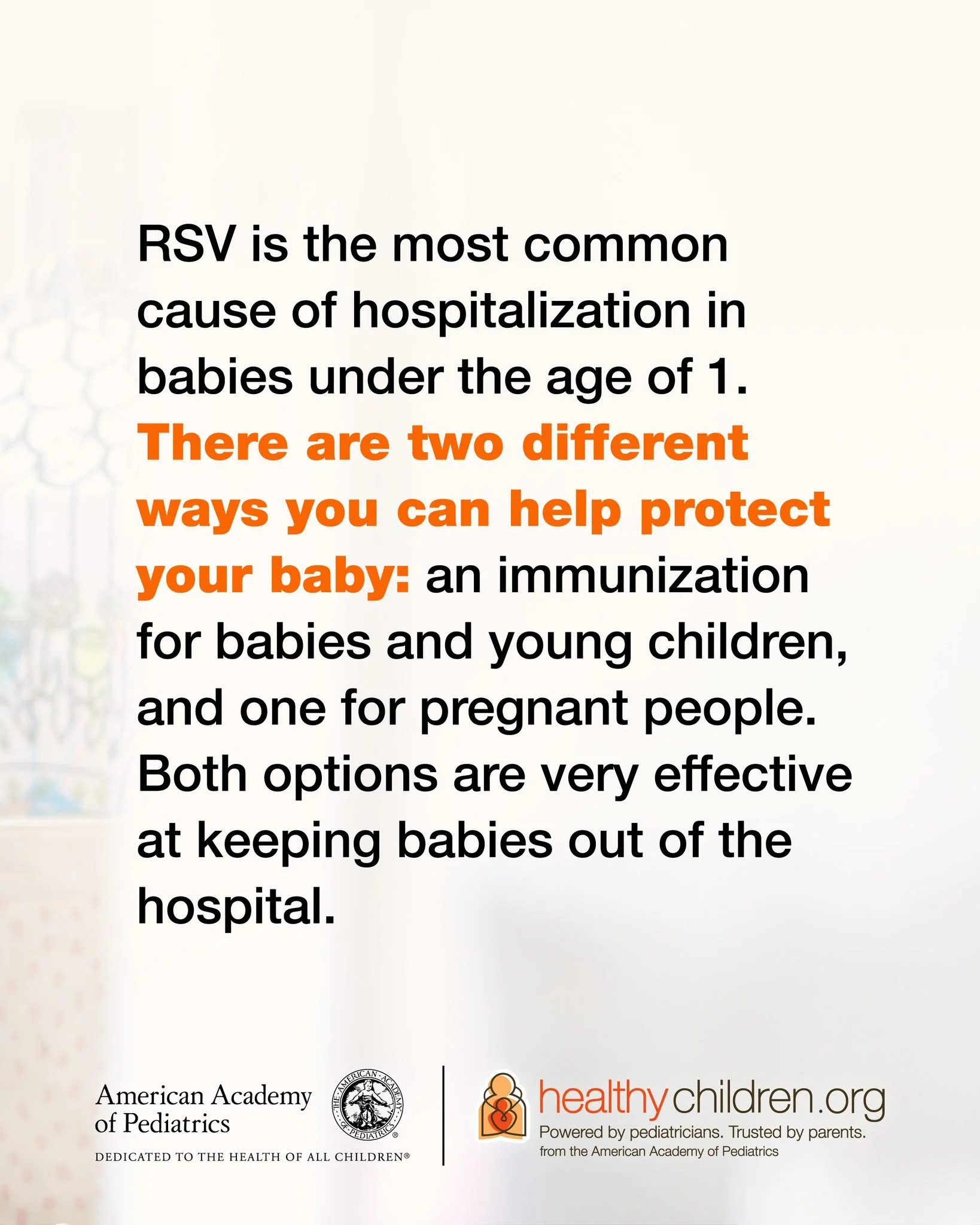
Every parent knows how quickly a sniffle can send the whole household into panic—especially when it comes from a baby who can’t tell you what hurts. And while most colds come and go without causing much disruption, RSV is a different story. Respiratory syncytial virus is extremely common, incredibly contagious, and, for babies under one, the leading cause of hospitalization in the United States.
Here in Jackson, TN, pediatricians at The Children’s Clinic see a surge of RSV cases every fall and winter. It’s part of the seasonal rhythm, much like influenza and other viral illnesses. But RSV deserves special attention because of how quickly it can affect a baby’s breathing.
The reassuring news? We now have two proven immunization options that help protect infants during RSV season. These tools have dramatically changed the way doctors can shield newborns and young babies from severe illness. And for families across West Tennessee—Jackson, Henderson, Medina, Humboldt, and beyond—this information can make a real difference in keeping your baby safe.
This guide breaks down exactly what RSV is, why it’s so concerning, and how the two RSV immunizations work. If you’re a new parent or expecting a newborn soon, this is your go-to resource.
Understanding RSV: Why It Hits Babies So Hard
RSV isn’t new. Most adults have had it countless times in their lives, often confusing it with a routine cold. But babies—especially those under six months—don’t have the immune strength or airway size to handle the virus as easily. Even a small amount of inflammation can make breathing difficult.
Symptoms of RSV in Babies May Include:
Rapid or labored breathing
Wheezing
Flaring nostrils
Trouble feeding (because breathing and eating at the same time becomes hard)
Persistent cough
Fever
Lethargy or unusual fussiness
In severe cases, babies can experience dehydration, low oxygen levels, and respiratory distress. RSV can progress fast, which is why pediatricians warn parents to keep a close eye on symptoms.
Why RSV Season Matters
In West Tennessee, RSV typically peaks between October and March, though recent years have shown unpredictable surges. Hospitals across the country, including those that serve the Jackson area, often fill with infants struggling to breathe during these months.
This is why prevention is so important—and why the new RSV immunizations have made such a meaningful impact.
Two Immunization Options: What Actually Protects Your Baby
There are two types of RSV immunizations available, each designed for different situations:
1. A Maternal RSV Vaccine (Given During Pregnancy)
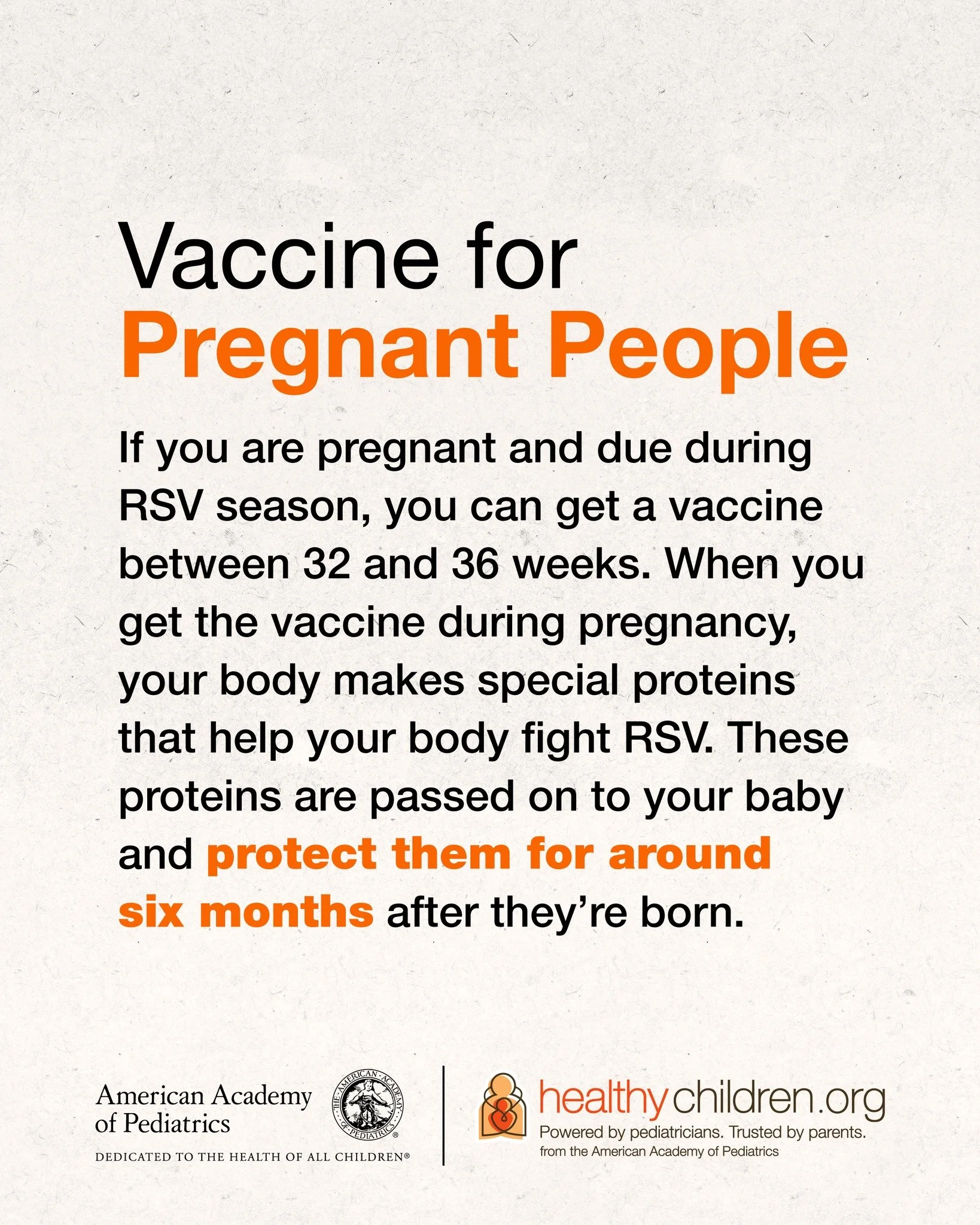
This vaccine is administered to pregnant women—usually during the third trimester. When mothers receive it, they transfer protective antibodies through the placenta directly to their baby. That means the baby is born with built-in defense against RSV during the first vulnerable months of life.
2. An Infant Monoclonal Antibody Shot
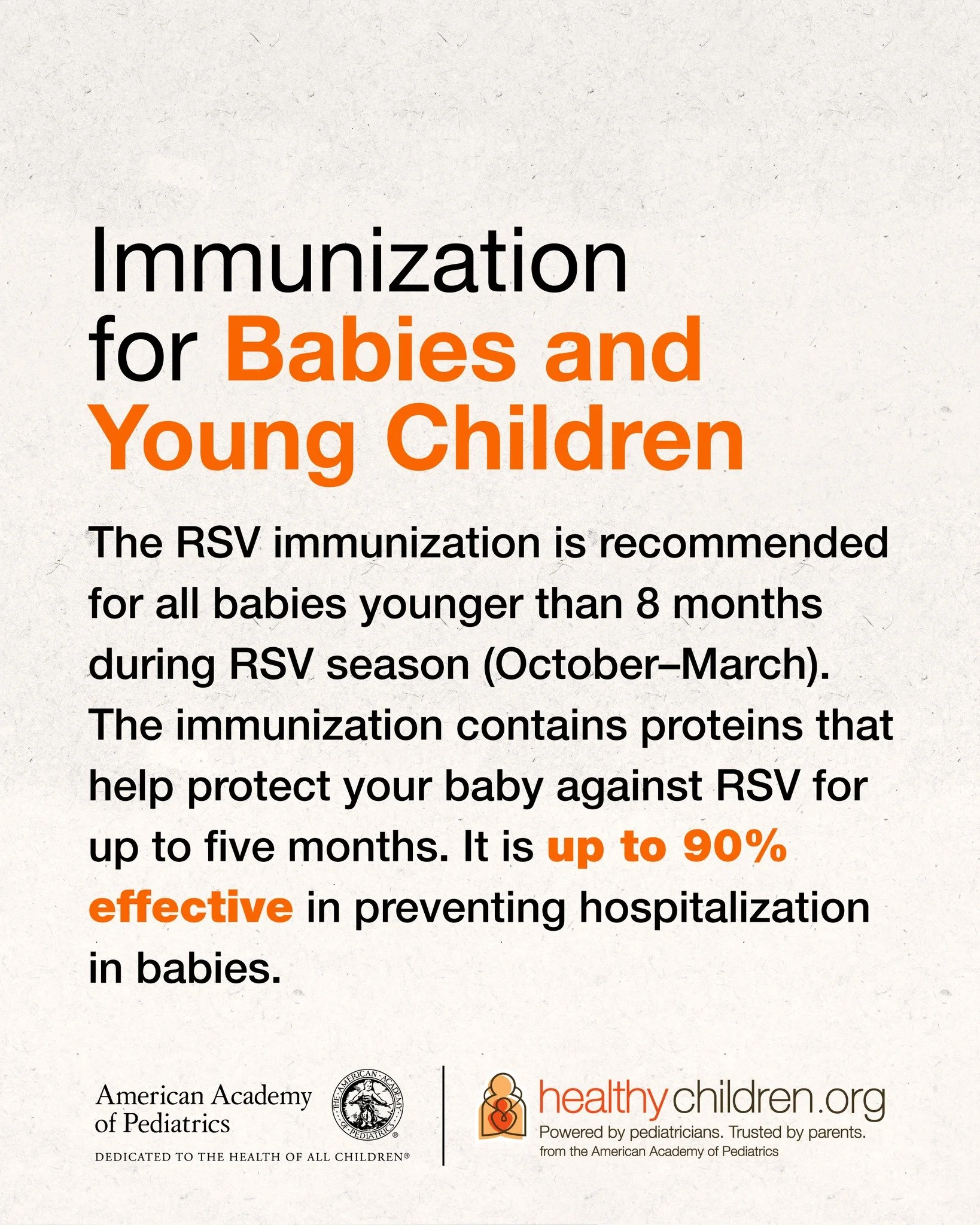
This is not a vaccine in the traditional sense. Instead, it is a direct dose of RSV-fighting antibodies given to the baby after birth. Babies don’t have to “learn” immunity—it is provided directly and immediately.
The monoclonal antibody option is especially helpful for:
Babies born during RSV season
Babies whose mothers didn’t receive the prenatal RSV vaccine
Premature infants
Infants with heart or lung conditions
Babies at higher medical risk for complications
Both options are safe, thoroughly tested, and recommended by pediatric experts including the American Academy of Pediatrics.
Your pediatrician at The Children’s Clinic in Jackson can help determine which one is appropriate for your baby’s age, health history, and season of birth.
How These Immunizations Protect Your Baby
RSV isn’t something you can fully avoid. Even families who stay home, sanitize toys, wash hands religiously, and limit public outings can still be exposed. RSV spreads easily through:
Tiny droplets from coughs or sneezes
Surfaces like toys, doorknobs, strollers, or shopping carts
Close contact with siblings who bring home germs
Public spaces—even brief visits
Because of how contagious RSV is, doctors focus less on avoiding exposure entirely and more on reducing the severity of illness. That’s exactly what immunizations do.
Immunization Doesn’t Eliminate RSV—It Reduces the Danger
Most babies who receive RSV protection still may get the virus at some point. The key difference is how sick they get. Studies show that these immunizations dramatically reduce:
Hospitalizations
ER visits
Severe breathing trouble
Need for oxygen support
For many families, this means fewer sleepless nights, far less stress, and safer winter months.
What Parents in Jackson, TN Should Do Before RSV Season
If you’re expecting a baby:
Talk to your OB-GYN about the maternal RSV vaccine.
This ensures your baby starts life with immediate protection. Babies born in fall or winter especially benefit, since RSV circulation is highest during these months.
If you have a newborn or young infant:
Ask your pediatrician whether your baby qualifies for the RSV monoclonal antibody shot.
This is especially important for:
Babies under 8 months
Premature infants
Babies with underlying medical conditions
At The Children’s Clinic, pediatricians guide parents through the timing, eligibility, and benefits of each option.
Frequently Asked Questions From Local Parents
After years of uncertainty surrounding viruses and seasonal illnesses, many West Tennessee parents have specific questions. Here are some of the most common:
“My baby seems healthy—do they really need RSV protection?”
Yes. Even babies with no medical issues can become seriously ill. RSV is unpredictable, and even full-term infants can struggle with breathing once the infection hits.
“Can babies get RSV more than once?”
Absolutely. Immunity after infection is not strong or long-lasting. This is why prevention each season matters.
“Does breastfeeding protect my baby from RSV?”
While breastfeeding helps support overall immunity, it does not provide targeted protection against RSV.
“Is the RSV shot the same thing as a vaccine?”
The infant shot is technically an antibody treatment, not a vaccine, but both approaches are considered preventive immunizations.
“When should I call my pediatrician?”
Call immediately if your baby shows:
Rapid breathing
Blue lips or fingernails
Difficulty feeding
Dehydration
Extreme fatigue
Wheezing
Quick medical evaluation is crucial.
Why Local Clinics Like Ours Support RSV Immunization
At The Children’s Clinic in Jackson, we have cared for West Tennessee families for generations. We’ve seen firsthand how quickly RSV can escalate, especially in babies who were perfectly healthy the day before.
With the arrival of these new immunizations, pediatricians finally have reliable tools to offer parents—tools that significantly reduce the chance of emergency hospital visits.
We believe in offering families clear, compassionate guidance. That means explaining your baby’s options in plain language, answering your questions openly, and supporting your decisions with evidence-based recommendations.
You know your baby best. We’re simply here to help you protect them.
How to Keep Your Baby Safer at Home and in Public
Immunizations are the strongest defense against RSV, but everyday prevention still plays a role:
Wash hands frequently
RSV spreads easily through touch.
Limit exposure to large gatherings
Especially during the peak of RSV season.
Avoid letting strangers touch your baby’s hands or face
Even well-meaning visitors can unintentionally spread germs.
Clean surfaces and toys often
RSV can survive for hours on hard surfaces.
Keep older siblings home when sick
School-aged children are the biggest source of exposure.
Never hesitate to call your pediatrician
It’s always better to ask early than wait.
These small habits work together with immunizations to create a much safer environment for your baby.
The Bottom Line: RSV Is Common—But Hospitalization Doesn’t Have to Be
RSV is part of every baby’s world, whether we like it or not. But the difference between mild congestion and a frightening hospital stay often comes down to prevention. Thanks to medical advancements, families now have options that didn’t exist just a few years ago.
Whether your baby receives immunity through the maternal vaccine or through the infant antibody shot, the goal is the same:
keep them safe, breathing comfortably, and growing without disruption.
As RSV season approaches, the team at The Children’s Clinic is here to guide you through every step—answering questions, reviewing eligibility, and providing the best recommendations for your child’s health.
Call The Children’s Clinic in Jackson, TN for Guidance on RSV Protection
If you’re unsure whether your baby needs RSV immunization—or simply want to understand your options—we’re here to help. Our physicians are trained in the most up-to-date RSV prevention guidelines and can give personalized recommendations based on your baby’s age, health, and risk factors.
📍 The Children’s Clinic
264 Coatsland Drive
Jackson, TN 38301
📞 Phone: 731-423-1500
Families throughout Jackson, Medina, Humboldt, Henderson, Lexington, and West Tennessee trust us for clear guidance, compassionate pediatric care, and evidence-based recommendations.
If you have questions about RSV—or want to schedule your baby’s immunization—give us a call today. Your baby’s lungs, immune system, and future health depend on the decisions you make now. We’re honored to help you make those decisions with confidence.
