
Talking With Your Teen About Drugs & Alcohol: A Guide for West Tennessee Families

If you’re raising a teenager in West Tennessee, you already know how quickly the world around them is changing. Social pressures, social media, parties, sports, new friends, shifting routines—teenagers today are growing up at a pace that can feel overwhelming for both parents and kids. And when conversations about drugs or alcohol enter the picture, many parents freeze, worry they’ll say the wrong thing, or fear the topic will create distance between them and their teen.
But the truth is this: your voice still matters more than you think. Teens may roll their eyes, get quiet, or insist they “already know,” but research consistently shows that parents remain the single strongest influence on a teen’s choices, especially when it comes to substance use.
At The Children’s Clinic here in Jackson, Tennessee, we talk with families every week who feel unsure about how to approach these conversations. Some parents think talking about drugs might “give their teen ideas,” while others fear their teen will shut down or become defensive. But open, calm, ongoing conversations build trust—and that trust is what helps teens make safer decisions.
Below is a guide created specifically with local families in Jackson, Medina, Humboldt, Henderson, and the greater West Tennessee area in mind. These steps aren’t about lecturing or scaring your teen. They’re about strengthening connection so your teen always knows they can come to you—especially when it matters most.
Start With Connection, Not Control
When parents feel frightened or uncertain, it’s natural to want to tighten rules or jump straight into warnings. But teens respond far better to connection than to control.
Instead of beginning the conversation with “Don’t ever do this,” try easing in with curiosity:
“What kinds of things do you hear at school about vaping?”
“Do kids talk about drinking at football games or parties?”
“Is anyone you know struggling with substance use?”
Open-ended questions give your teen room to talk—without feeling cornered. When a teen believes their parent is actually listening rather than interrogating, they’re much more likely to be honest.
And remember: your goal isn’t to get every answer right. Your goal is to stay connected.
Focus on Delay and Safety, Not Perfection
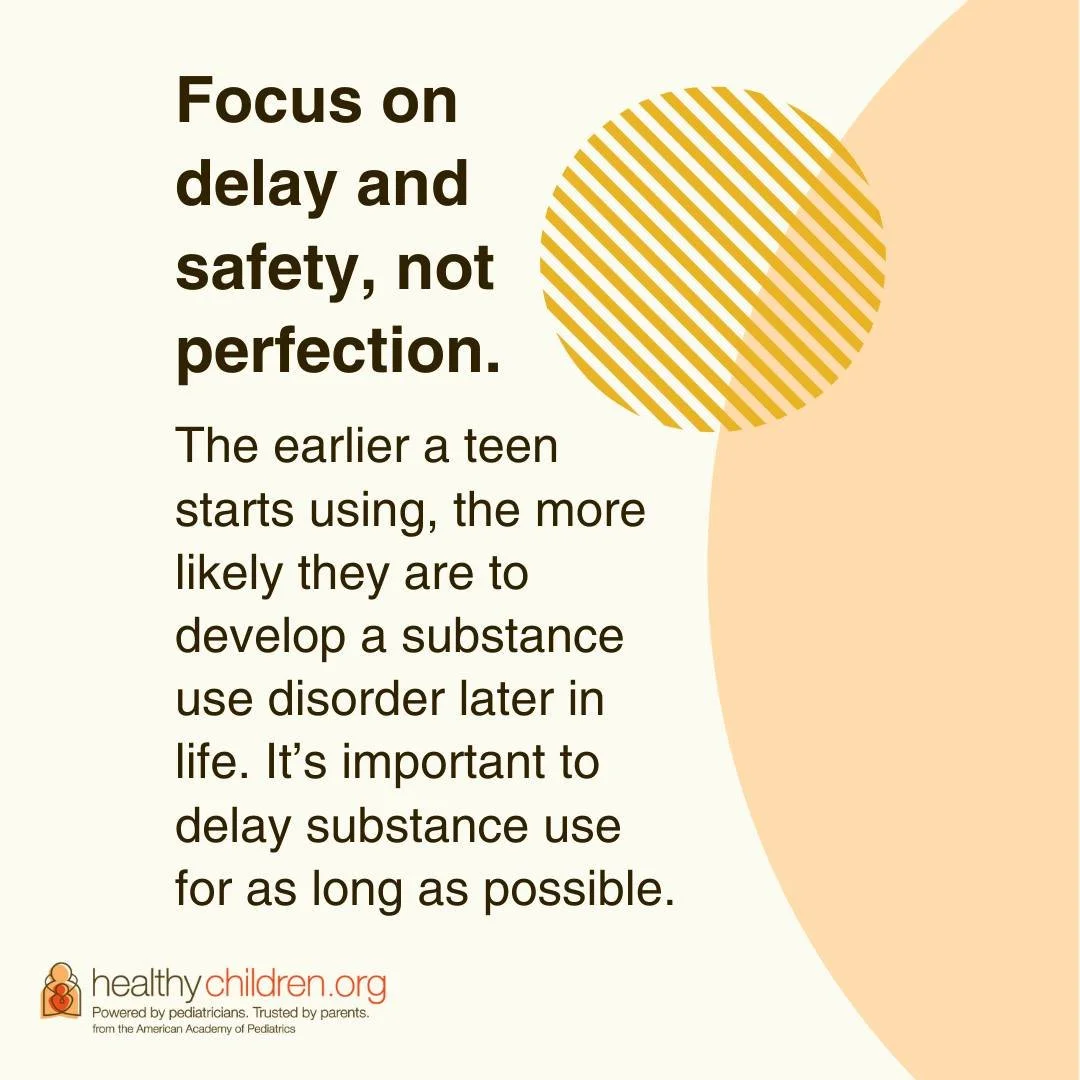
Parents often worry that if their teen experiments—even once—it means they’ve completely failed. But the earlier a teenager begins using alcohol, drugs, or vaping products, the higher their risk for addiction later in life.
Your aim is not perfection. Your aim is delay.
The longer your teen can go without substance use, the better their long-term outcomes will be. That’s because the teen brain is still wiring itself together. Substances interfere with that development, making it harder for kids to regulate emotions, make judgment calls, and resist risk-taking.
Help your teen understand:
Early use increases long-term risks.
Their brain is still growing and deserves protection.
They don’t need to be perfect—they just need to make safe, informed choices.
This approach removes shame and increases understanding, which helps both you and your teen work as a team.
Be Clear About Your Values and Expectations
Even when teens act like they’re ignoring you, they’re absorbing far more than you realize. Set clear expectations, and repeat them consistently:
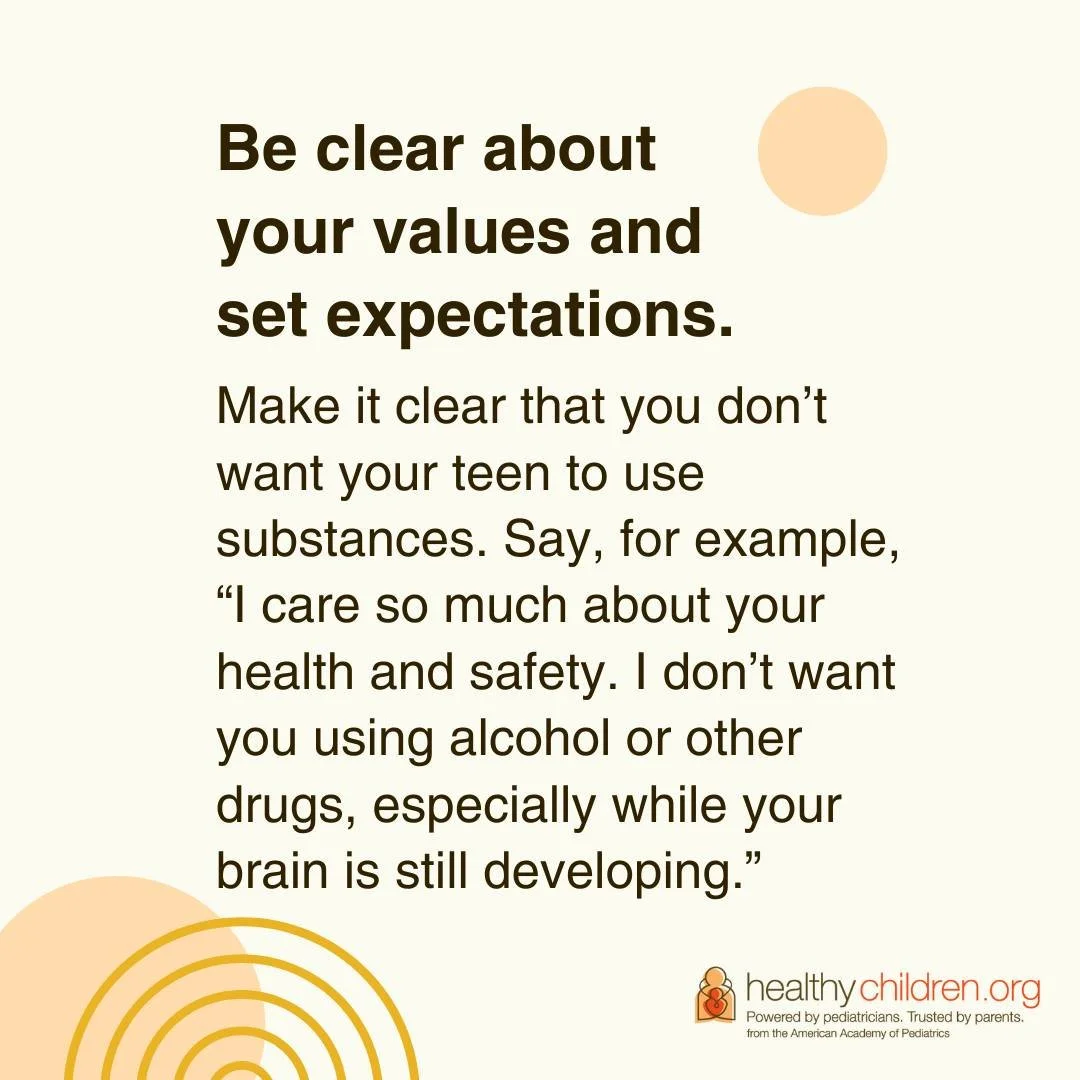
“I care deeply about your safety.”
“I don’t want you drinking or using drugs because your brain and body are still growing.”
“I expect honesty and communication from you.”
Teens need boundaries—not as punishment, but as protection. When expectations are communicated calmly and consistently, teens understand the “why” behind house rules, which makes them far more likely to follow them.
Safety First: Keep Communication Channels Open
One of the most important things a parent can say to a teenager is:
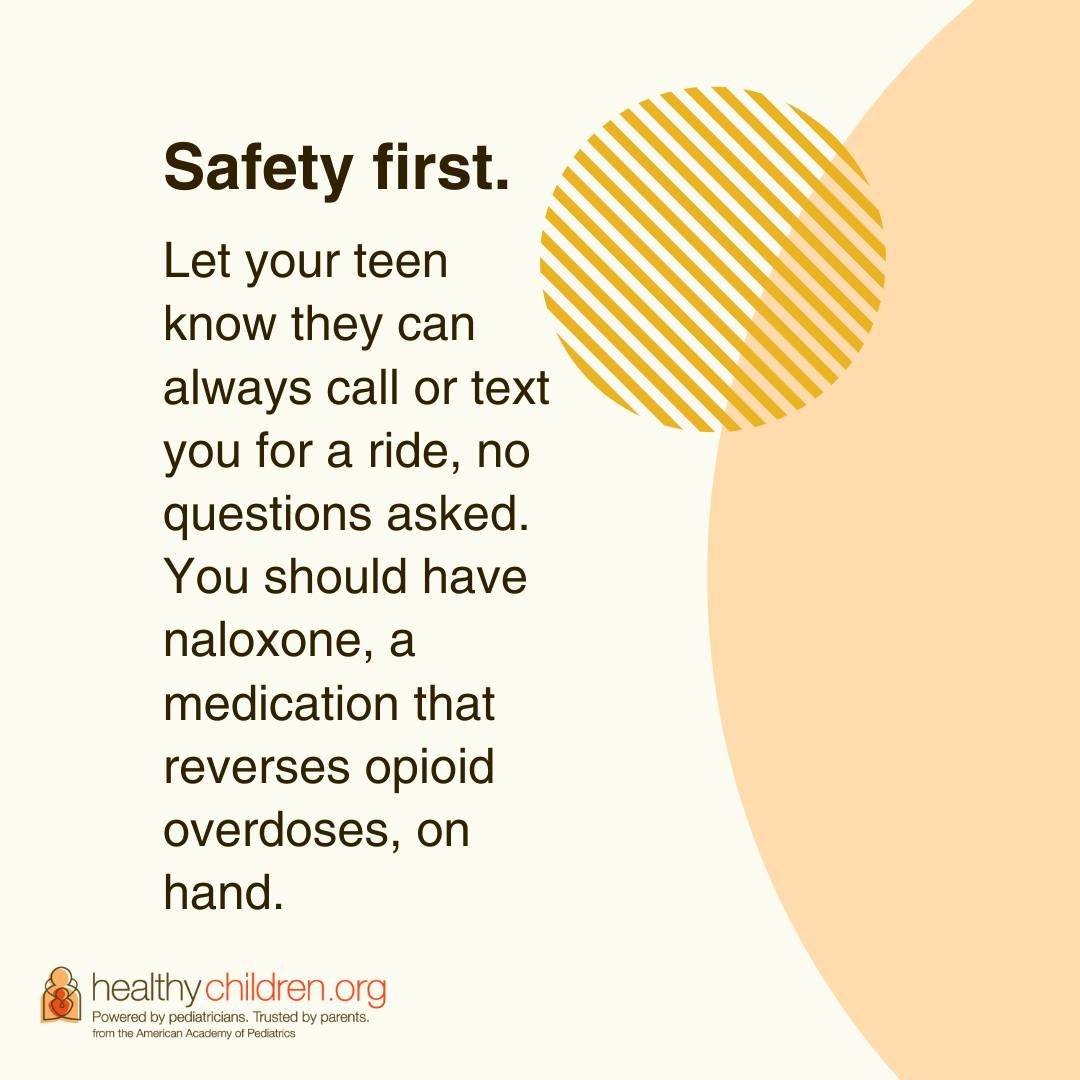
“If you’re ever unsafe, call me. No questions asked.”
This doesn’t mean you approve of risky behavior. It means your teen knows their safety matters more than any mistake.
Other safety-focused tips include:
If your teen ever needs a ride, pick them up without lecturing in the moment.
If opioids are present in your home for any reason (after a surgery, dental procedure, or injury), have naloxone available.
Store medications—prescribed or otherwise—securely and out of reach.
Talk openly about peer pressure, group dynamics, and online influence.
West Tennessee teens face unique challenges, whether they’re navigating Jackson’s social scene, football games across Madison County, school activities, or rural communities where supervision varies. Preparing your teen for real-life scenarios gives them confidence to make safe decisions.
Don’t Avoid the Conversation About Vaping
Many parents assume vaping is “less harmful” or “just flavored air.” Unfortunately, nicotine addiction is escalating faster than ever among teens—and vapes are a major reason why.
Teens in Jackson, Lexington, Milan, and surrounding areas are exposed to vaping at school, on social media, at sporting events, and even in friend groups where it feels “normal.”
Talk with your teen about:
How vaping affects lung development
What nicotine addiction feels like
How marketing targets young people
How hard quitting actually is
You don’t need scare tactics. Just honesty. Teens appreciate straight facts far more than dramatics.
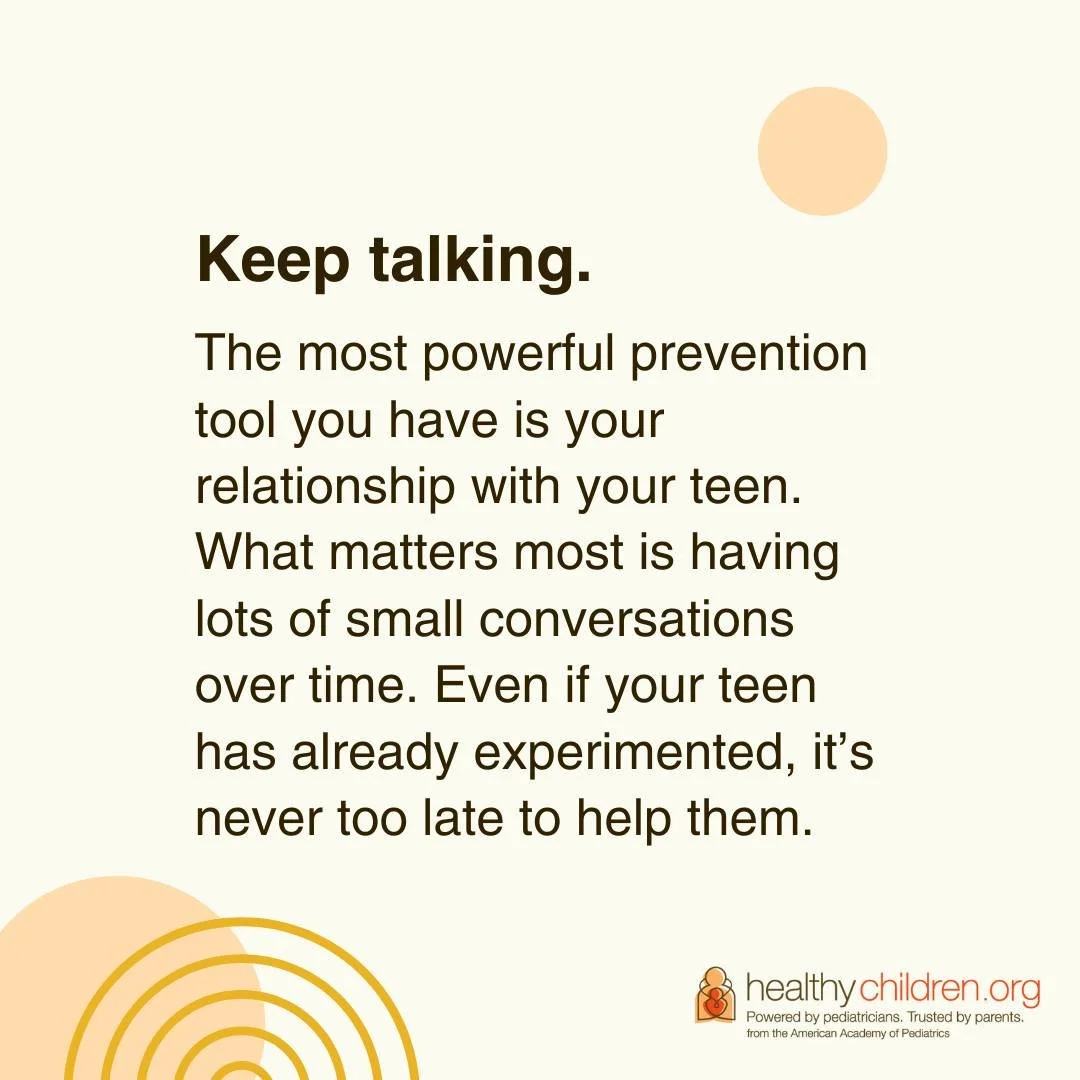
Keep Talking — Small Conversations Matter Most
Many parents wait for “the right moment” to talk about drugs or alcohol. But the most effective conversations happen in little bits over time:
In the car
At dinner
After school events
Before bedtime
While running errands around Jackson
These small conversations communicate that substance use isn’t a taboo topic—it’s something you can openly discuss together.
Even if your teen has experimented, or even if you feel late to the conversation, it’s never too late to reconnect.
What to Do If You Suspect Your Teen Is Experimenting
This is the part parents fear most. But acting from panic or anger almost always pushes teens away. If you have concerns:
Stay calm.
Ask questions without judgment.
Listen more than you speak.
Remind your teen you love them and want to help.
If you’re unsure where to start—or if you want professional guidance—The Children’s Clinic is here for you.
Our pediatricians talk with families every day about these exact concerns. We understand local pressures, local schools, and the realities facing teens in West Tennessee.
You’re not alone in this.
Why Teens Need You More Than Ever
Your teen may not show it, but they rely on you for stability, support, and protection. Your relationship with them—your guidance, your presence, your listening ear—is one of the most powerful tools for preventing substance misuse.
No parent gets everything right. What matters most is staying connected.
If you ever feel uncertain about how to approach these conversations or want help understanding your teen’s behavior, mood, or risk factors, reach out to us anytime.
Parents across Jackson, TN, and the surrounding West Tennessee communities—including Medina, Humboldt, Lexington, Henderson, Milan, Brownsville, and all of Madison County—turn to The Children’s Clinic for trusted pediatric guidance. Talking with teens about drugs and alcohol isn’t always easy, but having a local pediatric team who understands the challenges specific to our region makes a world of difference.
If you need support, resources, or a place to turn with questions, we’re here for you—right here in your community.
THE CHILDREN’S CLINIC
The Children’s Clinic
264 Coatsland Drive
Jackson, TN 38301
📞 731-423-1500
Where West Tennessee families trust their children’s care.
Learn more: https://bit.ly/3Xd96wz
