
The Truth About Shaken Baby Syndrome: What Every Parent and Caregiver Needs to Know
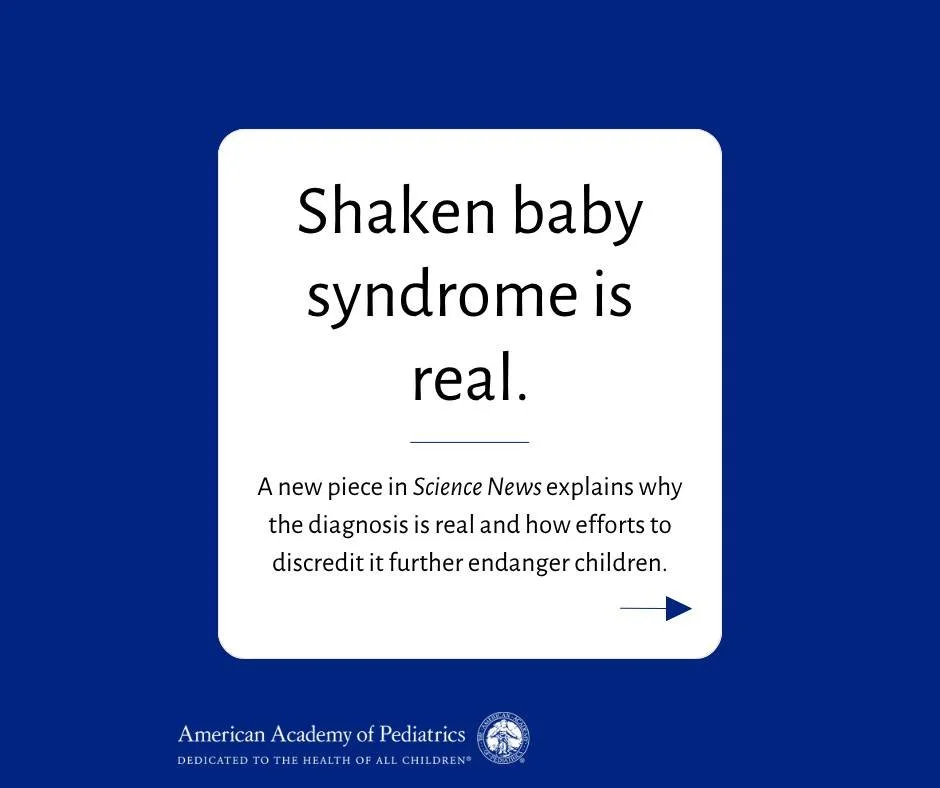

Shaken baby syndrome (SBS), also known as abusive head trauma (AHT), is a difficult and often painful subject to talk about—but it’s a conversation that must happen. The long-term consequences of shaking an infant are life-altering, not only for the child but also for their family. While recent debates in courtrooms have sparked confusion around the diagnosis, pediatric experts warn against losing sight of one crucial fact: shaking a baby is incredibly dangerous and can cause irreversible harm.
At The Children’s Clinic in Jackson, Tennessee, we are dedicated to protecting children’s health and safety. In this blog, we’ll explain what shaken baby syndrome is, the signs to look for, the latest research, and how caregivers can prevent this tragic form of child abuse. If you have questions or need guidance, please don’t hesitate to reach out to us at (731) 423-1500 or visit our office at 264 Coatsland Drive, Jackson, TN 38301.
What Is Shaken Baby Syndrome?
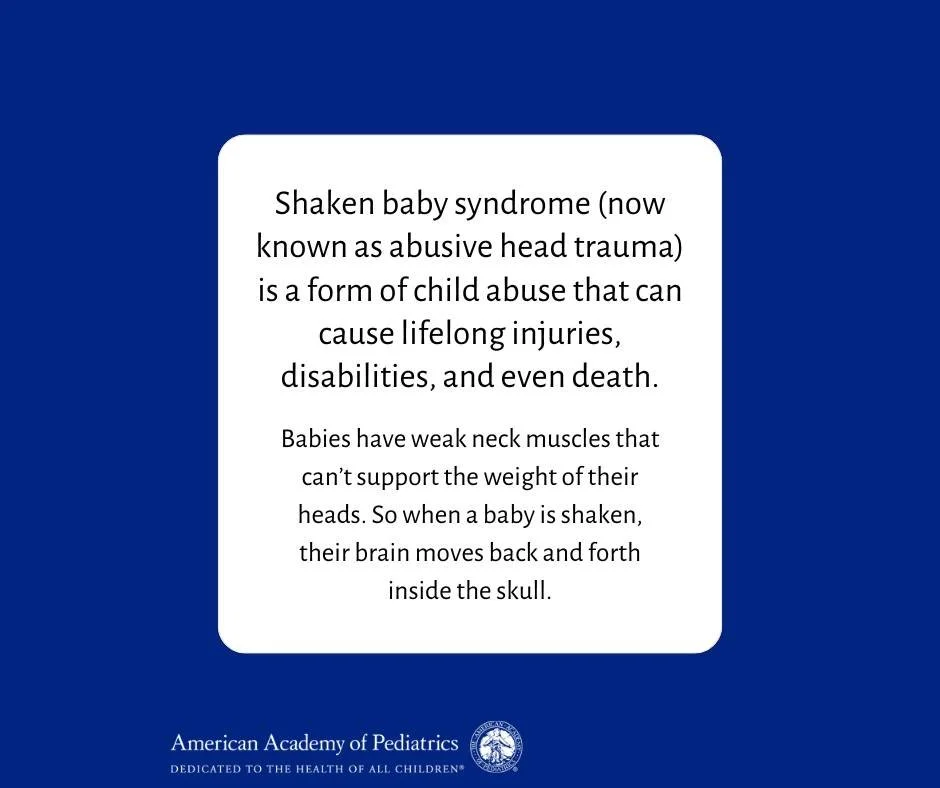
Shaken baby syndrome is a form of abusive head trauma that occurs when an infant or young child is violently shaken. Because babies have weak neck muscles and large, heavy heads compared to their bodies, they are especially vulnerable to brain injury when shaken. The violent motion causes the brain to bounce against the skull, leading to swelling, bruising, and bleeding.
In many cases, there are no outward signs of trauma—no bruises, no cuts—which makes this condition especially insidious. However, the damage inside the brain can be severe and lasting.
How Common Is Shaken Baby Syndrome?
According to the Centers for Disease Control and Prevention (CDC), an estimated 1,000 to 3,000 cases of shaken baby syndrome occur in the U.S. every year. The American Academy of Pediatrics (AAP) states that 80% of babies who experience abusive head trauma suffer long-term disabilities. These can include:
Cerebral palsy
Seizure disorders or epilepsy
Blindness
Paralysis
Speech and developmental delays
Severe cognitive impairment
And for about one in four affected infants, shaken baby syndrome is fatal.
The Debate: Is Shaken Baby Syndrome Real?
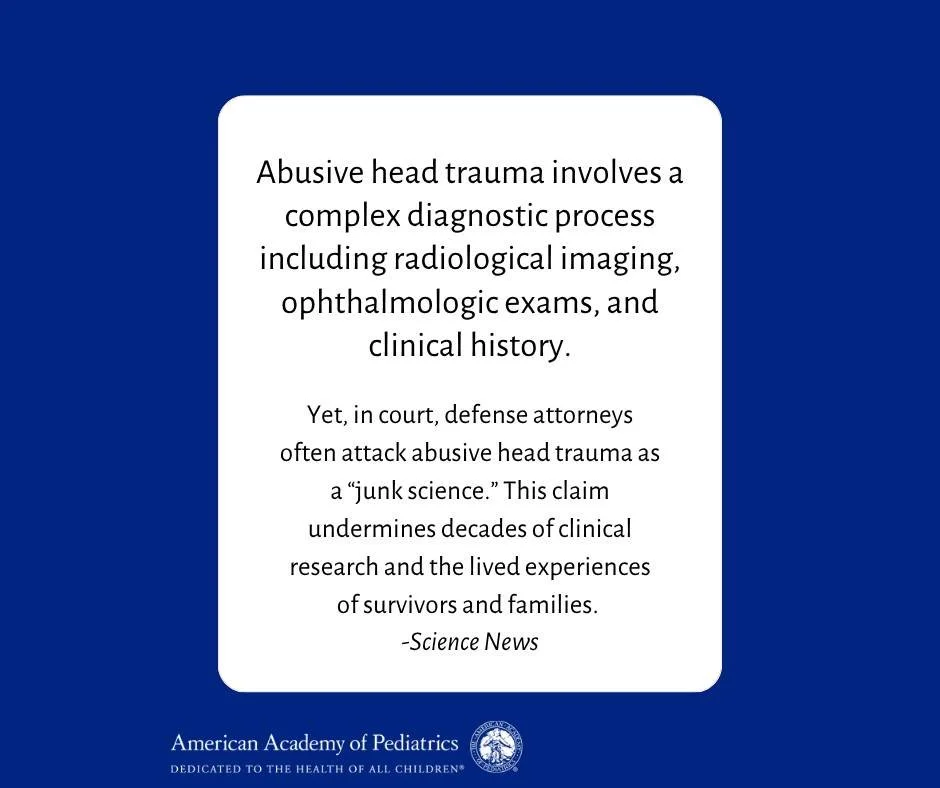
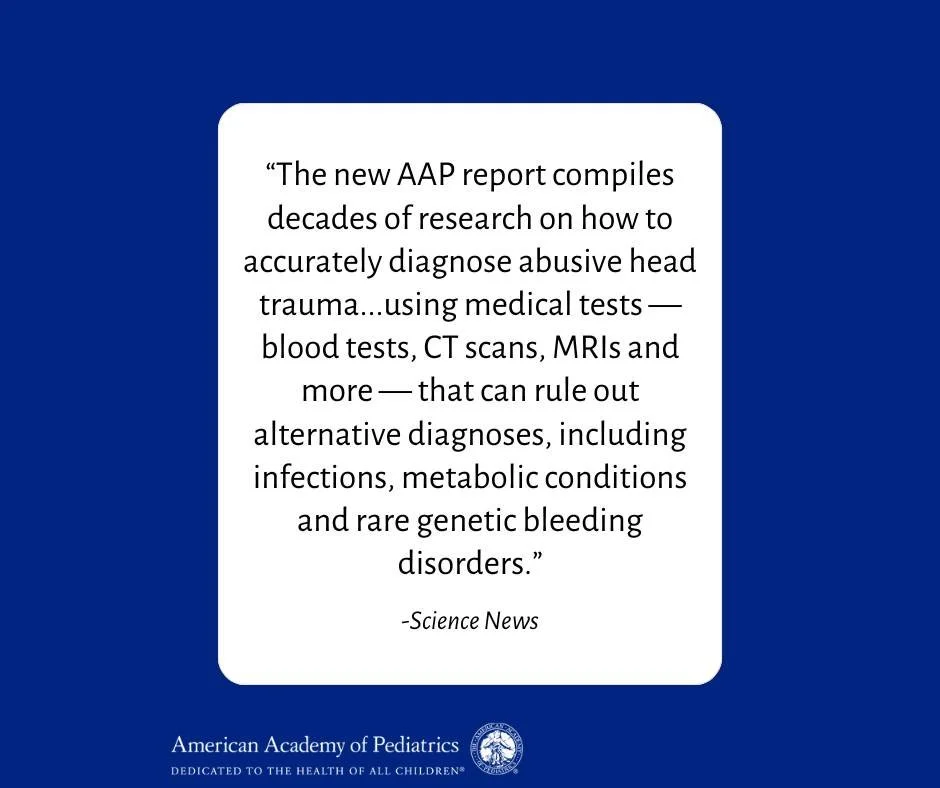
In recent years, a small but vocal group of legal advocates and defense attorneys have questioned the validity of SBS diagnoses. Some argue that symptoms commonly associated with abusive head trauma—such as bleeding around the brain, swelling, and retinal hemorrhages—could be caused by other medical conditions or accidental falls.
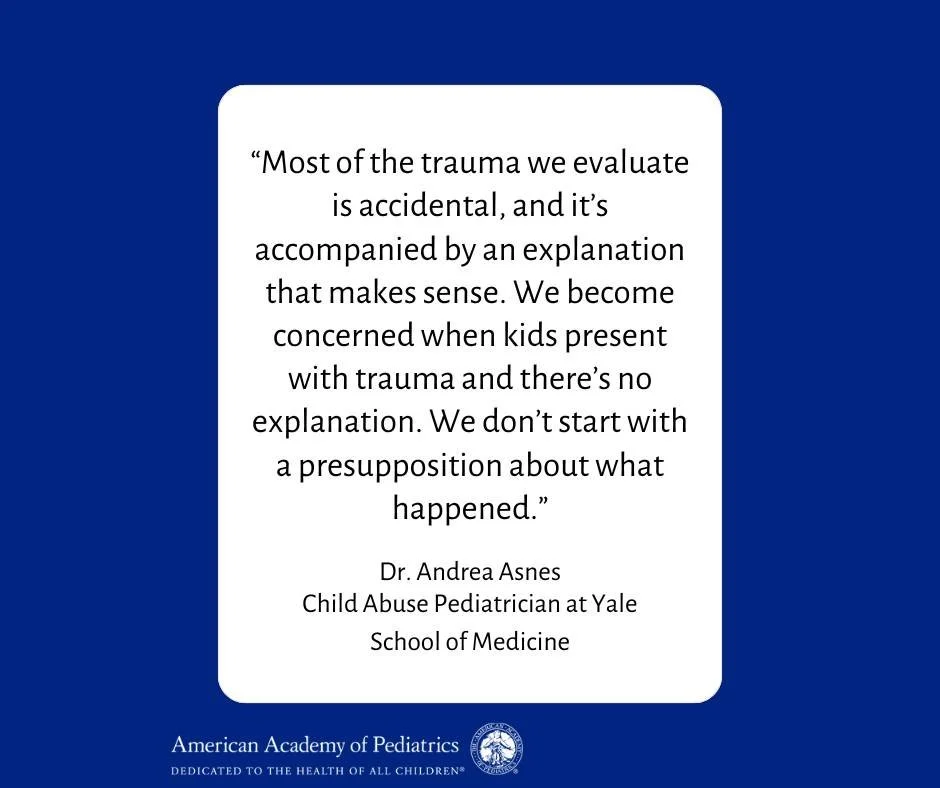
However, experts in pediatrics and child abuse medicine strongly caution against this line of thinking. Dr. Andrea Asnes, a child abuse pediatrician at Yale School of Medicine, told Science News that the growing skepticism in courtrooms could “undermine efforts to keep children safe.” The evidence overwhelmingly supports the reality of shaken baby syndrome as a form of abuse, not a myth or misdiagnosis.
A review of decades’ worth of clinical studies, forensic pathology reports, and imaging data confirms that violent shaking—especially in the absence of other trauma—can and does cause life-threatening injury in infants. According to the AAP, SBS remains a valid medical diagnosis grounded in solid science.
Why Do People Shake Babies?
It’s a tragic truth: most cases of shaken baby syndrome happen not out of malice but in moments of extreme stress. A common scenario involves a frustrated caregiver—often overwhelmed by a baby’s persistent crying—who loses control and shakes the infant in a desperate attempt to make the crying stop.
But babies cry. It’s how they communicate. Crying can mean hunger, a wet diaper, fatigue, or the need for comfort. During the first few months of life, many healthy babies experience what’s called “purple crying”—a period of increased, sometimes inconsolable crying that peaks at around 6 to 8 weeks of age.
Understanding this developmental phase is crucial for caregivers. A baby's crying, no matter how intense or frequent, is never a reason to shake them.
Signs and Symptoms of Shaken Baby Syndrome
Shaken baby syndrome can be difficult to detect, especially if the caregiver does not admit to shaking the child. Medical professionals look for a pattern of symptoms known as the “triad”:
Subdural hematoma (bleeding in the brain)
Retinal hemorrhages (bleeding in the eyes)
Brain swelling
Other symptoms may include:
Difficulty breathing or irregular breathing patterns
Seizures
Extreme irritability
Lethargy or lack of alertness
Vomiting for no known reason
Inability to suck or eat
Pale or bluish skin
Loss of consciousness
If you ever notice these symptoms in your child or someone else’s, seek emergency medical care immediately.
Preventing Shaken Baby Syndrome: What Parents and Caregivers Can Do
The good news? Shaken baby syndrome is 100% preventable.
1. Learn About “Purple Crying”
Understanding that intense crying is a normal phase of infant development can help reduce stress. The acronym PURPLE stands for:
Peak of crying
Unexpected
Resists soothing
Pain-like face
Long lasting
Evening crying
This phase eventually passes, usually by 3 to 4 months of age.
2. Create a Support Network
Caregivers need breaks. Don’t be afraid to ask a trusted family member or friend for help when you feel overwhelmed. Taking a moment for yourself—whether it’s a nap, a shower, or a short walk—can prevent stress from turning into something more dangerous.
3. Know When to Step Away
If you’re alone with a crying baby and feeling overwhelmed, place the baby safely in their crib, walk into another room, and count to 10. Take deep breaths. Remind yourself that the baby is safe and that crying will not hurt them—but shaking will.
4. Educate Others
Make sure anyone caring for your baby understands the dangers of shaking. This includes babysitters, grandparents, and older siblings. Share safe soothing techniques and let them know it’s okay to ask for help.
What to Do If You Suspect Shaken Baby Syndrome
If you suspect a child has been shaken:
Call 911 immediately.
Do not wait to “see if they get better.”
Seek medical care even if there are no visible injuries.
If you're a caregiver who has shaken a child in a moment of frustration, it is critical to seek emergency care and be honest about what happened. Early intervention could save the child’s life and prevent lifelong disability.
Supporting Families Affected by SBS
Recovering from shaken baby syndrome is a long and difficult journey—for both the child and their caregivers. Many families will require ongoing support from:
Neurologists
Physical and occupational therapists
Developmental pediatricians
Mental health professionals
Social workers
At The Children’s Clinic in Jackson, TN, we work closely with families to provide compassionate, comprehensive care tailored to each child’s needs. If you need help navigating your child’s recovery, please call us at (731) 423-1500.
What Science Tells Us: Shaken Baby Syndrome Is Real
Despite ongoing debates in courtrooms and headlines, the scientific community is clear: shaken baby syndrome is real and dangerous. Multiple studies and decades of data uphold the diagnosis. More importantly, healthcare providers and pediatricians agree that downplaying its seriousness only puts more children at risk.
Dr. Andrea Asnes of Yale School of Medicine put it best:
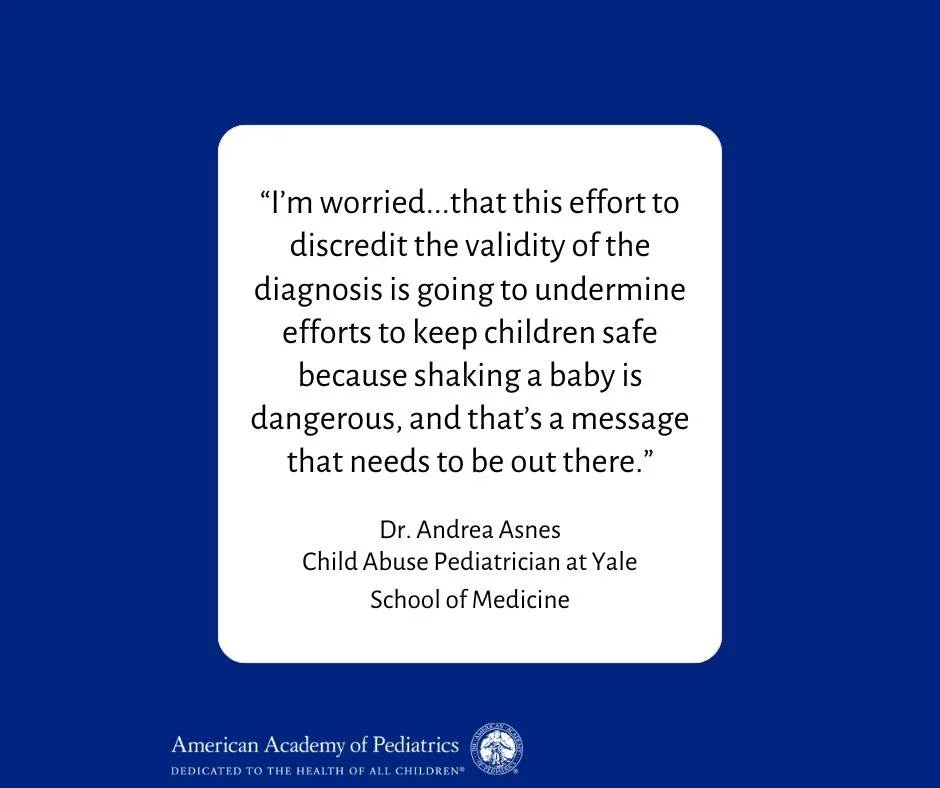
“I’m worried...that this effort to discredit the validity of the diagnosis is going to undermine efforts to keep children safe because shaking a baby is dangerous, and that’s a message that needs to be out there.”
The Children’s Clinic: Your Partner in Protecting Children
At The Children’s Clinic, we’re here to support families through every stage of childhood. From newborn check-ups to guidance on parenting challenges, our pediatricians are here to help you raise healthy, safe, and thriving children.
Have questions or concerns? Let’s talk.
📍 Visit us at: 264 Coatsland Drive, Jackson, TN 38301
📞 Call: (731) 423-1500
🌐 Learn more about our pediatric services: [Insert Clinic Website]
Together, we can protect our most vulnerable—and raise awareness to prevent the tragedies of shaken baby syndrome.
