
Talking with Your Child About Mental Health: Making Every Conversation Count
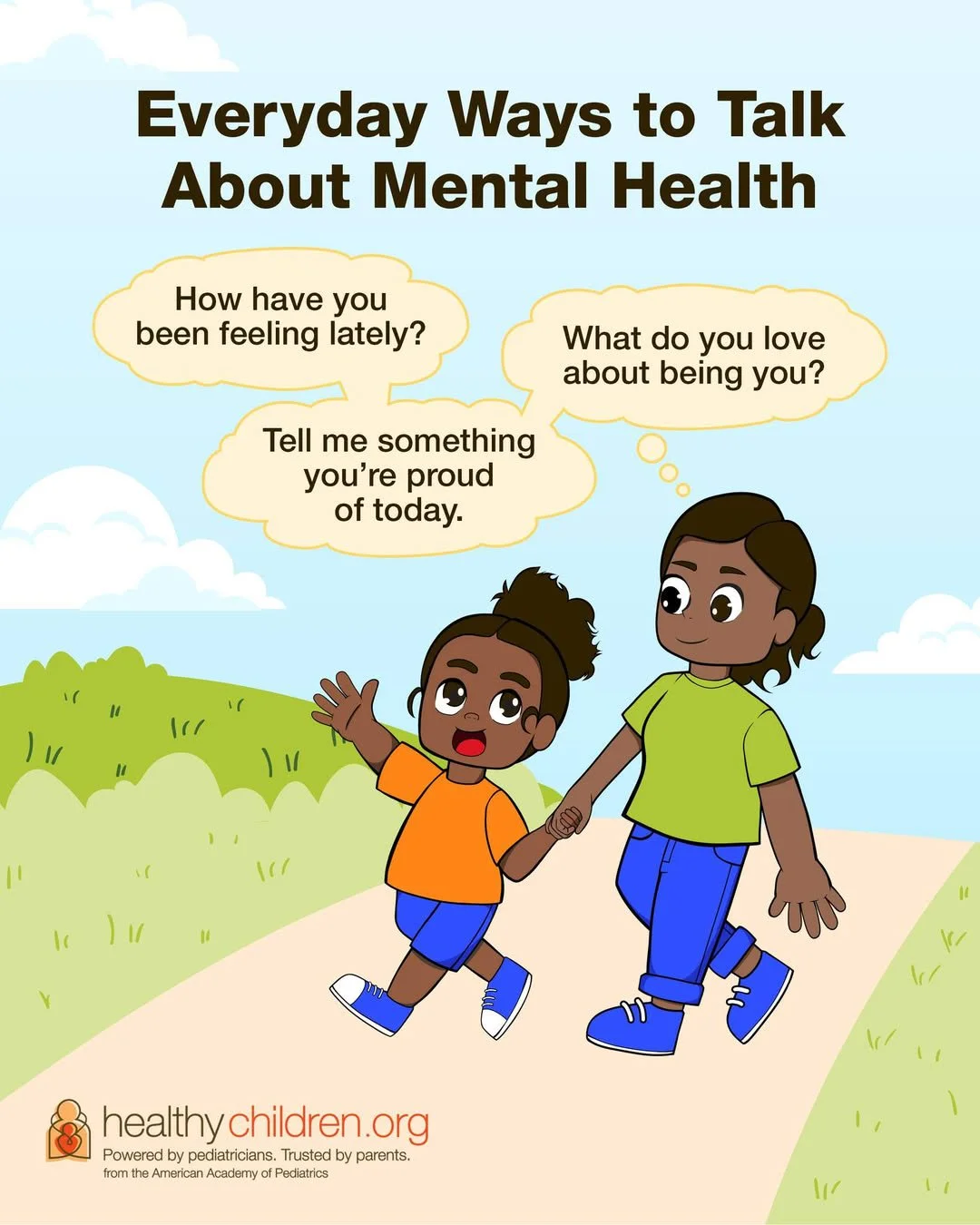
Learning how to talk with your child about mental health takes practice. The more you do it, the easier it gets. These conversations are just as important as the ones you have about physical growth or school performance. Mental health is part of your child’s overall well-being, and the earlier you start talking about it, the more confident and secure your child will feel.
At the Children’s Clinic, we believe in supporting families through every stage of growth, including emotional development. Talking with your child about their mental health doesn’t have to be complicated—just consistent, kind, and open. Keep reading to discover how to begin, what to say, and how we can help.
Why Mental Health Conversations Matter
Kids experience stress, worry, sadness, anger, and loneliness just like adults do. They may not always know how to explain what they’re feeling, and they rely on you to help them understand those emotions. Talking openly about mental health helps children feel safe and supported. It also helps them build the emotional vocabulary they need to express themselves in healthy ways.
When families normalize conversations about feelings, children are more likely to ask for help when they need it. These early discussions can also help prevent small worries from becoming bigger problems over time.
When and How to Start the Conversation
The best time to talk about mental health is when things are calm—not in the middle of a meltdown or conflict. Pick a quiet moment like a car ride, bedtime, or while you’re doing a shared activity. You don’t need to have a script. Just be open, present, and ready to listen.
Use a relaxed tone and body language. Avoid asking too many questions at once or making your child feel pressured to respond. Sometimes, just saying something like, “I’ve noticed you’ve been quiet lately. Want to talk about it?” is enough to open the door.
These talks don’t need to be long or intense. In fact, shorter, more frequent conversations can help your child feel more comfortable and more likely to share in the future.
Simple Tips for Talking About Mental Health
Be a good listener. Give your child time to speak, even if there are long pauses. Don’t interrupt or try to solve everything right away. Sometimes just listening and being there is what matters most.
Use age-appropriate language. Younger children may need help naming feelings. You can say things like, “It sounds like you’re feeling sad” or “You look frustrated. Want to talk about what happened?” Older children and teens may benefit from more open-ended questions like, “What’s been on your mind lately?”
Validate their emotions. Let your child know it’s okay to feel what they’re feeling. Instead of saying, “You’re fine,” try, “That sounds really hard. I’m proud of you for talking about it.”
Keep the tone positive and calm. Kids respond best when they feel safe and not judged. Stay calm even if your child shares something that worries or surprises you.
Make it part of daily life. You don’t need to wait for a crisis to talk about mental health. Ask how your child is feeling, what made them laugh that day, or what stressed them out. Making these questions routine teaches kids that mental health is just as important as physical health.
Signs Your Child May Be Struggling
It’s normal for kids to have ups and downs. But if your child seems more withdrawn, sad, anxious, or angry than usual—or if those feelings last more than a few days—it may be time to check in more deeply. Changes in sleep, appetite, or school performance can also be signs something’s going on emotionally.
Don’t wait for a problem to get bigger. Talking early and often helps your child feel supported. And if they do need help, starting the conversation makes it easier to connect them with the right resources.
What If My Child Doesn’t Want to Talk?
That’s okay. Not every child is ready to open up right away. Let them know that you’re there when they’re ready. You can say, “You don’t have to talk right now, but I want you to know I’m here, and you can come to me anytime.”
It also helps to create opportunities for talking without pressure. Try going for a walk, baking together, or riding in the car. Some children find it easier to talk when they’re not sitting face-to-face.
If your child still doesn’t want to talk after a few tries, that might be a sign to reach out for extra support. Your pediatrician can help you decide what next steps are appropriate for your child’s age and needs.
Teaching Healthy Coping Skills
In addition to talking about feelings, help your child learn healthy ways to handle them. Teach them simple tools like deep breathing, taking a break, writing in a journal, or doing something creative. Encourage physical activity and rest—both are essential for mental wellness.
Model these behaviors yourself. When your child sees you managing stress in healthy ways, they learn that it’s okay to have big feelings—and it’s possible to work through them.
How the Children’s Clinic Can Help
At the Children’s Clinic, we’re here to partner with you every step of the way. Whether you’re just beginning to have conversations about mental health or you’re concerned about your child’s emotional well-being, our team is here to support you.
We provide:
Developmental checkups that include emotional and behavioral screenings
Guidance on how to talk with your child about mental health at every age
Referrals to trusted counselors, therapists, and mental health specialists
A listening ear and reassurance for parents who just want to know they’re doing the right thing
If you have questions or concerns about your child’s mental health, don’t wait. We’re here to listen, support, and guide you in the right direction.
Ready to Talk? We’re Ready to Help
Taking the first step in talking to your child about mental health is one of the best things you can do for their future. You don’t have to be perfect—you just have to be present. And if you ever feel unsure, the Children’s Clinic is here to help you and your child every step of the way.
Children’s Clinic
264 Coatsland Drive
Jackson, TN 38301
📞 Call us at 731-423-1500
Let’s build strong, healthy kids—together.
