
The Hidden Dangers of Raw Milk: What Parents Need to Know
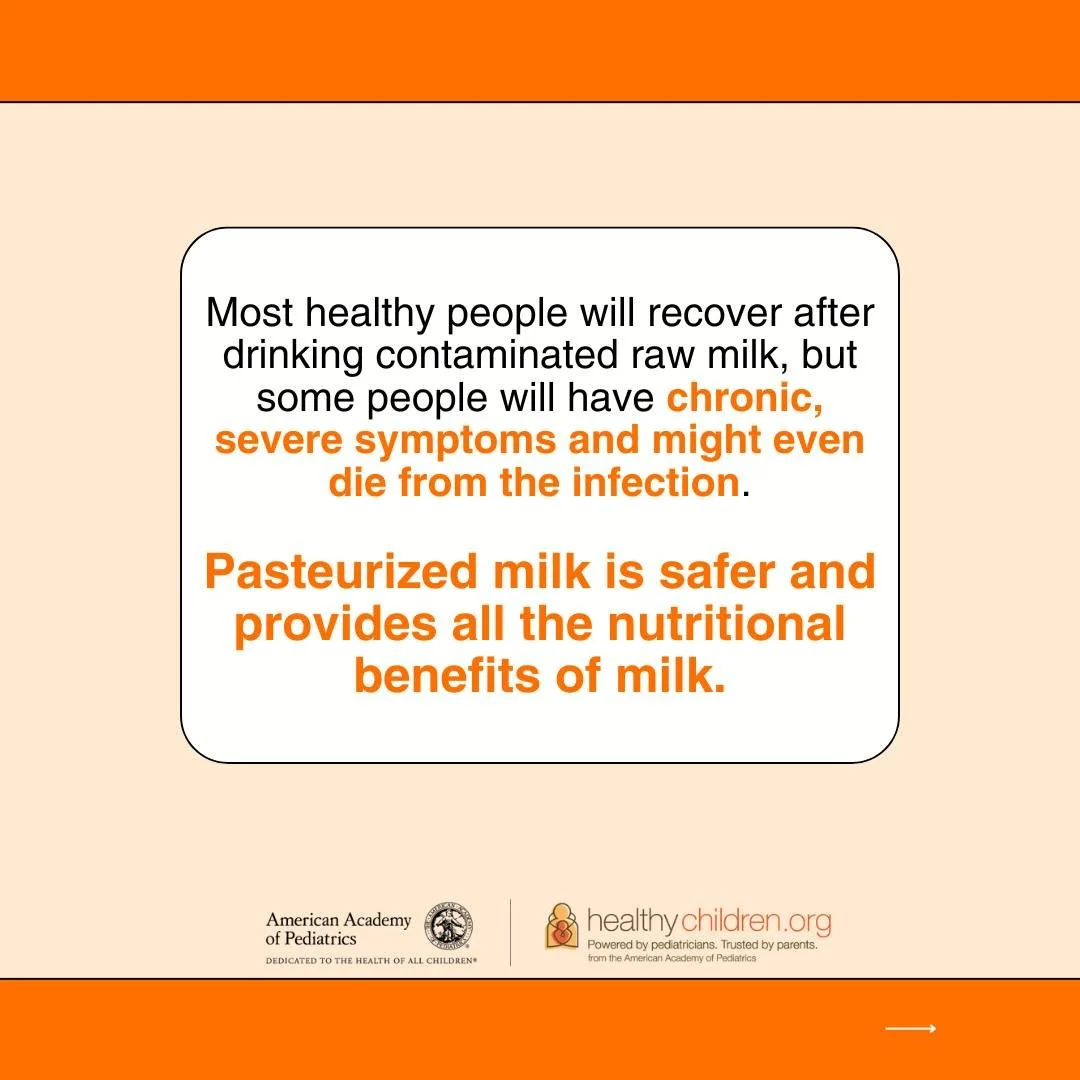
News out of Florida recently has many parents paying closer attention to what’s in their children’s cups. At least 21 people, including six children, were sickened in an E. coli outbreak linked to raw milk. Stories like this highlight why health experts, including pediatricians, continue to warn families about the dangers of drinking milk that hasn’t been pasteurized.
At first glance, raw milk may seem appealing. Some people believe it’s “more natural,” or that it contains extra nutrients compared to the milk you find in your grocery store. But the truth is, raw milk carries serious risks—risks that can lead to life-threatening illness, especially in young children.
As parents, keeping kids safe and healthy is always a top priority. That’s why it’s important to understand the facts about raw milk and why pasteurized milk remains the safest choice for your family.
What Is Raw Milk?
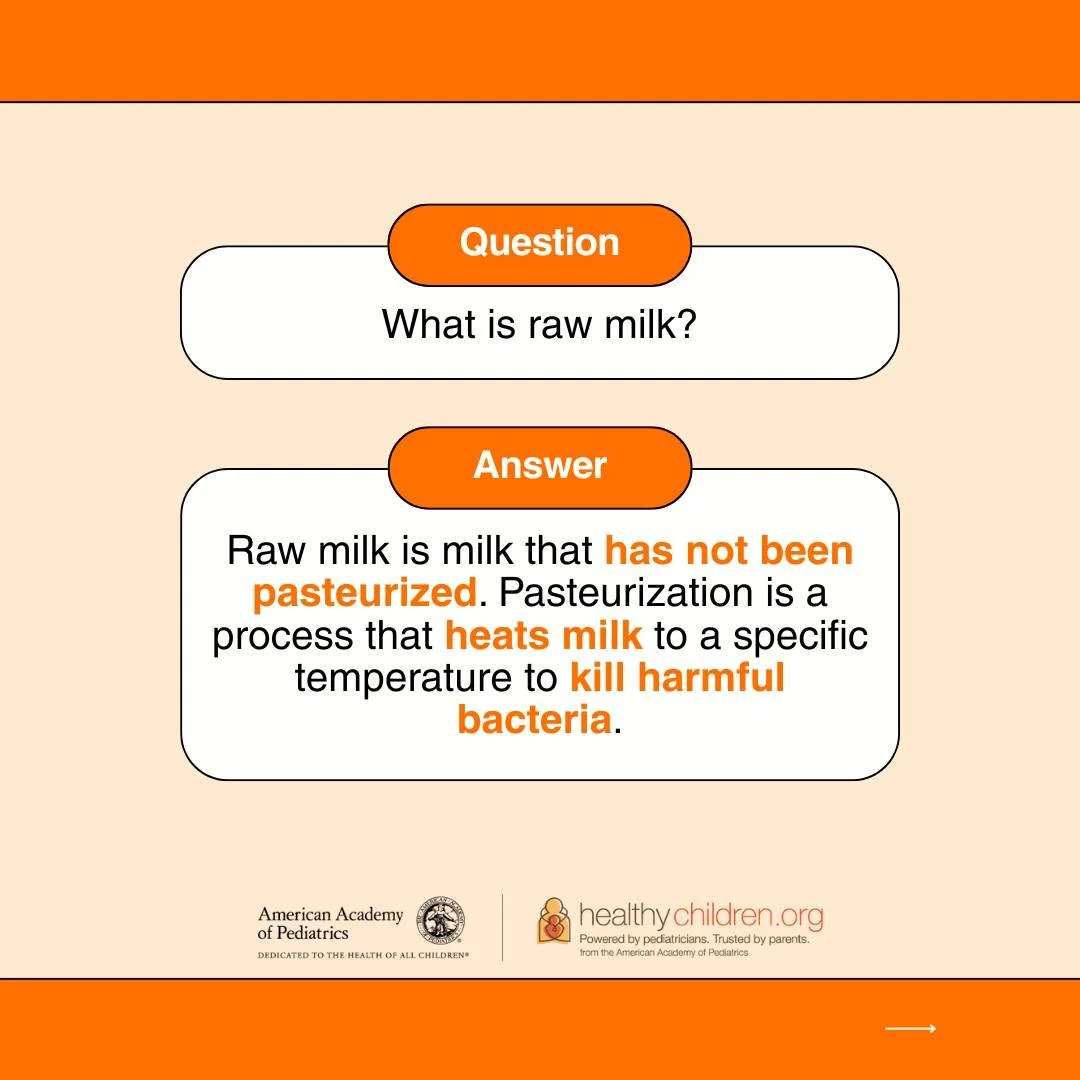
Raw milk is milk that has not gone through the process of pasteurization. Pasteurization is a simple heating process that kills harmful bacteria without reducing the nutritional value of the milk. It’s been used for over a century to keep milk safe for consumption.
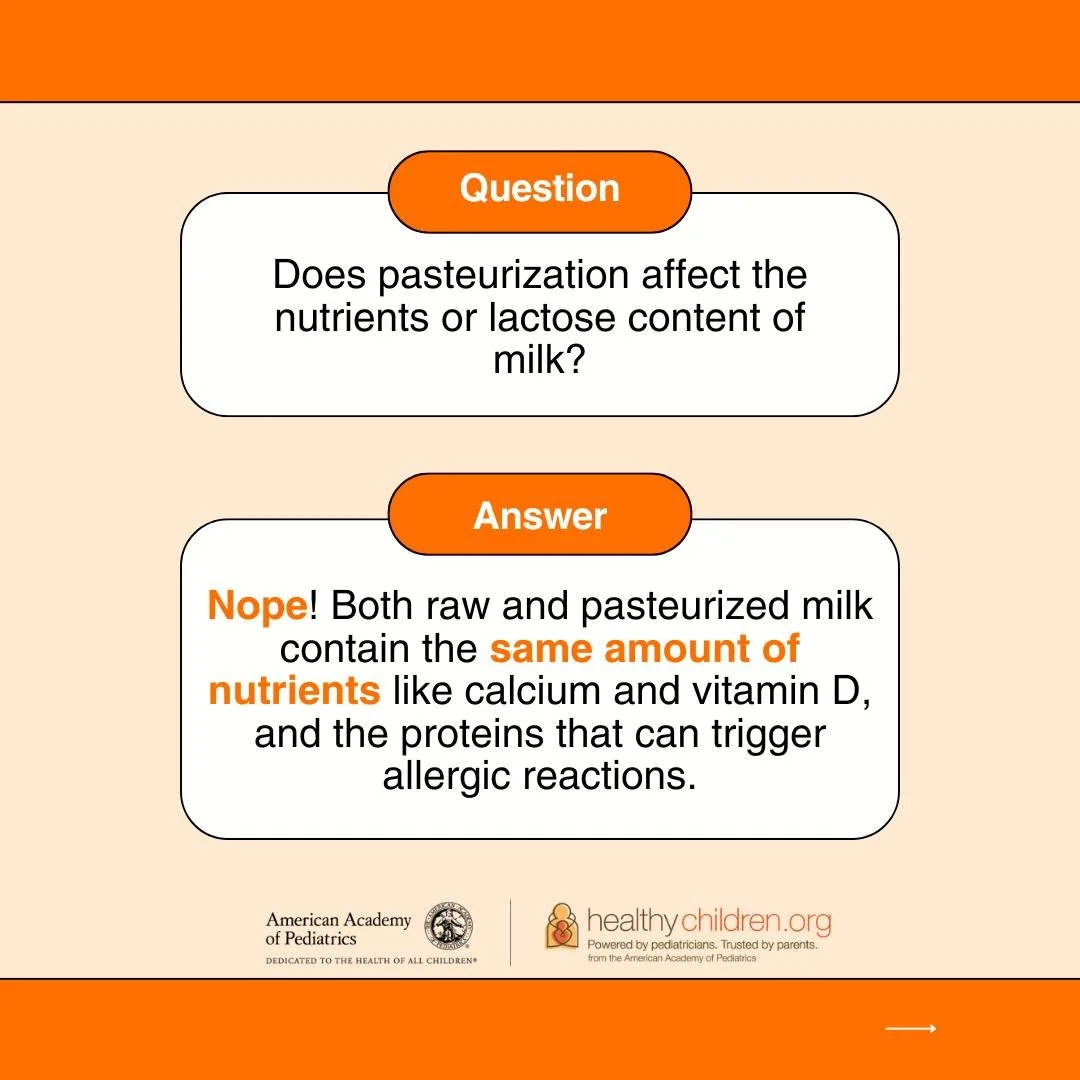
Supporters of raw milk sometimes claim it’s healthier because it hasn’t been altered by heat. However, this is a dangerous misconception. Studies show that pasteurized milk provides all the same nutrients as raw milk—calcium, protein, vitamin D, and other essential vitamins and minerals—without the risk of harmful bacteria.
The Risk of E. coli and Other Bacteria
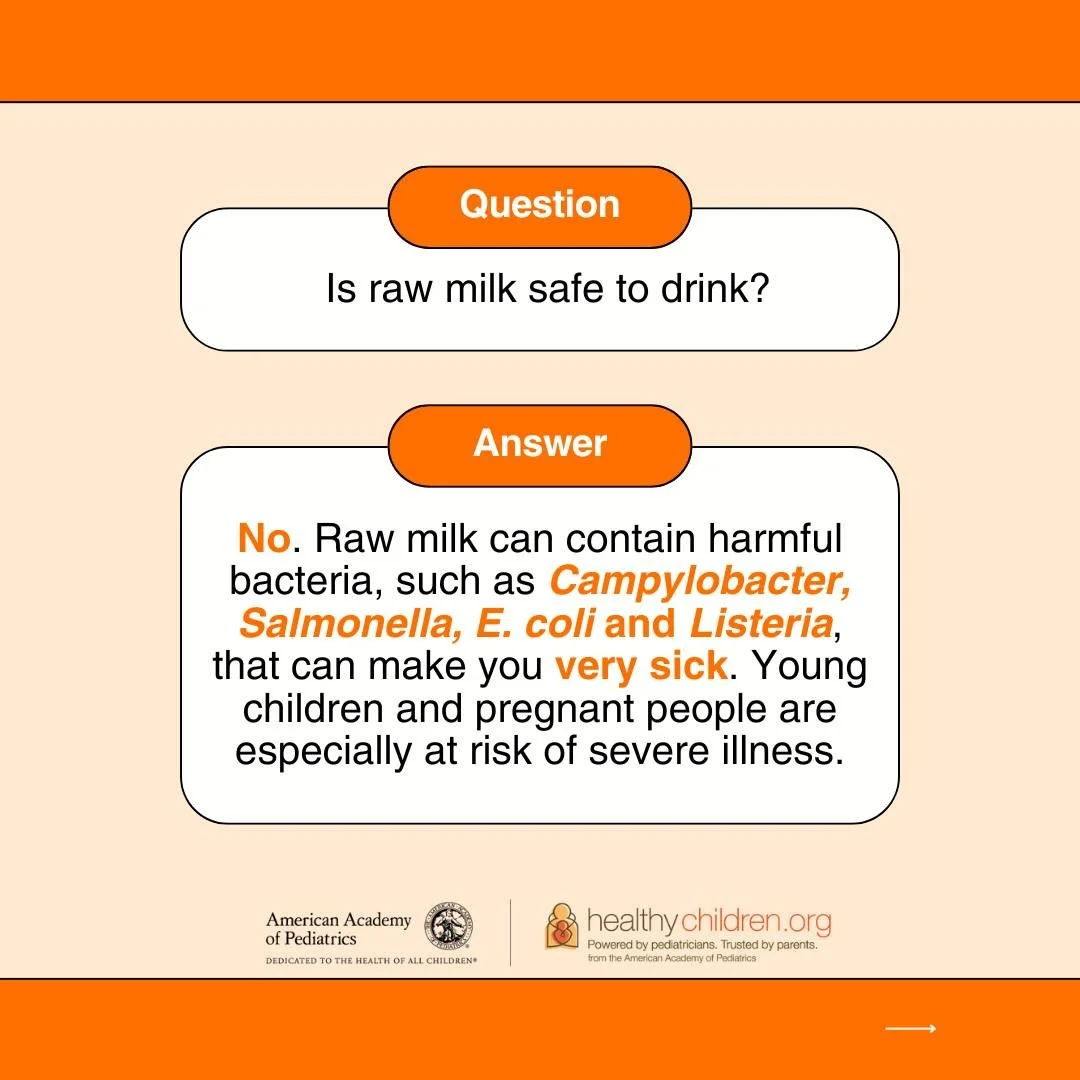
The biggest danger of raw milk is contamination. Harmful bacteria can easily find their way into milk during the milking, storage, or bottling process. These bacteria include:
E. coli – Can cause severe diarrhea, stomach cramps, and in children, a serious complication called hemolytic uremic syndrome (HUS), which can damage the kidneys.
Salmonella – Leads to fever, abdominal pain, vomiting, and diarrhea.
Listeria – Particularly dangerous for pregnant women and newborns, as it can cause miscarriages or life-threatening infections in infants.
Campylobacter – Causes fever, diarrhea, and long-term complications like arthritis or Guillain-Barré syndrome in some cases.
When outbreaks occur, children are often the ones most affected because their immune systems are still developing. In the recent Florida case, six kids became sick, underscoring just how dangerous raw milk can be for families.
Why Children Are at Greater Risk
Kids are not just “small adults.” Their immune systems are still learning how to fight off infections, making them especially vulnerable to bacteria that older teens or adults might recover from more easily.
A sip of raw milk that might cause mild stomach upset in an adult could land a child in the hospital. Severe complications, like kidney failure from E. coli, can have long-term consequences for a child’s health. That’s why pediatricians strongly recommend against giving raw milk to children under any circumstances.
Common Myths About Raw Milk
Raw milk advocates often promote it with claims that sound appealing but aren’t supported by science. Let’s clear up some of the most common myths:
Myth 1: Raw milk has more nutrients.
Fact: Pasteurization does not destroy the important nutrients in milk. Your child still gets calcium, protein, and vitamin D from pasteurized milk, with none of the dangerous bacteria.
Myth 2: Raw milk boosts the immune system.
Fact: Getting sick from contaminated milk does not “train” the immune system—it weakens it and can cause permanent damage.
Myth 3: Farmers who produce raw milk take extra precautions, so it’s safe.
Fact: Even in the cleanest facilities, bacteria can still be present. There is no way to guarantee raw milk is free from harmful germs.
Myth 4: Our grandparents drank raw milk and were fine.
Fact: Before pasteurization became standard, milk-related outbreaks were common. Countless children became ill, and many did not survive. Pasteurization has saved lives for generations.
The Benefits of Pasteurized Milk
Pasteurized milk provides all the goodness your child needs for growth and development:
Calcium – Builds strong bones and teeth.
Vitamin D – Helps the body absorb calcium and supports immune health.
Protein – Essential for growth and muscle development.
B vitamins – Support energy production and brain development.
Choosing pasteurized milk means your child gets these benefits in every glass, without the risk of foodborne illness.
How to Talk to Your Child About Raw Milk
As kids get older, they may hear mixed messages from friends, relatives, or even online sources. It’s important to have age-appropriate conversations with them about why some choices are healthier than others.
You might say:
“Milk helps your bones grow strong, but it has to be cleaned first so it doesn’t make you sick.”
“Raw milk has germs that we can’t see. That’s why we always buy milk that’s been made safe.”
Keeping it simple helps kids understand that safety is just as important as nutrition.
What to Do If Your Child Drinks Raw Milk
If you find out your child has consumed raw milk, don’t panic, but don’t ignore it either. Watch for signs of illness, which can include:
Diarrhea (sometimes bloody)
Severe stomach cramps
Fever
Vomiting
Unusual tiredness or irritability
If your child develops these symptoms, call your pediatrician right away. Early treatment can prevent complications from becoming more serious.
Safer Alternatives for Families
If you’re looking for milk that’s nutritious and safe, stick with pasteurized options from your local grocery store. Many brands now offer organic, grass-fed, or lactose-free varieties if your child has special dietary needs. These products undergo pasteurization just like conventional milk but still meet different preferences for taste or digestive comfort.
For families interested in local farming, some small dairies sell pasteurized milk directly from the farm. This gives you the opportunity to support local agriculture while ensuring your family’s safety.
The Bottom Line for Parents
Raw milk might sound like a wholesome, “natural” option, but the risks far outweigh any perceived benefits. Outbreaks like the one in Florida are a sobering reminder that bacteria in raw milk can be dangerous—especially for kids.
By choosing pasteurized milk, you’re protecting your child from harmful bacteria while still giving them the essential nutrients they need to grow. It’s one of the simplest, most important steps you can take for your family’s health.
Protecting Your Family’s Health
Parenting comes with enough daily challenges. Worrying about what’s in your child’s glass shouldn’t be one of them. Stick with pasteurized milk, and you can feel confident knowing you’re making the safest choice for your family.
If you have questions about nutrition, food safety, or your child’s health, don’t hesitate to reach out to your pediatrician. They’re here to guide you with reliable information so you can make the best decisions for your family.
The Children’s Clinic
📍 264 Coatsland Drive, Jackson, TN 38301
📞 (731) 423-1500
Your child’s health and safety are always our top priority.
