
Making Screen Time Count: How Parents Can Guide Kids Through CoComelon

CoComelon is one of the most popular children’s shows in the world. What started as a YouTube channel has grown into a Netflix hit, racking up billions of views and becoming a household staple for many families. With its catchy songs, bright colors, and lovable characters, it’s easy to see why little ones can’t get enough.
But as much as kids enjoy the show, many child development experts have voiced concerns. They point out that CoComelon moves at a very fast pace, relies on repetitive hooks to keep children glued to the screen, and doesn’t always provide deep educational value. Instead of strengthening attention spans and problem-solving skills, the format can sometimes make it harder for children to transition to calmer activities or focus on real-world play.
That doesn’t mean parents have to pull the plug on CoComelon altogether. With a little intention, you can turn passive screen time into interactive learning time. By joining in with your child and using the songs and stories as conversation starters, you can make the most of the moments they spend watching.
Here’s what you need to know—and some ideas you can use today.
Why CoComelon Appeals to Kids
Children are naturally drawn to bright colors, music, and repetition. CoComelon is designed around those features, which is why toddlers and preschoolers find it so captivating. Each episode is filled with upbeat songs, rhythmic patterns, and cheerful animations that match the developmental stage where kids are learning through sound and sight.
The challenge is that because the pace is so quick, it can condition children to expect constant stimulation. That can make it harder for them to sit still during story time, play quietly, or adjust to real-life situations that don’t move quite as fast.
As parents, we can’t change the way the show is made—but we can balance it out by slowing things down, asking questions, and giving our kids chances to think, move, and respond while watching.
Turning CoComelon Into a Learning Tool
Instead of worrying that screen time is wasted time, think of yourself as your child’s guide. Here are some practical ways to add value when watching together:
1. Pause and Ask Questions
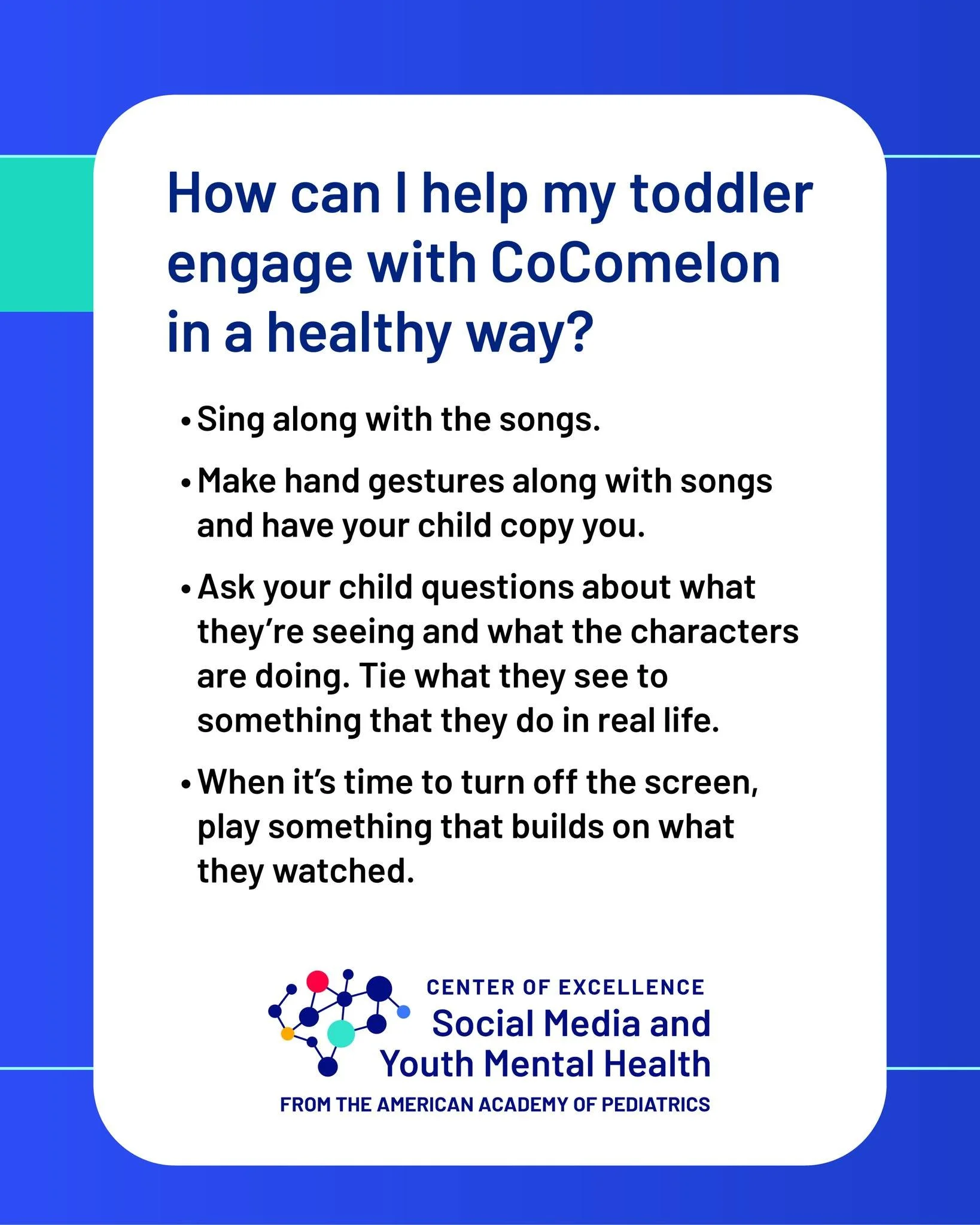
If your child is watching an episode about sharing toys, pause the video and ask, “What do you think JJ should do?” or “Have you ever shared your toy with a friend?” This helps them practice recalling experiences and connecting the story to their own lives.
2. Sing Along Together
The music in CoComelon is catchy for a reason. Use that to your advantage by singing with your child. Clap, dance, or add hand motions to go along with the song. This not only boosts memory but also strengthens coordination and language development.
3. Reinforce Real-World Skills
Many episodes feature daily routines like brushing teeth, going to bed, or visiting the doctor. Use those as teachable moments. If JJ is brushing his teeth, pause the video and say, “Let’s go practice together.” If he’s learning about kindness, talk about how your child can show kindness at home.
4. Encourage Storytelling
After an episode ends, ask your child to tell you what happened. Younger children might only remember one detail, but older preschoolers can practice retelling the story in their own words. This builds narrative skills and helps with early literacy.
5. Set Time Limits and Keep Balance
Even with interaction, too much screen time can still be overwhelming. The American Academy of Pediatrics recommends limiting screen time for toddlers and preschoolers to one hour per day of high-quality programming. CoComelon can be part of that, but balance it with outdoor play, reading, and imaginative games.
What Experts Say About CoComelon
Some professionals compare shows like CoComelon to “digital candy”—sweet, fun, and appealing, but not something that provides lasting nutrition for the brain. The concern isn’t that children watch it occasionally, but that it might become the default babysitter for hours at a time.
Children thrive when they interact with real people, solve problems with their hands, and use their imaginations. That’s how they build executive function skills—the abilities to focus, manage emotions, and plan ahead. Fast-paced shows don’t always give them the chance to practice those skills.
Still, experts also agree that parents can play a powerful role. When caregivers engage with children during or after viewing, the experience shifts from being passive entertainment to active learning.
Practical Ways to Watch With Your Child
If CoComelon is already a regular part of your household, here are some simple adjustments to make it more beneficial:
Create a Viewing Routine: Instead of having the show run in the background, choose specific times—like after breakfast or before nap—for watching. This gives kids predictability and prevents overstimulation.
Tie Episodes to Daily Life: If your child watches an episode about helping parents in the kitchen, invite them to stir ingredients or set the table. This helps them see how TV lessons connect to real life.
Introduce Alternatives: Balance CoComelon with slower-paced shows or educational content, such as PBS Kids programming, which often gives children more time to process information.
Talk About Feelings: Many CoComelon episodes feature characters experiencing big emotions. Pause to ask your child how JJ is feeling and whether they’ve ever felt that way. This encourages emotional awareness.
Model Healthy Habits: Show your child that screens aren’t the only fun thing to do. Read, color, or play outside together after an episode to keep life well-rounded.
Finding the Right Balance
Every parent knows there are times when screen time feels like a lifesaver. Maybe you need a few minutes to make dinner, fold laundry, or simply catch your breath. There’s no shame in letting your child watch CoComelon while you handle other responsibilities.
What matters is balance and intention. Screen time shouldn’t replace conversation, playtime, or reading. Instead, think of CoComelon as one small piece of your child’s day. When you make it interactive, it can even serve as a springboard for new skills.
Tips for Reducing Resistance
Some parents notice that their children struggle when it’s time to turn the show off. If that’s the case in your house, try these strategies:
Give Warnings: Let your child know when the show is almost over: “One more song, then we’ll turn it off.”
Offer a Transition: Move directly into another engaging activity, like going outside or playing with a favorite toy.
Stay Consistent: Keep boundaries firm and predictable. If screen time always ends after one or two episodes, your child will adjust to the routine.
Stay Calm: Tantrums might happen at first, but staying calm and consistent shows your child that the rules won’t change.
When to Talk With Your Pediatrician
Every child is different. Some handle fast-paced shows just fine, while others may become more irritable, overstimulated, or have trouble focusing afterward. If you notice ongoing struggles with sleep, behavior, or attention, it’s worth bringing up at your child’s next pediatrician visit.
Your pediatrician can help you understand whether what you’re seeing is normal or if your child might benefit from extra support in managing screen time.
The Bottom Line
CoComelon isn’t going anywhere—it’s a global phenomenon and a favorite for millions of kids. While it may not always provide the deep educational lessons parents hope for, it can still be used in positive ways. By watching alongside your child, asking questions, and encouraging real-life connections, you can transform screen time into an opportunity for growth.
Remember: it’s not about perfection. It’s about being present, setting healthy limits, and giving your child a variety of experiences that support their development.
Need More Guidance? We’re Here to Help
At The Children’s Clinic, we understand the challenges of raising kids in a digital world. From questions about screen time to concerns about sleep, behavior, or development, our team is here to support you every step of the way.
📍 264 Coatsland Drive, Jackson, TN, 38301
📞 Call us today at 731-423-1500 to schedule an appointment or speak with a member of our care team.
Together, we can help your child grow up healthy, balanced, and ready for all the opportunities ahead.
