
Talking to Your Child About Traumatic News: Helping Them Feel Safe After a School Shooting
The news out of Minneapolis this week has left many parents feeling shaken, anxious, and unsure of what to say to their children. When tragedies such as school shootings appear on television, social media, or are discussed at school, kids absorb more than we realize. They may not fully understand the details, but they pick up on the fear, sadness, and confusion. As parents, it’s natural to want to shield our children from difficult conversations—but the truth is, talking openly and calmly is one of the most powerful ways to help them process what they’ve seen and heard.
Every child responds differently to frightening events, but no matter their age, they need reassurance that they are loved, supported, and safe. Below, we’ll walk through five important ways to talk to your child about traumatic news, specifically events like school shootings, and how to make those conversations meaningful and reassuring.
1. Start With Listening
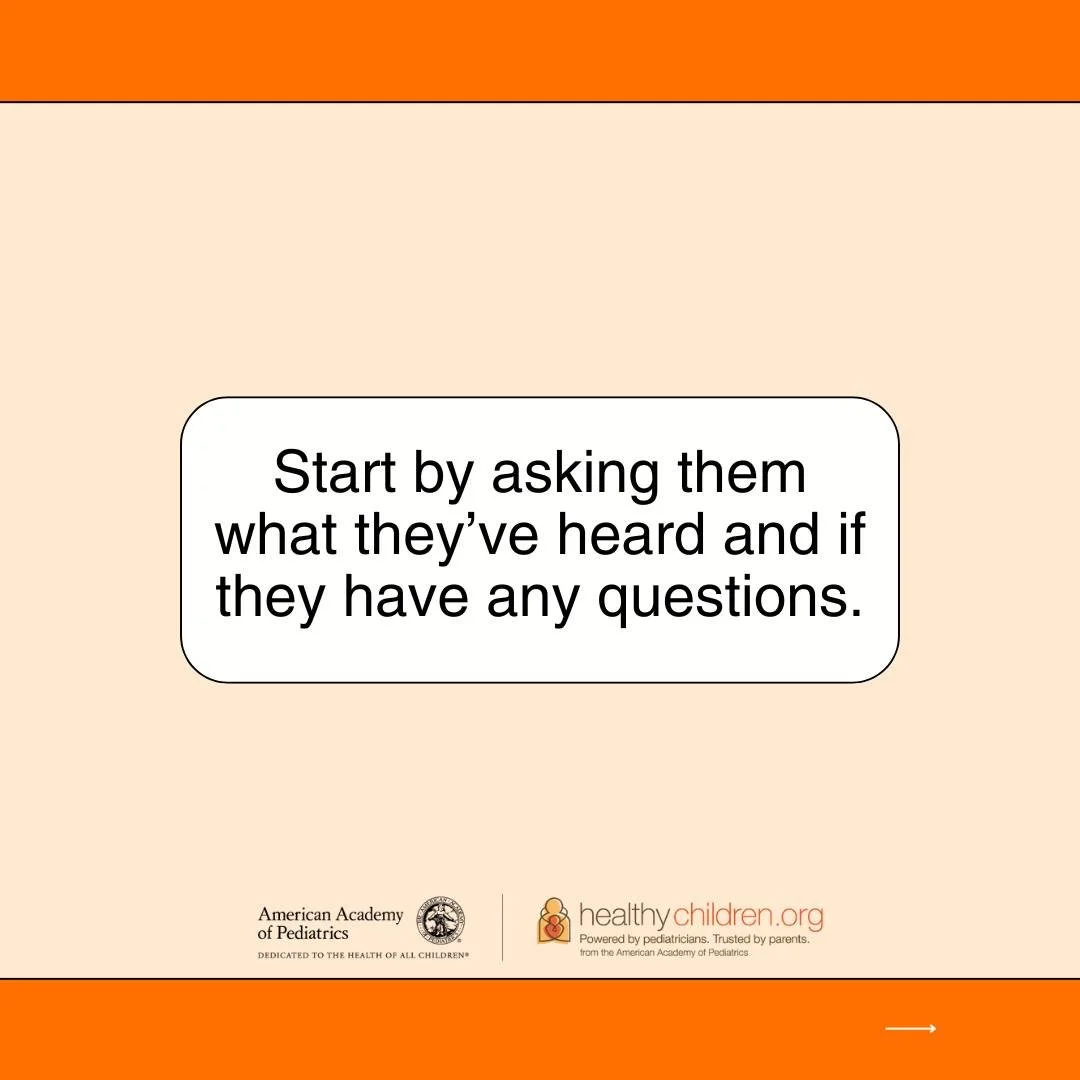
When a tragic event is all over the news, your first instinct might be to jump in with explanations. Instead, begin by asking your child what they already know or have heard.
Children may hear details at school, catch pieces of conversations between adults, or see videos on social media. Sometimes the information is incomplete or inaccurate, and that can create even more fear. Start simply:
“Did you hear anything at school today about what happened?”
“What have you seen online?”
“How are you feeling about it?”
Let them talk first. Their questions and emotions will guide your response. Listening without judgment helps them feel safe opening up, and it also allows you to gently correct misinformation.
2. Keep Explanations Age-Appropriate
The way you talk to a preschooler about tragic events will look very different than the conversation you have with a teenager. Young children don’t need detailed explanations. Too much information can overwhelm them. Instead, keep your words simple and clear:
For preschool and early elementary children: “A very sad thing happened far away. Some people were hurt. The adults around you are here to keep you safe.”
For older elementary children: “There was a school shooting in another city. It was very sad and scary, and it’s okay to have lots of feelings about it. But your teachers, your school, and we as your parents are always working to keep you safe.”
For middle schoolers and teens: You can acknowledge more of the realities, while also discussing safety measures in place and allowing space for them to share opinions, frustrations, or fears. Teens often want to know why things happen, so it’s important to listen and validate their thoughts, even if you don’t have all the answers.
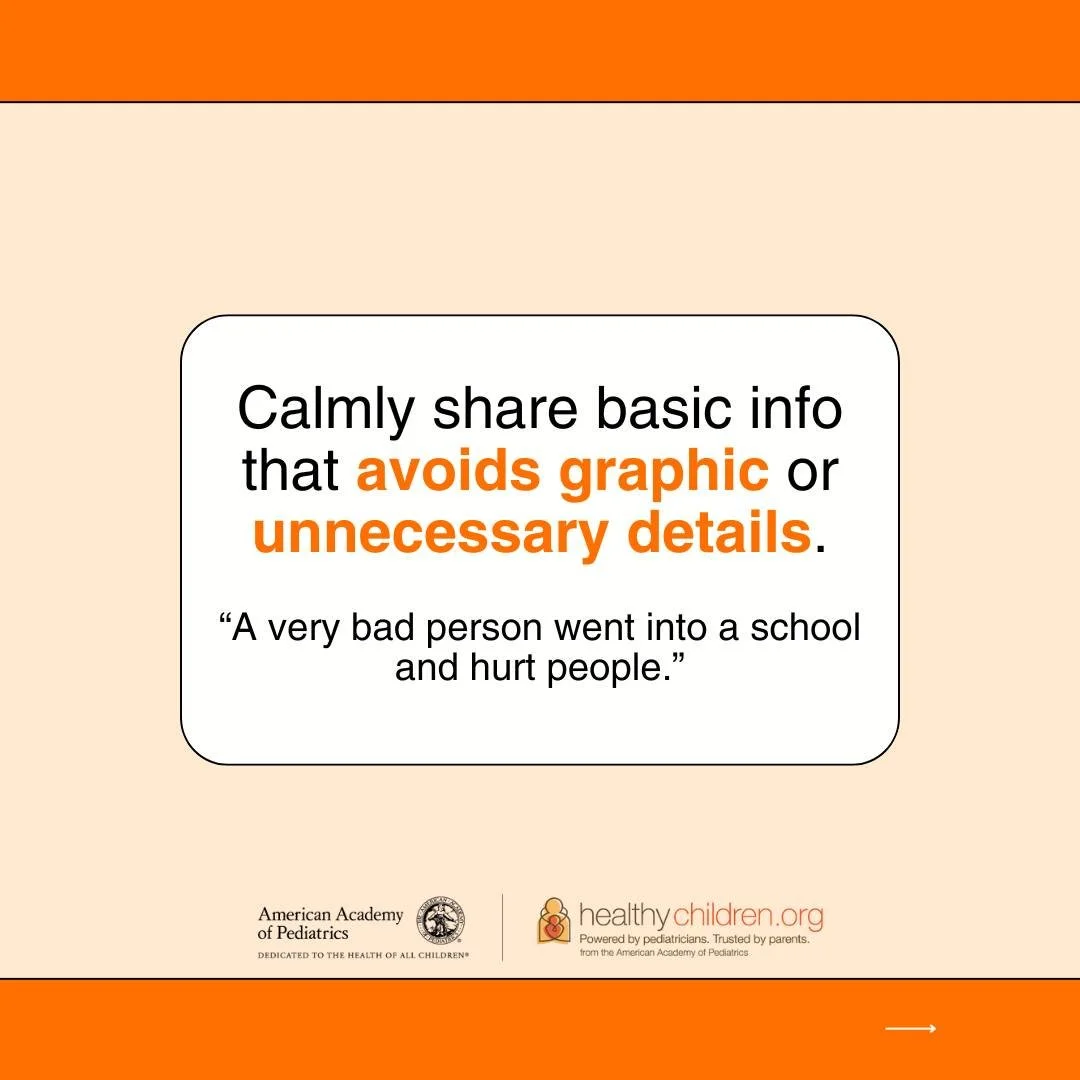
The key is to be honest while avoiding graphic or overly detailed descriptions.
3. Reassure Their Safety
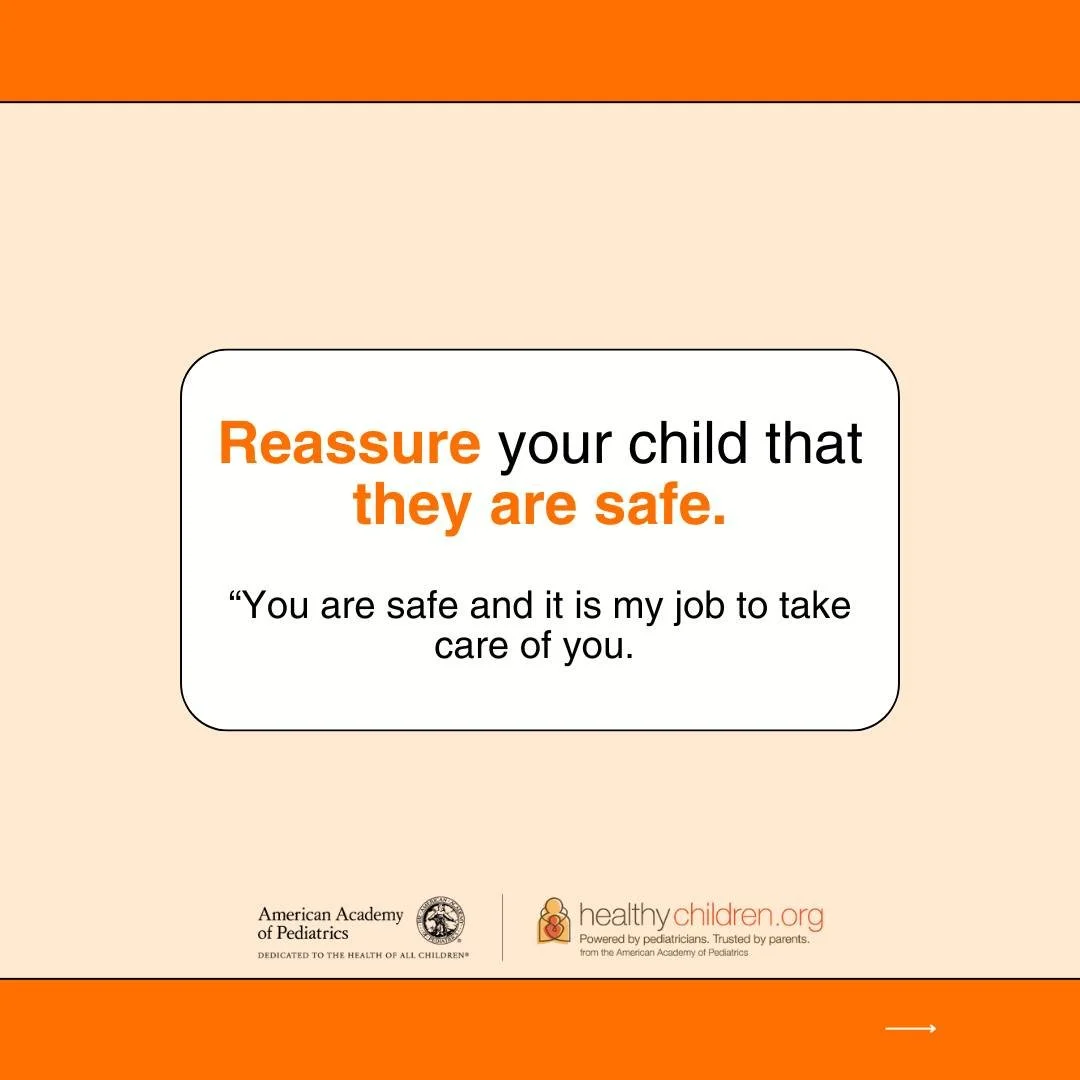
One of the biggest fears children have after hearing about a school shooting is: “Could this happen to me?” While we can’t promise that nothing bad will ever happen, we can remind children of the many steps schools and communities take to keep students safe.
Talk about safety drills, secure entrances, and the presence of caring teachers and staff. Highlight the ways adults work hard every day to protect children. Remind them that while tragedies like this make the news, they are still very rare.
Sometimes, physical reassurance goes a long way—hugs, sitting close, or simply spending extra time together can help reinforce the feeling of safety.
4. Limit Media Exposure
In the days after a traumatic event, media coverage can be overwhelming. Continuous updates, dramatic headlines, and graphic footage can increase fear and anxiety, even for adults. For kids, this exposure can be especially damaging.
Turn off the news when children are in the room.
Set limits on social media scrolling, particularly for older children and teens.
Encourage breaks from screens and focus on family activities, outdoor play, or creative outlets.
If your teen is seeing news on their phone, encourage them to talk about what they’re watching and feeling. This opens the door for you to help them process responsibly instead of internalizing fear alone.
5. Encourage Healthy Expression of Feelings
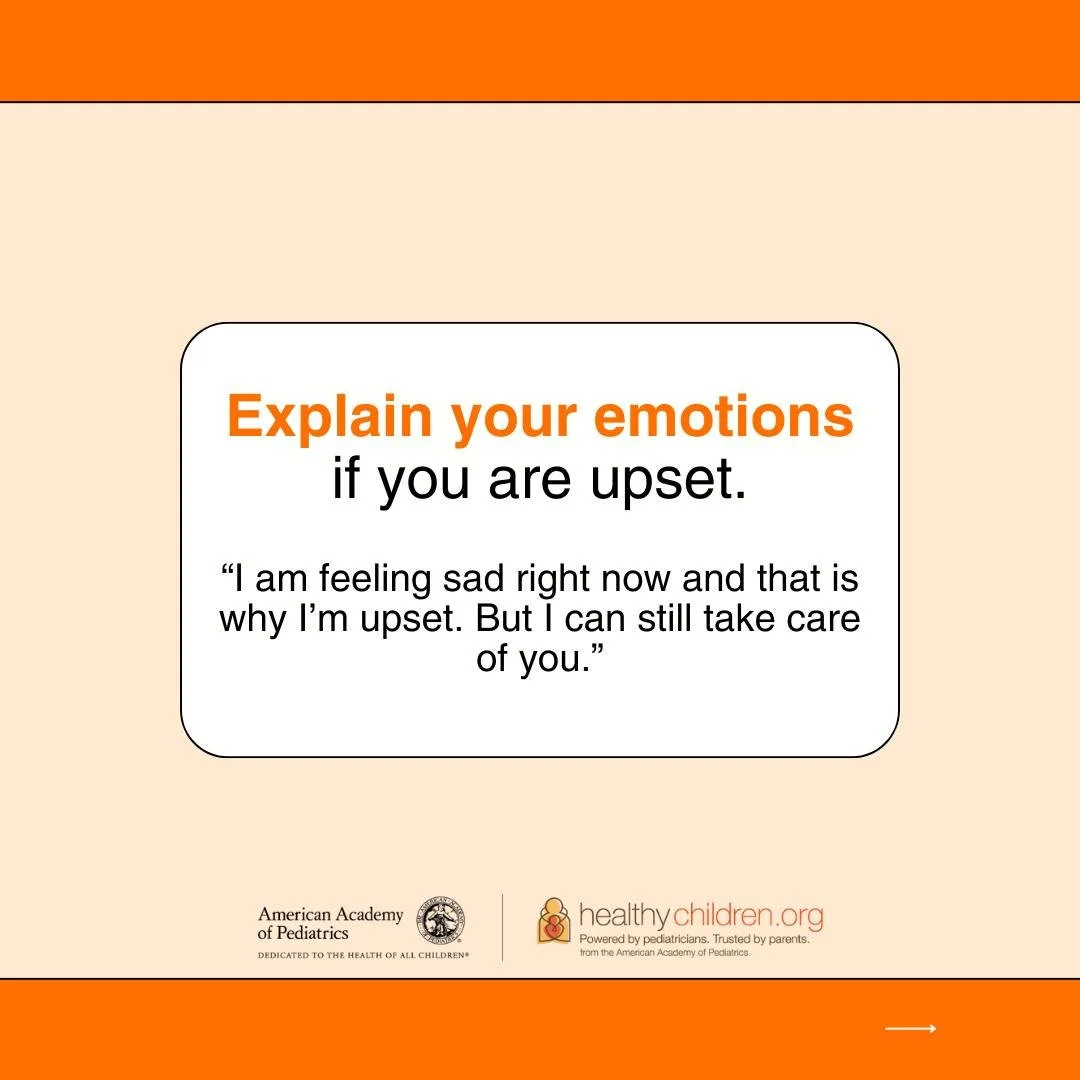
After hearing about a tragedy, children may feel sad, angry, confused, or even guilty for being safe when others were not. Encourage them to share those feelings in ways that feel natural to them.
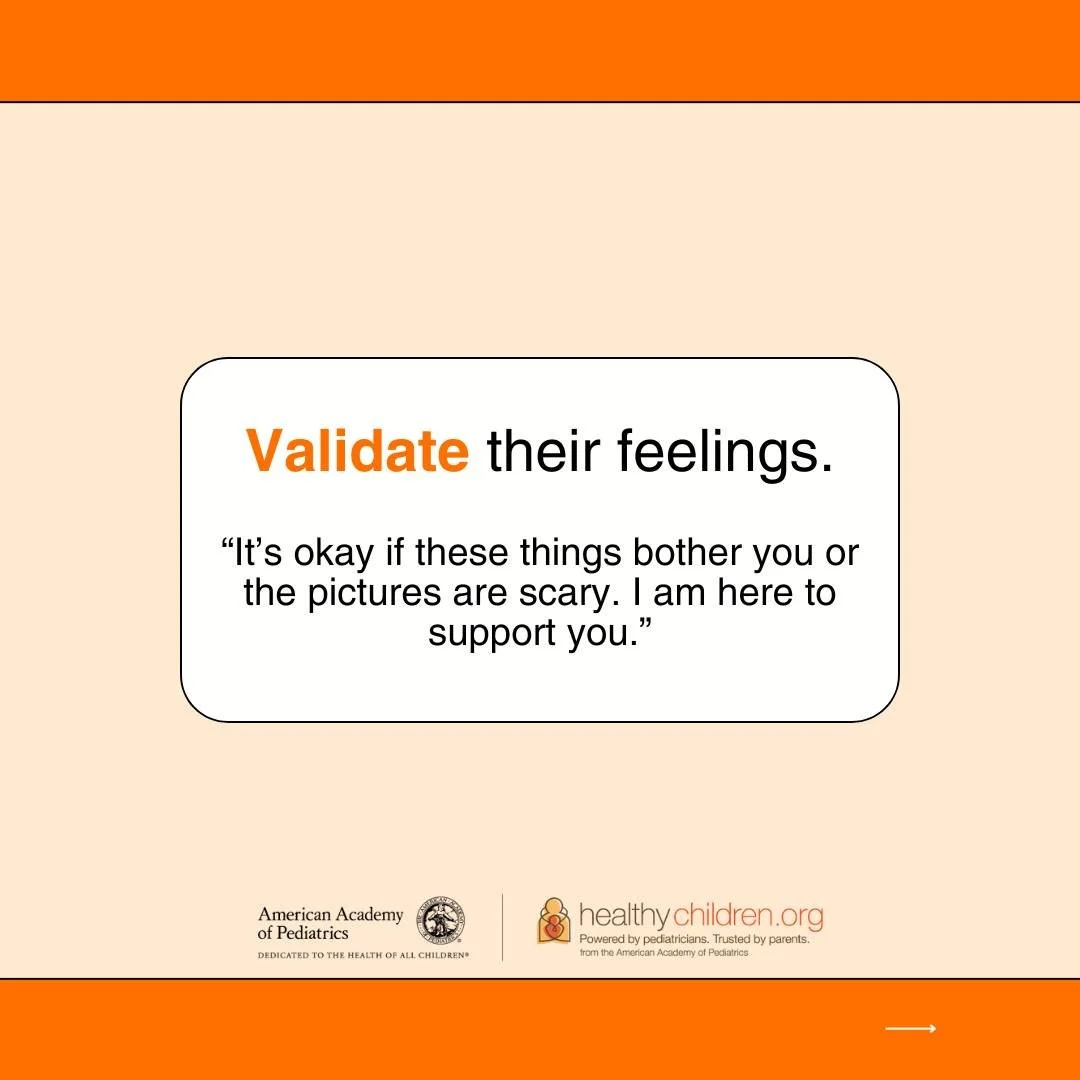
Younger children might express themselves through drawing or play. Older kids may want to write in a journal, listen to music, or simply talk. Let them know that all feelings are valid and that it’s okay to be sad, worried, or even unsure of how to feel.
Remind them that it’s normal to have questions or need repeated reassurance. Traumatic events can resurface feelings for days or weeks afterward, so check in regularly and keep the lines of communication open.
Taking Care of Yourself, Too
As parents, we can’t pour from an empty cup. If you’re struggling with your own emotions after hearing about a school shooting, it’s okay to acknowledge that. Seek support from friends, family, or professionals. Children are perceptive, and they’ll pick up on your stress. Taking care of your own mental health helps you be present and calm for your child.
When to Seek Professional Help
For most children, the fear and sadness that follow tragic news will ease with time, reassurance, and support from loved ones. However, sometimes the anxiety lingers or becomes overwhelming. Signs your child may need additional help include:
Trouble sleeping or frequent nightmares
Ongoing changes in appetite or mood
Withdrawal from friends and activities they usually enjoy
Increased irritability or frequent crying
Reluctance or fear about going to school
If you notice these signs, it may be helpful to reach out to your pediatrician or a child mental health professional. They can provide resources, counseling, and guidance tailored to your child’s needs.
A Final Word
It’s heartbreaking that conversations about school shootings have become necessary, but parents don’t have to face these talks alone. By listening first, keeping discussions age-appropriate, offering reassurance, limiting exposure to media, and encouraging healthy emotional expression, you can help your child feel supported and secure, even in the face of frightening news.
Most importantly, remind your child that they are loved and that their feelings matter. In uncertain times, that reassurance makes all the difference.
We’re Here for Your Family
At The Children’s Clinic, we know how difficult it can be to navigate conversations about traumatic events with your child. Our team of pediatricians is here not only to care for your child’s physical health but also to support their emotional well-being.
If you have concerns about how your child is processing recent events, don’t hesitate to reach out. We can help guide you with resources, reassurance, and professional care when needed.
📍 The Children’s Clinic
264 Coatsland Drive
Jackson, TN 38301
📞 Phone: 731-423-1500
Your child’s health and safety—both physical and emotional—are our highest priority.
