
Fevers — What Parents Need to Know
Few things make parents more anxious than feeling a warm forehead in the middle of the night. Fevers can be scary, especially when your child looks uncomfortable or isn’t acting like themselves. The good news? Fevers are very common in children and, in many cases, they’re a normal sign that the body is doing its job.
Understanding what causes fevers, how to manage them safely, and when to call your pediatrician can help take some of the fear out of the moment.
What Is a Fever, Really?
A fever isn’t an illness on its own — it’s a symptom. It’s the body’s natural response to infection, usually caused by a virus or bacteria. When the immune system detects something it doesn’t like, it raises the body temperature to help fight it off.
In children, a temperature of 100.4°F or higher is considered a fever.
Not Every Fever Needs Treatment
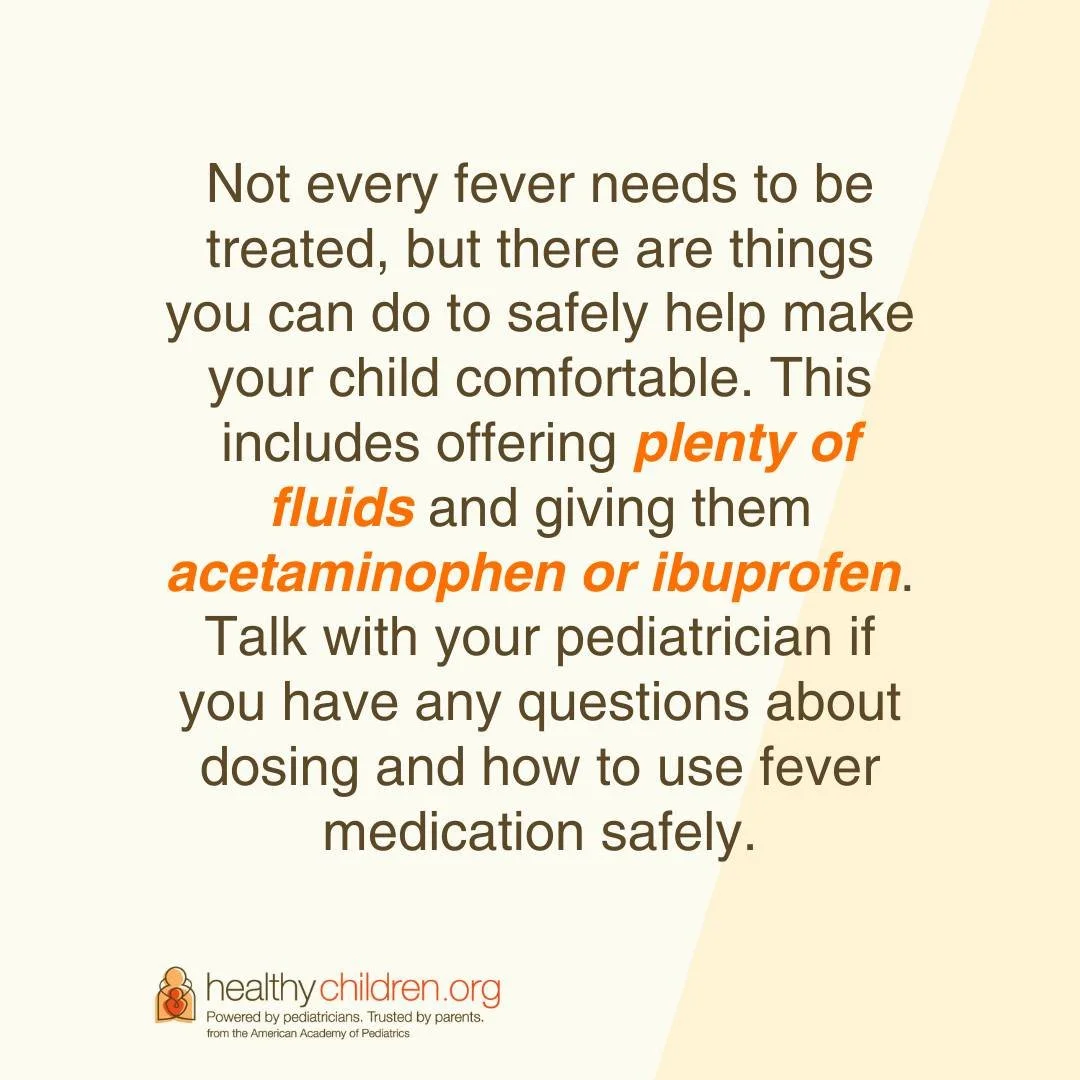
One of the biggest misconceptions about fevers is that they always need to be “brought down.” In reality, the goal isn’t to eliminate the fever — it’s to make your child comfortable.
If your child is drinking fluids, resting, and generally acting okay, a mild fever may not need medication at all. However, there are safe ways to help your child feel better if they’re uncomfortable.
How to Help Your Child Feel More Comfortable
If your child has a fever and isn’t feeling great, focus on comfort rather than the number on the thermometer.
Offer plenty of fluids to prevent dehydration. This can include water, milk, formula, breast milk, or electrolyte drinks for older children. Fever increases fluid loss, so hydration is key.
You can also use acetaminophen or ibuprofen to help relieve discomfort. Always follow the dosing instructions based on your child’s age and weight, and never give aspirin to children.
Dress your child in lightweight clothing and keep the room at a comfortable temperature. Cool baths or alcohol rubs are not recommended.
When to Call Your Pediatrician
While most fevers are harmless, there are times when you should call your child’s pediatrician right away.
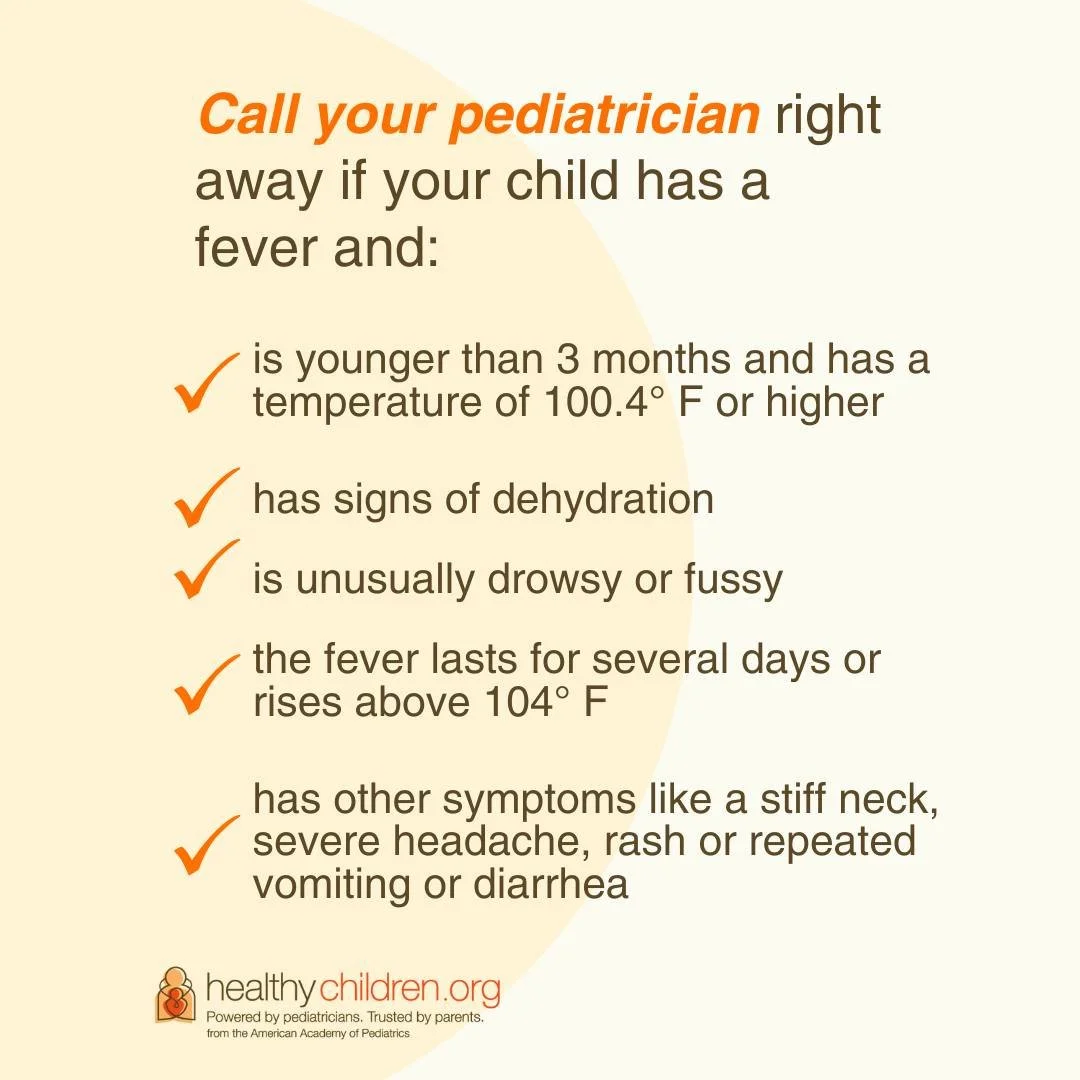
Contact your pediatrician immediately if your child:
Is younger than 3 months old and has a temperature of 100.4°F or higher
Shows signs of dehydration, such as dry mouth, fewer wet diapers, or no tears when crying
Is unusually drowsy, difficult to wake, or extremely fussy
Has a fever that lasts several days or rises above 104°F
Has additional symptoms like a stiff neck, severe headache, rash, repeated vomiting, or diarrhea
Trust your instincts — if something doesn’t feel right, it’s always okay to call.
You’re Not Alone
Fevers can feel overwhelming, especially for new parents, but you don’t have to navigate them alone. Having a trusted pediatrician who knows your child and your family can make all the difference.
If you ever have questions about fever management, medication dosing, or when to seek care, reach out to your pediatrician. We’re here to help keep your child healthy — and give parents peace of mind.
📍 The Children’s Clinic
264 Coatsland Drive
Jackson, TN 38301
📞 731-423-1500
