
3 Car Seat Safety Tips Every Jackson, TN Parent Should Know
Car seats are one of the greatest technological innovations of the 20th century. When used properly, they can reduce the risk of death or injury in a crash by up to 82% for children.
That’s an incredible level of protection — but only if the seat is installed and used correctly.
In a recent guest column published in The Washington Post, pediatrician Dr. Perri Klass and former American Academy of Pediatrics President Dr. Ben Hoffman outlined key ways parents can make sure their children are getting the full safety benefits car seats are designed to provide.
At The Children’s Clinic in Jackson, TN, we want families across Madison County and West Tennessee to feel confident that their child’s car seat is doing its job.
Here are three essential safety reminders.
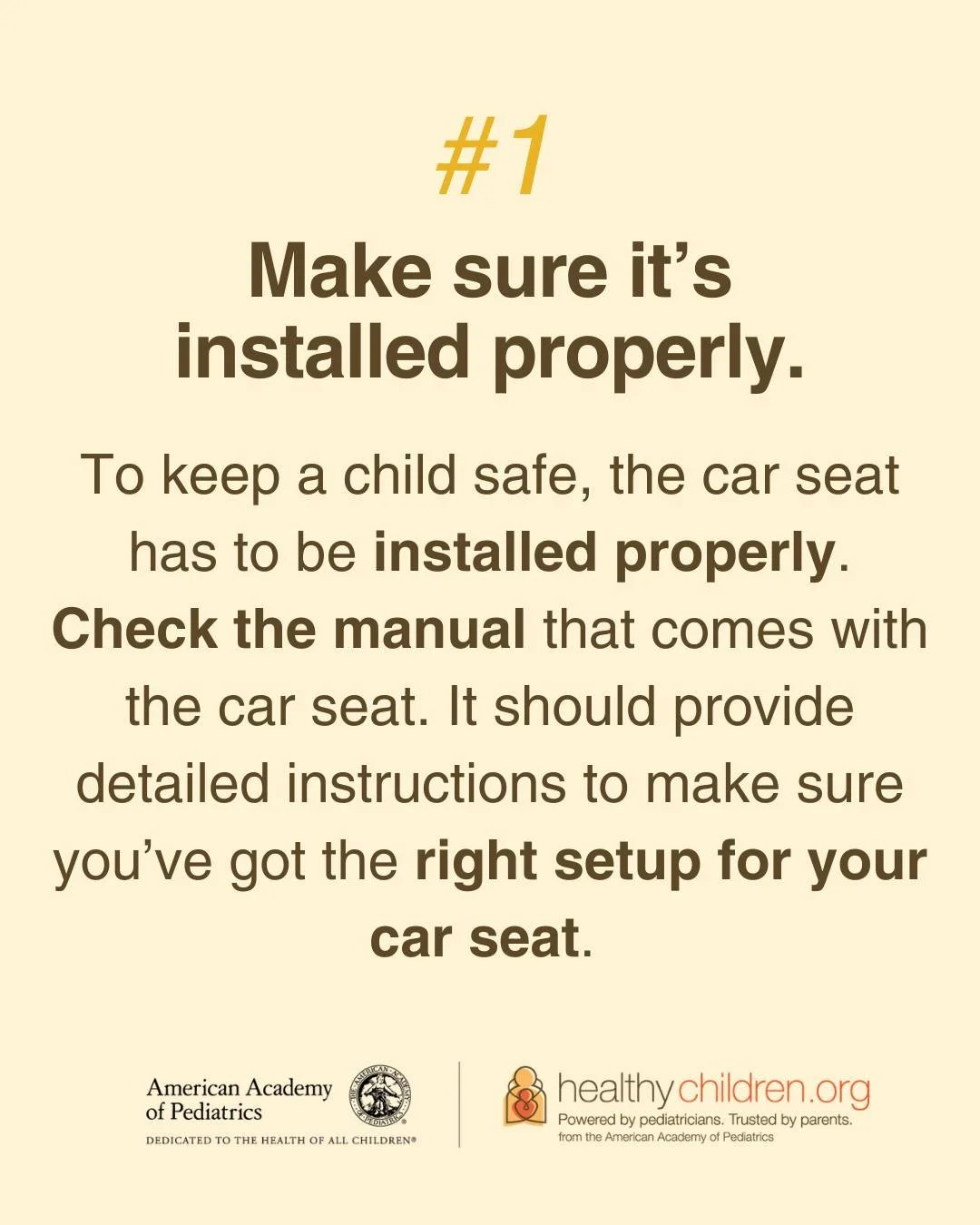
#1 Make Sure It’s Installed Properly
To keep a child safe, the car seat must be installed correctly.
Studies show that a significant number of car seats are installed incorrectly — often without parents realizing it. Even small mistakes can reduce the level of protection during a crash.
Every car seat comes with a detailed manual. That manual explains:
How tightly the seat should be secured
The correct angle for rear-facing installation
Where to place anchors or seat belts
Weight and height limits
Take the time to carefully read both your car seat manual and your vehicle’s owner manual. They work together.
A properly installed car seat should not move more than one inch side-to-side at the belt path.
If you are unsure, consider having your seat checked by a certified Child Passenger Safety Technician in the Jackson area.
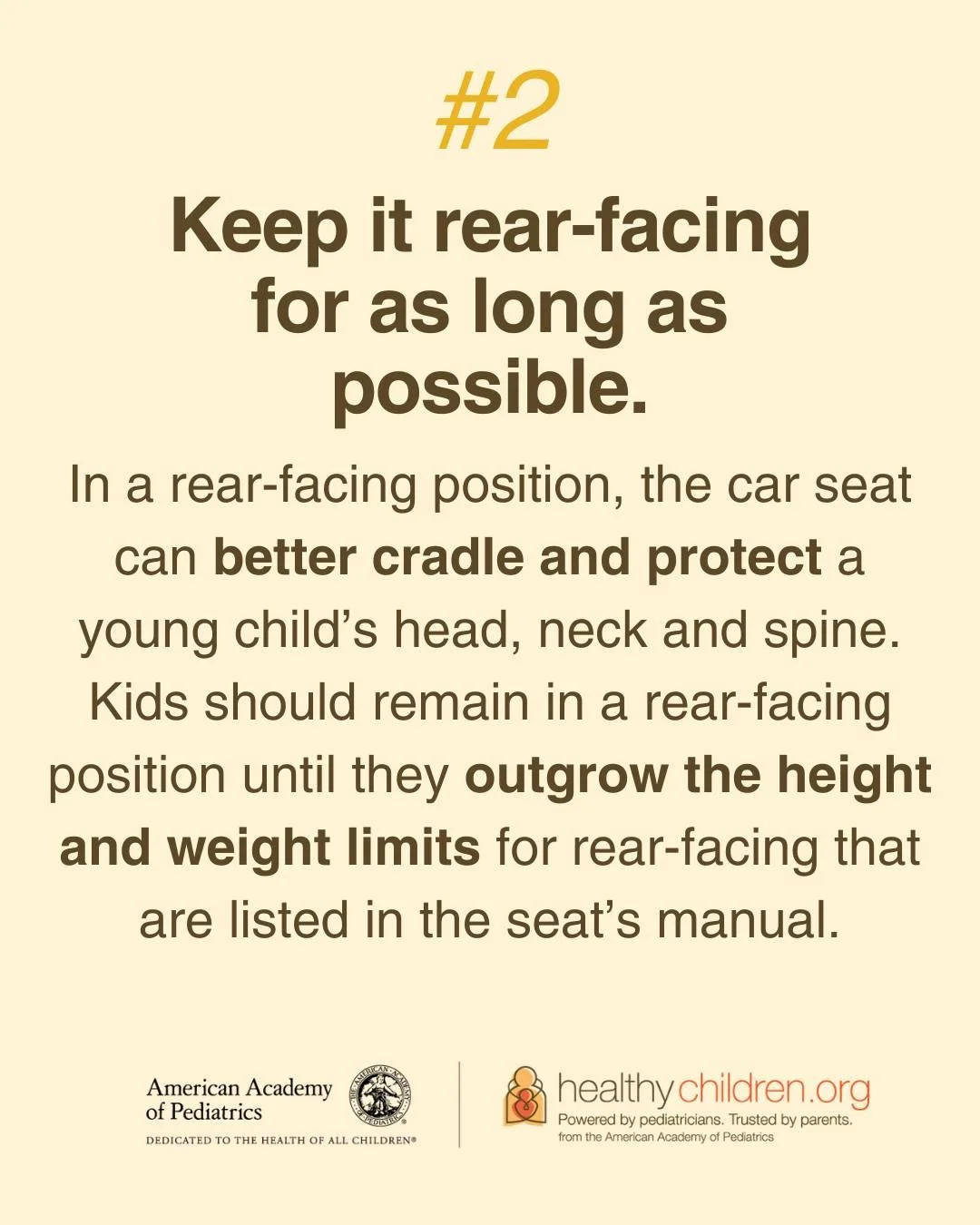
#2 Keep It Rear-Facing as Long as Possible
Rear-facing car seats provide the best protection for infants and toddlers.
In a rear-facing position, the seat better cradles and protects a young child’s head, neck, and spine. During a crash, the forces are distributed across the entire back of the seat rather than focusing on fragile areas.
Children should remain rear-facing until they outgrow the height and weight limits listed in the car seat manual — not just until they reach a certain birthday.
Many modern car seats allow children to remain rear-facing well into toddlerhood.
For families in Jackson, Medina, Humboldt, and throughout West Tennessee, this is one of the most important safety decisions you can make when transitioning seats.
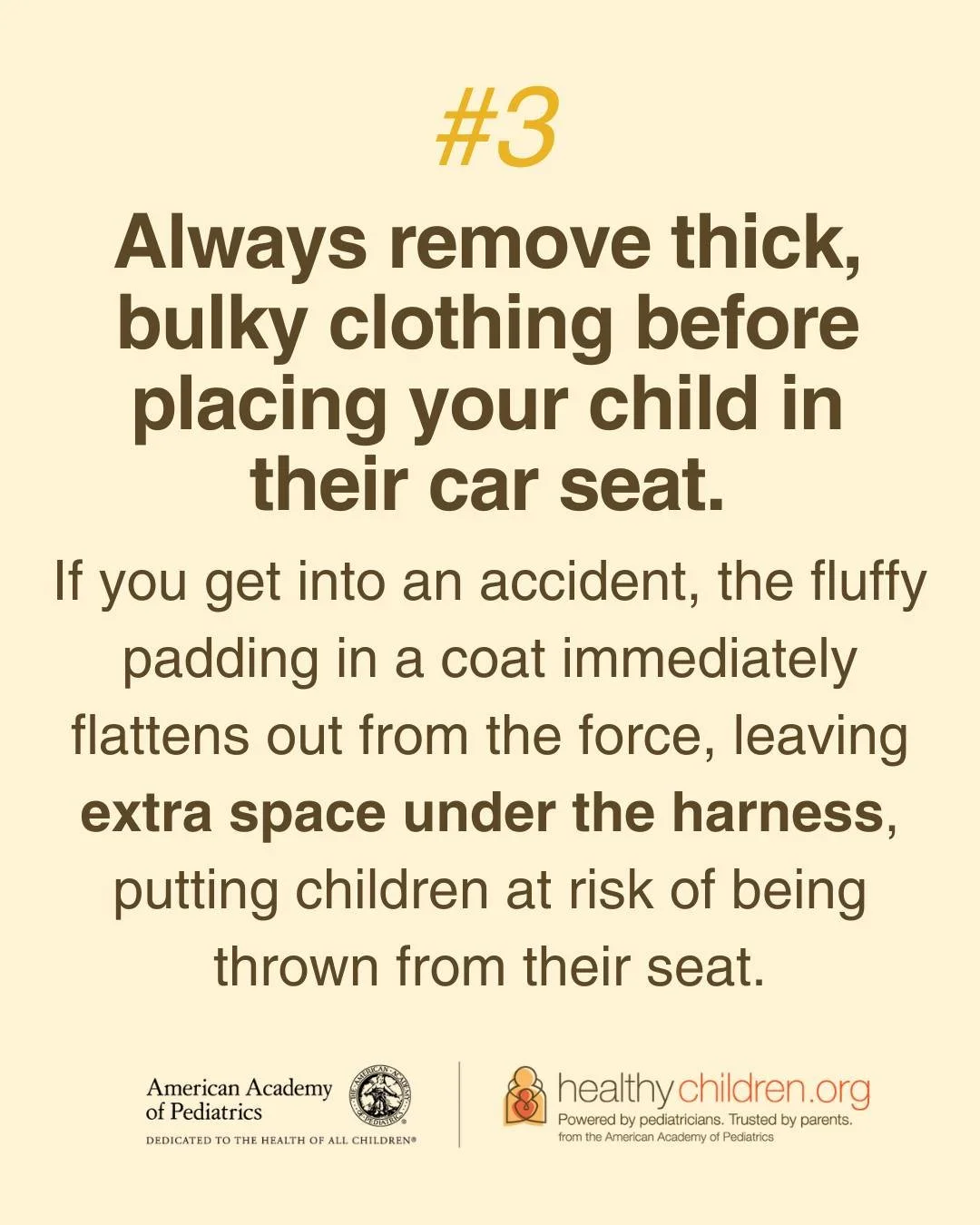
#3 Remove Thick, Bulky Clothing Before Buckling
This tip surprises many parents — especially during cold Tennessee winters.
Thick coats and bulky clothing create extra space between the harness and your child’s body. In a crash, the fluffy padding compresses immediately, leaving slack under the harness.
That slack can put a child at risk of being ejected from the seat.
Instead:
Dress your child in thinner layers
Buckle them snugly
Place a blanket over the harness after they are secured if needed
The harness should lie flat and snug against the child’s chest, with the chest clip positioned at armpit level.
Why Proper Car Seat Use Matters
Motor vehicle crashes remain one of the leading causes of injury for children.
When used correctly, car seats dramatically reduce risk — but improper use can compromise that protection.
Car seat safety isn’t just about owning one. It’s about:
Correct installation
Appropriate positioning
Proper harness adjustment
Following manufacturer guidelines
Even experienced parents can benefit from reviewing safety steps periodically — especially when switching vehicles or upgrading seats.
Car Seat Safety in Jackson, TN
At The Children’s Clinic, we care deeply about injury prevention and child safety.
If you have questions about:
When to transition seats
Rear-facing vs. forward-facing
Booster readiness
Harness fit
Growth and weight limits
We’re happy to help guide you.
The Children’s Clinic
264 Coatsland Drive
Jackson, TN 38301
📞 731-423-1500
Serving families in Jackson, Madison County, and throughout West Tennessee.
Because keeping your child safe on the road starts long before you turn the key.
