
When a Lingering Cough in Kids Should Be Checked by a Pediatrician

A cough can hang around longer than parents expect. One day it’s a little cold, then it turns into that dry, nagging cough that keeps a child up half the night. Or it sounds wet and rattly in the morning, then eases off by lunch, then comes right back after soccer practice. Around Jackson, TN, we hear about this a lot once back-to-school season gets rolling and the germs start traveling home with kids.

Most coughing in children is from something simple like a cold, post-nasal drip, or a lingering airway irritation after an infection. But sometimes a cough deserves a closer look. The hard part for families is knowing which is which. And honestly, that’s where a pediatrician can help take some stress off your plate.

What a lingering cough can mean

A cough that sticks around for a while doesn’t always mean something serious. Kids can cough for weeks after a virus, especially if they’ve had a rough round with congestion or a runny nose. Toddlers, especially, seem to cough the minute they lie down. Parents know that sound well. It can keep everybody awake.

Still, if the cough is lingering, changing, or getting in the way of normal life, it’s worth paying attention. In our office, we usually think about things like asthma, seasonal allergies, sinus drainage, a lingering respiratory infection, or sometimes a cough that’s just refusing to quit after a bad cold. In younger babies, we also think carefully about feeding issues, breathing patterns, and how hard they’re working to get comfortable.

That’s especially true during winter illness season or when school is back in session and siblings are trading germs left and right. One child brings home a cough, then a stomach bug starts in the classroom, then another one of the kids is missing school, and suddenly the whole house feels off.

How long is too long?

There’s no perfect stopwatch for a cough. Some lingering coughs are normal for a couple of weeks after a cold. A dry cough can hang on even longer if the air is dry, allergies are flaring, or your child keeps getting re-exposed to new viruses.

But if the cough is lasting more than a few weeks, waking your child often, or not improving at all, that’s usually a good time to call. Kids with asthma may cough more at night or when they run around. Children with seasonal allergies might have a cough that comes with a stuffy nose, itchy eyes, or constant throat clearing. And a cough that seems to go on and on after every single illness may need a pediatrician to sort out the pattern.

Parents often ask us late at night, usually after listening to that same cough for the tenth time, whether it’s normal or not. Sometimes it is. Sometimes it’s a sign we need to see the child in the office and listen to the lungs, check oxygen levels, or talk through the rest of the symptoms.

Signs the cough should be checked sooner

Some coughs can wait. Some shouldn’t.

Call your pediatrician sooner if your child has trouble breathing, is breathing fast, pulling in at the ribs, wheezing, or looks like they’re working hard just to get air in. That’s not something to watch and wait on.

Also call if the cough comes with a high fever, chest pain, vomiting after coughing spells, unusual sleepiness, or your child just doesn’t seem like themselves. If they’re not drinking well, peeing less, or seem dehydrated, that matters too. We see this a lot in babies and toddlers who get sick and then refuse bottles or lose interest in nursing because breathing is harder through a stuffed-up nose.

If the cough sounds like a barking seal, especially at night, that may be croup. If it’s a wheezy cough that gets worse with running, laughing, or weather changes, asthma can be part of the picture. If your child is coughing so much they can’t sleep, can’t focus at school, or can’t get through sports practice without stopping, that’s a real quality-of-life issue. You don’t have to just live with it.

And if your baby is very young, especially a newborn, we want to hear about any cough, fever, congestion, or feeding trouble right away. Newborns don’t have much reserve. They can go downhill faster than older kids, and parents are usually right to trust that uneasy feeling.

When a cough is probably less worrisome

Some coughs do their thing and slowly fade out. If your child has a mild cough after a cold, is otherwise acting pretty normal, sleeping okay most nights, eating fairly well, and doesn’t have fever or breathing trouble, it may just need time. That’s hard to hear when you’re tired and the whole family is running on a short fuse, but it’s true.

We also see plenty of kids with coughs from seasonal allergies here in West Tennessee. Spring allergies can stir up a cough that seems to come out of nowhere. So can fall pollen, dust, and even indoor triggers when the heat or air conditioning kicks on. A child may seem totally fine during the day and then start coughing as soon as they lie down at night.

Summer heat can play a role too. If a child is outside all day at ball practice or camp, gets a little dehydrated, and already has a dry throat, the cough can sound worse than it really is. Not every cough is an emergency. But it’s still worth watching the pattern.

What we look for during a visit

When you bring your child in, we’re not just listening for a cough. We’re looking at the whole picture. How long has it been going on? Is it dry or wet? Is it worse at night? Is there fever, congestion, belly pain, sore throat, or ear pain? Is your child eating normally? Sleeping? Playing? Keeping up in school?

For little ones, we also ask about feeding, diaper changes, and whether the cough started after a choking episode or a run-in with a sibling’s illness. With older kids, we may ask about sports, exercise, and whether the cough shows up during practice or gym class. Sometimes what seems like a simple cough is really a clue that asthma or allergies are getting in the way.

A lot of families like knowing what to expect before they come in. We may check breathing, oxygen, ears, throat, and lungs. Depending on the symptoms, we might talk through supportive care, allergy treatment, asthma management, or whether testing is needed. Most of the time, the goal is pretty straightforward: figure out what’s driving the cough and help your child feel better, sleep better, and get back to school or daycare without dragging through the day.

A real local example

We see this kind of thing often in Jackson and nearby places like Medina, Humboldt, Milan, and Lexington. A child gets a cold right after school starts. The fever goes away after a couple of days, but the cough sticks around. Mom thinks it’s probably just lingering. Then a week later, the child is coughing harder at night, missing sleep, and skipping breakfast because they feel worn out. By the time they come in, it turns out the lungs are tight and the child needs treatment for asthma that nobody had noticed before.

Another common one is the toddler who wakes up congested every morning in winter, coughs until they gag, then seems fine after breakfast. Parents spend a few nights wondering if it’s allergies, a virus, or something worse. Sometimes it’s post-nasal drip. Sometimes it’s repeated colds from daycare. Sometimes it’s a mix of both. That’s where an office visit helps. It’s easier to figure out when we can actually see and listen to the child instead of guessing from across the kitchen at 2 a.m.

We also hear from families searching for a pediatrician near me or kids doctor near me because they want someone who understands the difference between a run-of-the-mill cough and one that needs a closer look. That’s a very normal place to be. Parents don’t need perfect instincts. They just need a place to call.

Simple things families can do at home

If your child’s cough seems mild and they’re otherwise doing okay, a few simple things can help. Keep them drinking fluids. Water, milk, soup, popsicles, whatever they’ll take. Use a cool-mist humidifier if the air is dry. Try saline and suction for babies with congestion. Prop older kids up a bit at night if lying flat makes things worse.

Honey can help soothe a cough in children over 1 year old. Not for babies, though. For infants, stick with safe congestion care and call if you’re worried.

Try not to overdo the cough medicines without checking first, especially in younger children. These products don’t always help much, and they can make some kids groggy or cranky. If your child has a history of wheezing, asthma, allergies, or croup, that changes the picture a little. In those cases, it’s smart to talk with your pediatrician instead of just assuming it’ll pass.

And if school absences are piling up, or your child keeps missing sports, daycare, or family plans because of the cough, that’s a good reason to get it checked. Families around Brownsville, Madison County, and all across West Tennessee juggle a lot already. No one needs a cough dragging on for weeks without a plan.

Bottom line

A lingering cough in kids is common, but that doesn’t mean parents should have to guess forever. If the cough is getting worse, lasting longer than expected, disturbing sleep, affecting eating or school, or coming with fever or breathing trouble, it’s time to call the pediatrician. If it’s a newborn, if your child seems dehydrated, or if you’re just uneasy about how they look, go ahead and reach out. Trust that instinct.

Sometimes the cough really is just the tail end of a cold. Other times it’s allergies, asthma, or something that needs treatment. A good visit can sort that out pretty quickly and give you a real plan instead of another night of worrying and searching online.

The Children’s Clinic
264 Coatsland Drive
Jackson, TN 38301

731-423-1500

Serving families throughout Jackson, Madison County, and West Tennessee
Why Handwashing Still Matters for Preventing Childhood Illnesses

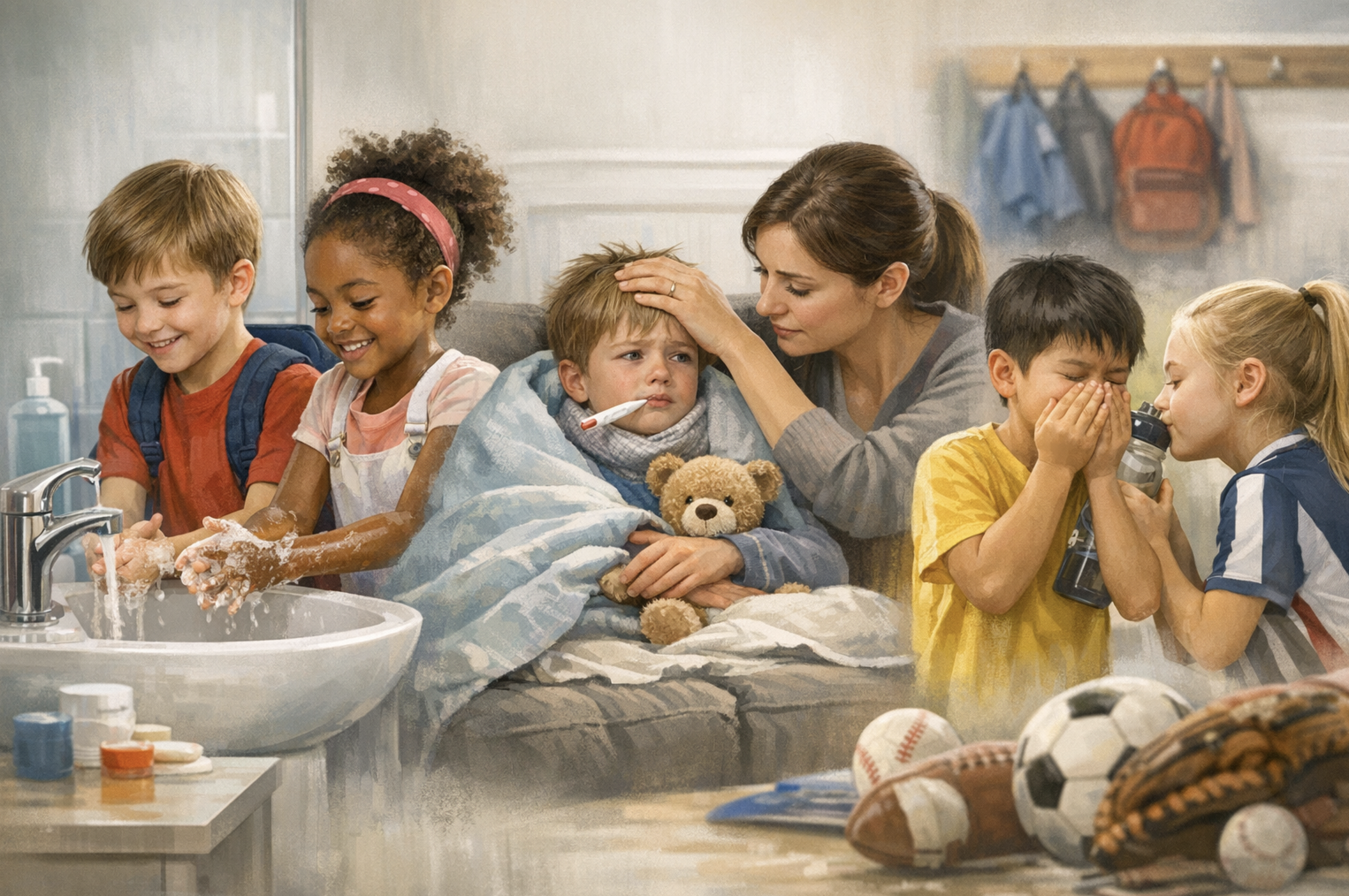
A lot of parents around Jackson, TN start thinking about handwashing a little more once school starts back up. Or when one child comes home sniffling, and by the next morning half the house sounds stuffy. Or when a stomach bug starts making the rounds at daycare, and everybody suddenly gets real serious about soap.

We see it all the time in the office. Toddlers touching everything. School-age kids rushing through the hallway, then grabbing snacks without thinking. Little ones rubbing their eyes, licking their fingers, sharing cups, sneezing into their hands. It’s normal kid behavior. Messy, yes. Also very effective at spreading germs.

Handwashing won’t stop every illness. We wish it did. But it still plays a big part in keeping kids healthier, especially during back-to-school season, winter illness season, and those weird stretches when flu, RSV, strep, and stomach bugs seem to be going around at the same time in West Tennessee.

Simple soap and water still does a lot

Handwashing gets overlooked because it feels so basic. But basic doesn’t mean useless. Soap and water remove germs from the skin and help keep them from getting into the mouth, nose, and eyes. That matters more than most people realize.

Kids don’t need perfect technique every single time. They just need to do it often enough, and long enough, that it actually helps. The big moments are pretty predictable. Before eating. After using the bathroom. After blowing a nose. After playing outside. After petting animals. After coming home from school, sports practice, or birthday parties where every child touched every toy in the room.

In Jackson and across Madison County, TN, families are busy. Schedules are packed. Nobody’s standing around for a lesson in hand hygiene between school pickup, ball practice, homework, and dinner. So we like to keep it practical. Wash hands at the times that matter most. That alone can cut down on a lot of the everyday germs kids bring home.

Why kids spread illnesses so easily

Children aren’t trying to get sick. They’re just kids. They touch doorknobs, desks, iPads, lunch tables, shopping carts, baseball bats, water fountains, and every sticky thing in sight. Then they touch their faces. A lot. Their immune systems are still learning, and young kids especially don’t always have the habit of stopping to wash up.

This is one reason we hear from parents all the time about the same pattern. One child comes home with a runny nose. Another starts coughing two days later. Then there’s a rough night of sleep. Then a fever. Then the parent is up late searching online, trying to figure out whether it’s just a cold or something more.

Handwashing won’t keep every germ away, but it can lower the odds of that chain reaction moving through the whole family.

It matters for more than colds

People usually think of handwashing for colds and flu, and that’s fair. But it also helps with stomach bugs, which can spread fast through classrooms, daycares, church groups, and sports teams. We see that a lot in West Tennessee, especially when families are juggling busy weeks and kids are sharing snacks, snacks bags, water bottles, and air with lots of other children.

Stomach viruses are miserable. They can hit fast. One minute your child seems fine, then there’s vomiting, diarrhea, tummy pain, and nobody is getting much sleep. Babies can have a harder time with feeding during illness, which makes things feel even more stressful for parents. Handwashing helps reduce the spread, especially after diaper changes, bathroom trips, and cleanup after a sick child.

And yes, it helps with some skin and eye infections too. Not everything starts in the nose.

What to do at home without turning it into a battle

For younger kids, make handwashing part of the routine instead of a debate. Same time, same places. After school. Before meals. After bathroom trips. After coming in from outside. That kind of repetition sticks.

For toddlers, keep it short and doable. Use warm water if that helps. Let them sing a quick song. Let them pick the soap sometimes. If they’re resisting, don’t turn it into a whole thing. Get the job done and move on. Most families don’t need another power struggle before dinner.

Older kids need reminders too, even if they roll their eyes. That’s normal. A middle schooler in Humboldt or a high schooler in Milan may think they’re too old to be reminded about washing up, but germs don’t care how old they feel. Same goes for sports season. Hands get grimy fast at practice, on the field, in the dugout, and around shared equipment. A quick wash before eating or after practice can help a lot.

Alcohol hand sanitizer can be handy when soap and water aren’t nearby. It’s better than nothing. But soap and water are still the better pick when hands are visibly dirty, after bathroom use, and after a stomach bug. If you’ve got a child who’s covered in sunscreen, juice, or playground dirt, sanitizer isn’t going to do the full job.

When families start asking, is this more than a cold?

We hear this question every day, especially in the evening hours when kids start looking more worn out than they did at school. A lot of the time, it really is a routine virus. Kids can have runny noses, mild coughs, low energy, and a rough couple of nights, then turn the corner.

But there are times when a symptom deserves a closer look. Call sooner if your child has trouble breathing, isn’t drinking well, seems unusually sleepy, has a fever that won’t settle, or has signs of dehydration like dry lips, no tears, or very little urine. Babies can go downhill faster, so if a newborn or young infant seems off, feeding poorly, or having fewer wet diapers, that’s not something to sit on.

We also pay attention to coughs that linger, fevers that keep coming back, sore throats that make swallowing hard, and stomach symptoms that don’t let up. Parents know their children best. If something feels off, trust that instinct. You don’t need to wait until things are dramatic to call.

Handwashing and the rest of routine care go together

Handwashing is part of a bigger picture. It works best alongside wellness visits, vaccines, good sleep, decent nutrition, and regular check-ins about development and behavior. We see that connection all the time during child wellness visits near me searches from families in Jackson, Medina, Lexington, Brownsville, and surrounding communities. Parents want to know they’re doing the right things at home, and that’s fair.

Wellness visits are a good time to ask about vaccine timing, sleep struggles, school readiness, and even picky eating. They’re also a good time to talk through what’s normal for your child. Some kids seem to catch every bug going around. Some have seasonal allergies that look a lot like colds. Some have bigger concerns hiding behind what seems like an everyday sniffle. A visit gives room to sort that out.

For newborn care near me questions, handwashing matters even more. Babies are still getting their footing, and the people around them can bring in germs without meaning to. That’s why we’re so careful about clean hands before holding a baby, feeding a baby, or helping with diaper changes.

Summer, winter, and all the messy in-between times

Summer heat brings its own problems. Kids get sweaty, dehydrated, and worn out. They’re outside more, at camps, ball fields, and family get-togethers. Water bottles get shared. Hands get dirty fast. That’s a good time to keep wipes or sanitizer in the car, and to wash up when everybody gets home.

Then winter illness season hits, and the handwashing conversation starts all over again. Holiday gatherings, crowded indoor spaces, school events, and cold weather mean more close contact. A few extra handwashing reminders can go a long way during those months.

Spring allergies can muddy the waters too. A child with itchy eyes and a runny nose may not have an infection at all. But when hands are constantly rubbing at the face, it still makes good sense to wash more often. It’s a small thing, but it helps keep pollen, dirt, and germs from piling up.

A real local example

Not long ago, we heard from a family in West Tennessee with three kids in different stages of school. One was in daycare, one in elementary school, and one was trying to get through sports physicals near me season without missing practice. The youngest brought home a stomach bug. By the next day, the middle child had a fever and wasn’t sleeping well. The parent was doing the usual late-night search, trying to decide whether the symptoms were just part of the virus or something they should bring in for.

What helped most was getting back to basics. Handwashing before meals. Handwashing after bathroom trips. Fresh towels. Cleaning shared surfaces. Keeping the baby sibling away from sick kids as much as possible. The children still got sick, because that happens. But the illness didn’t sweep through the whole house as hard as it might have.

That’s the thing. Handwashing isn’t magic. It’s one part of keeping a family afloat during the rough weeks. And for a lot of families around Jackson, that’s enough to make a difference.

Actionable takeaways for busy families

Keep soap where kids can reach it. If they can’t get to it, they won’t use it.

Make handwashing automatic before meals, after bathroom use, after school, after sports, and after sneezing or coughing.

Use sanitizer when you’re out and about, but go back to soap and water when hands are dirty or after bathroom trips.

Watch for the bigger warning signs: trouble breathing, dehydration, persistent fever, poor feeding, or a child who just doesn’t seem like themselves.

Don’t ignore your instincts. Parents usually know when something is more than a simple bug.

Keep up with wellness visits and vaccines. That’s still one of the best ways to stay ahead of bigger problems.

And if you’re in that in-between space, the one where the symptoms aren’t alarming but they’re not improving either, call. That’s what pediatric care is for. Same-day sick visits exist for a reason.

Bottom Line

Handwashing may seem small, but it still matters a lot. It helps cut down on colds, stomach bugs, and all the routine infections kids seem to pick up during school, sports, and everyday life. Around Jackson, TN and across Madison County, we see how fast germs move through busy homes, classrooms, and daycare rooms. A few good habits can make a real difference.

Most families don’t need perfection. They just need a workable routine. Wash hands often. Pay attention to warning signs. Trust what you’re seeing at home. And if your child isn’t bouncing back the way you expected, it’s okay to ask for help.

The Children’s Clinic
264 Coatsland Drive
Jackson, TN 38301

731-423-1500

Serving families throughout Jackson, Madison County, and West Tennessee
What Parents in Medina, TN Should Know About Seasonal Allergies in Children

By the time kids are back in school and the weather starts doing that West Tennessee back-and-forth thing, a lot of parents around Medina, Jackson, and the rest of Madison County start wondering the same question. Is this just allergies, or is my child getting sick again?

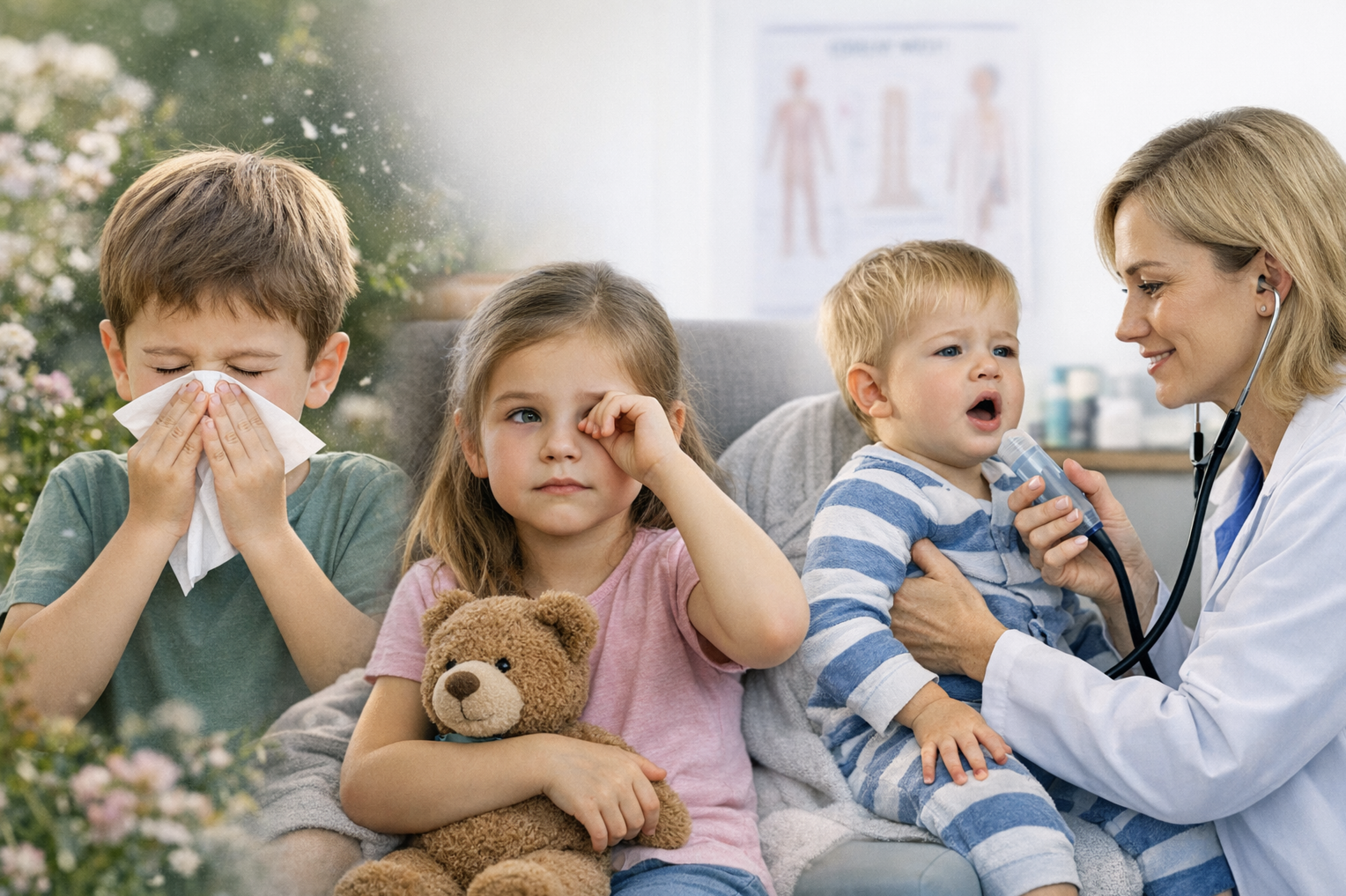
That question comes up a lot in our office. A child wakes up stuffy. They’ve got the sneezing. Maybe their eyes are watery, or they’ve got that nagging cough that never quite turns into a full-blown illness. Then dinner rolls around and they seem fine. Or maybe they’re dragging through the day, cranky, tired, and not sleeping well. Families start searching online late at night, trying to figure out if they need a pediatrician near me search, or if they can watch it one more day.

Seasonal allergies can look a lot like a cold at first. That’s part of what makes them so frustrating. The good news is, once you know the pattern, it gets easier to sort out what’s probably allergies and what needs a closer look.

Why allergies show up so often around here

West Tennessee has plenty of pollen. Trees, grass, weeds, all of it can get kids miserable at different times of the year. Spring allergies get the most attention, but fall can be rough too. And for some children, symptoms linger well into winter because they’re dealing with indoor triggers, dry air, and back-to-back infections from school.

In places like Jackson, TN, Madison County, TN, Medina, Humboldt, Milan, and Lexington, families are juggling a lot. School drop-off. Sports practice. After-school activities. Siblings bringing home germs. Someone is always coughing, sneezing, or missing a meal because they’re congested. It’s a lot to keep up with.

Allergies don’t spread from child to child. That’s one of the big differences. If one kid in the house is miserable from pollen, the rest of the family won’t catch it. But of course, the timing can still make everyone think they’re getting the same bug.

What seasonal allergies usually look like

The classic signs are pretty familiar: sneezing, runny nose, congestion, itchy eyes, and maybe a scratchy throat from postnasal drip. Some kids get a cough, especially at night. Others just seem off. Tired. Fussy. A little more mouth-breathing than usual.

Older children may be able to say, “My eyes itch,” or “My nose won’t stop running.” Younger kids, not so much. Toddlers just wake up congested and irritated, and parents are left trying to piece it together. Babies can’t tell you anything, so you’re watching feeding, sleep, and whether they seem comfortable enough to settle.

Allergies tend to come with clear mucus, not thick green drainage right from the start. Fever usually isn’t part of it. That said, kids can have allergies and still get a cold or stomach bug from school. Families in the middle of back-to-school germs know this all too well. One week it’s allergies, the next week it’s stomach bugs spreading through classrooms, and nobody gets a full night’s sleep.

Allergy or cold? A few clues help

This is the part parents ask about the most. And honestly, it can be tricky.

Colds usually come on with more of a sudden sick feeling. Kids may have fever, body aches, less appetite, and symptoms that improve after several days. Allergies tend to stick around. The sneezing keeps going. The eyes get itchy. The symptoms may get worse outdoors or after mowing, playing in grass, or spending time around pollen-heavy areas.

If your child is coughing mainly at night, rubbing their eyes, and has no fever, allergies move higher on the list. If they’ve got a sore throat, fatigue, and thick drainage after a few days, now we’re thinking more like a viral illness. And yes, sometimes they overlap enough that even seasoned parents are unsure.

That’s usually when a same-day sick visit makes sense, especially if your child isn’t acting like themselves or you’re trying to decide whether they can go back to school.

Sleep takes a hit fast

One thing people don’t always connect right away is sleep. Allergies can mess with sleep in a big way. A stuffy nose sounds minor until it’s keeping a child awake at 2 a.m. or waking them up every hour. Then the next day looks rough. More mood swings. Less patience. Harder mornings.

We see this a lot in school-aged kids and toddlers alike. A child who normally naps fine starts fighting sleep. An older child gets tired in class. Parents notice a snoring pattern they didn’t hear before. Sometimes that’s just a stuffy season. Sometimes it needs a closer look, especially if it’s happening often.

Sleep problems also show up during sports season. A kid may still be able to play, but they’re tired, not recovering well, and not eating like usual. That can drag them down fast in summer heat, too, when dehydration makes everything feel worse.

Babies and toddlers need a little extra watching

With babies, the concern is less about whether it’s allergies and more about whether they’re feeding well and breathing comfortably. A newborn with a stuffy nose may have a hard time nursing or taking a bottle. That can spiral quickly if they’re not getting enough to eat or drink. Parents of little ones are usually the first to notice something feels off, even before there’s a big obvious symptom.

If a baby is struggling to feed, breathing fast, having trouble sleeping flat, or just seems unusually sleepy, that’s worth a call. Newborn care near me searches happen for a reason. Parents want reassurance, and sometimes they need it quickly.

Toddlers are a whole other story. They don’t explain symptoms well, and they don’t always sit still long enough for you to get a good look. One minute they’re climbing the couch, the next they’re miserable and clingy. Allergy symptoms can make them cranky enough that even a normal day feels hard. Family routines get thrown off, and nobody loves that.

What can help at home

There are a few simple things that can make a real difference.

Keeping windows closed during high pollen days helps. So does changing clothes after kids have been outside, especially after sports practice or long afternoons in the yard. A quick bath or rinse before bed can cut down on pollen that’s clinging to hair and skin. For some families, washing hands and face after outdoor play helps a lot too.

A cool-mist humidifier can be useful if the air feels dry, especially in winter illness season when noses are already irritated. Saline drops or spray can help with congestion in babies and young children. Older kids may do better with an antihistamine if their pediatrician recommends it. The key is using the right thing for the right symptom, not just grabbing whatever is on the shelf because it sounds familiar.

Hydration matters more than people think. Kids with allergies can get dry and miserable, especially in summer heat. If they’re mouth-breathing all day, not drinking much, and feeling worn out, they’ll usually feel worse by evening. A child who’s sneezing nonstop and asking for juice all day might actually just need more fluids and a little help with symptoms.

When to call the pediatrician

There are times when allergies can stay at home and times when they shouldn’t.

Call if symptoms are lasting more than a couple of weeks, keeping your child from sleeping, or causing repeated school absences. Reach out if your child has wheezing, trouble breathing, a persistent cough, ear pain, or sinus pressure that’s not improving. Fever isn’t typical with allergies, so if that’s showing up, something else may be going on.

Babies who aren’t feeding well, children who seem dehydrated, or kids who are breathing hard should be seen. And if you’re not sure, that’s reason enough to call. Parents in Jackson, TN and nearby communities like Brownsville and Milan don’t need to wait until things get dramatic. A quick conversation can save a lot of stress.

We also like to hear from families when symptoms start affecting school, behavior, or sports. Allergy problems can sneak into everyday life in ways people don’t expect. A child who can’t sleep well may have more trouble focusing in class. A child who’s constantly congested may seem cranky or worn down. That matters.

What we look at during a visit

In the office, we’re usually trying to sort out the pattern. How long has this been going on? Is there fever? Are both eyes itchy? Is the cough worse at night? Is there a strong family history of allergies or asthma? Has the child been around obvious triggers like mowing, outdoor practices, or lots of time outside lately?

Sometimes the answer is simple. Sometimes we’re looking at a mix of allergies and a viral illness, which happens all the time during back-to-school season. Parents often come in thinking it’s one thing, and we end up explaining that two things can be happening at once. That’s normal. Kids are not exactly neat and tidy when it comes to symptoms.

Depending on age and symptoms, we may talk about treatment options, nasal saline, hydration, sleep support, or whether a child needs a follow-up. For babies and young children, we pay close attention to feeding, breathing, and overall comfort. For older kids, we may also talk about school attendance, sports physicals near me, and how allergies fit into the bigger picture of wellness visits and preventive care.

A real local example

We see this kind of thing every year around here. A family from Medina comes in because their second grader has been waking up stuffy for two weeks straight. At first, they figured it was a cold from school. Then the cough kept hanging on. No fever. Still eating okay. Sneezing a lot in the mornings, worse after soccer practice, and the child looked tired by late afternoon.

By the time they came in, mom had already spent a few nights searching online, wondering if she should stay home from work or bring the child in. Dad was comparing notes with another parent who thought it might be a sinus infection. The child wasn’t seriously ill, but the symptoms were clearly messing with sleep and school.

That kind of visit is common. And honestly, it’s a good one to have. Better to sort out a pattern early than let a child struggle for weeks.

A few practical takeaways for busy families

If your child keeps having the same symptoms every spring or fall, start tracking them. Nothing fancy. Just note when the sneezing starts, whether there’s fever, how sleep is going, and if symptoms are worse after time outside.

Try not to assume every cough is the same thing. In West Tennessee, kids can have allergies, colds, strep, stomach bugs, and a random fever all in the same school month. It’s annoying, but it’s real life.

If your child’s symptoms are mild and they’re still eating, drinking, and sleeping pretty well, you can usually watch for a bit. If they’re missing school, having trouble breathing, or you’re up late worrying, that’s your cue to call.

And if you’re already coming in for a wellness visit, vaccines, newborn check, child development concern, or sports physicals near me appointment, mention the allergy symptoms too. It helps us see the whole picture, not just one piece of it.

Bottom line

Seasonal allergies can be annoying, exhausting, and a little sneaky. They can look like a cold, feel like a cold, and even make parents think their child is getting sick over and over again. But once you know the pattern, it’s easier to tell when you’re dealing with pollen and when something else needs attention.

Most kids do fine with a little support, some symptom relief, and a good plan. The bigger thing is knowing when to call. If your child’s sleep is getting thrown off, they’re not drinking well, they have trouble breathing, or you just can’t shake the feeling that something isn’t right, trust that instinct. Parents usually notice first.

The Children’s Clinic 264 Coatsland Drive Jackson, TN 38301

731-423-1500

Serving families throughout Jackson, Madison County, and West Tennessee
Common Reasons Kids Develop Fevers After Returning to School

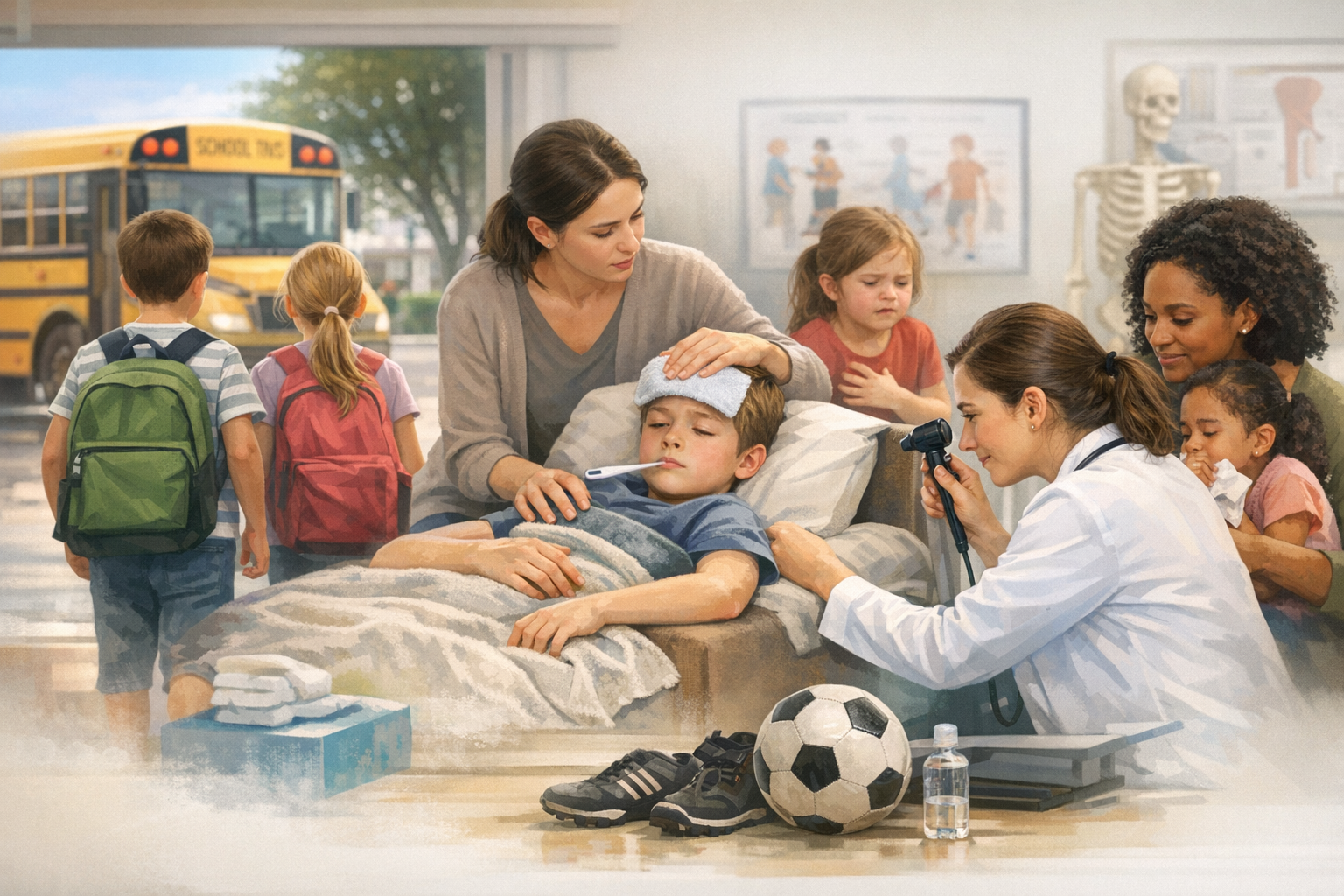
The first few weeks back in school can feel like a reset button for the whole family. New schedules. Early mornings. Packed lunches. Lost water bottles. And then, right on cue, a fever shows up.

A lot of parents around Jackson, TN start wondering the same thing once kids head back into classrooms and germs begin making the rounds again. Is this just a regular school bug? Did they pick up something from the bus? Should I be worried if they were fine yesterday and now they’re burning up at bedtime?

We hear these questions every year, especially during back-to-school season and again when winter illness season rolls around. Sometimes it’s something simple. Sometimes it’s not so simple. Most of the time, though, fevers in school-age kids come from the usual suspects.

Why fevers pop up so often after school starts

School is basically a perfect setup for germs. Kids are close together, sharing air, touching desks, handling water fountains, swapping snacks, coughing into their sleeves, then touching their faces five minutes later. It’s not because anybody did anything wrong. It’s just what happens when a room full of kids spend the day together.

In the first few weeks back, kids also run into germs they haven’t seen in a while. That can make it feel like one sickness after another. Families in Madison County, TN and nearby spots like Medina, Humboldt, and Milan usually notice it fast. One child gets sick, then a sibling starts sniffling, then somebody else has a fever right before a big weekend.

It’s part of the rhythm of school life, unfortunately. New classmates. New teachers. New routines. More exposure.

The most common reasons kids get fevers

Most school-related fevers are caused by viral infections. That includes regular colds, flu, COVID, RSV, and the random virus that seems to circle through a classroom every year with no name parents can remember. These illnesses often show up with sore throat, runny nose, cough, headache, fatigue, belly pain, or just feeling wiped out.

Some kids also get stomach bugs. Those spread fast through classrooms and after-school programs. A child may wake up fine and come home with fever, vomiting, diarrhea, and a very unhappy stomach. That’s a rough one, especially if there’s a long bus ride or soccer practice after school.

Ear infections can follow a cold. So can sinus symptoms, especially in younger children. Toddlers waking up congested with a fever are a pretty common call in our office. Babies can be trickier because they don’t tell us what hurts. They just get fussy, feed poorly, sleep off schedule, and seem off.

Sometimes a fever is tied to a sore throat or strep. That one tends to show up with sudden fever, pain when swallowing, bad breath, belly ache, or a child who just doesn’t want to eat. We also see fevers with urinary tract infections, especially in younger kids, and those can be easy to miss because the symptoms aren’t always obvious.

Not every fever means something serious

This is the part that usually calms parents down a little. Fever itself is not the enemy. It’s a sign the body is fighting something. A child with a fever can look pretty miserable, but that doesn’t automatically mean it’s dangerous.

A school-age child with a fever, some congestion, and a bit of cough may just need rest, fluids, and time. Most families can handle a few rough nights with a cold. What starts to make things stressful fast is when the child isn’t sleeping, isn’t drinking, or seems to be getting worse instead of slowly turning a corner.

We also know how late-night worry can spiral. A parent checks a temperature at 10:30 p.m., then again at midnight, then starts searching online because the fever is still there and the child’s cheeks look flushed. That happens all the time. It doesn’t mean you’re overreacting. It means you’re a parent trying to figure out what’s normal.

When fevers need a closer look

There are times when a fever should be checked by a pediatrician. If a child is having trouble breathing, is very hard to wake, has a stiff neck, severe headache, a new rash, signs of dehydration, or looks much sicker than you’d expect, call right away. Same thing if the fever is lasting several days or keeps coming back.

Babies are a different story. Any fever in a newborn or young infant needs prompt attention. Parents looking for newborn care near me often have this concern, and it’s one we take seriously. Little babies can change quickly, and they don’t always show the same symptoms older children do.

If your child isn’t drinking much, hasn’t peed in a while, has dry lips, or seems unusually sleepy, that needs attention too. Feeding struggles during illness are especially common in infants and toddlers. A baby who won’t take a bottle or breastfeed well because of congestion can become dehydrated faster than older kids.

And if your gut says something’s off, trust that. Families know their children. We’d rather talk through it than have you sit at home worried all night.

Back-to-school germs, sports, and busy schedules

School germs don’t happen in a vacuum. They show up in the middle of sports physical season, after a long day at practice, or when a family is juggling homework, work calls, supper, and a forgotten permission slip.

Kids coming straight from school to sports or aftercare can get run down pretty fast if they’re not sleeping well or drinking enough. Summer heat can also leave kids a little dehydrated, which makes them feel worse when a fever hits. A child who’s been outside in the West Tennessee heat all afternoon may already be worn out before the sickness even starts.

In winter illness season, the pattern changes a bit. We see more flu, more lingering coughs, and more families trying to decide if it’s just a cold or something that needs a visit. Holiday gatherings can stir up another round of germs, too. One sick cousin at Thanksgiving can mean a whole row of fevers by Sunday.

Spring allergies can make things confusing as well. A stuffy nose, scratchy throat, and tired child can look sick without actually having an infection. But allergies don’t usually cause a real fever. That’s one of the clues that helps sort things out.

What parents can watch for at home

Start with the child, not just the number on the thermometer. Are they drinking? Are they peeing normally? Are they alert between naps? Do they perk up a little after medicine and rest, or are they just dragging through the day?

If they have a mild fever but are still sipping fluids, resting, and able to talk a little, that’s often something you can watch for a day or two. Keep an eye on temperature, breathing, appetite, and energy level. No need to chase every slight change.

For older kids, rest matters more than most people think. So does sleep. A child who’s been staying up late, starting school tired, and skipping breakfast is going to have a harder time bouncing back from a virus. We see that a lot in kids trying to get back into the school routine after summer.

For babies and toddlers, watch feeding more closely. Congestion can make it tough to nurse or take a bottle, and a stuffed nose can turn into a whole night of poor sleep. Saline, suction, and smaller, more frequent feeds can help some, but not every child responds the same way.

A real local example

We see this all the time in Jackson and surrounding communities. A child heads back to school in Madison County, seems fine for a week, then wakes up with a fever and a cough. By lunchtime, the nose is running, the body aches start, and they’re begging to go home. By evening, a sibling in Brownsville is sneezing, and a grandparent in Lexington is asking if it might be flu.

One family from near Humboldt told us their kindergartner had a fever on a Thursday, then a stomach bug hit the house by Saturday. The child missed school, a parent missed work, and everybody was tired of laundry by Sunday night. That’s a very normal kind of week during back-to-school season. Not fun. Very normal.

Another common one: a toddler in Milan wakes up congested, won’t eat breakfast, and feels warm to the touch. The parent wonders if it’s teething, allergies, or a virus. Often it’s just the start of a cold, but if the fever climbs or the child starts breathing faster or drinking less, that’s when a same-day sick visit makes sense.

What to expect at a pediatric visit

At The Children’s Clinic, we spend a lot of time sorting through the same questions parents are asking at home. Is this viral? Do we need a test? Is the throat red enough to matter? Is the cough from drainage or something lower in the chest?

Depending on the symptoms, we may check ears, throat, lungs, hydration, and sometimes do a flu, strep, or COVID test. For little ones, we pay close attention to feeding, wet diapers, and how they look overall. We also talk through sleep, fever medicine, and what to watch over the next day or two.

That’s part of good pediatric care near me, really. Not just handing out a diagnosis and sending everybody home. It’s helping families know what’s going on and what to do next without all the guesswork.

We also use sick visits to catch up on prevention when it makes sense. Sometimes a child is due for a wellness visit, vaccines, or school forms. Sometimes families ask about child development, behavior changes, sleep issues, or nutrition while they’re already in the office. That’s real life. One visit often covers a lot.

When to call and when to wait

Call sooner if your child is younger than 3 months and has a fever. Call if breathing looks hard, if they’re not drinking, if they’re having trouble staying awake, or if the fever is hanging on and you’re not seeing any improvement.

It’s also smart to call if your child has a history of febrile seizures, immune problems, or other health concerns that make fevers more complicated. Same if there’s a school outbreak of flu, strep, or another illness and your child is right in the middle of it.

If it’s a mild fever and your child is still drinking, peeing, and acting fairly like themselves between naps, a little time at home may be all they need. But if you’re sitting there at 1 a.m. trying to decide whether it’s serious, that’s a good sign to call in the morning or sooner if things worsen.

Bottom line

Kids get fevers after going back to school for a lot of ordinary reasons. Germs spread fast. Routines change. Sleep gets thrown off. Sometimes it’s just one of those school-year viruses that runs through the classroom and half the neighborhood.

Most fevers are short-lived and manageable at home with rest and fluids. But when symptoms stack up, a child stops drinking, the fever keeps climbing, or your instincts tell you this isn’t just a simple bug, that’s the time to reach out.

We know how hard it is to balance work, school, sports, and sick days. We also know how much better it feels when you’ve got a pediatric office that listens, explains things in plain language, and helps you figure out the next step without making it complicated.

The Children’s Clinic 264 Coatsland Drive Jackson, TN 38301

731-423-1500

Serving families throughout Jackson, Madison County, and West Tennessee
How to Handle Stomach Bugs Spreading Through Daycare and Preschool

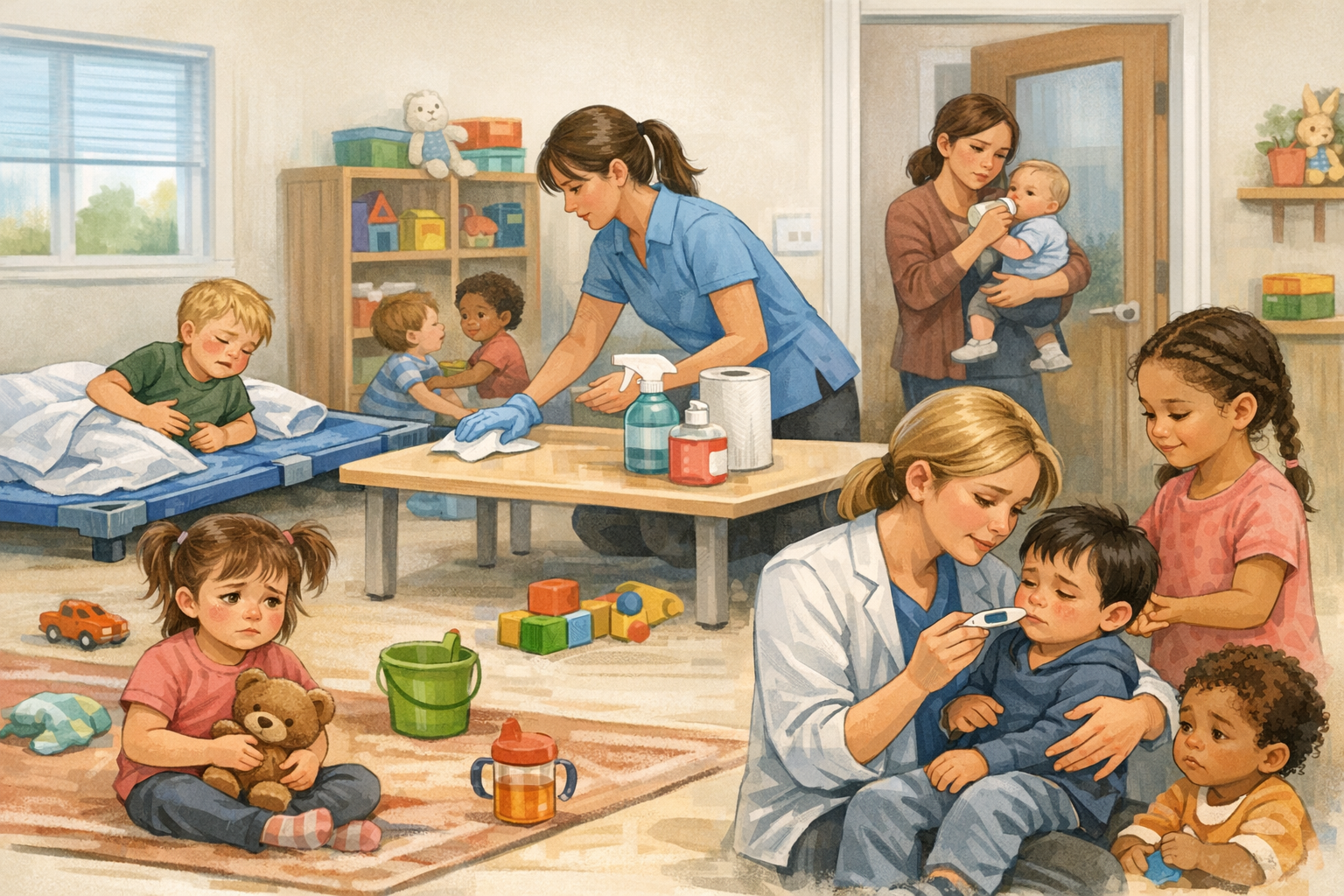
Once stomach bugs start moving through daycare or preschool, parents around Jackson, TN usually hear about it fast. One child goes home vomiting, then another, then someone in the class is out the next day. It can feel like the whole building got hit overnight.

If you’ve got a toddler waking up miserable, a baby who suddenly won’t feed well, or a school-age kid who was totally fine yesterday and now can’t keep breakfast down, you’re not alone. We talk to families about this kind of thing all the time at The Children’s Clinic. It’s stressful. It disrupts sleep, work, school, sports, and everything in between. And yes, it usually shows up right when life is already busy.

Why stomach bugs spread so fast in young kids

Little kids are basically experts at sharing germs without meaning to. They touch everything. They trade snacks. They wipe their noses with their hands. Then they grab toys, tables, and each other’s cups. That’s just real life in daycare and preschool.

Stomach viruses spread easily in those settings because young children are close together all day, and cleanup isn’t always perfect. One child gets sick, and by the time the first parent is reading the note home, half the room may already have been exposed. That’s especially true during back-to-school season and again in winter illness season, when everyone seems to be passing around something.

We see it a lot in Jackson and the surrounding areas too, from Madison County, TN to Medina, Humboldt, Milan, Lexington, and Brownsville. It doesn’t really care where you live. If kids are together, germs find a way.

What a stomach bug usually looks like

Most stomach bugs come on pretty quickly. A child may seem fine at bedtime and then wake up vomiting in the middle of the night. Diarrhea can follow. Sometimes there’s a fever. Sometimes there isn’t. Some kids act tired and pale. Others are grumpy, clingy, and absolutely not interested in getting off the couch.

For a lot of families, the hardest part is the uncertainty. Is this just a short bug? Is it something more? Should you keep them home from daycare one more day? Is the fever normal? Did they drink enough? These are the questions parents are googling late at night, and honestly, that makes sense.

Most stomach bugs get better with time and fluids. Kids may be sick for a day or two, then gradually turn the corner. But every child is different. Babies, toddlers, and children with medical conditions can get dehydrated faster than you’d expect.

What to do at home

Start with small sips of fluids. Don’t worry about big meals right away. A child who’s been vomiting usually needs time before their stomach settles down. Water is fine for older kids in small amounts, but oral rehydration fluids often work better, especially if there’s a lot of vomiting or diarrhea.

Offer a little at a time. A few sips. Wait. Try again. If they throw up, pause for a bit and restart slowly. That can feel frustrating when your child is crying for a drink and then refuses it, but slow and steady usually wins here.

Food can wait. Once vomiting settles, start with bland, simple foods if your child feels like eating. Toast, crackers, applesauce, rice, bananas. Don’t push a full meal too soon. Some kids bounce back quickly, while others need a day before their appetite returns.

Rest matters too. Sick kids often sleep in weird stretches, wake up uncomfortable, and then fall back asleep at odd hours. That’s normal. Give them a quiet place to recover. Keep things simple. No need to wrestle them into a full routine when their body is already working hard.

Babies and younger toddlers need a closer eye

When a baby gets sick, everything feels more serious. Feeding changes are often the first thing parents notice. A baby who usually eats well may suddenly refuse bottles, nurse less, or get sleepy and hard to wake for feeds. That’s a big deal.

If you have a newborn or young infant, especially one seen for newborn care near me concerns or just starting out with routine well checks, don’t wait too long if they’re not feeding normally. Babies can get dehydrated quicker than older children. Fewer wet diapers, very dry lips, unusual sleepiness, or a weak cry all deserve attention.

And if there’s fever in a young infant, that needs a call. Same goes if your baby is vomiting repeatedly, has trouble breathing, or just doesn’t seem like themselves. Parents usually know when something feels off. Trust that feeling.

When it’s probably okay to watch at home

Not every stomach bug needs an urgent visit. If your child is still drinking some fluids, peeing regularly, waking up pretty normally, and slowly improving, home care is often enough. A little loose stool after the vomiting stops is common. So is being tired for a day or two.

Some kids want to eat crackers and then decide they’re done. Others act better in the morning and worse at night. That roller coaster is pretty typical. A child who has one or two episodes of vomiting but then perks up can often be monitored at home.

If you’re unsure, that’s fair. Parents don’t need to wait until things are bad to ask questions. That’s part of what sick visits and phone calls are for.

Warning signs that need a call

Call your pediatrician if your child can’t keep fluids down, has signs of dehydration, or seems unusually sleepy or hard to wake. Dry mouth, no tears when crying, very little urine, or dizziness in an older child can all mean they need help getting rehydrated.

Also call if there’s blood in the vomit or stool, severe belly pain, a stiff neck, trouble breathing, or a fever that’s hanging on longer than you’d expect. A child who looks worse instead of better should be checked.

If diarrhea is lasting several days, or your child has ongoing vomiting beyond the usual stomach bug pattern, it’s time to get some guidance. Sometimes families are trying to juggle school, work, sports season, and a busy house, and they keep hoping it’ll pass. Most of the time it does. But sometimes it doesn’t, and that’s where a same-day sick visit can help.

What to do about daycare, preschool, and school

This part is always tough. Kids hate missing class, and parents hate rearranging schedules. But stomach bugs spread fast, so keeping a child home matters. In general, children should stay home while actively vomiting or having frequent diarrhea. They also need time to recover before returning to group settings.

Even after symptoms improve, a child may still be tired and not fully back to normal. That doesn’t always mean they’re contagious forever. It just means they may need a quiet day before jumping back into a full school schedule, especially if they’re headed into a long day with snacks, nap time, and outdoor play.

During back-to-school season, a lot of families are already dealing with the usual runny noses, coughs that linger, seasonal allergies, and those random fevers that show up the week school starts. A stomach bug layered on top of that can throw off the whole household. We get it. It’s a lot.

How to keep the rest of the family from catching it

Handwashing is the big one. Not the quick rinse either. Real soap-and-water handwashing, especially after bathroom trips, diaper changes, and before eating. Hand sanitizer is okay in a pinch, but it doesn’t always handle stomach bugs as well as good old soap.

Clean high-touch surfaces. Think bathroom fixtures, doorknobs, light switches, toy bins, and anything that gets touched over and over. If a child has been sick on bedding or clothing, wash those items as soon as you can.

Try not to share cups, utensils, or towels. That sounds obvious, but in a busy home it happens. Grandparents helping with childcare, siblings sneaking each other’s drinks, a toddler grabbing someone else’s straw. It all adds up.

If one child is sick, the whole house usually gets extra cautious for a few days. That’s just how families operate. The goal isn’t perfection. It’s lowering the odds that the bug keeps cycling through everyone.

A real local example

We’ll see this exact scenario all the time in Jackson, TN. A parent brings in one child because daycare called about vomiting. By that evening, a sibling is sick too. The baby in the house isn’t throwing up, but feeds are shorter and sleep is off. Then the parent is trying to figure out whether it’s just a 24-hour bug or something that needs a visit before the weekend.

That’s the kind of situation where a quick check can help a lot. Maybe the child just needs fluids and time. Maybe there’s dehydration to watch closely. Maybe the baby needs feeding guidance. Sometimes the biggest relief for families is simply hearing, yes, this fits a stomach virus, and here’s what to watch for over the next day.

We also hear from parents who are balancing all this with sports physicals, wellness visits, and school forms. One child is due for a checkup, another has a lingering cough, and now there’s a stomach bug in the mix. Family life rarely arrives one problem at a time.

What happens during a sick visit

At a sick visit, we usually focus on how your child is drinking, peeing, breathing, sleeping, and acting overall. We ask what the vomiting or diarrhea has looked like, whether there’s fever, and how long it’s been going on. Sometimes we’ll check for dehydration or look for signs that something else is going on.

We also talk through what parents can do next. That may include fluid guidance, return-to-school advice, or simple home care tips. If a child needs more support, we’ll walk through that too. No one needs to leave feeling like they’re guessing.

Actionable takeaways for busy families

If stomach bugs are moving through your child’s daycare or preschool, keep it simple.

Watch how your child is drinking, peeing, and acting.

Offer small amounts of fluids often.

Don’t rush back to regular meals.

Keep sick kids home from daycare or school until vomiting and diarrhea have settled down.

Call if your child can’t keep fluids down, seems dehydrated, has severe pain, or looks worse instead of better.

And if you’re stuck in that middle ground where you’re not sure whether it’s serious, that’s a good time to reach out. Parents shouldn’t have to sort through every stomach bug alone at 11 p.m. with a search engine and a very worried kid on the couch.

Bottom Line

Stomach bugs are one of those childhood illnesses that can spread fast and turn a normal week upside down. Most kids recover fine with rest and fluids, but babies, toddlers, and children who aren’t drinking well need closer watching. If you’re in Jackson, Madison County, or anywhere in West Tennessee and your child seems off, don’t brush it aside just because everyone else in the class has it too.

Sometimes it’s just a rough couple of days. Sometimes it needs a closer look. Either way, we’re here to help families sort it out without all the guesswork.

The Children’s Clinic
264 Coatsland Drive
Jackson, TN 38301